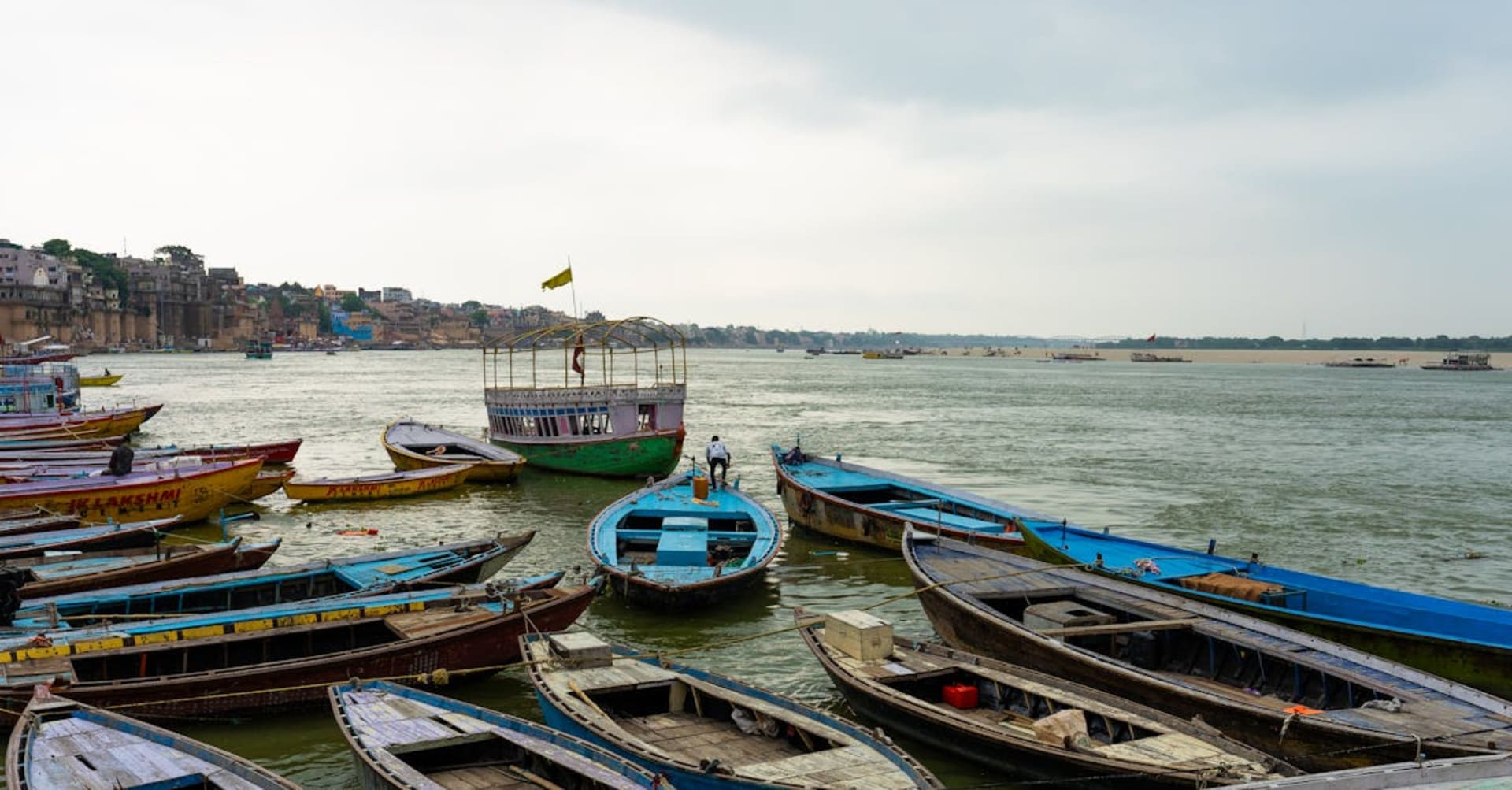
Varanasi
"The city that looks death in the face every morning -- and greets it with flowers."
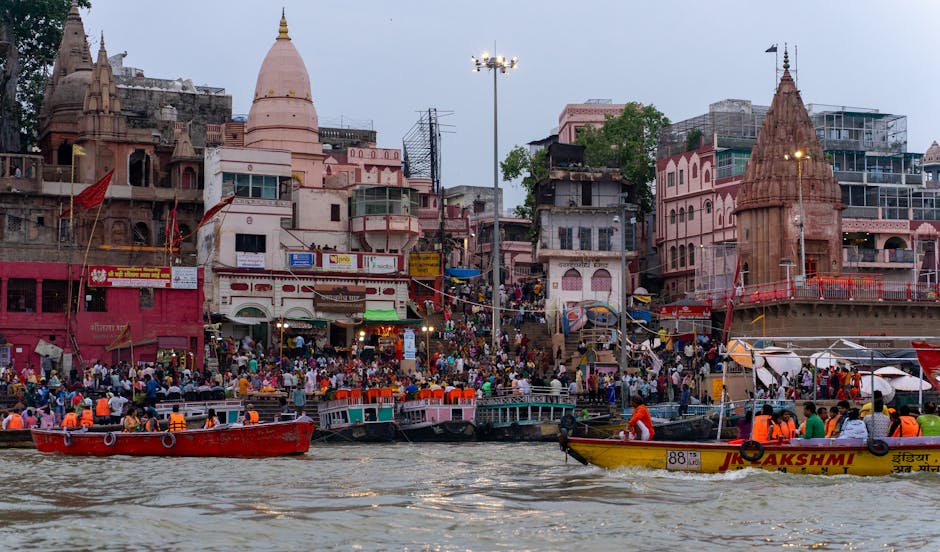
Varanasi is not a comfortable place. It is, instead, the most profound. The city sits on the western bank of the Ganges, and for three thousand years people have come here to die, to pray, to cremate their dead, and to wash away their sins in water that science would call polluted and faith calls sacred. The ghats — the stone steps descending to the river — are the stage for all of it. Dashashwamedh Ghat hosts the evening aarti ceremony, a choreography of fire, incense, and chanting that feels less like a performance and more like the city exhaling.
I have been to Lourdes, to Fátima, to the great cathedrals of France. None of them prepared me for Varanasi. The aarti ceremony at Dashashwamedh starts at dusk, and the priests — young men in silk, each holding a brass lamp with multiple tiers of flame — move through a choreography so precise and so ancient that the words ritual and performance both feel inadequate. The fire catches the Ganges and multiplies. The crowd — pilgrims, tourists, sadhus, boatmen, children selling marigold offerings — watches in a silence that feels consensual, as if the city itself has agreed to pause. I stood on the steps with flower petals in my hands and a candle floating on a leaf, and I placed it on the water and watched it drift south, joining thousands of other tiny flames, and I understood for the first time what it means for a river to be sacred. Not metaphorically. Physically. The Ganges at Varanasi is not symbolically holy — it is treated, by a billion people, as literally divine, and standing on its banks at dusk, watching the fire and the smoke and the floating lights, you begin to feel why.
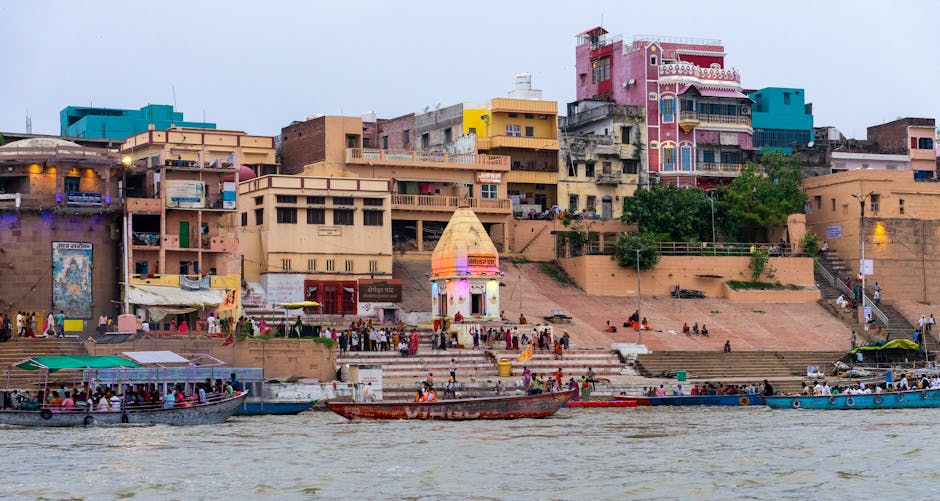
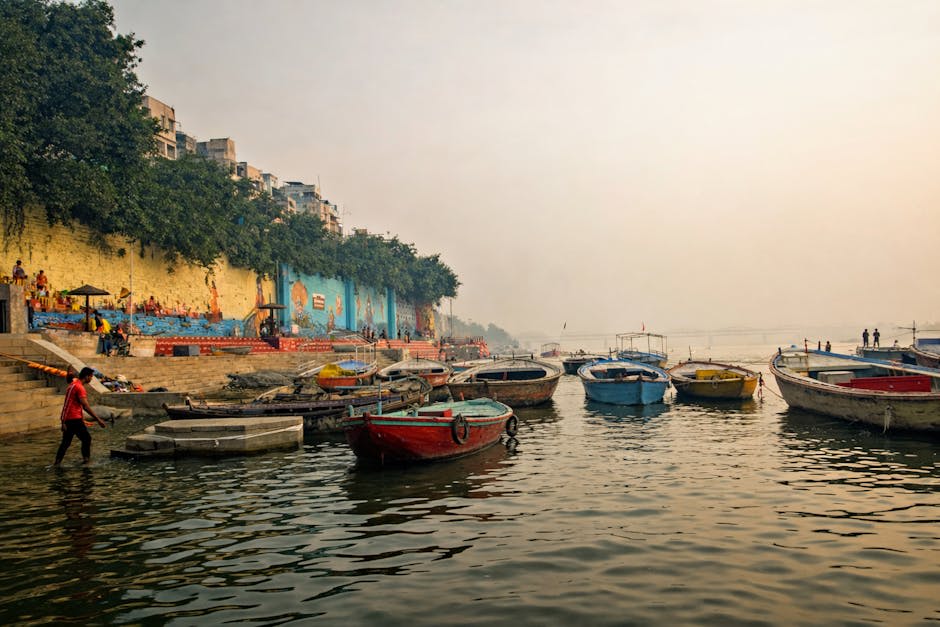
A dawn boat ride along the ghats reveals Varanasi at its most raw. Bodies burn at Manikarnika Ghat around the clock — the fires have not gone out, they say, in three thousand years. Beside them, people bathe, children play, laundry dries on the steps, and sadhus sit in meditation as if the chaos does not exist. The boatman rows slowly, and the city unfolds like a scroll: washing ghats, bathing ghats, cremation ghats, yoga ghats, each one a different chapter of the same story about the relationship between the living and the dead. I have never been anywhere that treats death with such matter-of-fact intimacy. In the West we hide it. In Varanasi it happens in public, on stone steps, beside the river, and the children who play cricket ten metres away do not even look up.
The old city behind the ghats is a labyrinth of alleys so narrow that two people cannot walk abreast, hiding temples, silk workshops, and lassi shops that have been serving from the same recipe for generations. The Kashi Vishwanath Temple, dedicated to Shiva, is the spiritual heart of the city, rebuilt after Aurangzeb destroyed the original and reconstructed with a gold dome that catches the morning sun and announces itself from the river. The Blue Lassi shop — a hole in the wall near Manikarnika — serves yoghurt so thick and fruit so fresh that the queue stretches down the alley, and the wait is part of the experience. Varanasi will unsettle you. That is, in many ways, the point. It is the city that refuses to let you look away from the things that matter most.
When to go: October to March for cooler weather. Dev Deepawali in November lights the ghats with a million oil lamps. Avoid the intense heat of April to June and the monsoon flooding of July to September.