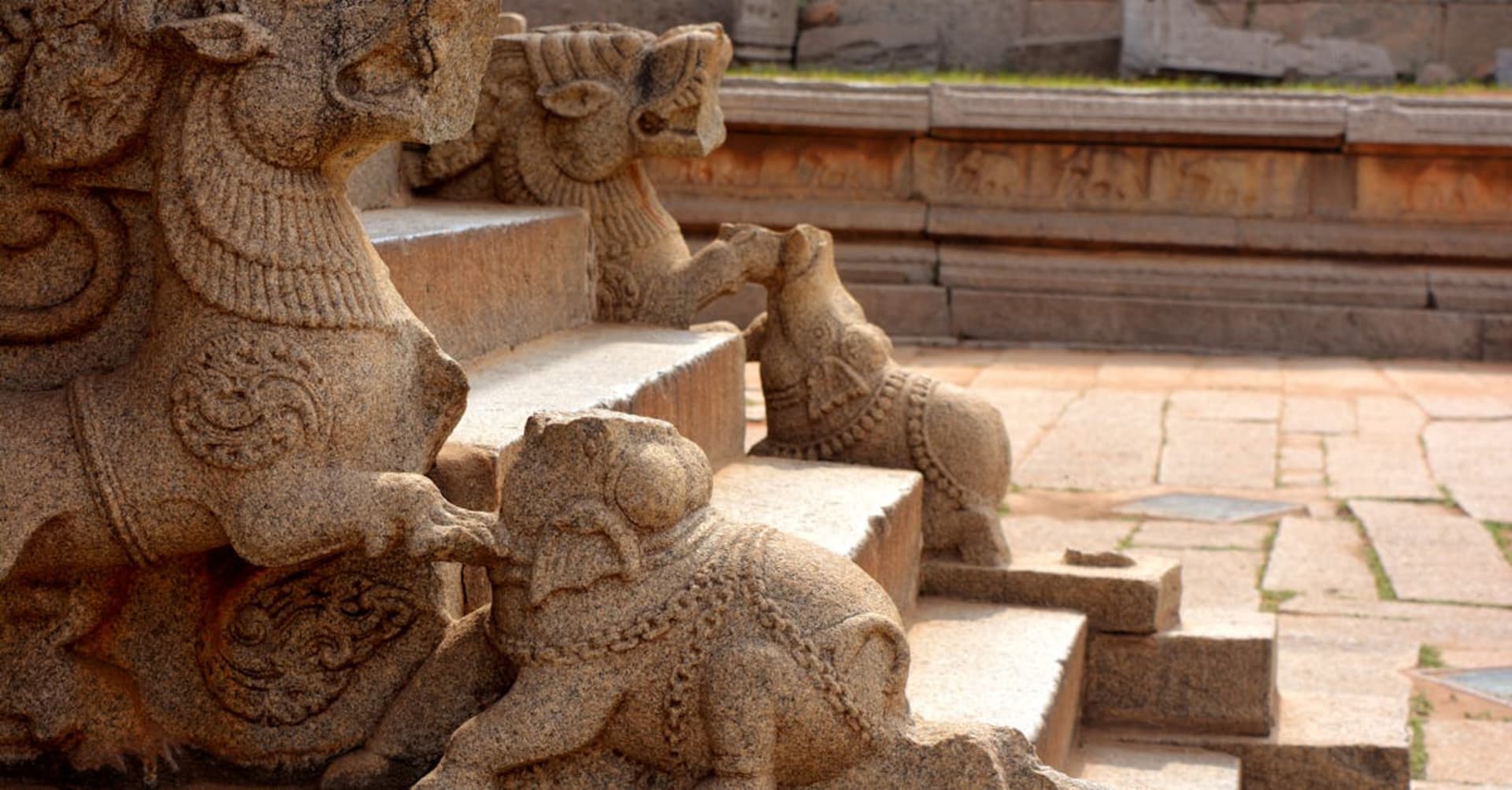
Hampi
"A city of half a million people reduced to stone and silence -- and still more alive than most places I have been."
Hampi is what happens when an empire of extraordinary wealth and ambition is destroyed so completely that only the stones remain. The Vijayanagara Empire made this its capital in the fourteenth century, and at its peak the city rivalled Rome in size and splendour. Then in 1565, a coalition of Deccan sultanates sacked it, and what remains is a UNESCO-listed ruin field spread across a landscape of giant boulders and banana plantations that looks like the surface of another planet.
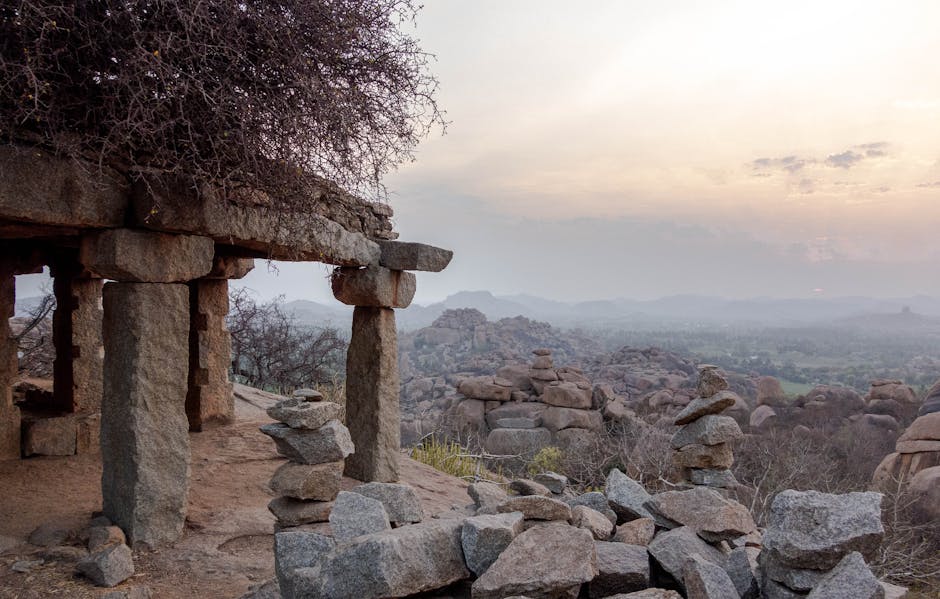
I arrived in Hampi from Goa on an overnight bus, stepped out at dawn, and the landscape hit me with the force of something from a dream. The boulders — granite, ochre and grey, some the size of houses, some balanced on top of each other with an improbability that looks intentional but is purely geological — are everywhere, tumbling across hillsides, lining the river, framing the temples in compositions that no architect could improve. The Vijayanagara builders understood this landscape and worked with it rather than against it, carving temples into the rock, incorporating boulders into walls, creating a dialogue between the built and the natural that I have never seen anywhere else. Even in ruin, the effect is breathtaking.
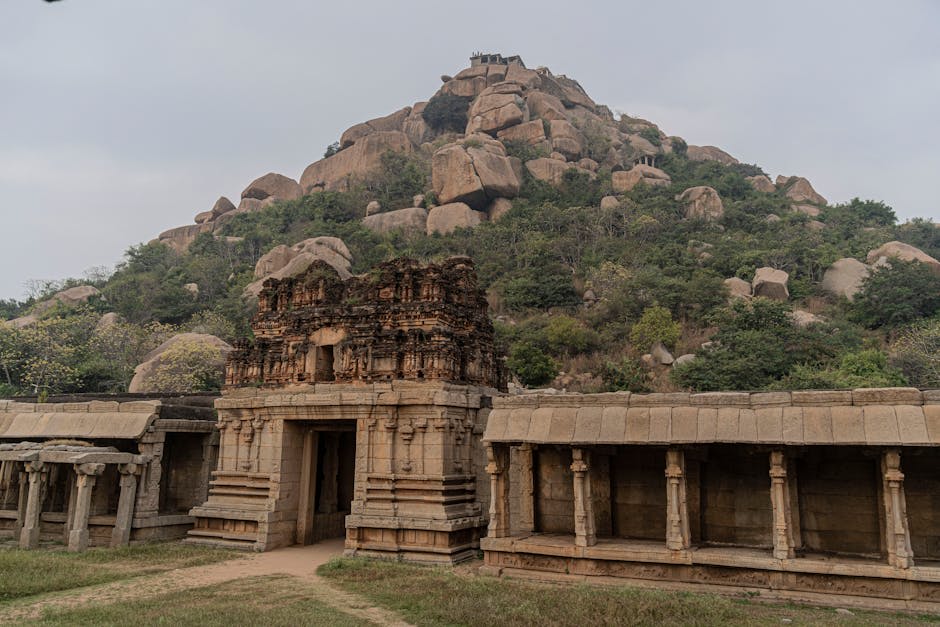
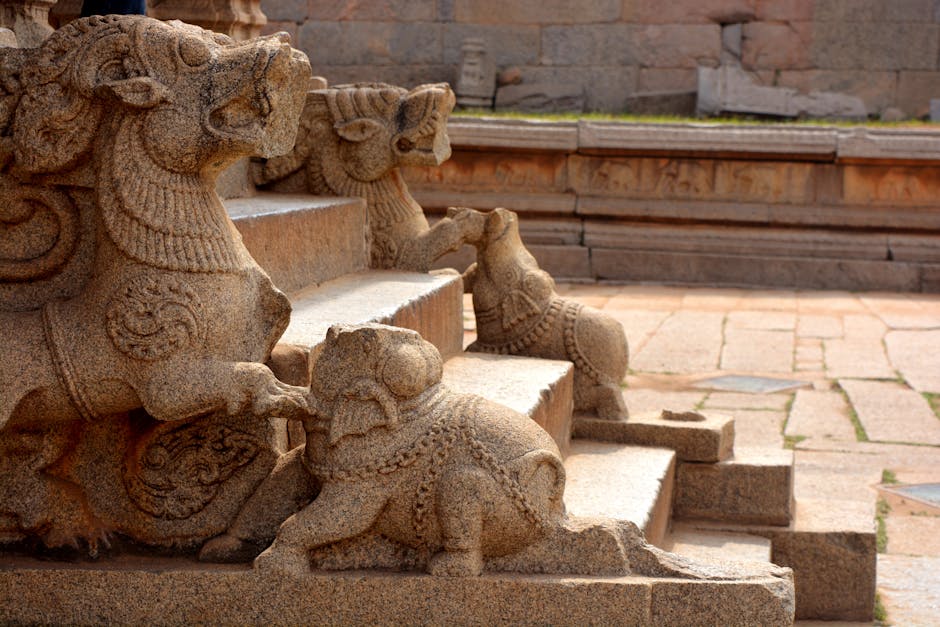
The Vittala Temple complex, with its iconic stone chariot and musical pillars, is the centrepiece — tap a pillar and it rings with a note that has been tuned by a sculptor dead for five hundred years. The chariot, carved from a single block of granite, is so detailed that its wheels once turned, and the craftsmanship required to produce it is difficult to reconcile with the tools available in the fifteenth century. I spent an entire morning at Vittala, walking among the pillars, listening to the notes, studying the carved dancers and musicians on every surface, and thinking about what it means for a civilisation to invest this much artistry in stone. The Vijayanagara kings were not modest. They built to astonish, and five centuries after their defeat, the astonishment endures.
The Virupaksha Temple is still active, its gopuram rising above the bazaar street, and the contrast between the living temple and the dead city that surrounds it is one of Hampi’s most powerful qualities. Matanga Hill offers a sunrise that illuminates the entire boulder-strewn landscape in gold — I climbed it in the dark, barefoot on warm granite, and watched the light arrive across the Tungabhadra River and the ruins below, and for a few minutes the city looked not ruined but sleeping, as if it might wake up and resume the business of empire. Across the river, the hippie village of Hampi Island (Virupapur Gaddi) offers guesthouses, rice paddies, and a pace of life so slow it feels like a deliberate act of resistance against the modern world. I rented a bicycle and spent two days exploring the far side — the royal enclosure, the elephant stables, the underground Shiva temple, the lotus mahal — and every ruin I found felt like a conversation with people who believed, with absolute conviction, that what they were building would last forever. They were wrong, and they were right.
When to go: October to February for comfortable temperatures and clear skies. The heat from March to May is extreme. The monsoon greens the landscape beautifully but makes some ruins slippery and the river uncrossable.