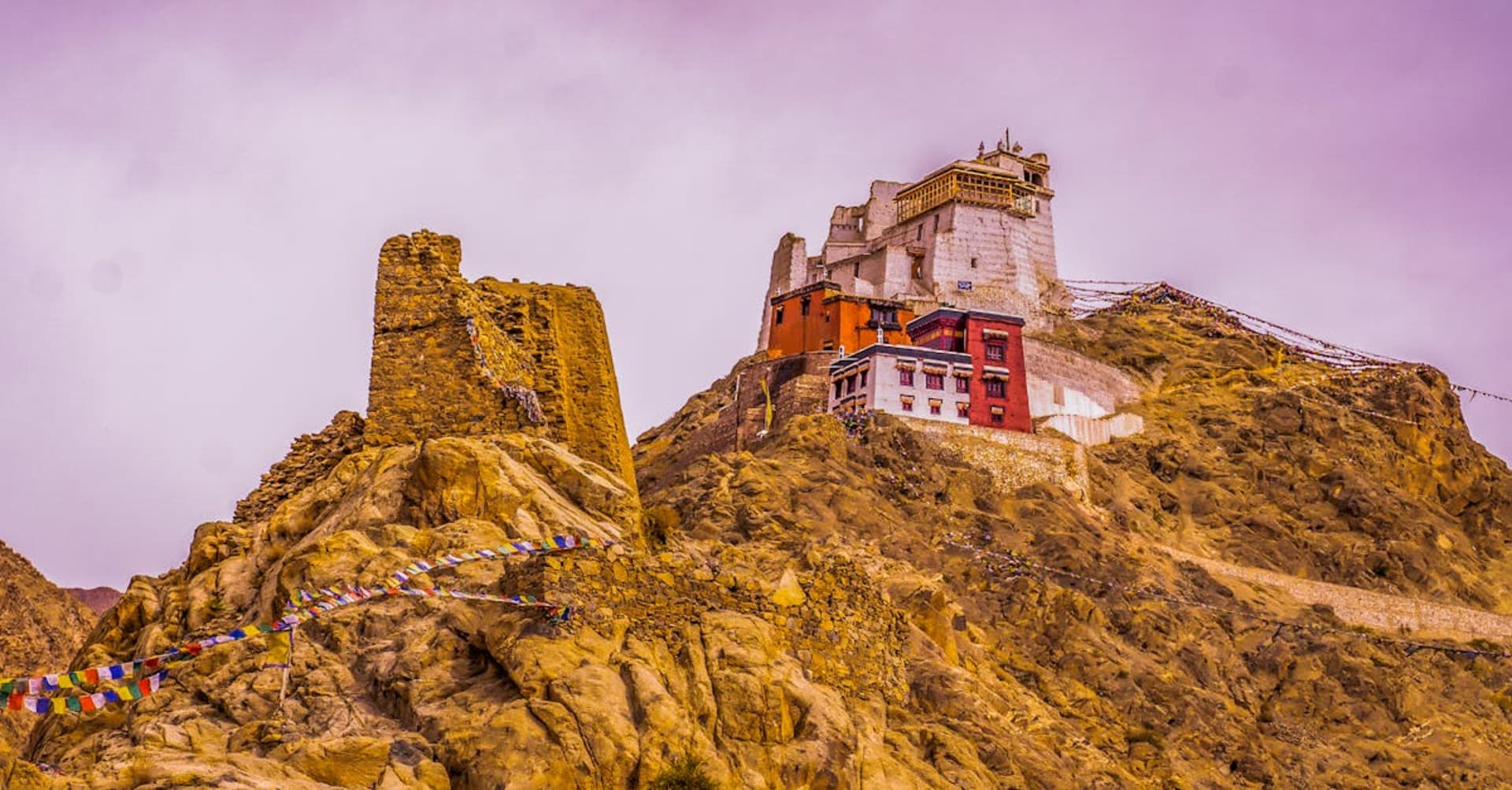
Ladakh is India at its most extreme and its most beautiful. Sitting at the western end of the Himalayas, this former Buddhist kingdom occupies a high-altitude desert where the air is thin, the sky is absurdly blue, and the monasteries cling to cliffsides as if gravity were a suggestion rather than a law. Leh, the capital, sits at 3,500 metres and requires a day of acclimatisation that is best spent wandering its bazaar, visiting Leh Palace, and drinking butter tea while your body adjusts to having significantly less oxygen than it would prefer.
I flew into Leh from Delhi, which is the jarring version of arrival — one hour from the plains to 3,500 metres, no gradual adjustment, just a sudden awareness that breathing requires effort and stairs have become your enemy. The acclimatisation day is not optional. I spent it walking slowly through the old town, visiting Leh Palace (a smaller, rougher cousin of Lhasa’s Potala), and drinking butter tea with a Ladakhi family who ran the guesthouse where I was staying. The tea is an acquired taste — salty, buttery, more broth than beverage — but by the second cup I understood its logic: at this altitude, in this cold, you need fat and salt more than you need caffeine. The family spoke Ladakhi, Hindi, and enough English to communicate the essential things: eat slowly, drink water, do not climb stairs quickly, and come back for dinner.
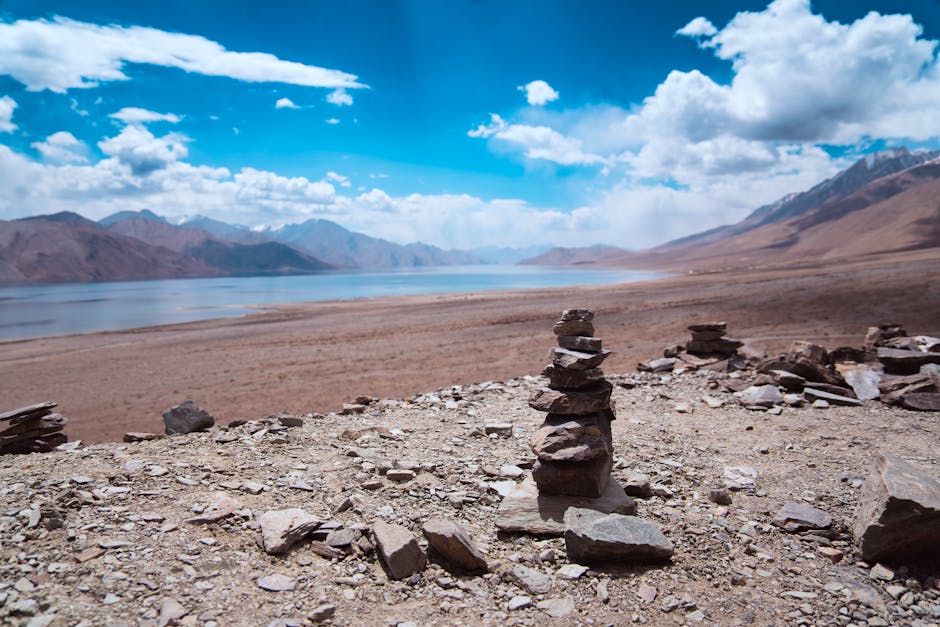
The landscapes are the draw, and they are landscapes that make you question the capacity of your own eyes. Pangong Tso, the lake that stretches into China, changes colour from blue to green to grey depending on the light and the time of day — I sat on its shore for two hours and watched it shift through shades I did not have names for. The drive there, over Chang La pass at 5,360 metres, passes through terrain so barren and vast that the road feels like a pencil line drawn across the surface of Mars. Nubra Valley, reached via the Khardung La pass, offers sand dunes and double-humped Bactrian camels that seem to have wandered in from a different continent. The juxtaposition of camels and snow-capped mountains is so surreal it feels curated, as though someone designed a landscape specifically to confuse photographers.
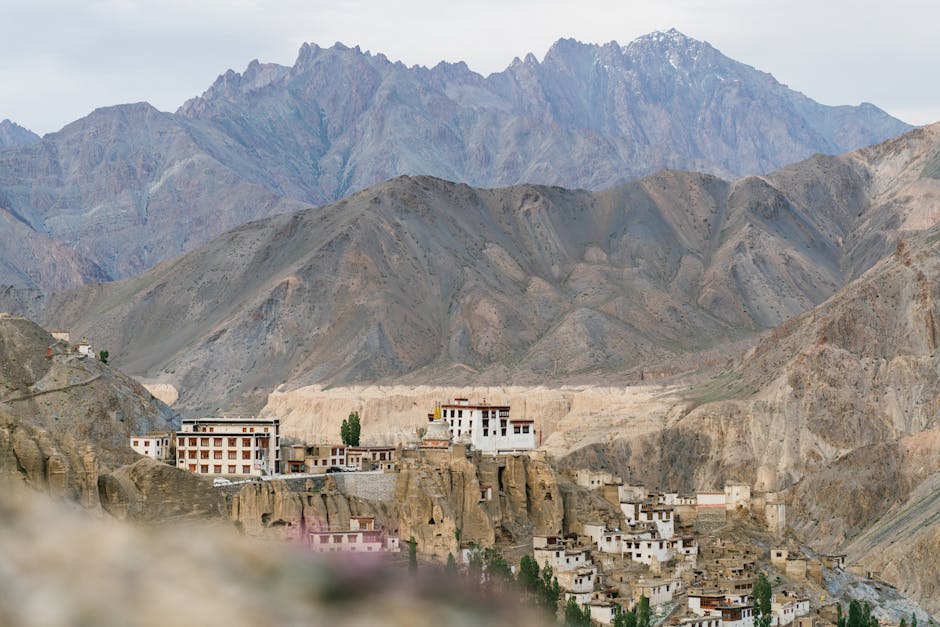
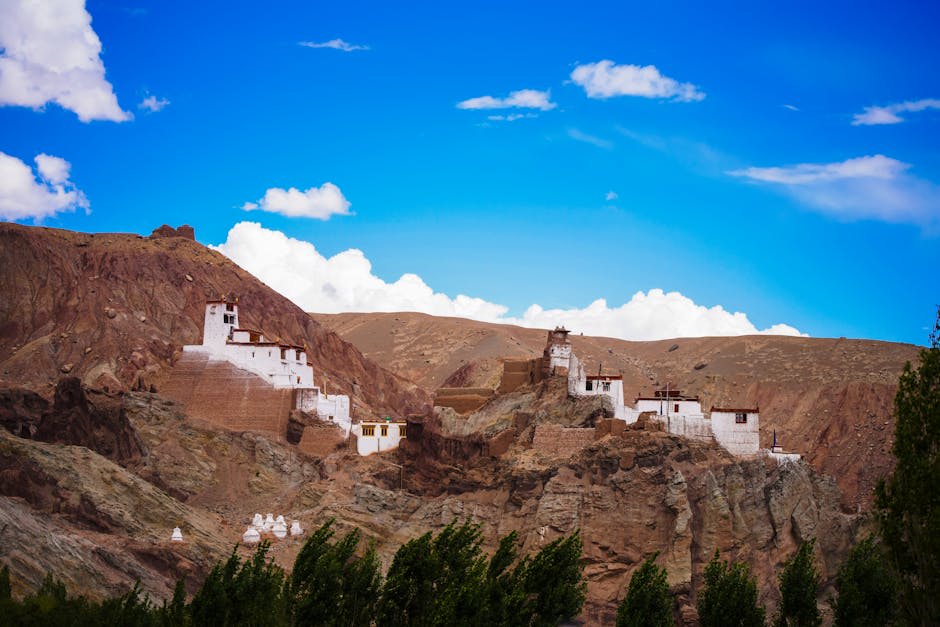
Hemis Monastery hosts a masked dance festival each summer that draws monks from across the region, their costumes and masks representing deities and demons in a spectacle that is simultaneously sacred and theatrical. Thiksey Monastery, perched on a hill above the Indus Valley, is often compared to the Potala Palace and rewards a pre-dawn visit — watching the sunrise from its rooftop, with the monks chanting below and the valley turning gold, is one of those moments that travel exists to provide. The roads here — particularly the Manali-Leh highway — are among the most spectacular and terrifying drives in the world, and I say this as someone who has driven the mountain roads of southern Mexico. Ladakh does not accommodate. It demands. And what it gives in return — silence, scale, a sky so full of stars it looks crowded — is worth every gasp for air.
When to go: June to September when the passes are open and the weather is warm. July and August see the Hemis Festival. The rest of the year, most roads close and temperatures plummet well below freezing.