Rajasthan
"India at its most operatic -- every palace, every turban, every sunset turned up to eleven."
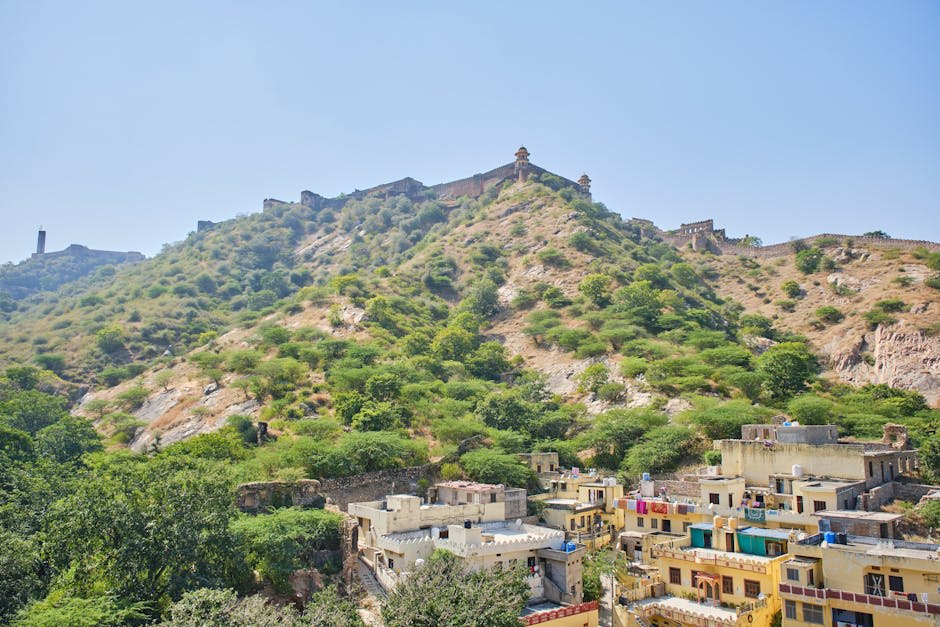
Rajasthan is India with the volume set to maximum. The state stretches across the Thar Desert in the northwest, and everything here — the forts, the palaces, the turbans, the mustaches, the sunsets — exists on a scale that seems designed to overwhelm. Jaipur, the Pink City, is the usual entry point, its terracotta-walled old town anchored by the Hawa Mahal and the Amber Fort, a hilltop fortress so grand it makes European castles look like gatekeepers’ lodges. Jodhpur, the Blue City, is a tumble of indigo houses beneath the Mehrangarh Fort, one of the most impressive structures in India.
I arrived in Jaipur on a November morning, stepped out of the railway station into a wall of noise and marigold-scented air, and understood within five minutes that this state operates by its own rules. The Amber Fort alone could absorb a full day — its mirror palace, its painted ceilings, the elephant ramp ascending the hillside — but Jaipur has so much more. The Jantar Mantar observatory, built in the eighteenth century, contains astronomical instruments so large you can walk inside them, and so precise they still tell time accurately. The City Palace is part museum, part living royal residence, where the current maharaja occupies a wing while tourists photograph the other. And everywhere, the colour: pink walls, orange turbans, yellow marigolds, blue pottery, the whole city a palette that would make a French Impressionist weep with envy.
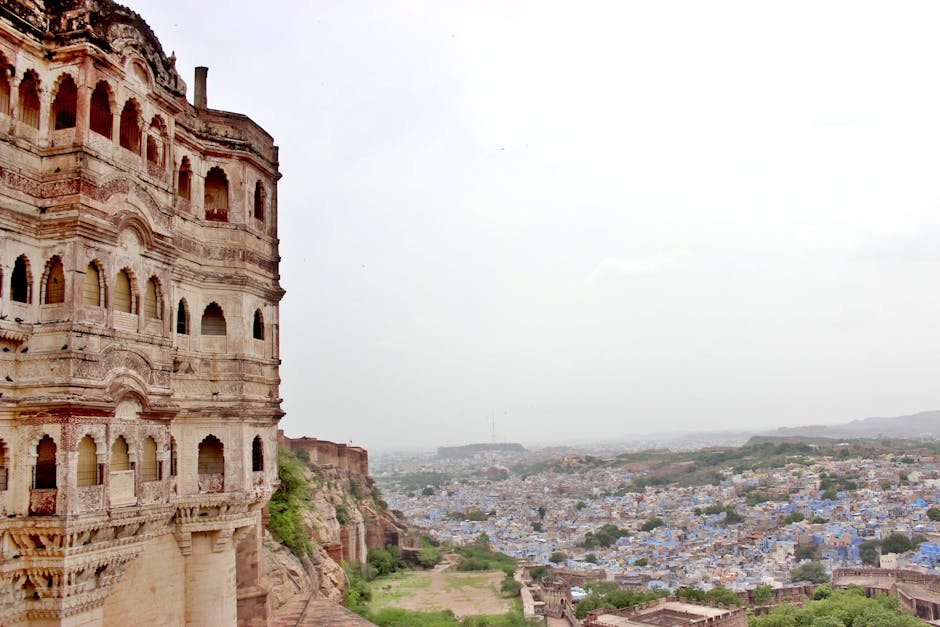
Jodhpur hit me differently. The Mehrangarh Fort sits on a cliff above the old city like a stone crown, and from its ramparts the blue houses spread below in every direction — not a pastel blue but a deep, saturated indigo that the Brahmin caste once used to mark their homes and that the rest of the city eventually adopted out of sheer aesthetic good sense. Inside the fort, the museum is one of the best in India: palanquins, howdahs, cradles, weapons, and a collection of miniature paintings that captures the Rajput court with a precision that photography would later struggle to match. The zip line across the fort walls is an option I declined, not from fear but from the conviction that some places deserve stillness rather than adrenaline.
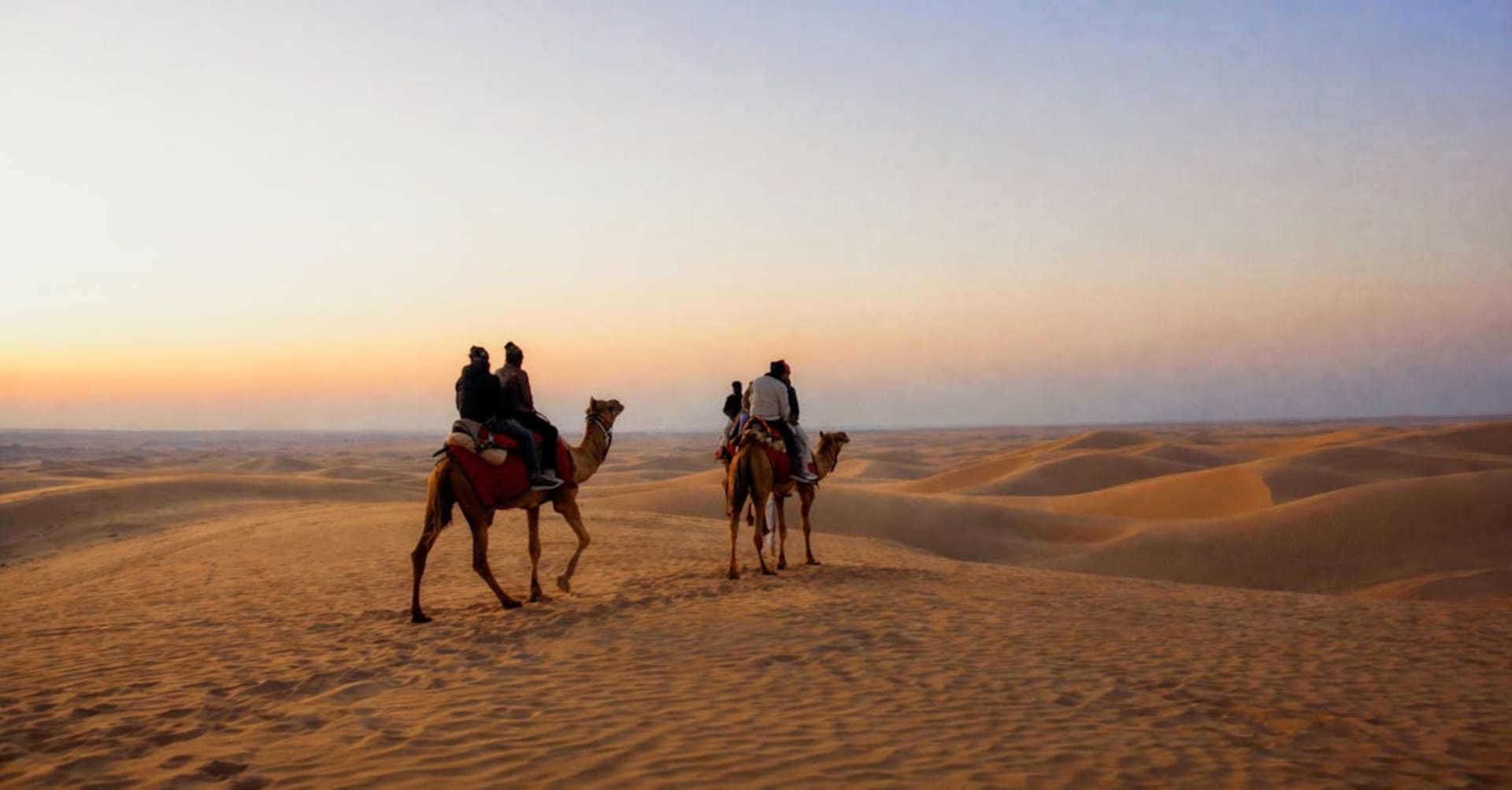
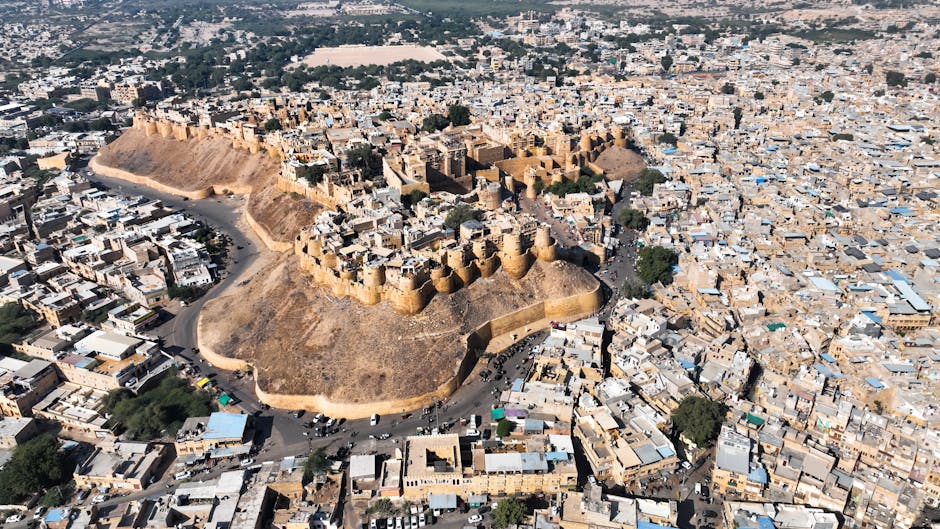
Jaisalmer pushes further into the desert, its golden sandstone fort rising like a mirage from the dunes. This is a living fort — people still live inside its walls, running guesthouses and restaurants in buildings that are five hundred years old. Pushkar offers a sacred lake, a camel fair, and a backpacker energy that has not changed in decades. The desert itself — accessible by camel safari from Jaisalmer or Bikaner — delivers silence, stars, and the understanding that India contains multitudes, including emptiness of the most beautiful kind. I spent a night on the Sam sand dunes, watching the Milky Way arc overhead with a clarity I have only seen in the Sahara, and the silence was so complete it felt like a sound of its own.
When to go: October to March for tolerable temperatures. November is ideal — warm days, cool nights, and the Pushkar Camel Fair. Avoid April to June when temperatures exceed 45 degrees with brutal regularity.