Mumbai
"Twenty million people, one shared understanding: this city does not wait for anyone."
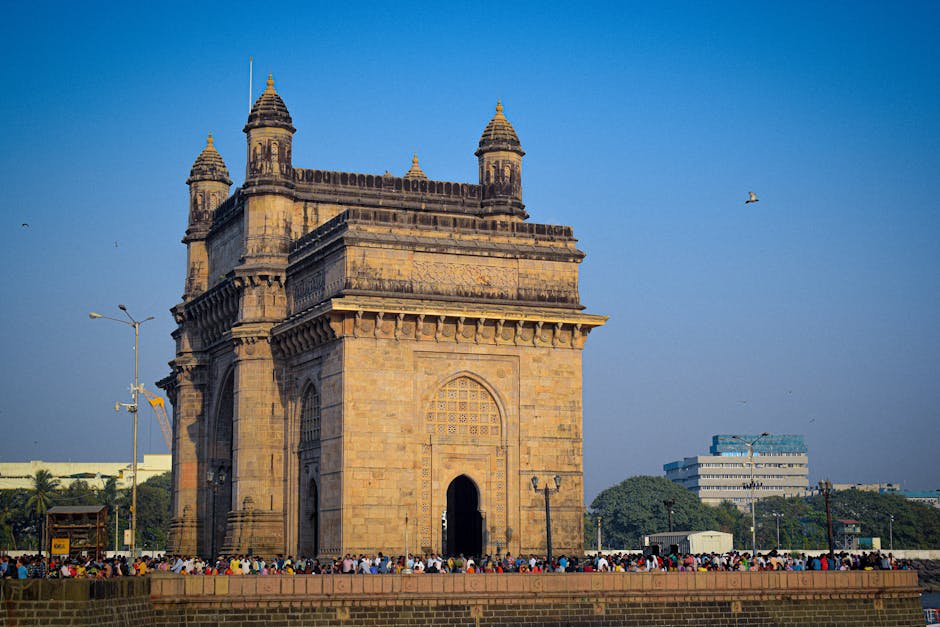
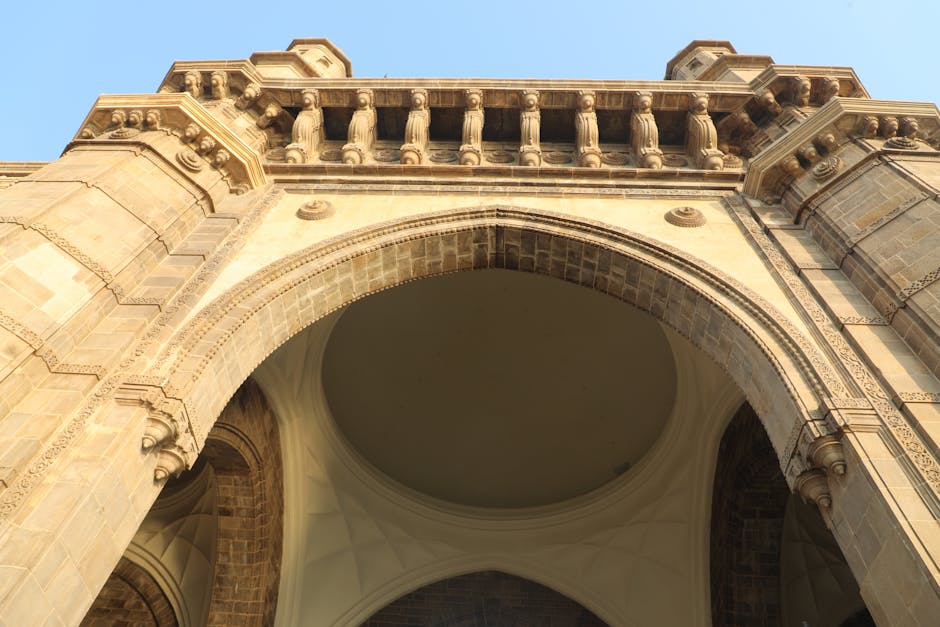
Mumbai is India compressed into a single point of overwhelming density. The city occupies a narrow peninsula on the Arabian Sea, and everything about it — the architecture, the traffic, the ambition, the poverty, the food — is squeezed together with an intensity that no other Indian city matches. The Gateway of India stands at the waterfront like a triumphal arch to nowhere, which is somehow the perfect symbol for a city that celebrates arrival without promising comfort.
The first thing that struck me in Mumbai was the architecture. The colonial district around Colaba and Fort is a walk through Victorian Gothic that rivals anything in Manchester or Liverpool — except here the stone is darkened by monsoon rain and draped in banyan roots, and the grandeur coexists with pavement dwellers and chai stalls in a juxtaposition that no European city could produce. The Chhatrapati Shivaji Terminus railway station is so ornate it looks edible — turrets, stained glass, gargoyles, carved peacocks — and inside, it processes more human beings per day than most European airports process in a week. I stood in the main hall during rush hour and watched the commuter trains arrive, doors open, and disgorge rivers of people who moved through the station with the coordinated speed of a murmuration, and I thought: this is what a city looks like when it has decided that stopping is not an option.
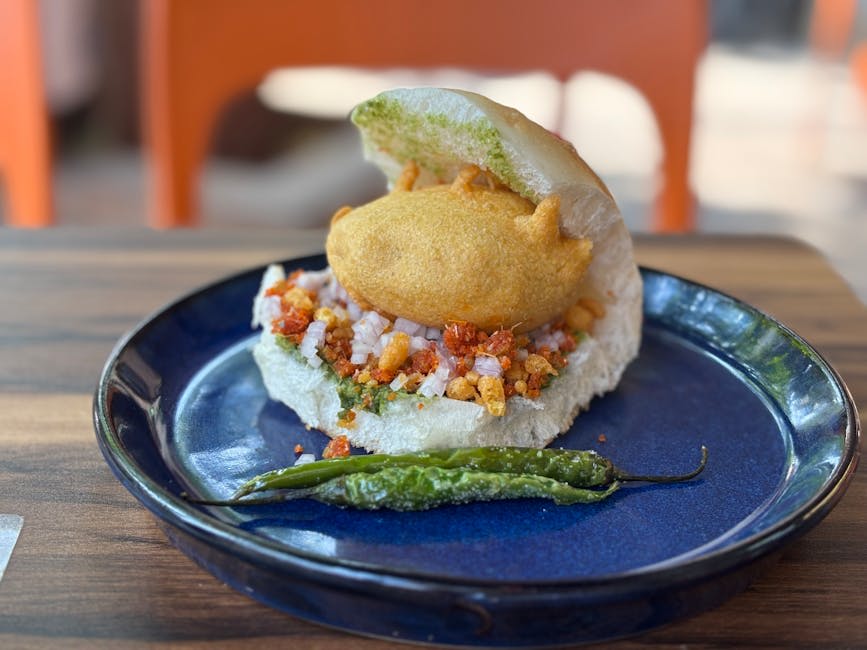
The street food is a religion here, and I say this as someone who grew up in a country that treats food as a constitutional right. Vada pav — a spiced potato fritter in a bread roll with garlic chutney — costs less than a euro and delivers more satisfaction than most restaurant meals I have eaten anywhere. Pav bhaji at Juhu Beach, bhel puri tossed and assembled with the speed of a card dealer, the sandwich wallahs of Mohammed Ali Road during Ramadan who construct towers of bread and filling that defy both gravity and dietary caution — Mumbai eats standing up, in transit, at midnight, at five in the morning, and the food is always, always good. I ate my way through the city for four days and still felt I had barely started.
Dharavi, one of the largest slums in Asia, offers guided tours that reveal a micro-economy of staggering creativity and resilience — leather workshops, pottery studios, recycling operations, bakeries, all operating in a square mile with a GDP that would shame many small towns. The tours are run by residents, the money goes back to the community, and the experience dismantles every assumption you brought with you. Bandra, across the Mahim Bay, is Mumbai’s bohemian quarter — street art, craft coffee, independent bookshops, and a nightlife that starts after most cities have gone to sleep. And the Bollywood industry, centred in Film City, pulses through the culture in ways that are visible on every billboard and audible in every auto-rickshaw radio. Mumbai does not ask you to love it. It simply makes itself impossible to forget.
When to go: November to February for cooler, drier weather. The monsoon from June to September is dramatic — the city floods regularly, but the rain transforms the parched landscape and the energy is electric.