Darjeeling
"The champagne of teas comes from here -- and so does one of the finest views on earth."
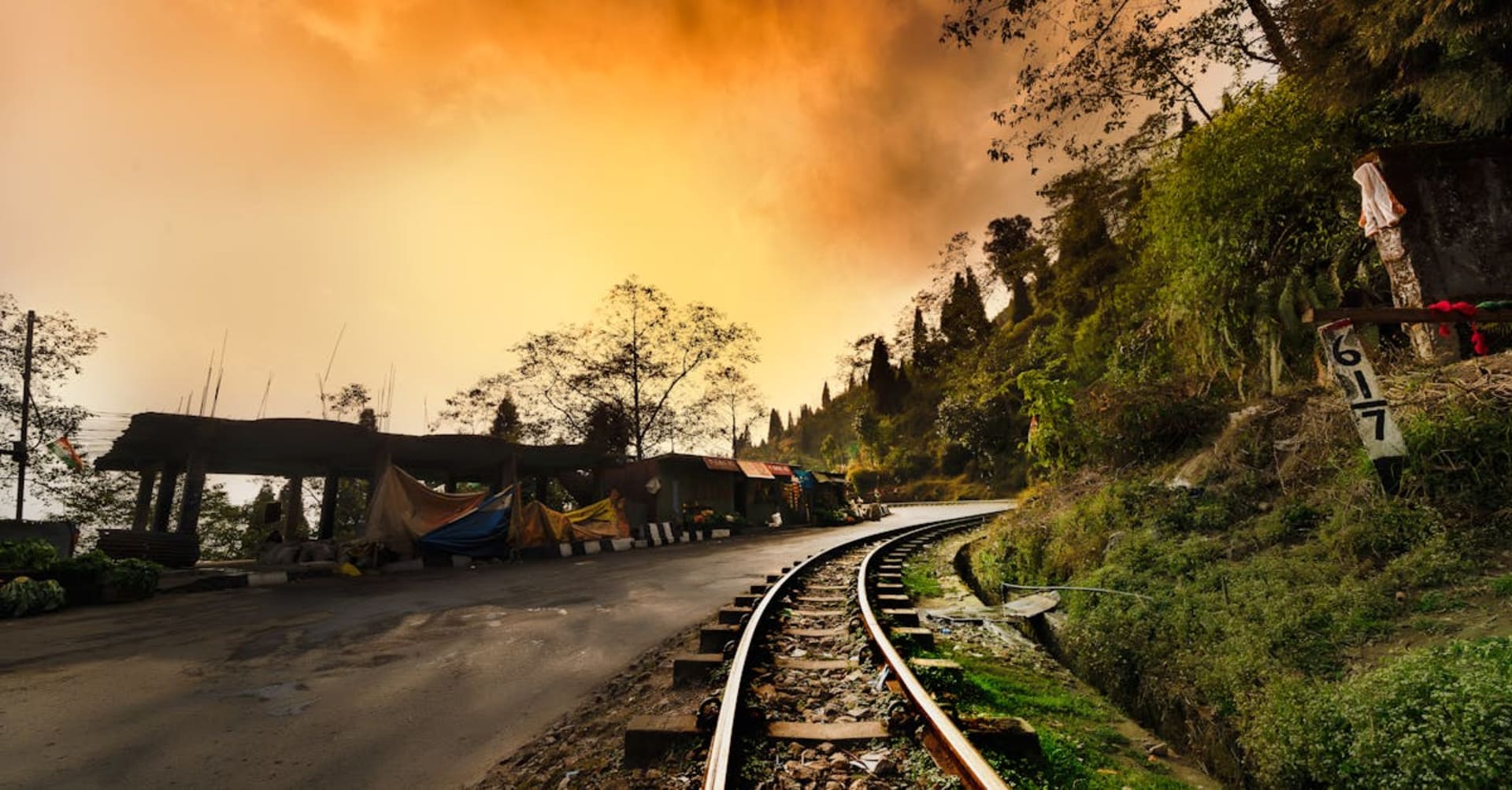
Darjeeling sits at 2,000 metres on a ridge in the eastern Himalayas, and on clear mornings, Kanchenjunga — the third-highest mountain on earth — fills the northern horizon with a wall of snow and ice that seems too large to be real. Tiger Hill, a short drive above town, is the traditional sunrise viewpoint, and at dawn the peaks glow pink and gold in a display that justifies the 4 a.m. wake-up call. The Darjeeling Himalayan Railway, a UNESCO-listed narrow-gauge toy train from the colonial era, zigzags up the mountain in a journey that is more charm than efficiency.
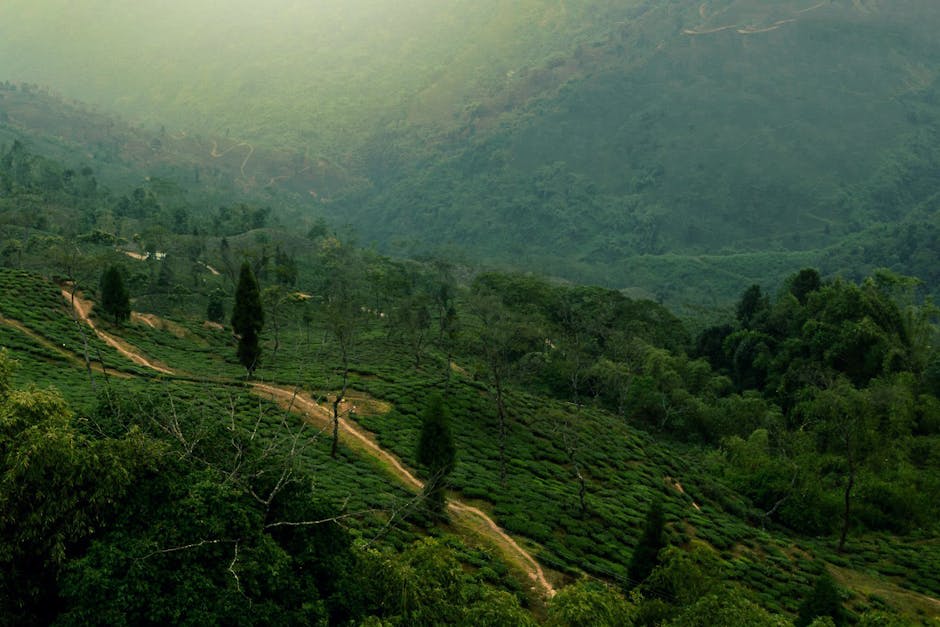
I am a tea person. I have been since childhood — my grandmother in Burgundy served tea every afternoon at four, from a pot she warmed twice, with sugar cubes from a tin that was older than I was. So arriving in Darjeeling felt like a pilgrimage. The Happy Valley Tea Estate sits just below town, its bushes cascading down the hillside in rows so orderly they look algorithmic, and the tour takes you through every stage of production: withering, rolling, oxidation, drying. The tea master let me taste a first flush from that morning’s plucking, and it was unlike any Darjeeling I had drunk in France — lighter, more floral, with a muscatel sweetness that the export journey always flattens. I bought a kilo and carried it in my backpack for the rest of India, wrapped in three plastic bags to protect it from the humidity, and it was worth every gram of extra weight.
The toy train is a relic of British India that has become, improbably, one of the most charming transport experiences in the world. It was built in 1881, and it still runs on the same narrow-gauge track, climbing from the plains to Darjeeling through a series of loops, zigzags, and reversals that would give a modern safety inspector an aneurysm. The train crosses roads, passes through markets, and at one point makes a complete loop around Batasia Loop, a memorial garden where the track spirals around a war memorial with Kanchenjunga as the backdrop. I rode the Ghum section — the highest point on the line, at 2,258 metres — in a carriage that smelled of coal and old wood, with the mist pressing against the windows and the whistle echoing off the mountainside.
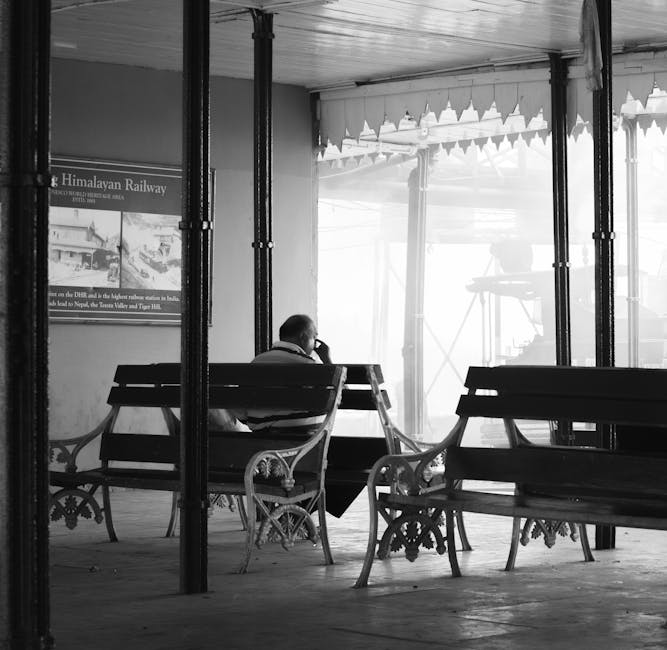
The town itself is a compact jumble of colonial-era hotels, Tibetan monasteries, and a bazaar that sells everything from yak cheese to hand-knitted scarves. The Tibetan refugee community, established here after 1959, has added a layer of culture that includes monasteries, momos (Tibetan dumplings that rival any dumpling I have eaten in Asia), and a self-help centre where refugees produce carpets, woodwork, and leatherwork of exceptional quality. The pace is gentle, the air is cool, and the evenings bring a mist that wraps the town in silence. Glenary’s bakery, a Darjeeling institution since 1935, serves pastries and coffee on a terrace overlooking the valley, and sitting there in the late afternoon, watching the clouds roll in below you — literally below you — is one of those moments where the traveller’s compulsion to keep moving surrenders, briefly, to the pleasure of staying still.
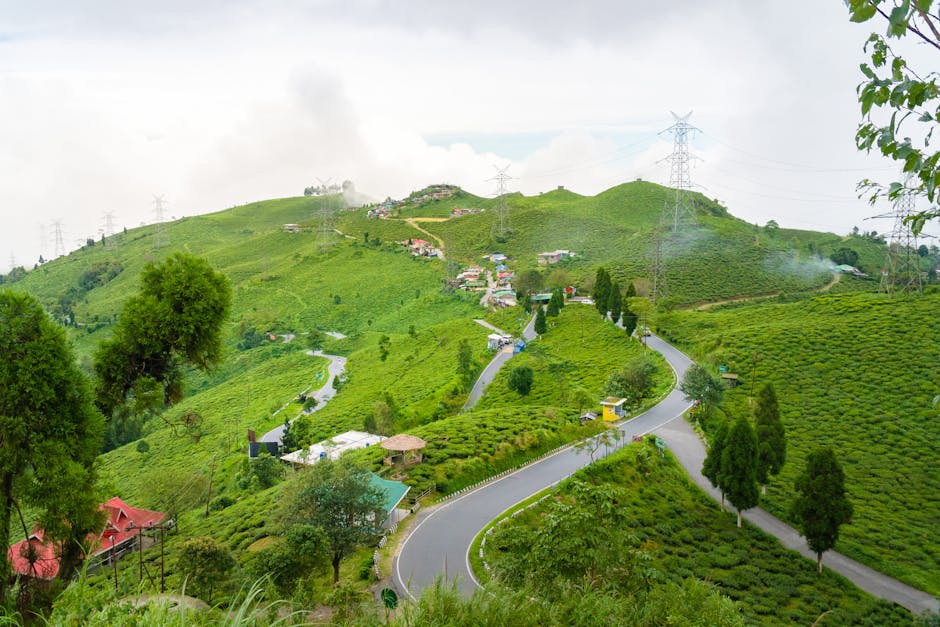
When to go: March to May for clear skies and the best Kanchenjunga views. October to November is also excellent. The monsoon from June to September brings heavy rain and obscures the mountains entirely.