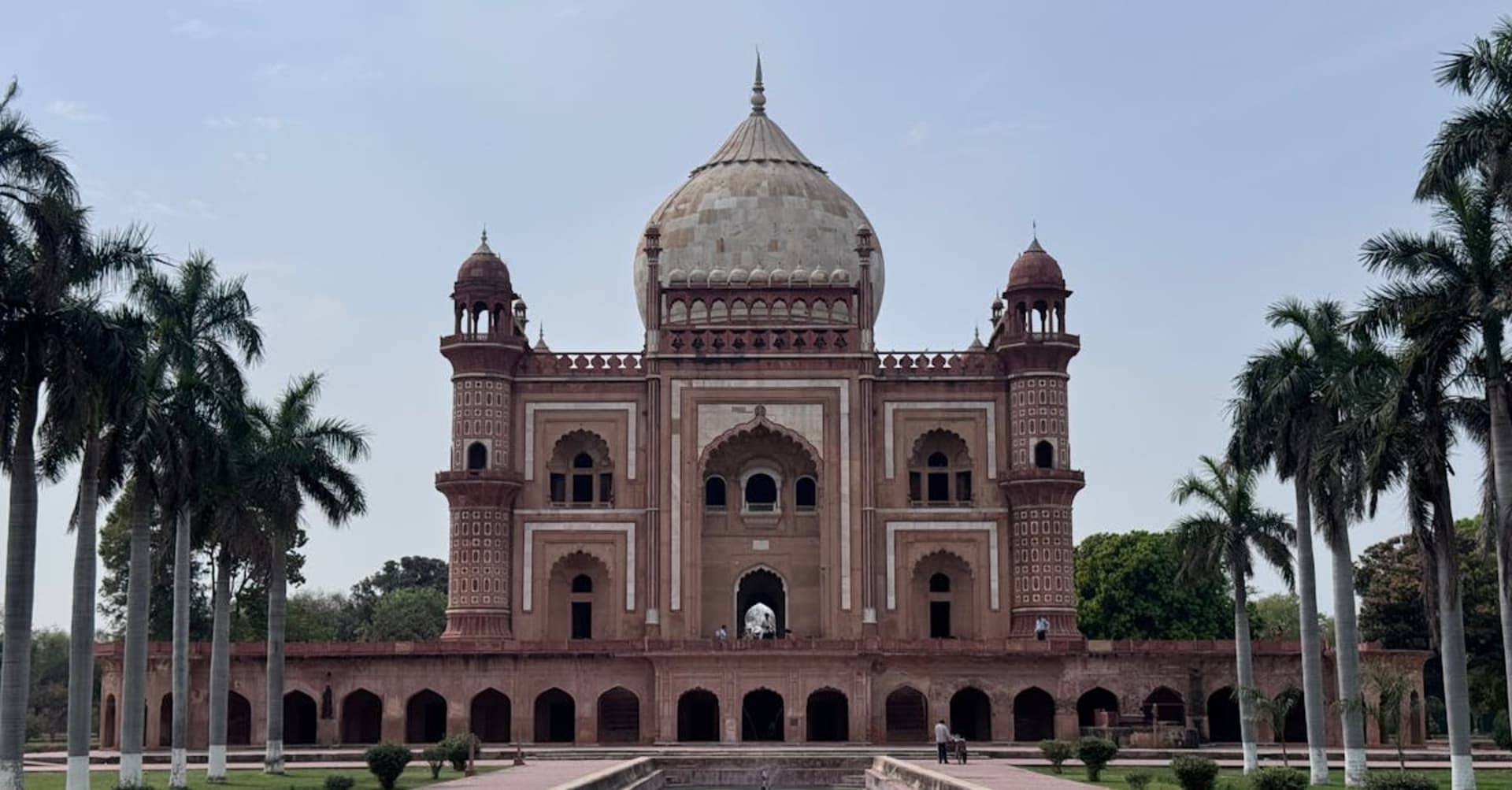
Delhi
"Seven cities built and destroyed on the same ground -- and the eighth is still being written."
Delhi is not one city but many, stacked on top of one another like geological layers. Old Delhi is the Mughal capital — the Red Fort, Jama Masjid, and the impossibly dense lanes of Chandni Chowk, where the street food (chole bhature, paranthas at Paranthe Wali Gali, jalebi fried in front of you) is worth every sensory overload the neighbourhood demands. New Delhi is the British capital — Lutyens’ grand avenues radiating from India Gate, the government buildings, and the garden tombs that sit like islands of calm in the urban storm.
I have lived in Mexico City, which is itself a layered metropolis built on the ruins of Tenochtitlán, and I thought I understood what it means for a city to contain its own history. Delhi made me recalibrate. The Qutub Minar, a 73-metre victory tower from the twelfth century, rises from a ruin field in south Delhi that includes an iron pillar from the fourth century that has not rusted in sixteen hundred years — a metallurgical mystery that science has explained but that still feels miraculous when you stand beside it and run your hand along metal older than most European nations. The ruins stretch around it: mosques built from dismantled Hindu temples, courtyards where dynasties rose and fell, stone that has been carved, broken, recarved, and repurposed so many times that every surface tells three stories at once.
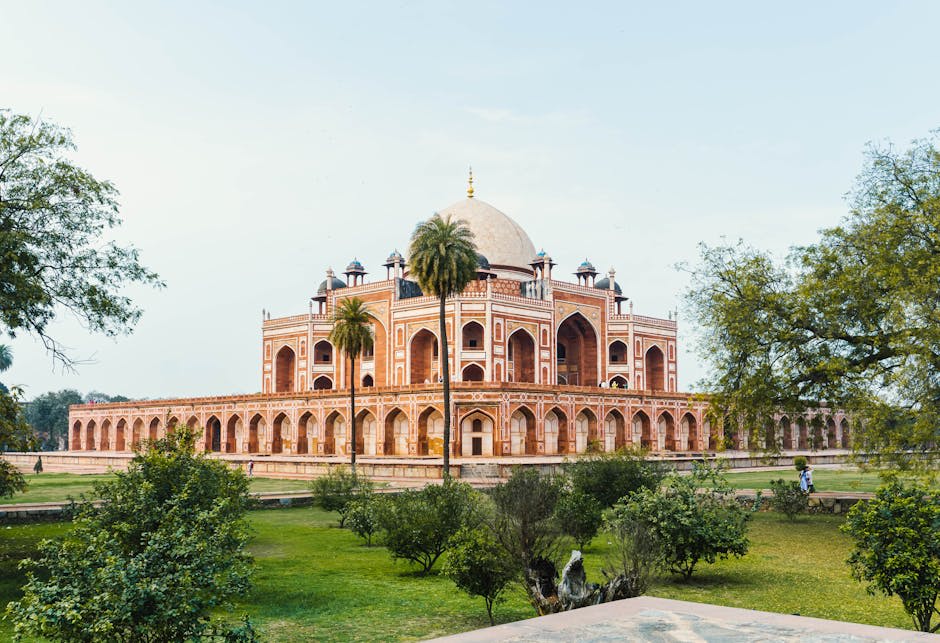
Humayun’s Tomb is the architectural precursor to the Taj Mahal and, some argue, more beautiful for its intimacy. I visited in the late afternoon, when the red sandstone and white marble caught the low sun and the gardens — charbagh style, divided into four by water channels — were nearly empty. The tomb sits in its garden like a jewel in a setting, and the silence inside the chamber, where Humayun lies beneath a marble cenotaph, is the kind of silence that cities rarely allow. This is what Delhi does: it hides these pockets of ancient calm inside its modern chaos, and finding them feels like discovering a secret that twenty million people have agreed to keep.
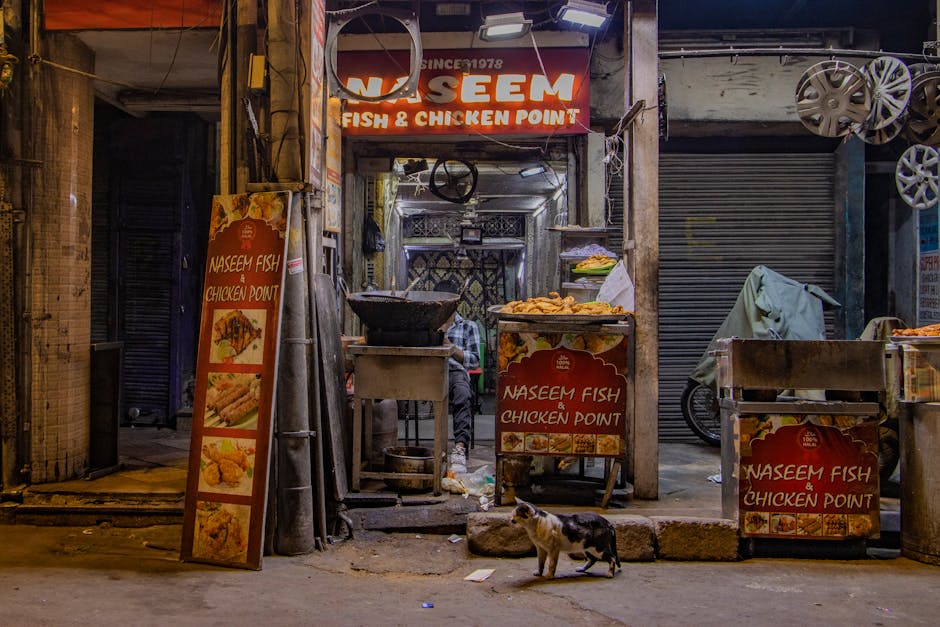
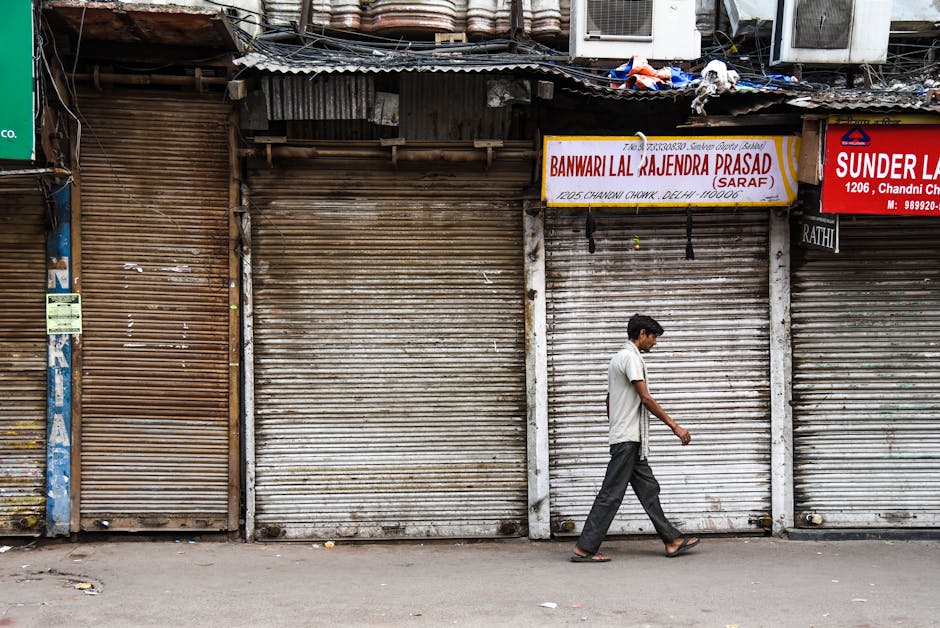
Chandni Chowk is the opposite of silence. The street was once the grandest boulevard in Asia, designed by Shah Jahan’s daughter in the seventeenth century, and today it is a compression of humanity that makes the souks of Marrakech feel spacious. The paranthas at Paranthe Wali Gali — a narrow alley where the same families have been frying stuffed flatbreads since 1872 — come in varieties I did not know were possible: banana, rabri, mixed pickle, cauliflower. Karim’s, the legendary Mughlai restaurant near Jama Masjid, serves mutton burra and nihari in a courtyard that has not changed since 1913 and does not need to. Hauz Khas Village layers boutiques and restaurants over a medieval water tank and madrasa. And the food — Delhi is arguably the best eating city in India, and anyone who disagrees has simply not eaten widely enough.
When to go: October to March for bearable temperatures. November is ideal. The summer from April to June is punishingly hot, and the monsoon in July to September brings relief but also flooding and humidity.