
My hometown, the city I left, the city I keep returning to — and the one I understand differently every time I come back.
Paris is the city I grew up near, the city I studied in, the city I left for Mexico — and the city that rearranges itself in my memory every time I return. I thought I knew it. I was wrong. You cannot know Paris; you can only accumulate versions of it, each contradicting the last and all of them true. The Paris of my teenage years — sneaking into jazz clubs in the 11th, eating kebabs at 2am on Rue Oberkampf — is not the Paris of my twenties, and neither is the Paris I see now when I step off the plane at CDG with the eyes of someone who has been gone long enough to notice what he used to take for granted.
The Left Bank is where I spent my university years, and it still feels like intellectual territory. The bookshops along the Seine — Shakespeare and Company, yes, but also the bouquinistes with their green stalls and their improbable survival in the age of Amazon — are not tourist attractions to me. They are the places where I bought paperbacks I could not afford with coins scraped from the bottom of my bag. The Jardin du Luxembourg is where I studied for exams and failed to study for exams, depending on the weather and the company. The café on the corner of Rue de Médicis still serves the same croque-monsieur.

Montmartre remains the village it has always been — steep streets, the Sacré-Coeur gleaming white above, the Place du Tertre crowded with portrait artists. But walk five minutes north and you are in the real Montmartre: Algerian restaurants on Rue Myrha, the Marché de la Chapelle on Wednesdays, the Paris that does not appear in travel magazines but that feeds and houses the people who actually live here. The 18th arrondissement is the most diverse neighborhood in France, and it is magnificent.
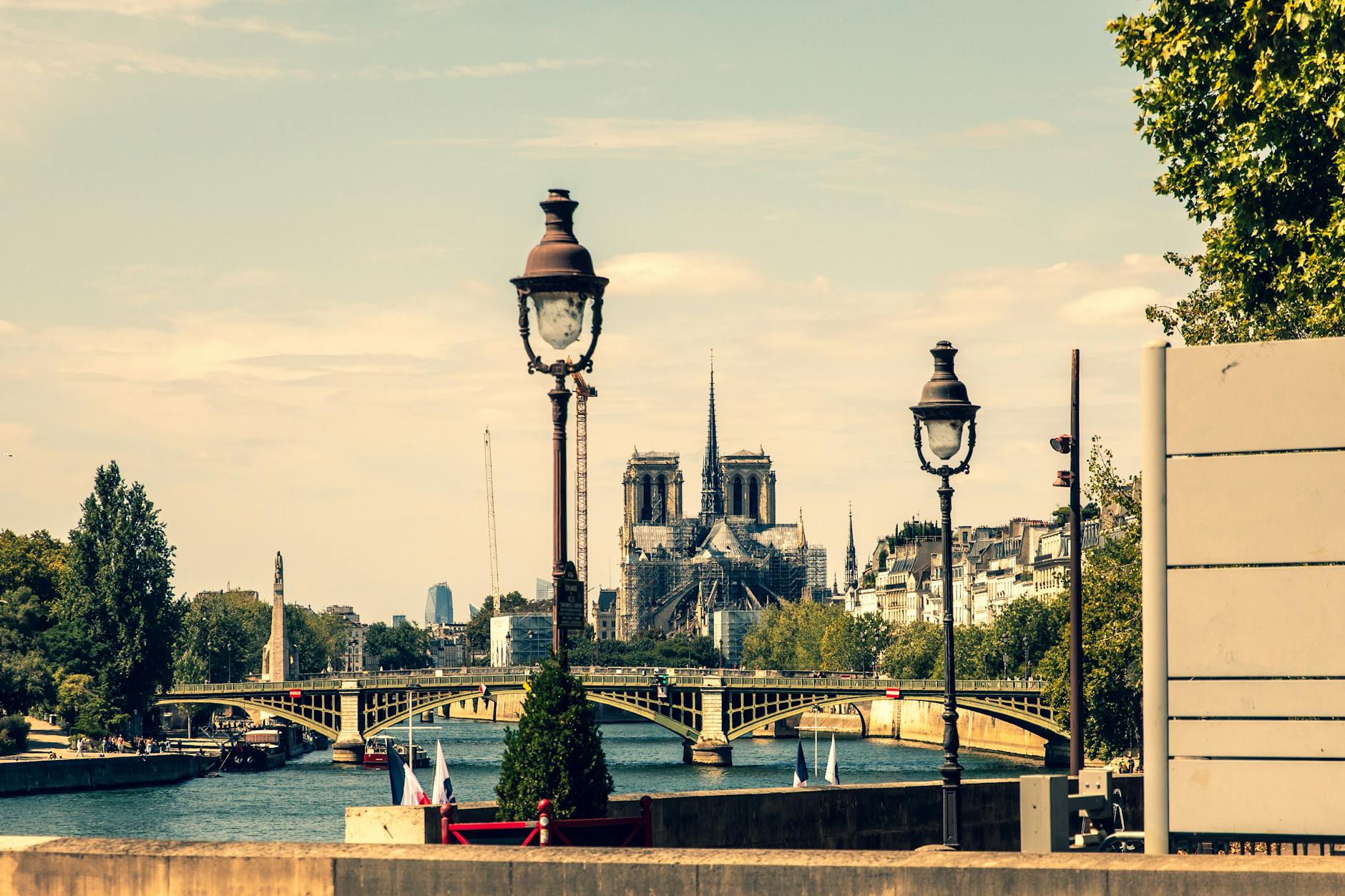
The Marais has transformed since I was a kid — it was the Jewish quarter, then the gay quarter, and now it is the boutique-hotel-and-concept-store quarter. But the falafel at L’As du Fallafel on Rue des Rosiers is unchanged, the Place des Vosges remains the most beautiful square in France, and the Musée Carnavalet — the museum of Parisian history, free, magnificent, and mysteriously uncrowded — is still one of the best afternoons you can spend in any city on earth.
What I tell people now, from the distance of Mexico, is this: do not try to see Paris. Try to live in it, even for three days. Buy bread in the morning. Sit in a park. Eat dinner at 9pm. Walk home along the Seine. The monuments are extraordinary, but the city is the life between them — and that life is still, despite everything, the most elegant daily existence any city has figured out.
When to go: April to June, or September to October. August is when Parisians leave — the city empties and many restaurants close. December has the Christmas markets and a particular grey-sky beauty that I find irresistible, but I am biased.
Explore
Places in Paris
 france
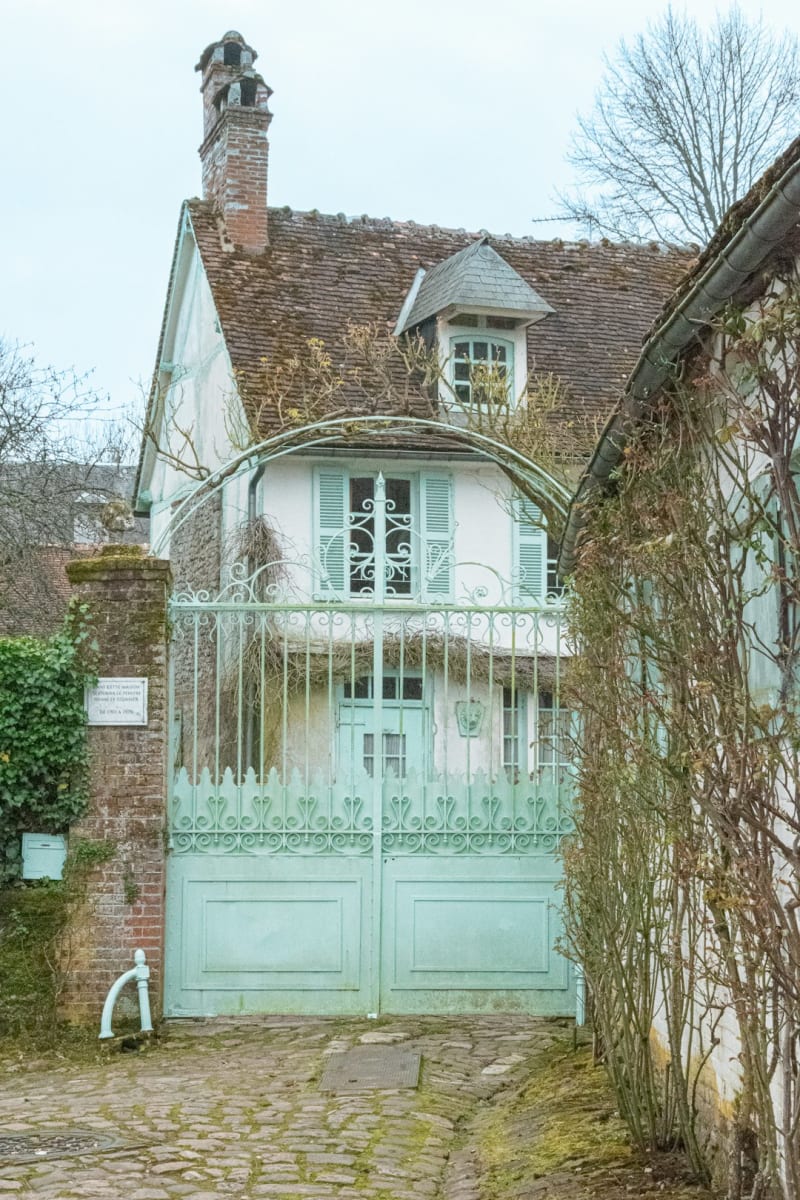
 Auvers-sur-Oise
The village where Van Gogh painted seventy canvases in seventy days and then died, and where the wheatfield he painted right before the end is still just... a wheatfield, which is somehow the whole point.
Explore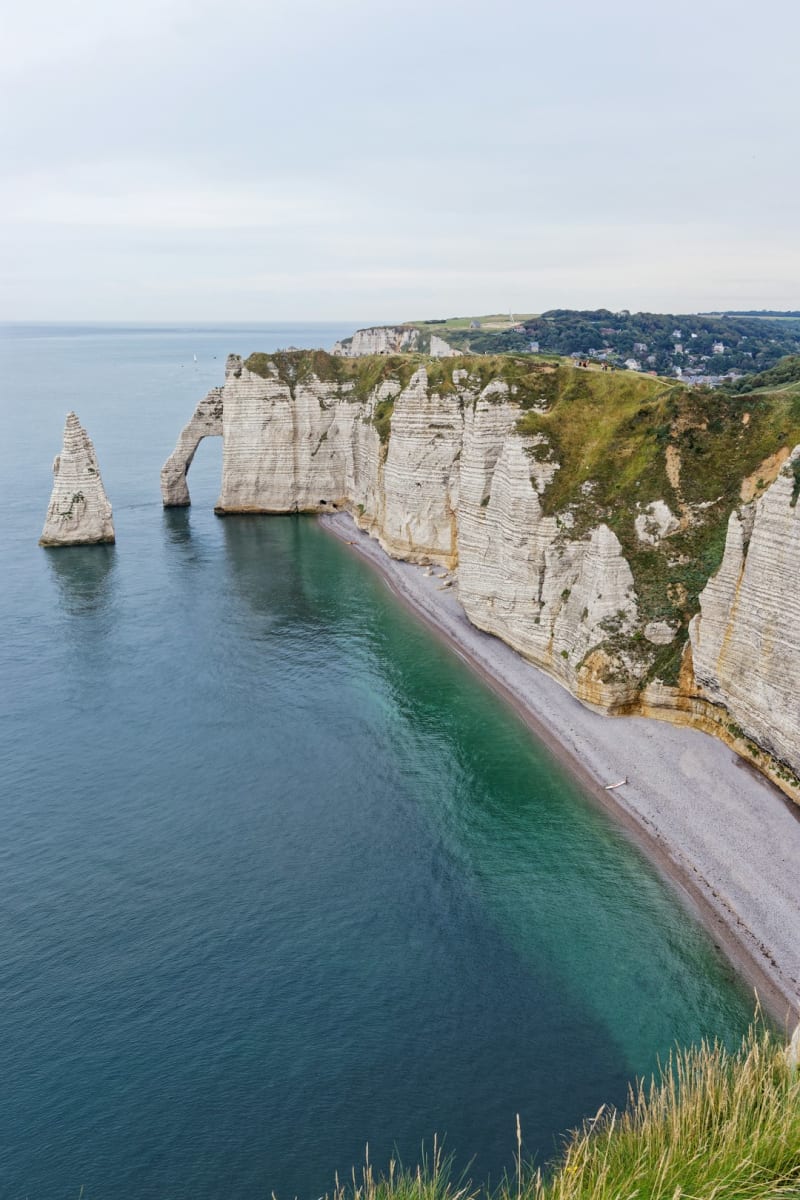 france
 Barbizon
The one street where an entire school of French painting was born, and where I still can't walk into a forest without thinking about how these guys taught the Impressionists to look at light.
Explore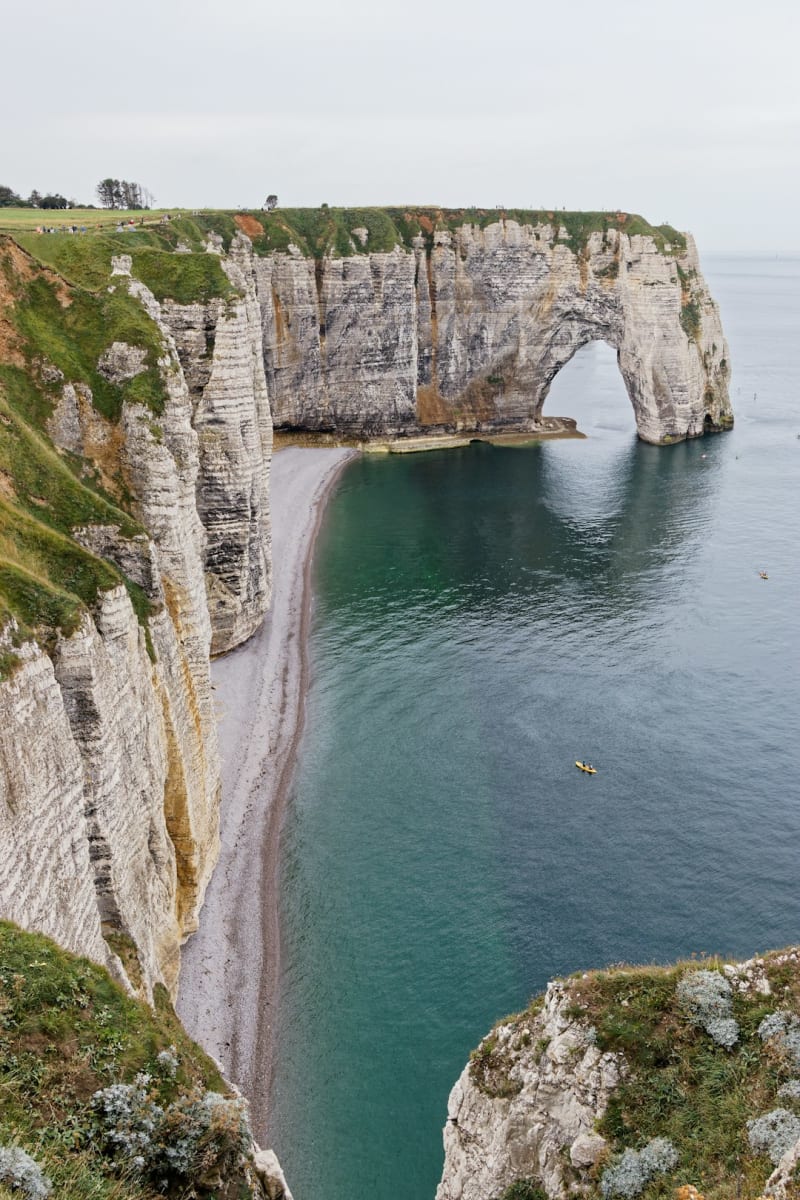 france
 Chartres
A cathedral whose blue stained glass I'd seen in a hundred textbook photos before I ever saw it in person, and which still made Lia go completely silent the moment we walked in.
Explore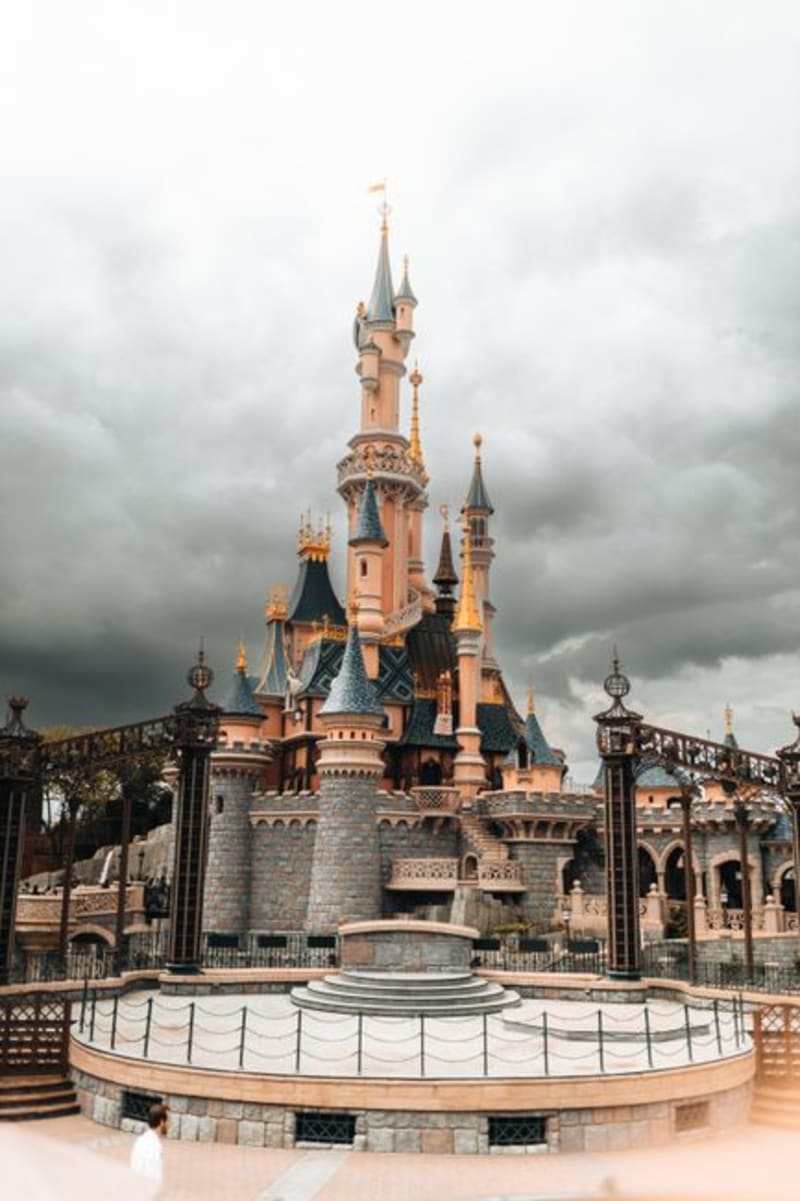 france
 Disneyland Paris
The one entry on this list that has nothing to do with châteaux or painters, and the one my niece asked about more than every other French destination combined the moment she heard we were going.
Explore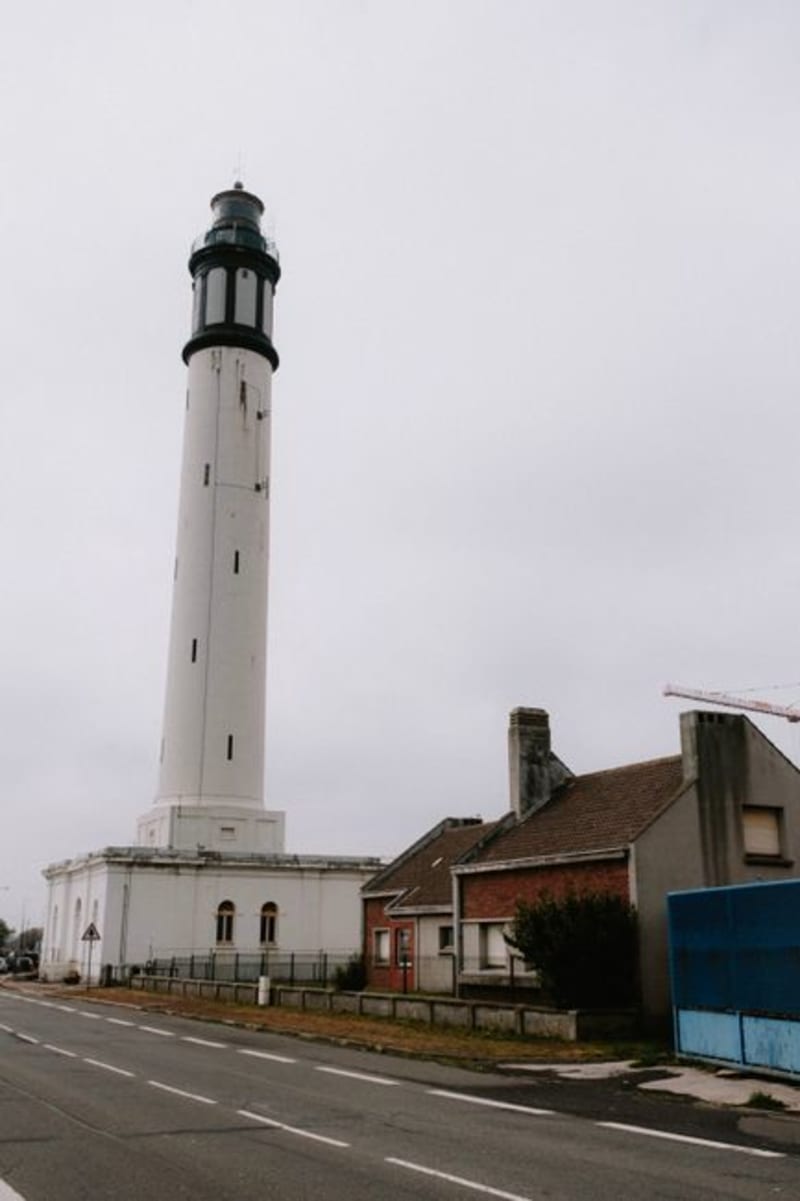 france
 Écouen
The Renaissance château almost nobody outside France seems to know about, sitting quietly north of the city with a museum of tapestries and armor that would be a major attraction anywhere else.
Explore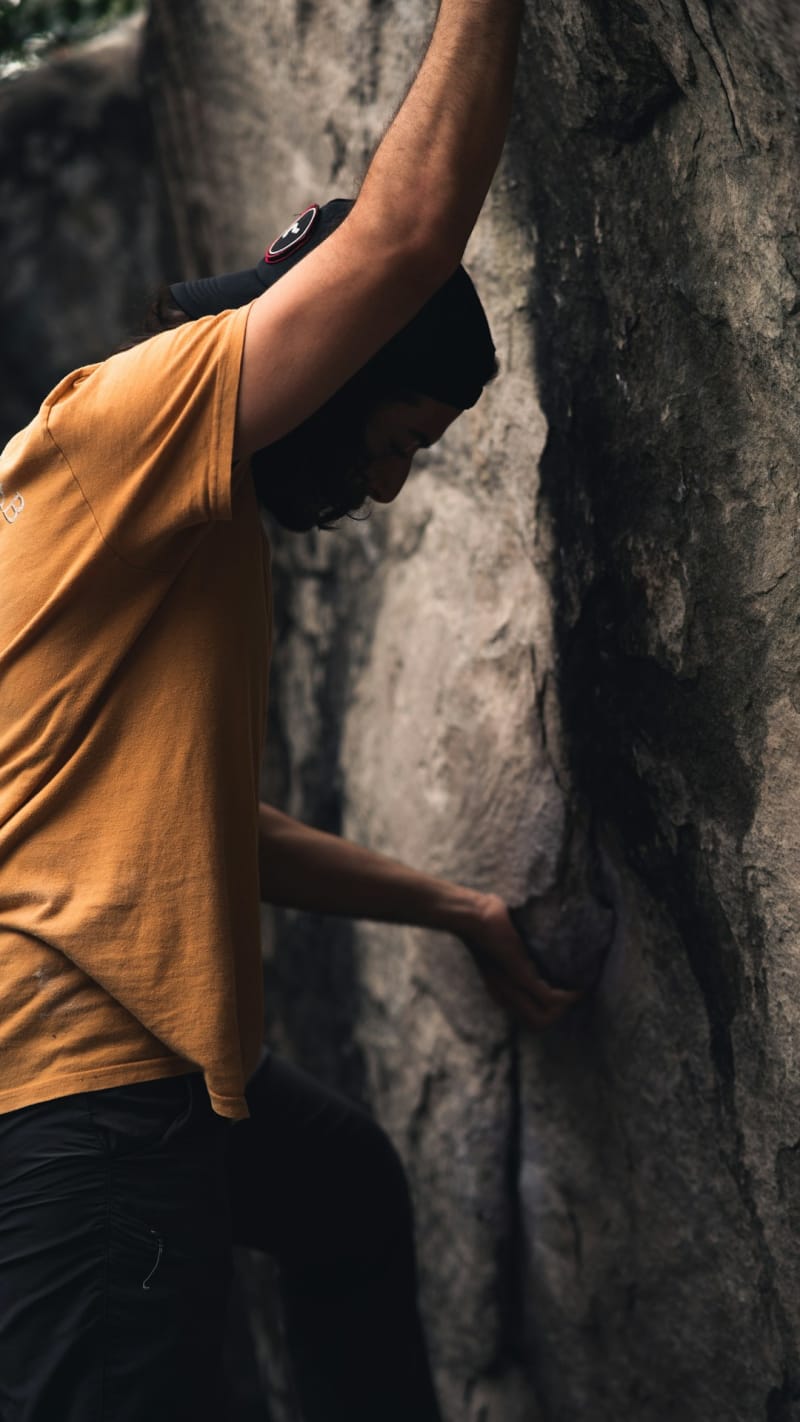 france
 Fontainebleau
A château I'd walked past for years as a kid without really looking at it, and a forest of sandstone boulders I only appreciated once I'd left France and started missing exactly this kind of quiet, scruffy wild space.
Explore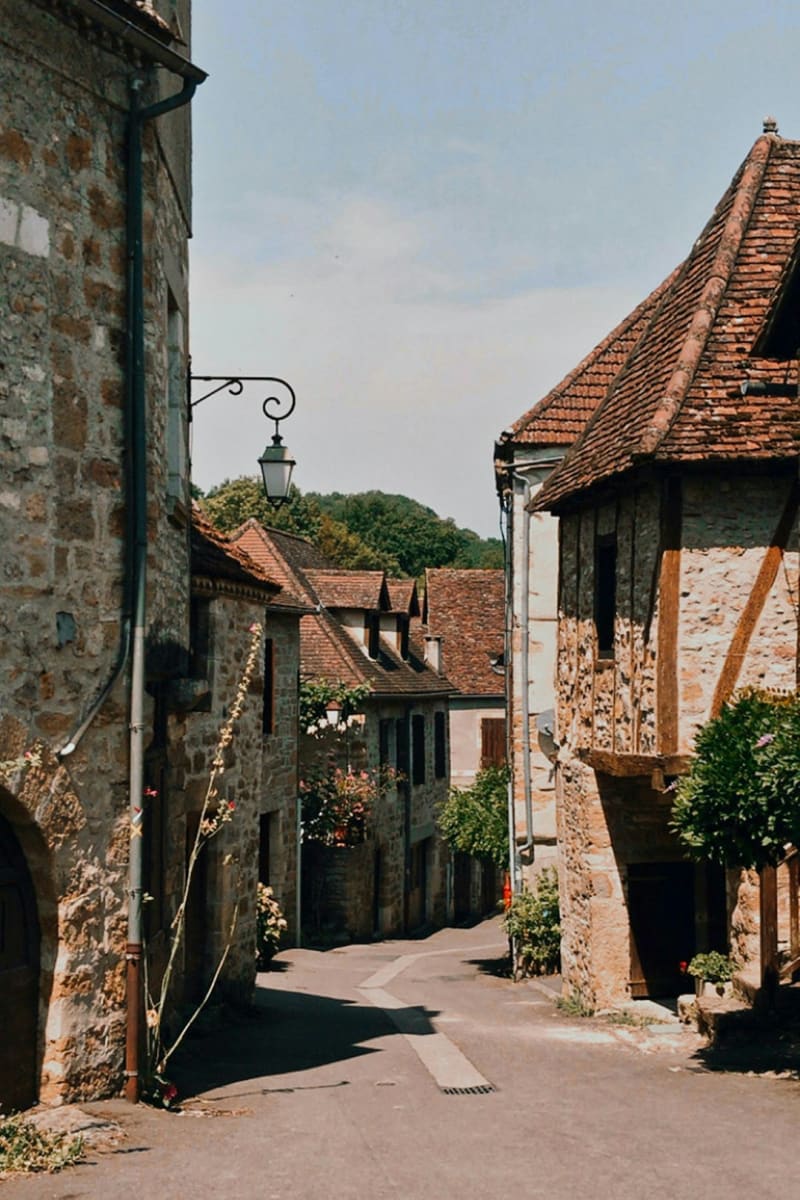 france
 Meaux
The town that gave the world Brie de Meaux, has a cathedral that trained the greatest preacher in French history, and turned out to be where one of the most decisive battles of the First World War happened.
Explore france
 Milly-la-Forêt
The village where Jean Cocteau spent his last years, painted a chapel by hand, and is buried under a stone that says he never left, which is exactly the kind of thing Cocteau would write about himself.
Explore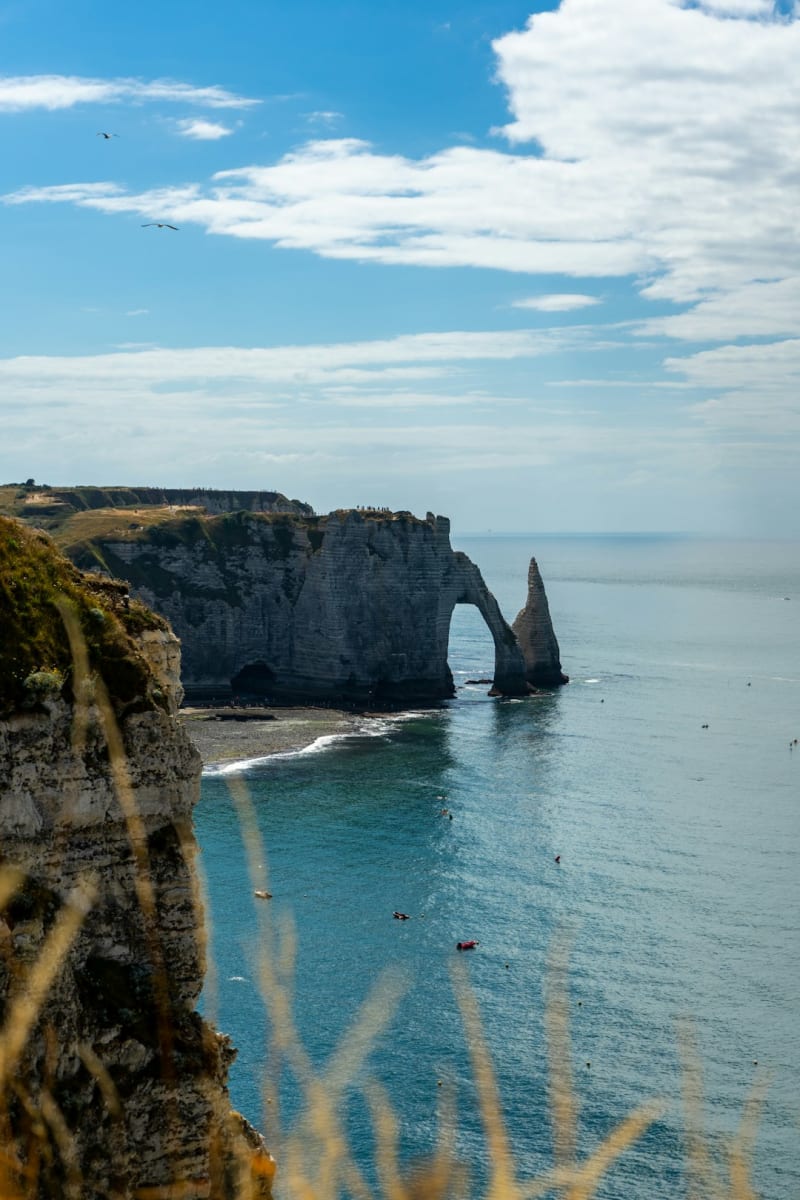 france
 Provins
A fortified medieval fair town most Parisians have never bothered to visit, which is exactly why Lia and I had entire stretches of its ramparts completely to ourselves.
Explore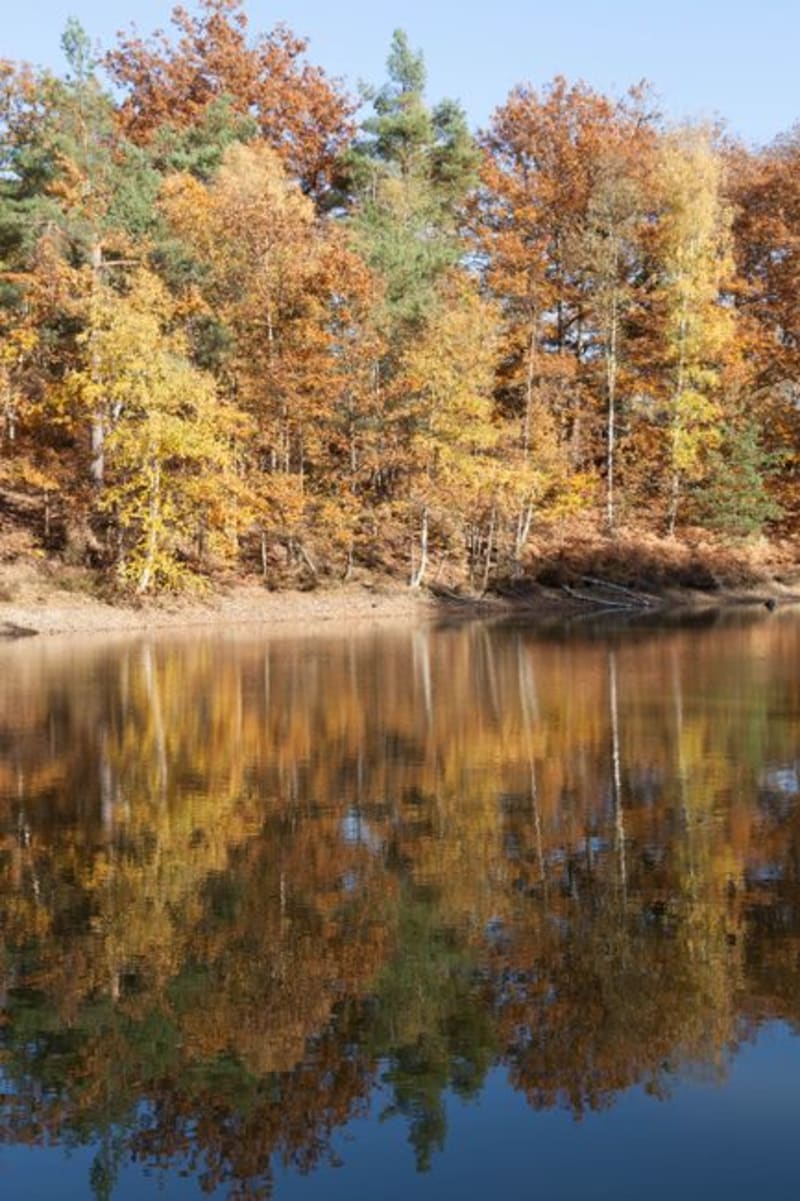 france
 Rambouillet
The château where French presidents used to spend their summers, and where the national sheepfold next door is somehow more interesting than the palace, which tells you something about this town.
Explore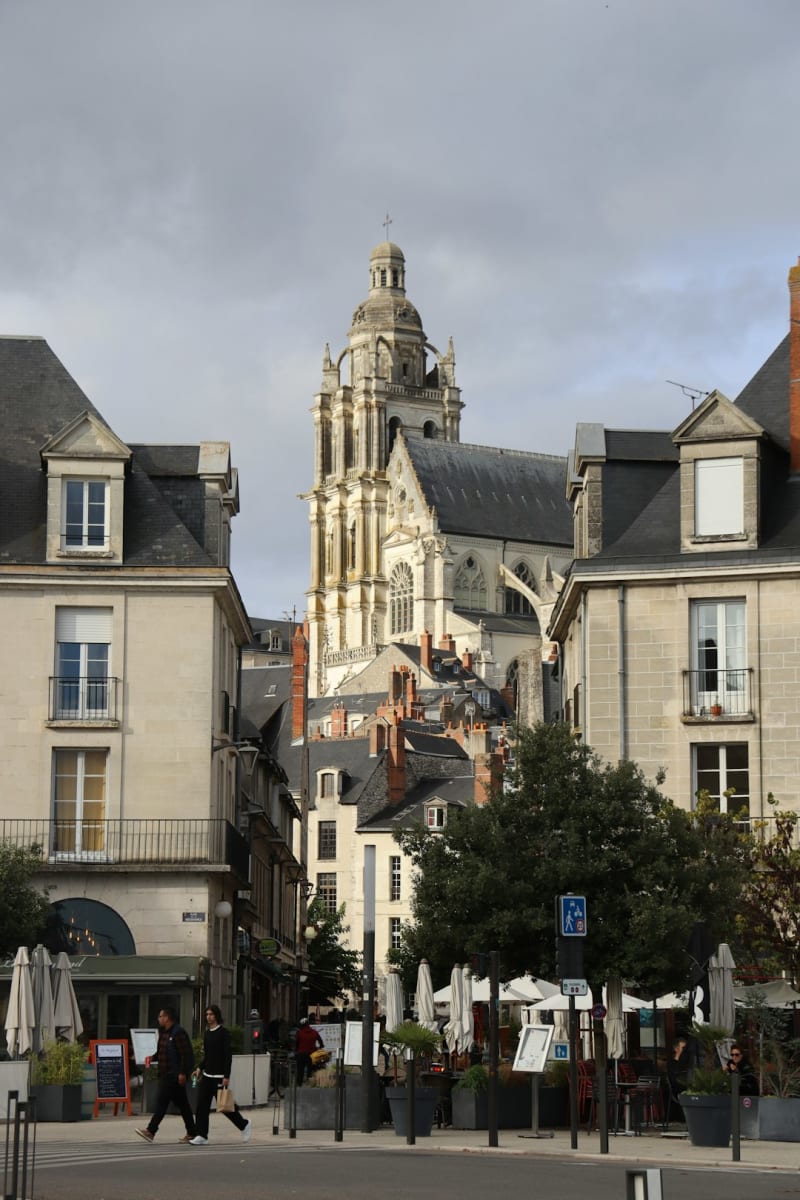 france
 Saint-Germain-en-Laye
The château where Louis XIV was born, twenty minutes from the Paris apartment I used to live near, and the town that finally made me understand what the Paris region looked like before it was all Paris.
Explore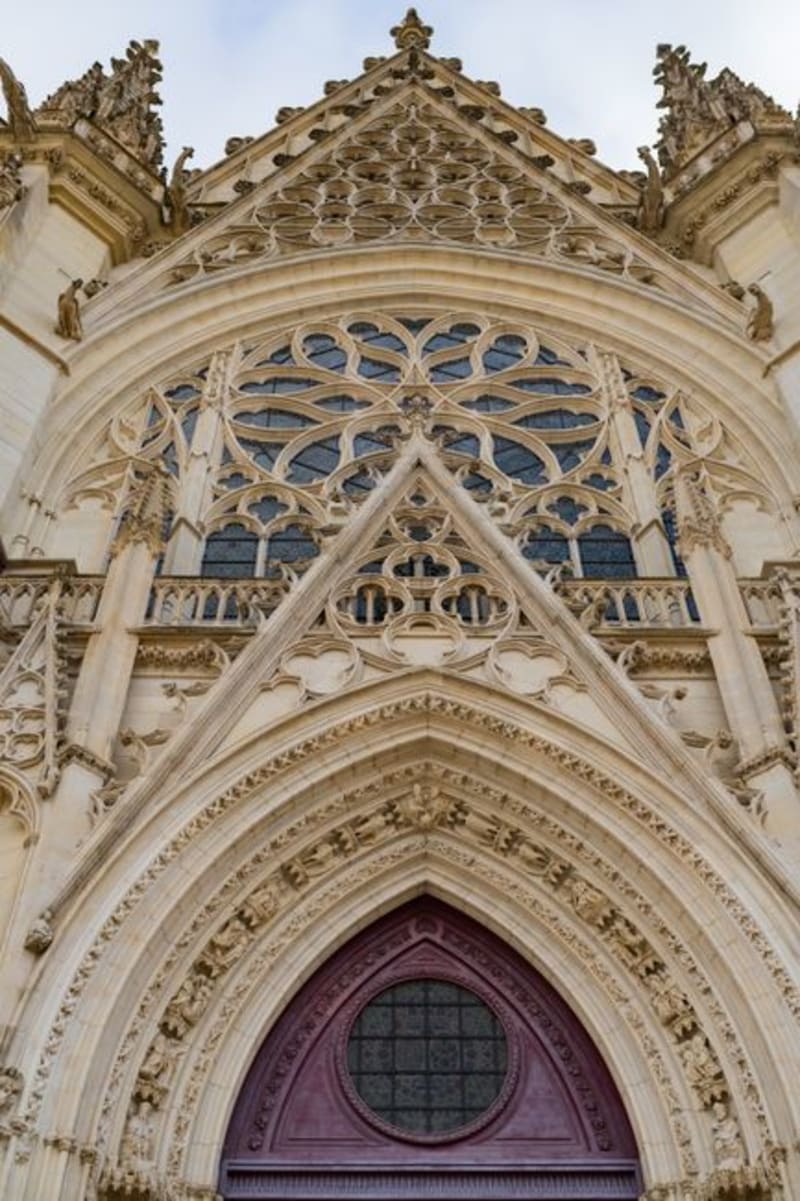 france
 Senlis
The walled Gallo-Roman town whose cathedral helped teach the builders of Notre-Dame how to build tall, and where French kings used to hunt in forests that are still standing.
Explore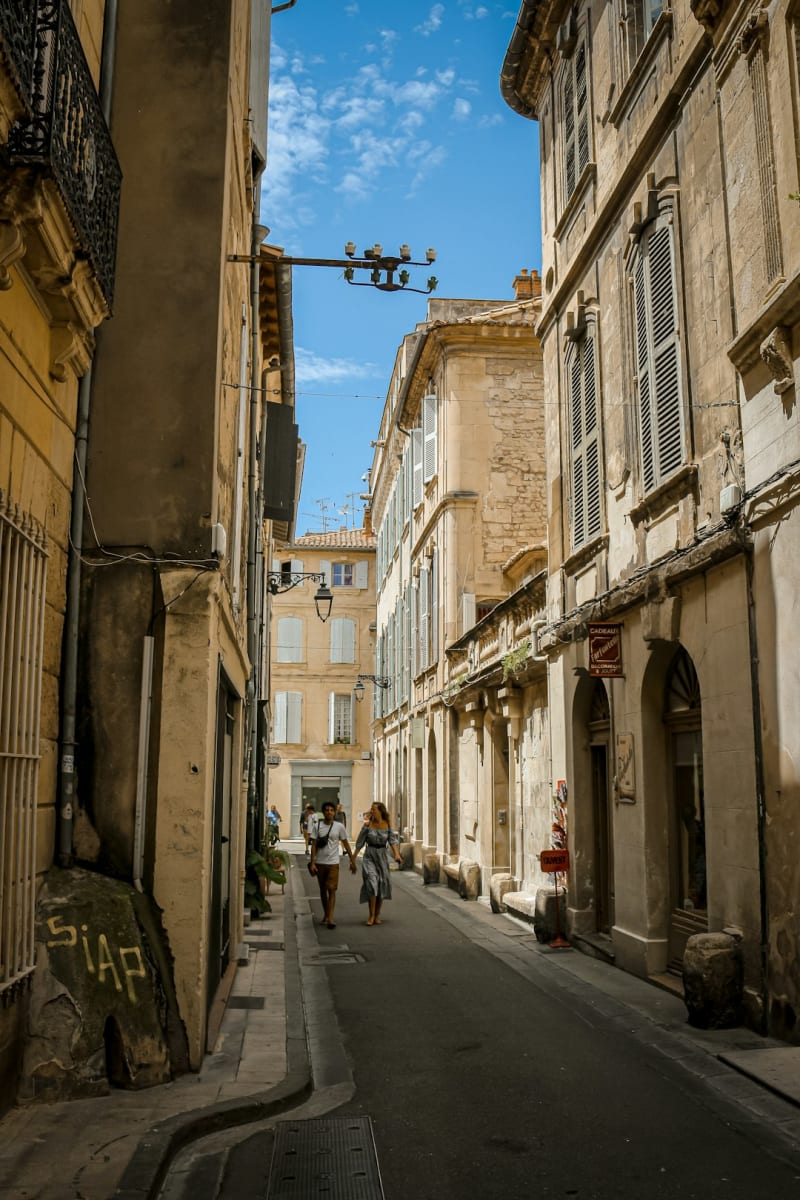 france
 Vaux-le-Vicomte
The château so beautiful it got its owner arrested, because Louis XIV took one look and decided nobody but him was allowed to live this well.
Explore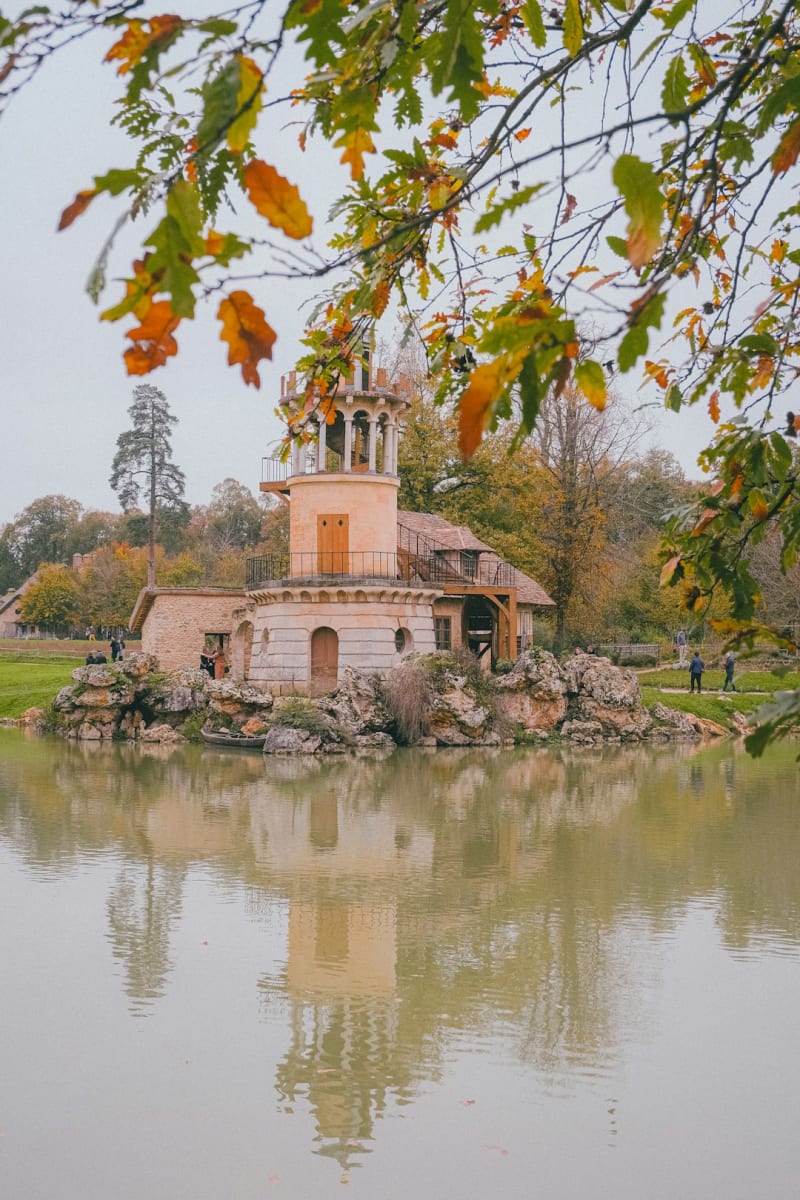 france
 Versailles
The palace my French history teachers made me memorize floor plans of as a kid, and which still managed to make me feel small the first time I actually stood in the Hall of Mirrors as an adult.
Explore