Senlis
"Notre-Dame in Paris gets all the attention. Its smaller cousin up here helped figure out how to build it."
The walled Gallo-Roman town whose cathedral helped teach the builders of Notre-Dame how to build tall, and where French kings used to hunt in forests that are still standing.
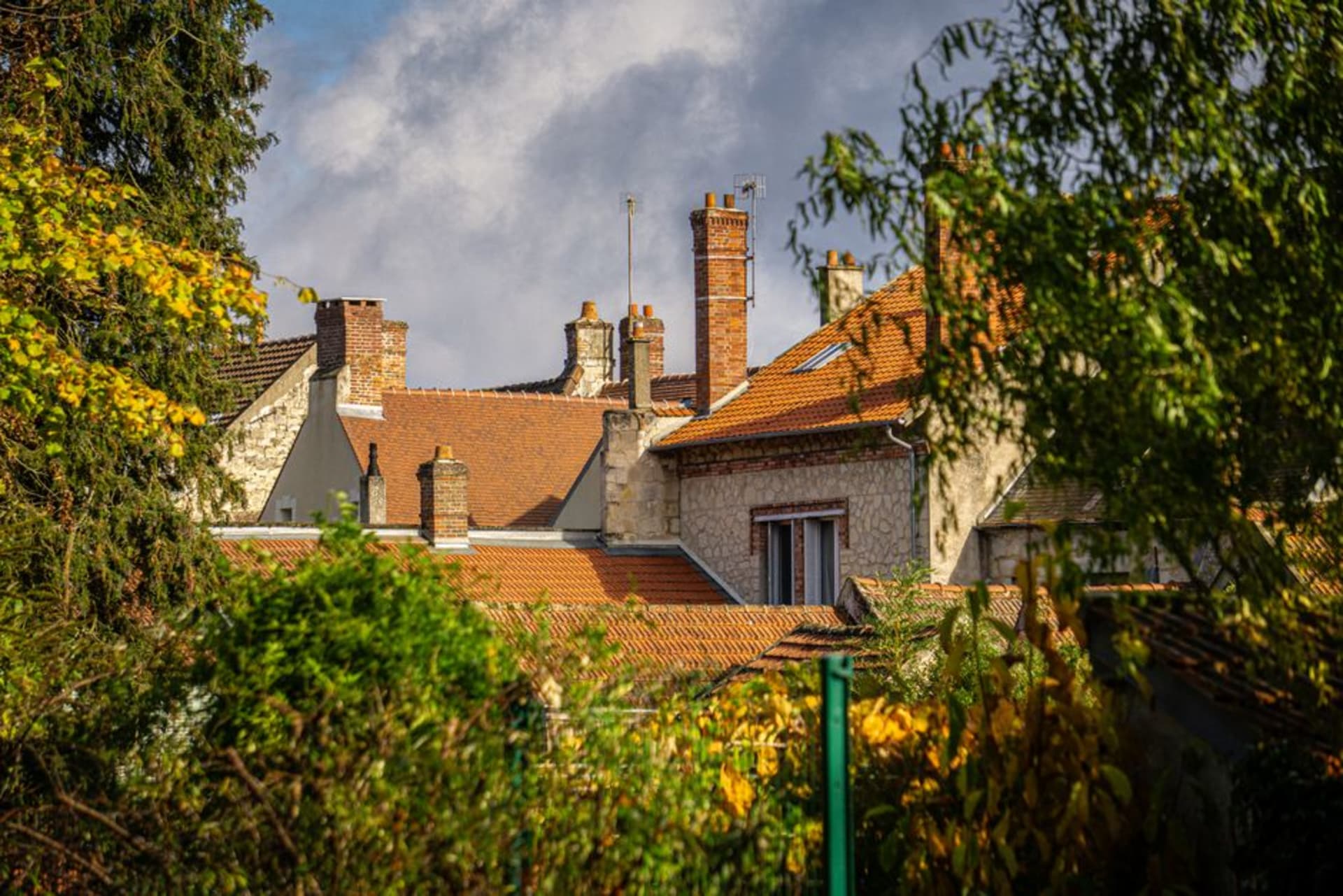
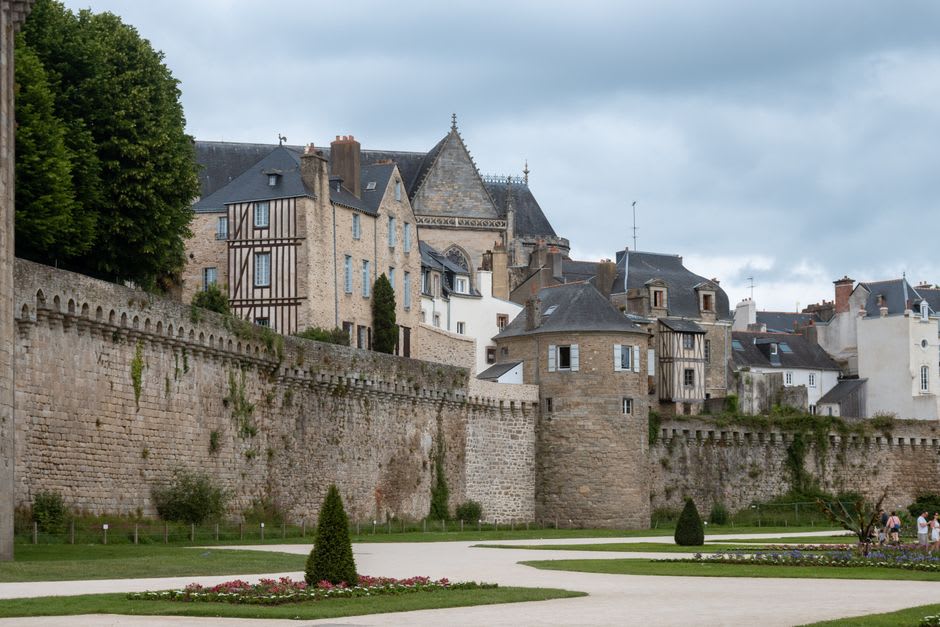
Senlis is close enough to Charles de Gaulle airport that most people fly directly over it without ever knowing it’s there, which is a genuine shame because it’s one of the more architecturally layered small towns within range of Paris. The town’s Gallo-Roman walls, built in the third century, still trace much of the old center’s perimeter, and you can walk sections of them directly, standing on stonework that predates almost every other structure in the region by a thousand years or more. Senlis was also, for centuries, a favored royal residence — Clovis was reportedly proclaimed king near here, and Hugh Capet, founder of the Capetian dynasty that would rule France for centuries, was elected king in Senlis in 987, an event that makes a reasonable case for the town as one of the quieter foundational sites of the French monarchy itself.
A cathedral ahead of its time
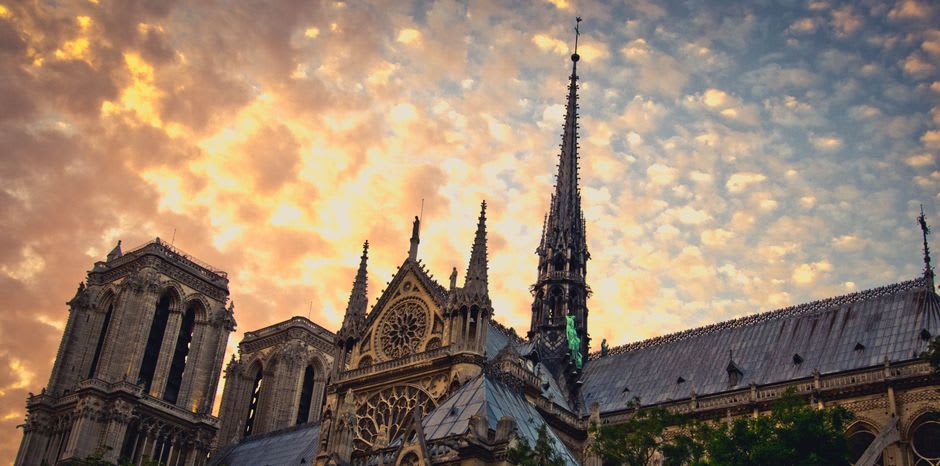
The Cathédrale Notre-Dame de Senlis, begun in 1153, predates or closely parallels the construction of Notre-Dame de Paris, and architectural historians generally agree the two projects influenced each other directly during the crucial early decades of Gothic architecture — Senlis’s soaring proportions and early flying buttresses were part of the same wave of experimentation that produced Paris’s more famous cathedral. Its spire, rebuilt after a fire in the sixteenth century, is genuinely striking, an intricate stone lantern tower that’s visible from well outside the town walls. Standing beneath it, I found myself doing the thing I always do at these lesser-known Gothic buildings — mentally subtracting the crowds and comparing scale to Chartres or Paris, and Senlis holds up better than its low profile would suggest.
Royal ruins and a hunting forest
Beside the cathedral, the ruins of the old royal château where French kings lodged when hunting in the surrounding forest are still partly standing, now incorporated into a small museum dedicated to the Chasse à Courre, the traditional French practice of hunting with hounds, a custom that persisted in the forests around Senlis and Chantilly for centuries and, controversially, still does in a reduced form today. The Forêt d’Halatte and Forêt de Chantilly, both within easy reach, were exactly the kind of dense royal hunting ground that made Senlis strategically valuable to the crown for so long. Lia and I walked the old walls at dusk, past half-timbered houses leaning at genuinely alarming angles, and the whole town had an unhurried, almost forgotten quality that felt earned rather than performed for tourists.
When to go: Come on a clear afternoon and stay through early evening — the walls and cathedral spire are at their best in the low, warm light before sunset, and Senlis empties out noticeably once day-trippers head back toward Paris.
Keep exploring
More of Paris