
Meaux
"I came for the cheese and left thinking about a battlefield, which is not a sentence I expected to write about a day trip forty minutes from Paris."
The town that gave the world Brie de Meaux, has a cathedral that trained the greatest preacher in French history, and turned out to be where one of the most decisive battles of the First World War happened.
Meaux is one of those Paris day trips that ends up feeling like three separate destinations stacked on top of each other, none of which I’d fully connected before actually going. It’s the birthplace, more or less, of Brie de Meaux, the AOP-protected cheese that’s arguably the original brie and still made by producers in the surrounding countryside using unpasteurized cow’s milk and a specific aging process. It’s also a cathedral town with genuine literary weight, and it turns out to sit at the center of one of the pivotal engagements of the First World War. I’d expected a pleasant lunch stop. I left having rearranged how I thought about the whole region.
Cheese, market halls, and a genuine AOP
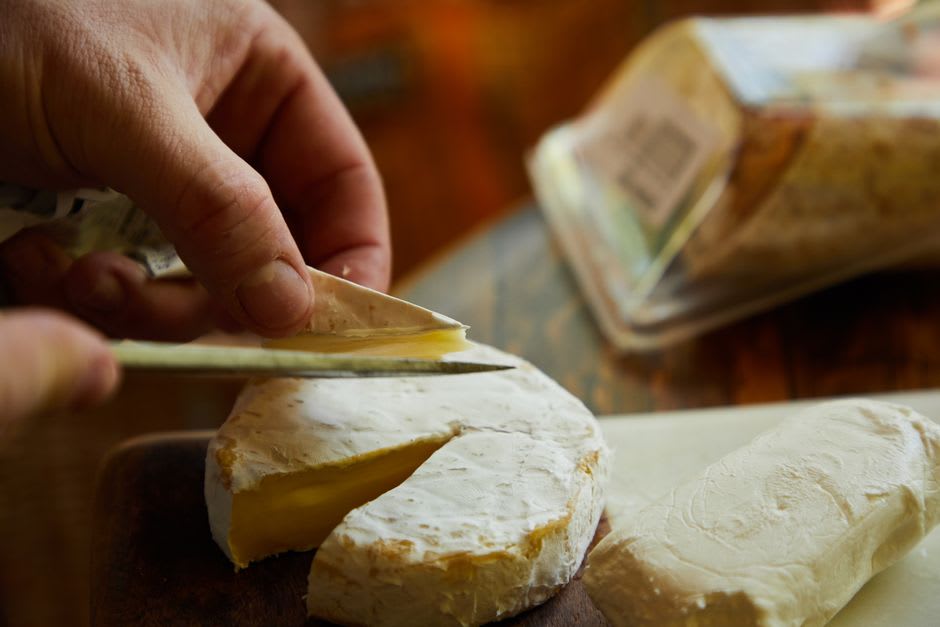
The Marché de Meaux, held Saturday mornings in the shadow of the cathedral, is one of the better regional food markets within easy reach of Paris, and it’s the place to actually taste the difference between supermarket brie and the real, wheel-cut, still-runny AOP version, ideally paired with a loaf from one of the stalls and eaten on a bench by the Marne. Lia, who grew up mildly suspicious of overripe cheese, came around entirely to Brie de Meaux after one taste at the market, which felt like a small personal victory on my part even though I’d contributed nothing beyond suggesting we go.
Bossuet’s cathedral and a battlefield museum
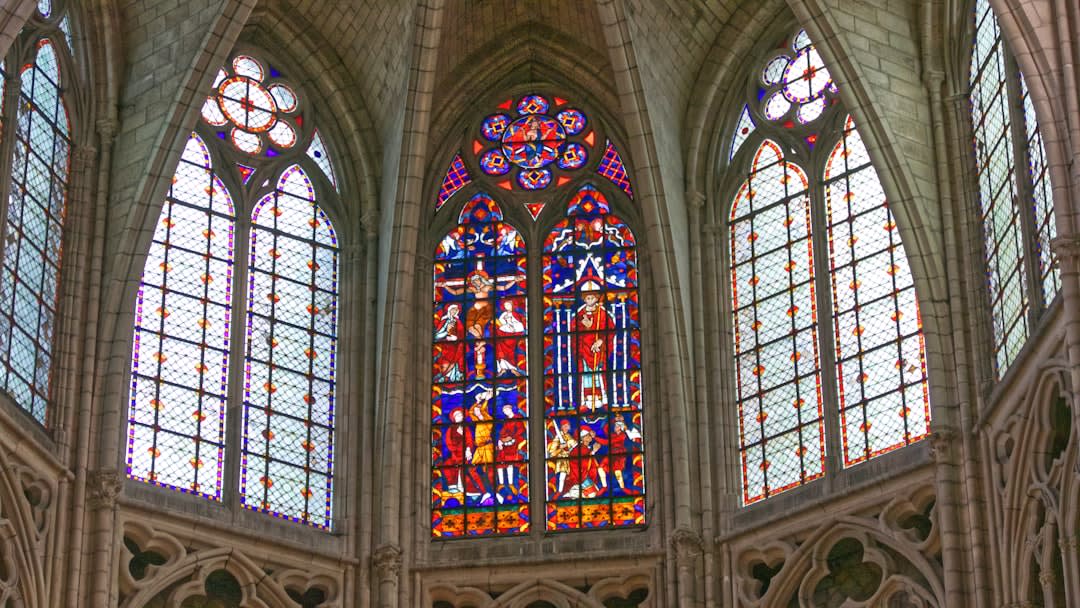
The Cathédrale Saint-Étienne de Meaux is a genuinely impressive, if slightly lopsided, Gothic building — one of its towers was never completed, giving it an oddly asymmetrical silhouette that somehow doesn’t undercut its scale. Jacques-Bénigne Bossuet, the great court preacher and one of the most influential orators in French religious and literary history, served as bishop here from 1681 until his death in 1704, and the adjoining Musée Bossuet, housed in the old episcopal palace, covers both his career and the surrounding gardens he had laid out. What I hadn’t expected was the Musée de la Grande Guerre a short walk away, a large, well-designed museum built specifically because Meaux sat at the heart of the First Battle of the Marne in September 1914, where French and British forces halted the German advance roughly forty kilometers from Paris — a battle that arguably determined the entire subsequent shape of the war. Standing in the galleries, looking at trench maps overlaid on towns we’d just driven through to get here, made the abstraction of “the Marne” suddenly very specific and very local.
When to go: Come on a Saturday morning for the market at full swing, and budget at least two hours for the Musée de la Grande Guerre — it’s more comprehensive than its modest reputation as a regional museum suggests.
Keep exploring
More of Paris