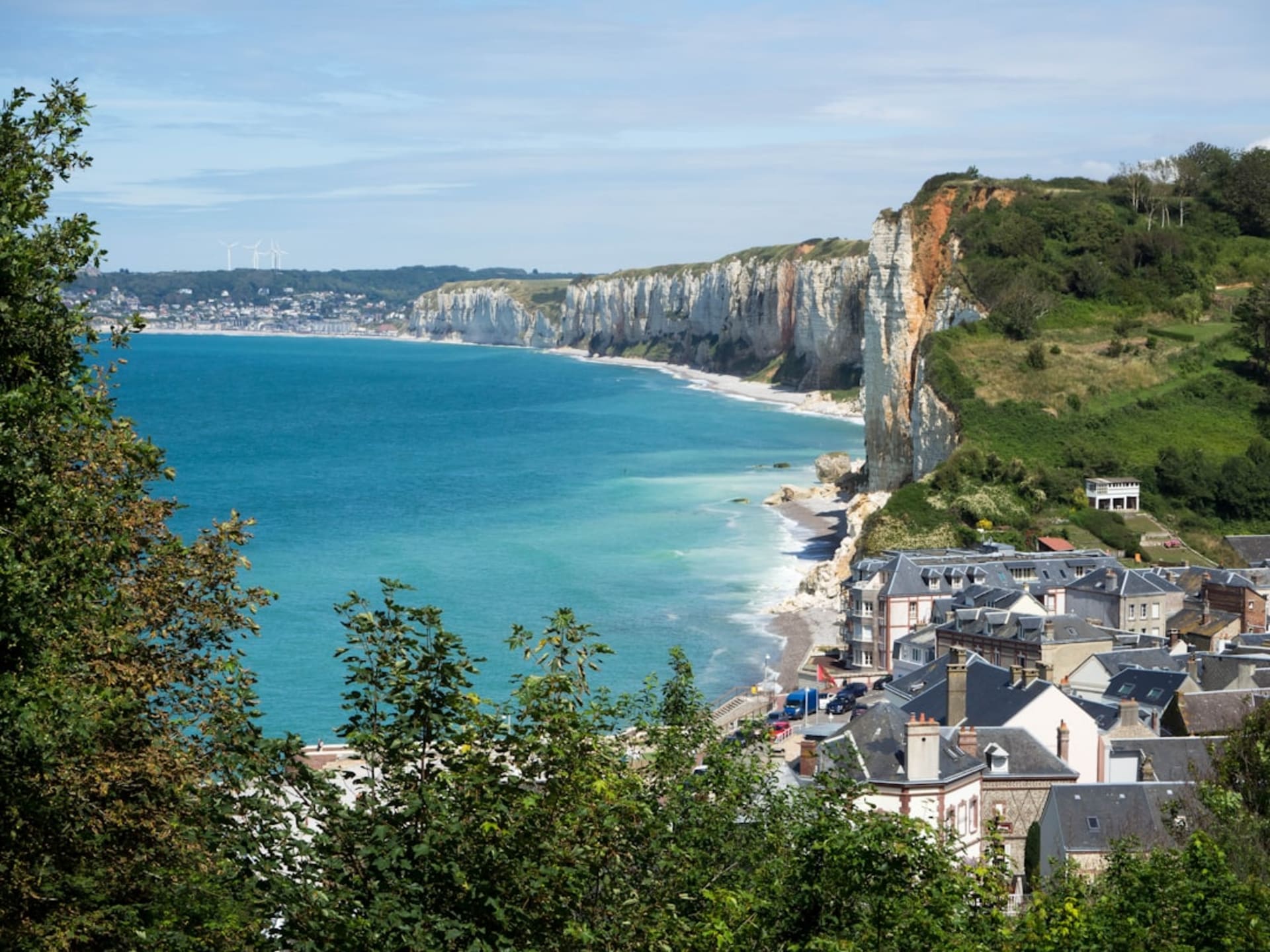
Auvers-sur-Oise
"I stood in the field from his last painting and felt nothing profound happen, which is exactly why I couldn't stop thinking about it on the train home."
The village where Van Gogh painted seventy canvases in seventy days and then died, and where the wheatfield he painted right before the end is still just... a wheatfield, which is somehow the whole point.
Auvers-sur-Oise is about forty minutes north of Paris by train, a quiet village on a bend of the Oise river that would probably be a completely unremarkable day trip if Vincent van Gogh hadn’t spent the final seventy days of his life here and, in that short window, painted somewhere around seventy works. He came to Auvers in May 1890 to be near Dr. Paul Gachet, a homeopathic physician with a private interest in art who was looking after him following his breakdown in Provence, and he died here two months later after shooting himself in a wheatfield, dying two days afterward in the small room he rented above the Auberge Ravoux. I went in on a grey, overcast afternoon, which I later realized was probably the most accurate weather for the place — Auvers doesn’t perform its history for you the way some literary or artistic pilgrimage sites do. It just sits there, quietly, being itself, and you have to bring the context with you.
The room above the Auberge Ravoux
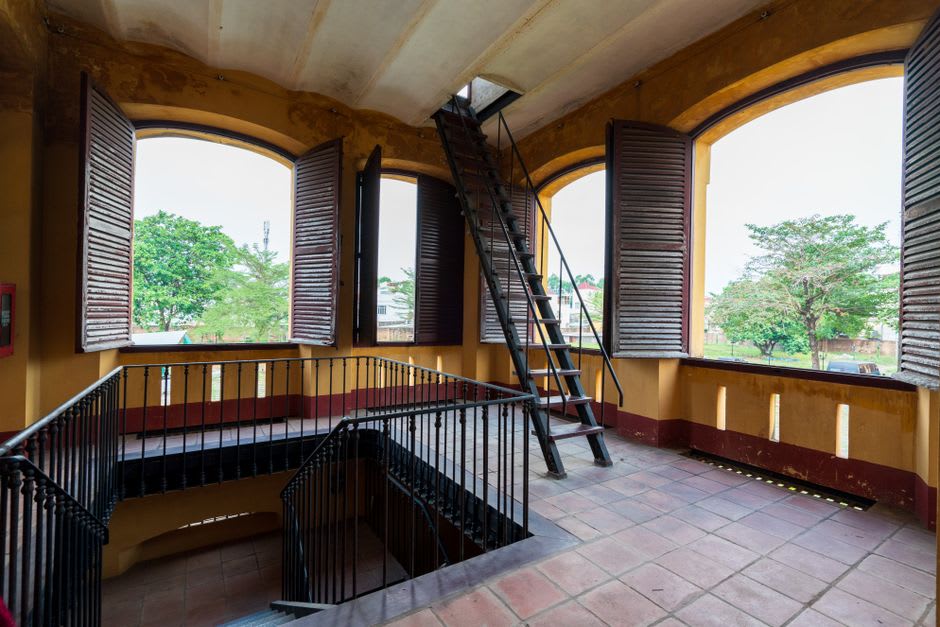
The inn where Van Gogh boarded, the Auberge Ravoux, still exists and his tiny attic room — no bigger than a closet, sloped ceiling, one small window — is preserved exactly as it was, deliberately left unfurnished because nothing survives from his actual occupancy and the owners decided a recreation would be dishonest. It’s one of the more affecting empty rooms I’ve stood in. Downstairs, the restaurant still serves meals, and eating there afterward, in a dining room he would have walked through daily, does something strange to how you process the rest of the visit. Lia, more of a details person than me, pointed out that the visitor’s log book near the entrance stretches back generations, filled with people who clearly felt exactly what we did.
The wheatfield and the grave
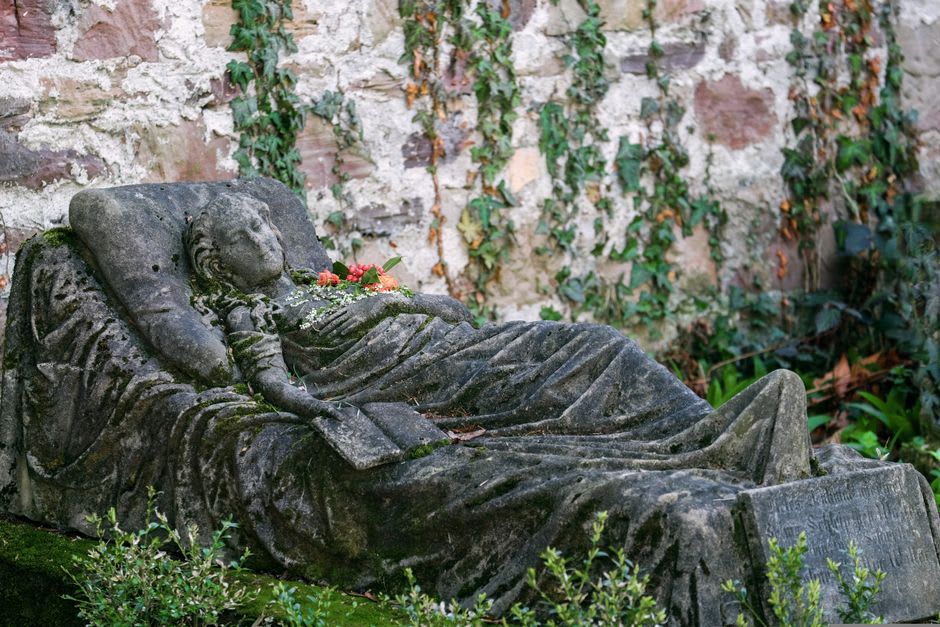
A short walk up from the village center, past Dr. Gachet’s house, is the wheatfield with crows — or a version of it, since the exact plot is debated — that Van Gogh painted in one of his final works, a canvas that art historians have long read as a kind of premonition, correctly or not. It’s still an active wheatfield, still bordered by that same low, wide sky, and the effect of standing there is oddly deflating in the best way: it’s just a field. Nothing marks it as special except the painting. From there we walked to the small municipal cemetery where Vincent and his brother Theo, who died six months later and was reburied beside him, lie under simple ivy-covered graves side by side, no separation in death that there wasn’t in life.
When to go: Visit in late June or July if you want the wheatfield gold and full, closest to how Van Gogh actually painted it, though the village itself is worth an off-season, quieter visit too — it’s not a place that needs sunshine to land.
Keep exploring
More of Paris