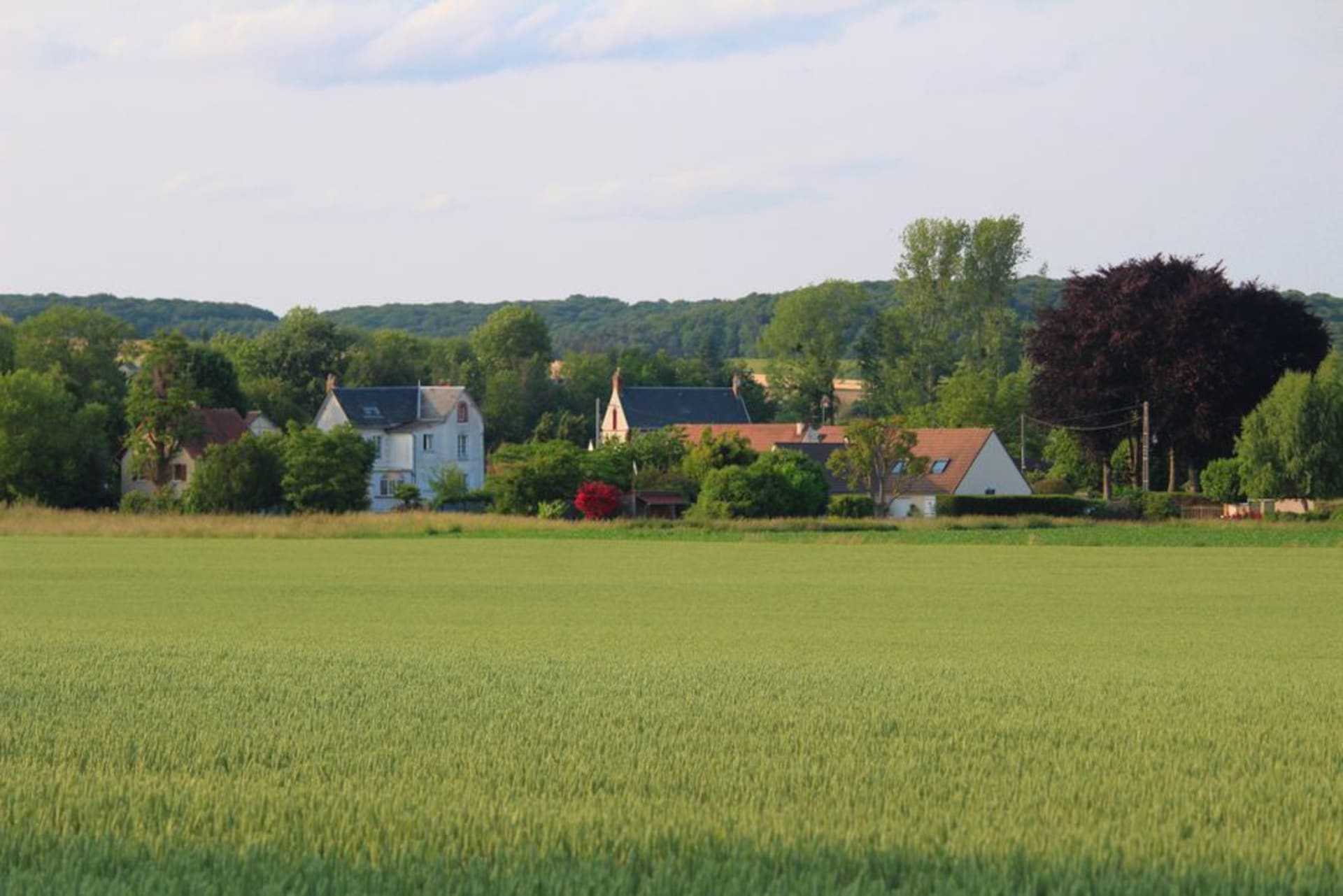
Écouen
"I asked three Parisian friends if they'd been to Écouen. None of them had even heard of it."
The Renaissance château almost nobody outside France seems to know about, sitting quietly north of the city with a museum of tapestries and armor that would be a major attraction anywhere else.
Écouen is one of those places that makes me suspicious of how uneven fame is among French historical sites, because the Château d’Écouen, twenty minutes north of Paris on a direct train from the Gare du Nord, is a genuinely major work of French Renaissance architecture and now houses the Musée National de la Renaissance, and yet it barely registers on most visitors’ radar. It was built between 1538 and 1555 for Anne de Montmorency, Constable of France and one of the most powerful nobles of his era, by architects working in close dialogue with the Italian Renaissance style Francis I had been importing into France. Standing in front of its long, symmetrical facade, still surrounded by its dry moat, I kept thinking about how this building would anchor an entire region’s tourism industry if it existed almost anywhere outside the immediate gravitational pull of Paris and Versailles.
A museum built for tapestries and unicorns
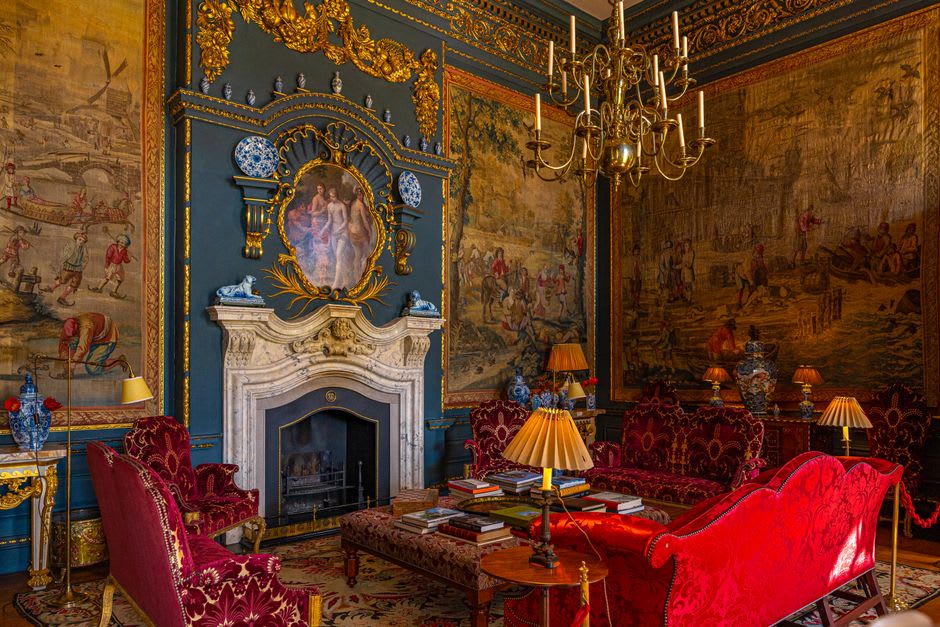
The museum inside is organized specifically around decorative arts of the sixteenth century, and its standout holding is a monumental set of tapestries depicting the legend of David and Bathsheba, woven in wool, silk, and gold thread, that stretch across an entire gallery wall in colors still startlingly vivid five centuries later. Elsewhere, the collection includes suits of parade armor, early printed books, and — the piece that actually got Lia excited enough to backtrack through two rooms — fragments and related works connected to the unicorn-hunt tapestry tradition, the same visual and symbolic world as the famous Lady and the Unicorn cycle now in the Musée de Cluny in Paris. Seeing that iconography here, in a genuinely Renaissance interior rather than a modern museum installation, changes how those hunting scenes read; you understand them as decoration for actual lived rooms rather than isolated masterpieces.
The chapel and the forest at its back
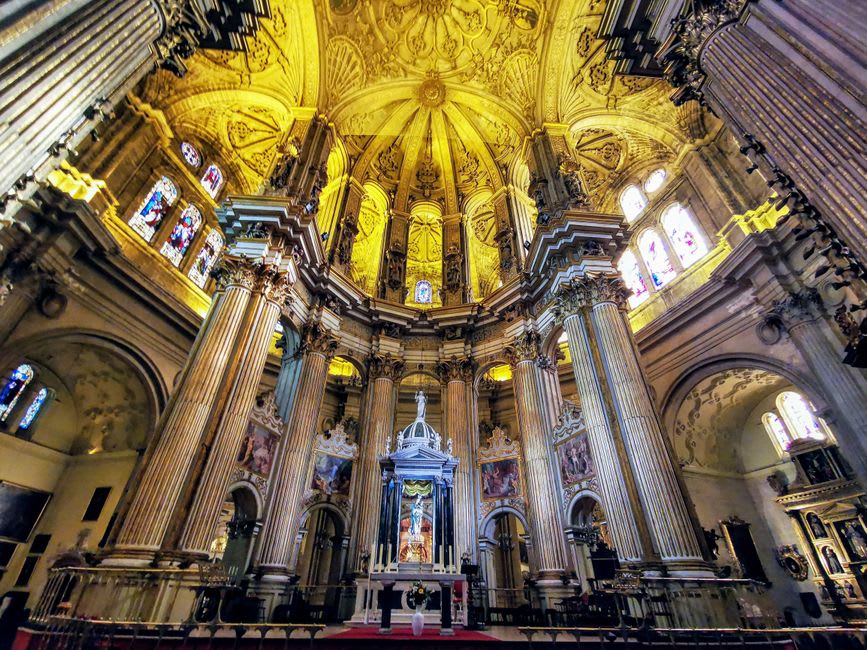
The château’s chapel, built into one corner of the building, has an extraordinary painted and gilded ceiling and a rare, intact set of stained glass windows from the original construction, one of the better-preserved Renaissance chapel interiors I’ve come across outside the Loire valley châteaux. Stepping back outside afterward, the forest of Écouen spreads out immediately behind the château, offering short, easy walking loops that most day-trippers skip entirely in favor of heading straight back to the station. We took maybe forty minutes on one of the shorter trails, mostly because we had a train to catch, and it was enough to confirm this deserves to be a fuller day rather than a rushed half-day detour.
When to go: Weekday mornings give you the tapestry galleries essentially to yourself; the château is easily combined with Senlis or Saint-Germain-en-Laye if you want to build a fuller Renaissance-focused day north of Paris.
Keep exploring
More of Paris