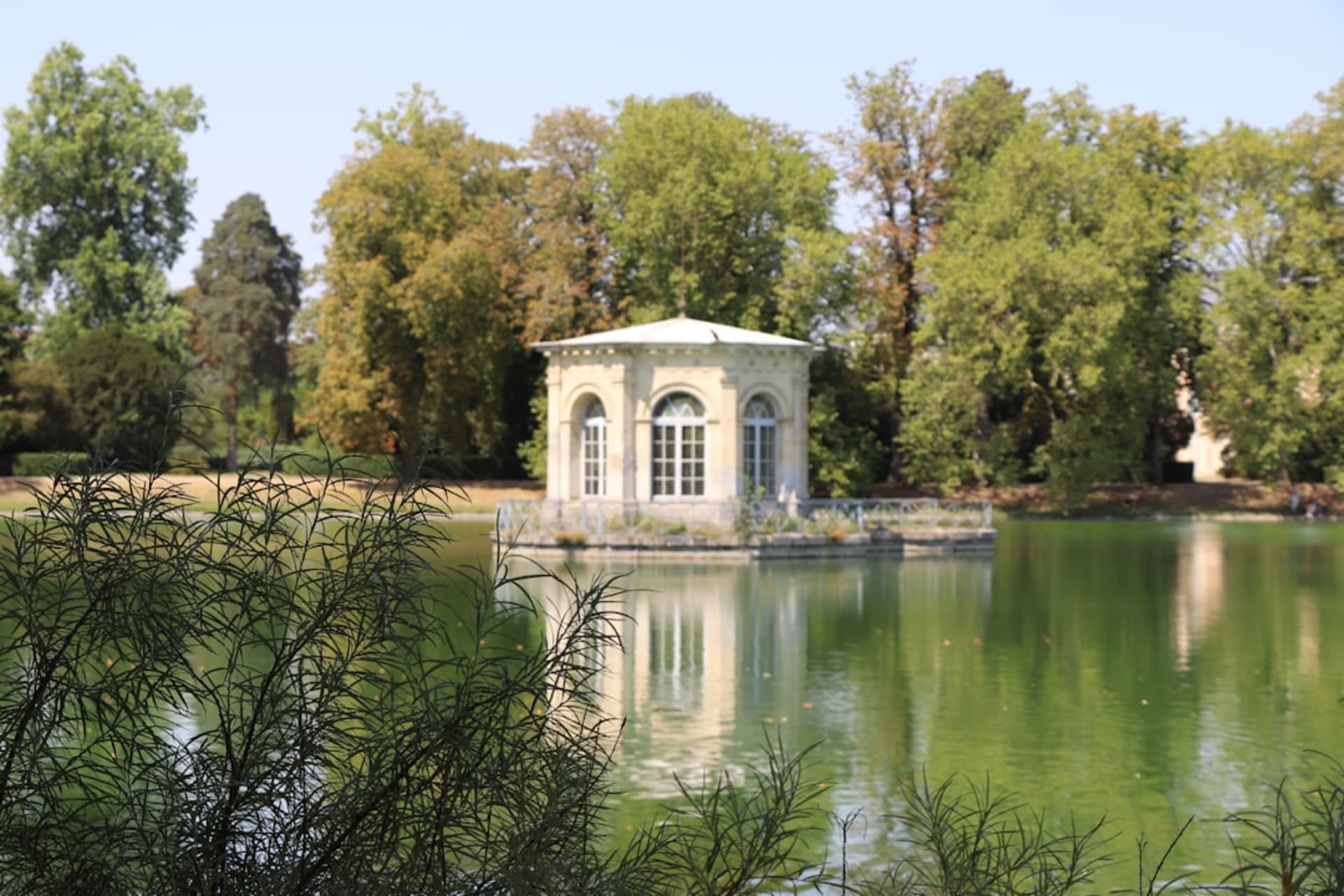
Fontainebleau
"Versailles is where French kings performed power. Fontainebleau is where they actually seemed to live."
A château I'd walked past for years as a kid without really looking at it, and a forest of sandstone boulders I only appreciated once I'd left France and started missing exactly this kind of quiet, scruffy wild space.
Fontainebleau sits about an hour southeast of Paris by train, and I always feel a bit defensive on its behalf, because it spends its whole existence in the shadow of Versailles despite being, in some ways, the more interesting of the two. Where Versailles was built from nothing as a statement, Fontainebleau grew organically over eight centuries, with nearly every French monarch from the Middle Ages onward adding a wing, a garden, or a gallery to a hunting lodge that eventually became one of the largest royal residences in the country. Lia and I went on a grey autumn weekend, more for the forest than the château if I’m honest, and came away liking both more than expected.
A palace built by everyone, and the room where an empire actually ended
The horseshoe-shaped staircase in the main courtyard is the image most people know, mostly because it’s where Napoleon Bonaparte formally abdicated in 1814 before going into exile on Elba, delivering his farewell address to what remained of his Imperial Guard from those very steps. Inside, the François I Gallery is the château’s other great set piece — a long, richly decorated corridor built in the 1530s that essentially imported the Italian Renaissance into France, its frescoes and stucco work done by artists François I brought over from Italy specifically because nothing like it existed north of the Alps yet. Napoleon’s own throne room is preserved almost exactly as he left it, red velvet and gold eagles, and it’s a strange thing to stand in a room a French emperor actually used daily rather than one built purely for show. Because the château evolved over so many reigns, walking through it feels less like touring a museum and more like reading eight centuries of additions layered on top of each other.

The forest that made French climbers who they are
What I actually wanted to show Lia was the forest. The Forêt de Fontainebleau surrounds the town on nearly every side, twenty-five thousand hectares of oak, pine, and birch scattered with sandstone boulders that have made it, almost by accident, the birthplace of modern bouldering — climbers have been working these rocks since the early twentieth century, and the grading system much of the sport still uses worldwide originated right here. You don’t need to climb to enjoy it; there are marked hiking trails threading between the boulder fields at spots like Bas Cuvier and Apremont, and we spent an afternoon just scrambling over low rocks and getting genuinely lost on sandy paths that all look identical after the first kilometre. It rained on and off the whole time, which somehow made the forest feel more like itself — damp sandstone, wet pine smell, the kind of unglamorous outdoor afternoon that reminded me why I missed French forests more than French monuments once I moved away.
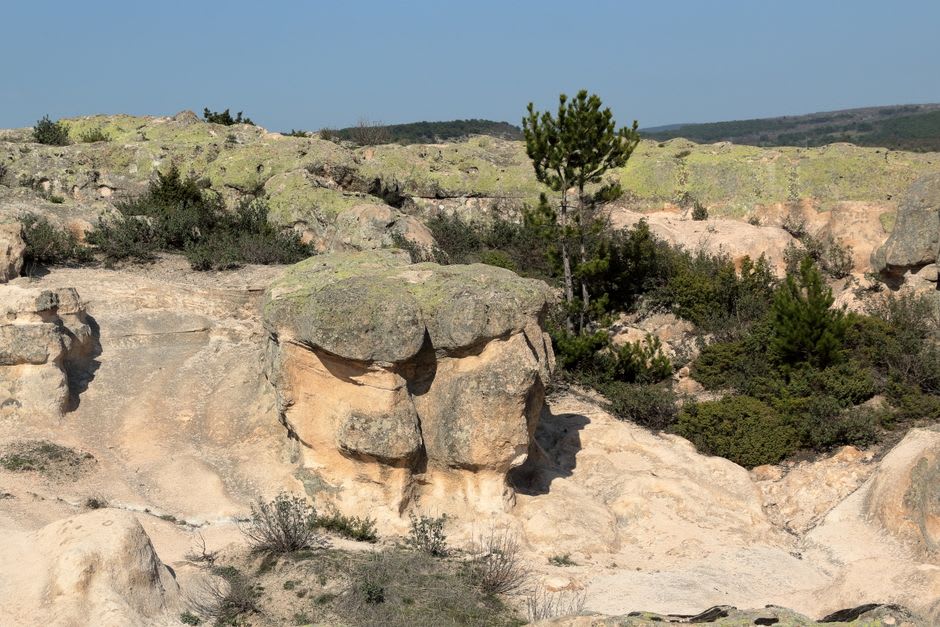
When to go: Visit in autumn for the forest colour and cooler hiking weather, or spring if you want fewer crowds inside the château itself, which sees a fraction of the visitors Versailles does even in high season. If you plan to boulder or hike seriously, pick up a proper trail map in town first — the forest’s paths are notoriously easy to lose track of.
Keep exploring
More of Paris