Barbizon
"Millet painted peasants in a field here and, without meaning to, invented half of what came after him."
The one street where an entire school of French painting was born, and where I still can't walk into a forest without thinking about how these guys taught the Impressionists to look at light.
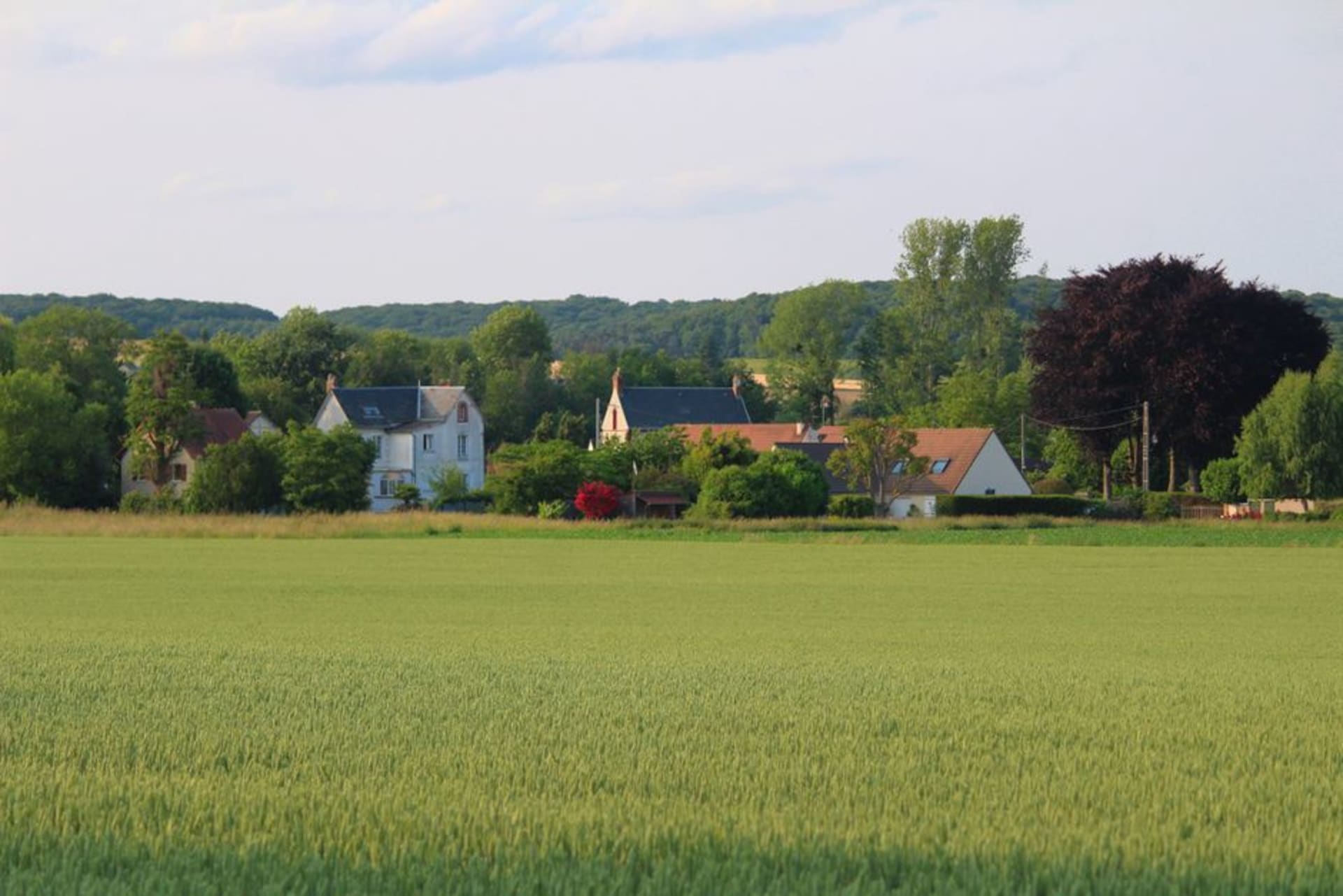
Barbizon is essentially one long street, the Grande Rue, running along the edge of the Fontainebleau forest about an hour south of Paris, and for a village that small it has an outsized claim on art history. In the 1830s a group of painters — Théodore Rousseau, Jean-François Millet, Charles-François Daubigny among them — started coming out here to paint the forest and the surrounding farmland directly from life instead of composing idealized landscapes back in a Paris studio. That sounds like a small shift. It wasn’t. The Barbizon School’s insistence on painting what was actually in front of them, in the actual light of the actual day, is the direct ancestor of everything the Impressionists did a generation later. I’d read about this before ever going, in the abstract, art-history-class way you read about most movements. Standing on the Grande Rue itself made it concrete in a way I wasn’t expecting — it’s a genuinely small place, and you can see, physically, how a handful of painters renting rooms on the same short street could talk each other into a whole new way of seeing.
The street where it happened
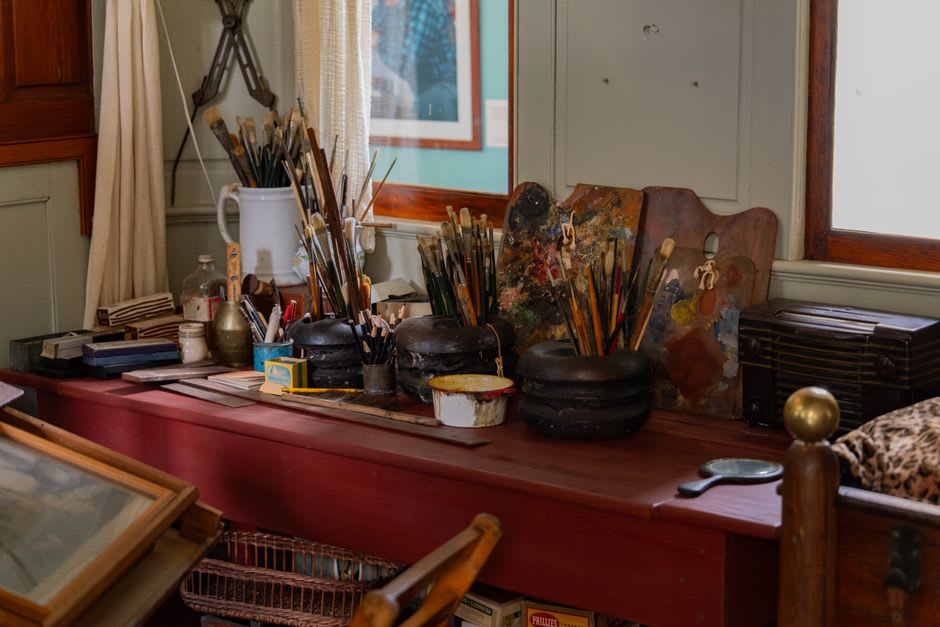
The Auberge Ganne, where many of these painters actually lodged and which now operates as the Musée Départemental de l’École de Barbizon, still has murals and decorated door panels the artists painted directly onto the walls and furniture when they couldn’t afford to pay rent in cash. It’s a strange, intimate way to encounter art history — not framed canvases in a white room but paint on a door somebody used every day. A few doors down, Millet’s atelier is preserved roughly as he left it, and the fact that you can walk between his house and Rousseau’s in about ninety seconds tells you everything about how concentrated this whole movement was. Lia, who studied painting before switching to something more employable, spent a long time in front of Millet’s studio just looking at the light coming through the window at the angle he must have painted by.
Walking into the forest they painted
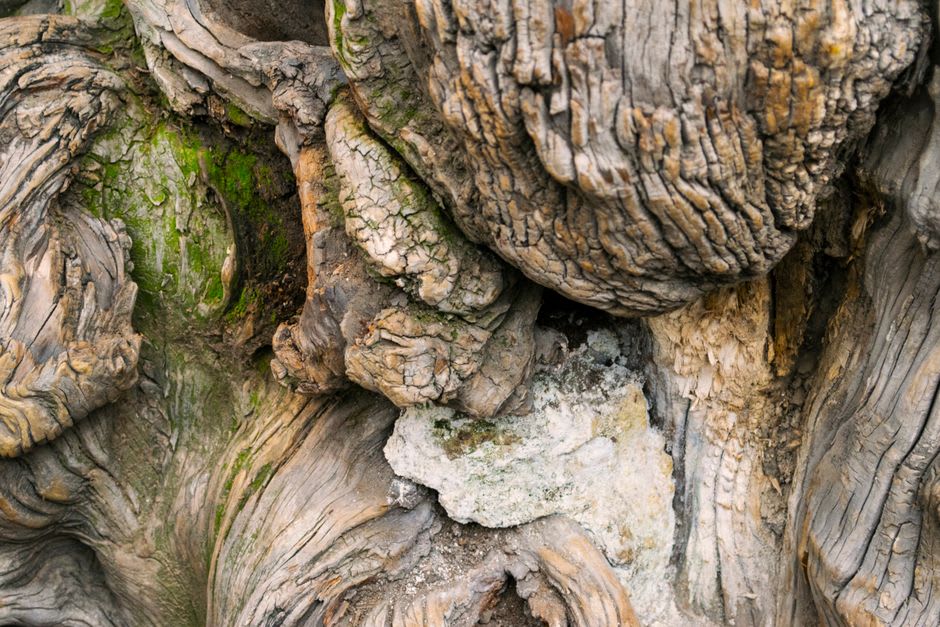
What makes Barbizon worth the trip rather than just a museum stop is that the forest they painted is still right there, and you can walk directly into it from the edge of the village. The Fontainebleau forest around Barbizon is full of the same sandstone boulders, gnarled oaks, and diffuse, filtered light that show up again and again in Rousseau’s and Diaz de la Peña’s canvases. We took one of the marked trails out toward the Gorges d’Apremont, and it’s disorienting in a good way — you keep recognizing compositions, the way you do at Giverny, except here it’s not one artist’s garden but an entire landscape that trained a generation of painters to see differently.
When to go: Spring and autumn give the forest the softest, most diffuse light — the exact quality the Barbizon painters chased — and the trails are far less crowded than they get with Paris day-trippers in July and August.
Keep exploring
More of Paris