Vaux-le-Vicomte
"Fouquet threw the party of the century to impress his king. Three weeks later he was in prison for the rest of his life."
The château so beautiful it got its owner arrested, because Louis XIV took one look and decided nobody but him was allowed to live this well.
Vaux-le-Vicomte is the château Versailles wishes it could take credit for, in the sense that it’s not an exaggeration to say Versailles wouldn’t look the way it does without it. Nicolas Fouquet, Louis XIV’s finance minister, commissioned it in the 1650s and hired the same three men — architect Louis Le Vau, painter Charles Le Brun, and landscape designer André Le Nôtre — who would later build Versailles for the king. The story of what happened next is one of my favorite pieces of French history to tell people who assume all these châteaux come with interchangeable, forgettable backstories. Fouquet threw an extravagant fête at Vaux in August 1661 to celebrate its completion, inviting the young king. Louis was so struck by its beauty, and so convinced Fouquet must have been embezzling to afford it, that he had him arrested three weeks later on charges of corruption. Fouquet spent the rest of his life in prison. Louis promptly hired the same design team to build something even grander at Versailles.
Walking the gardens that terrified a king
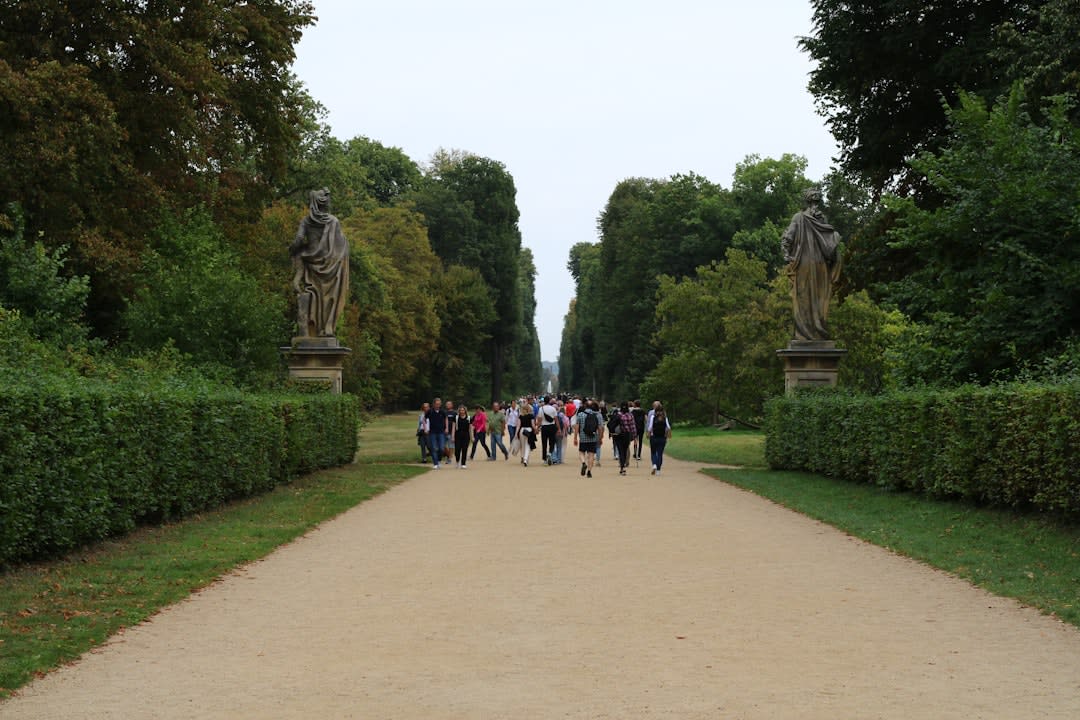
What strikes you first at Vaux is the sheer discipline of Le Nôtre’s garden design — long, exact sightlines running from the château’s front steps straight out to the horizon, parterres, fountains, and canals arranged with a mathematical rigor that Versailles later scaled up but never really improved on. Walking down the central axis, the perspective plays tricks on you deliberately: statues and water features that look close together from the terrace turn out to be hundreds of meters apart. Lia and I walked the full length out to the Farnese Hercules statue at the garden’s far end and then turned around, and the château from that distance looks almost toy-sized, which is exactly the effect Le Nôtre engineered.
Candlelight, the way Fouquet’s guests saw it
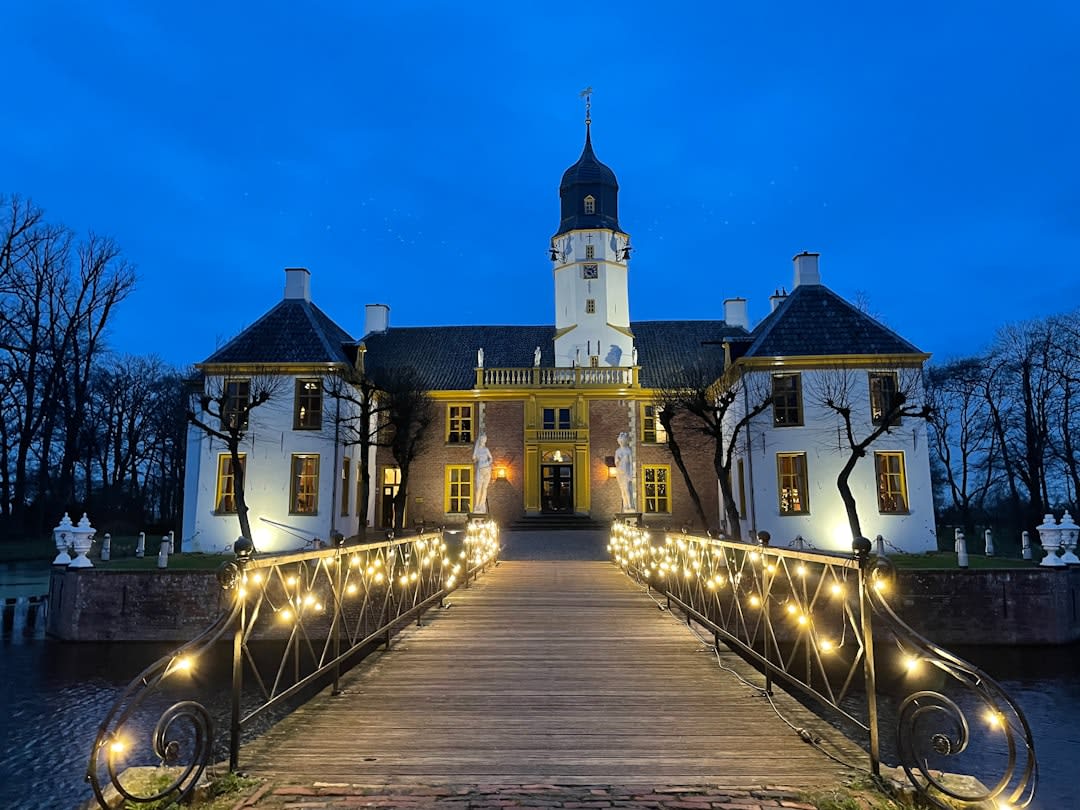
The real reason to plan around Vaux rather than just stopping by is the candlelit evening visits, held on select nights from May through October, when the château and gardens are lit entirely by roughly two thousand candles instead of electric light. It’s a deliberate, atmospheric choice, and it’s the closest you’ll get anywhere in France to seeing one of these grand houses the way its original guests actually experienced it — flickering, warm, faintly smoky, none of the flattening glare of modern lighting. We went on a warm September evening and the fountains, gardens, and gilded state rooms all took on a completely different character than they’d had that same afternoon.
When to go: Plan a visit around one of the candlelit evenings (les Journées et Soirées aux Chandelles) from May to October — check the calendar in advance, as they only run on specific Saturdays.
Keep exploring
More of Paris