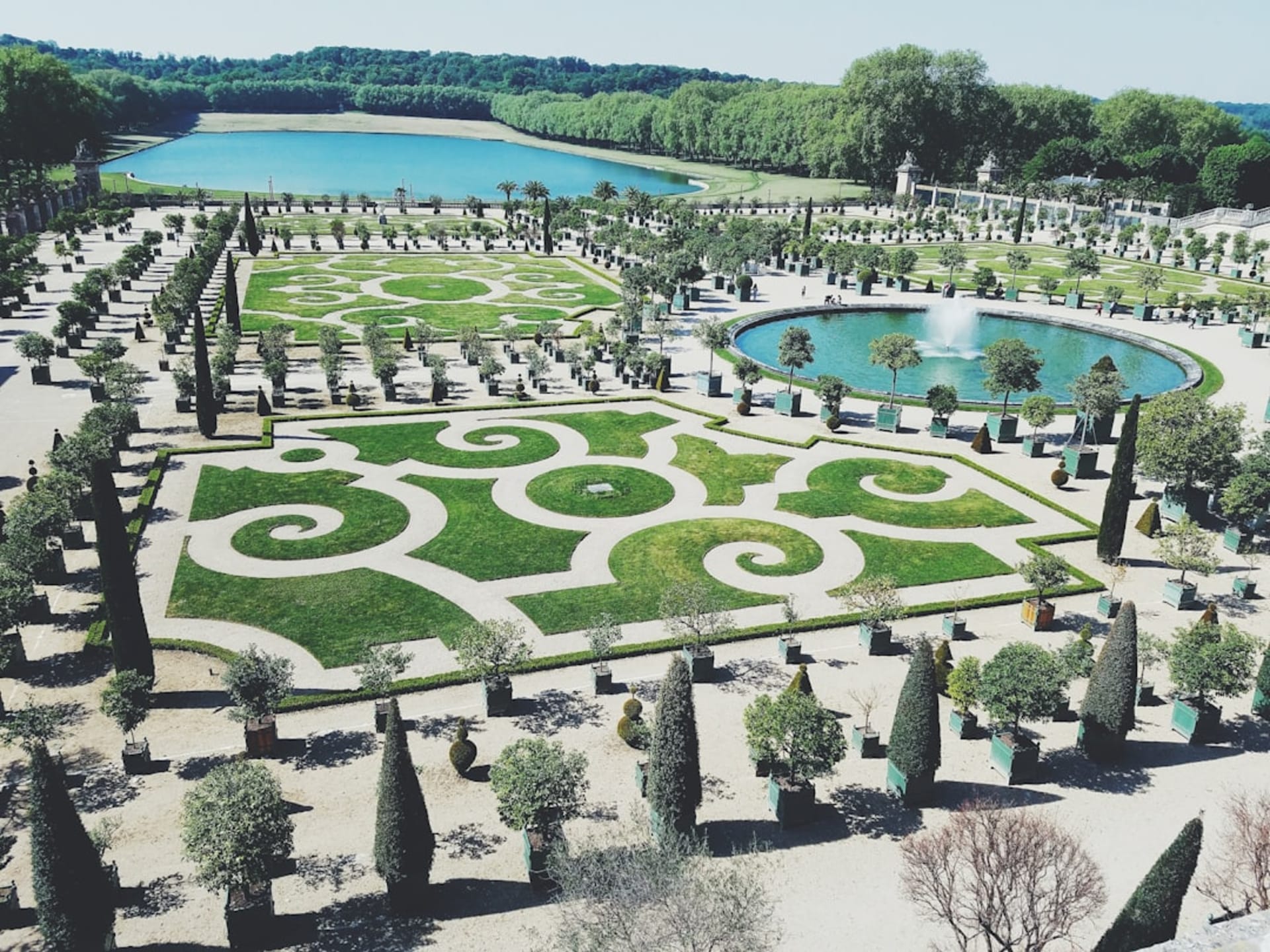
Versailles
"Every French kid learns about Versailles in a classroom. Almost none of us are ready for what it feels like in person."
The palace my French history teachers made me memorize floor plans of as a kid, and which still managed to make me feel small the first time I actually stood in the Hall of Mirrors as an adult.
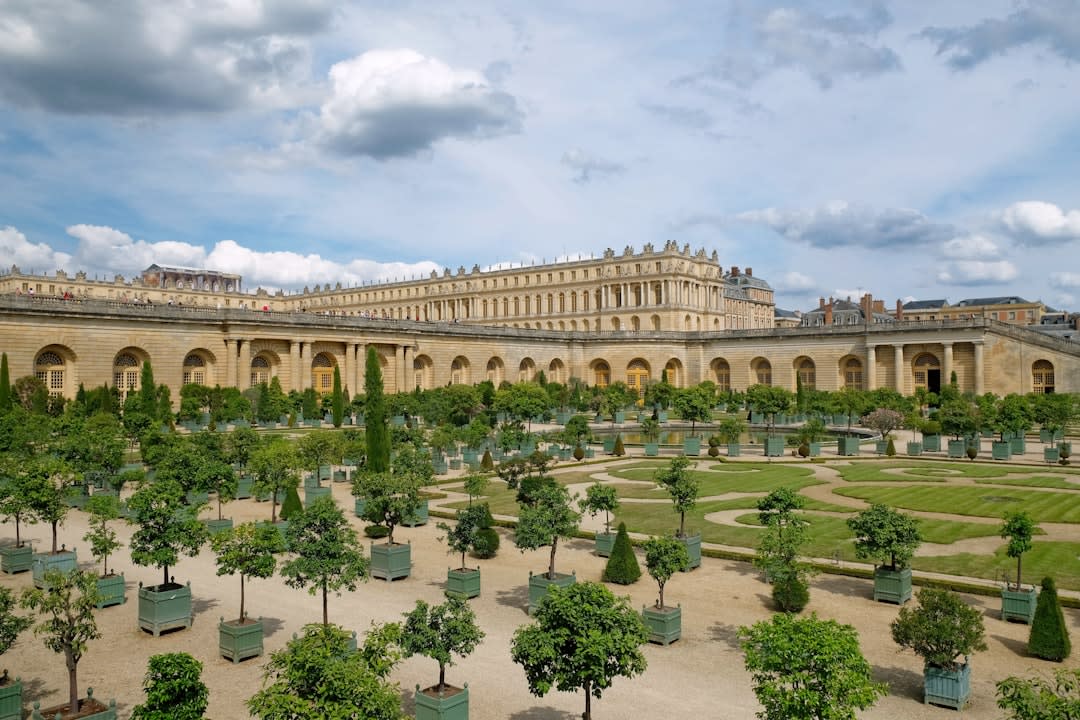
Versailles is twenty minutes by train from central Paris, which is part of why it’s so easy to underestimate — you think you’re popping out to see a big château, and then you spend an entire day there and still haven’t seen the gardens properly. I’d been half a dozen times growing up, on school trips and with my parents, and I still went back with Lia a few years ago because I wanted her to see the one room that, whatever you think about the monarchy it was built to glorify, genuinely stops people mid-sentence.
The Hall of Mirrors, and the room next door where an empire ended
The Galerie des Glaces is the reason most people come, and it earns it: seventeen mirrored arches facing seventeen arched windows onto the gardens, built in the 1680s under Louis XIV specifically to outshine anything the rest of Europe had, at a time when mirrors were so expensive that Louis had to smuggle Venetian glassmakers out of the Republic of Venice — on pain of death, if Venice caught them — to build a French mirror industry good enough to fill it. It’s also, less glamorously, where the Treaty of Versailles was signed in 1919, ending the First World War in the same room built to celebrate the Sun King’s ego, which is the kind of detail I like pointing out to Lia because it’s the sort of thing that makes a gilded ceiling suddenly feel like it’s actually connected to the twentieth century. From the Hall of Mirrors you can walk straight into the King’s Grand Apartments, each room named for a planet and painted accordingly, the ceilings thick with mythological scenes that took decades to finish.
Marie-Antoinette’s escape from all of it
What surprised Lia more than the palace, though, was the Domaine de Marie-Antoinette, a good twenty-minute walk across the gardens from the main château. The Petit Trianon, a small neoclassical house Louis XVI gave her, is restrained almost to the point of looking like a different country’s architecture entirely — no gilding, no mythology, just clean grey stone. Further on is the Hameau de la Reine, the “queen’s hamlet,” a cluster of thatched-roof cottages and a working farm she had built so she could play at rustic life away from the suffocating etiquette of court. It’s easy to read as tone-deaf given what came a few years later, and plenty of historians do, but standing there — chickens still kept on the grounds today, the little lake catching the light — I understood the impulse better than I expected to. We wandered the gardens back toward the main château as the fountains came on for the afternoon show, water jets timed to Baroque music piped through hidden speakers in the hedges, which is either the most extravagant or the most French thing I’ve ever watched grown adults applaud.
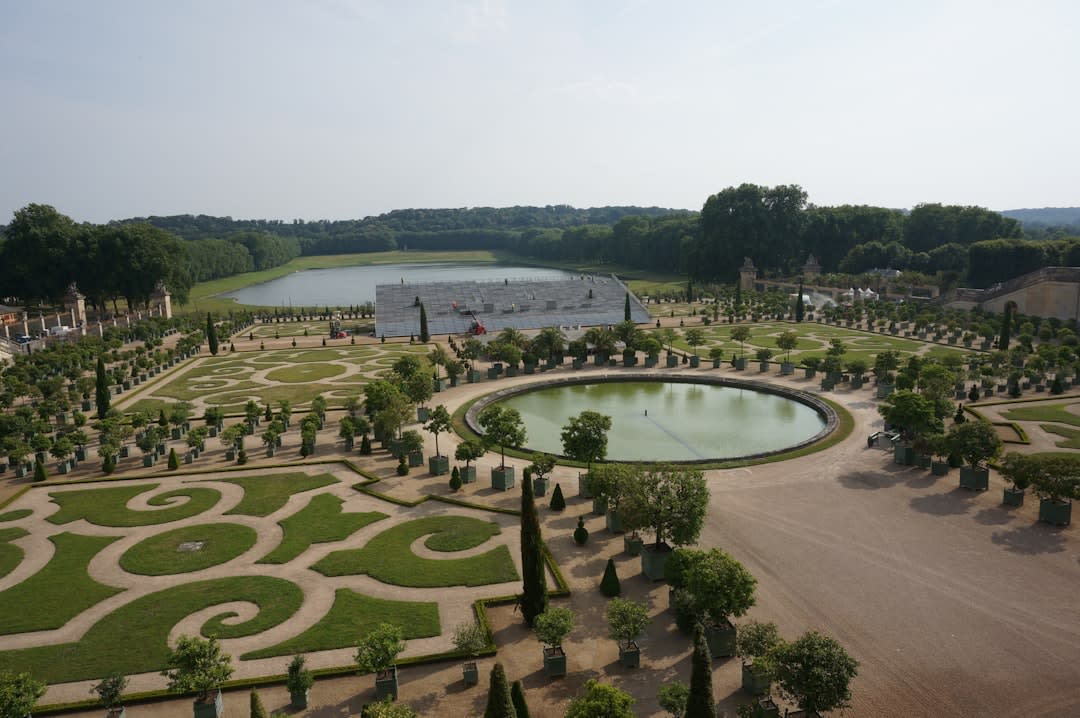
When to go: Book a timed entry ticket online in advance and arrive right when the palace opens, before the tour buses from Paris arrive mid-morning. Go on a day with the Grandes Eaux Musicales fountain show running — check the schedule, as it’s only on select days April through October — and budget the whole day if you want to see the gardens and the Trianon estate properly, not just the state apartments.
Keep exploring
More of Paris