
Loire Valley
"The Loire taught me that the French invented the art of living — and then built castles to prove it."
Renaissance châteaux, slow rivers, and the soft-spoken wines that prove France does not need to shout to be extraordinary.
The Loire Valley is where the French kings came to play, and they played on a scale that still astonishes. Between Orléans and Angers, the Loire River meanders through a landscape of such gentle, cultivated beauty that UNESCO designated the entire valley a World Heritage Site — not for a single monument, but for the way human habitation and natural landscape have intertwined over a thousand years. This is the garden of France, and it looks the part.
Chambord is the show-stopper — a Renaissance château so extravagant that even François I, who commissioned it, seemed unsure what to do with it once it was built. The double-helix staircase, possibly designed by Leonardo da Vinci, allows two people to ascend simultaneously without meeting. The roofline is a forest of chimneys, dormers, and turrets that looks like a small city built on top of a palace. I visited on a November morning when the park was wrapped in fog, and the château emerged from the mist like something from a fairy tale that had decided to become architecture.

Chenonceau is the château I love most — built across the River Cher on a series of arches, its gallery stretching over the water like a bridge someone decided to make beautiful. It was a house of women: built by Katherine Briçonnet, expanded by Diane de Poitiers, transformed by Catherine de Medici. During World War I, it served as a hospital. During World War II, the gallery bridging the river sat exactly on the demarcation line between occupied and free France, and the Resistance used it as an escape route. History here is not decoration; it is structure.

The wines of the Loire are France’s best-kept secret, and I say this as a Frenchman who grew up drinking them. Sancerre and Pouilly-Fumé produce Sauvignon Blancs of a mineral precision that New Zealand has spent decades trying to replicate. Vouvray makes Chenin Blancs — dry, off-dry, sparkling, sweet — that can age for decades. Chinon and Bourgueil produce Cabernet Francs so elegant they make Bordeaux seem like it is trying too hard. The domaines here are small, family-run, and welcoming in the way that only producers who are not yet famous can afford to be.
The valley itself rewards slow travel. Cycle the Loire à Vélo route along the riverbank, stop in villages like Amboise — where Leonardo da Vinci spent his last years and is buried in the chapel of the royal château — or Azay-le-Rideau, whose château floats on its own reflection in the Indre River. The tuffeau stone of the buildings glows white in the afternoon light, and the troglodyte caves carved into the cliffs house wine cellars, mushroom farms, and the occasional restaurant.
When to go: May to June for the gardens in bloom and long days. September for the grape harvest. The son et lumière shows at the châteaux run from June to September and are worth one late night.
Explore
Places in Loire Valley
 france
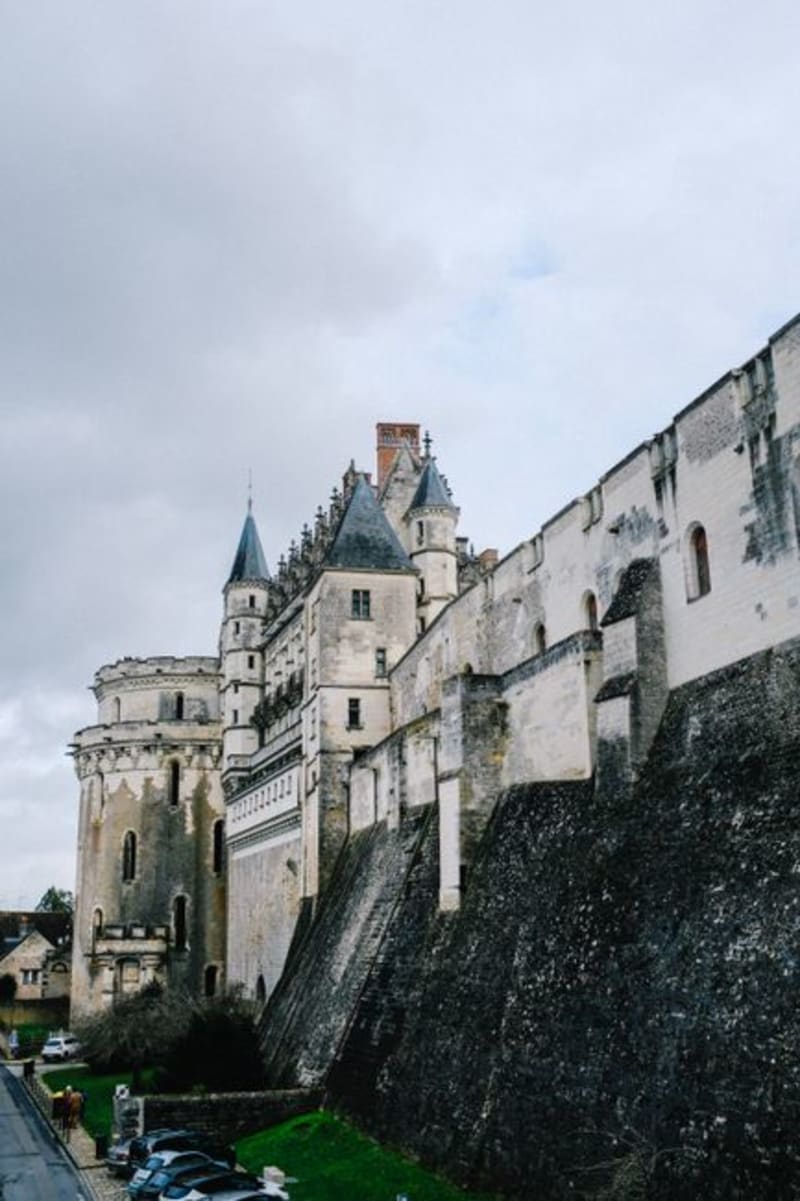
 Amboise
A honey-stone town on the Loire where Leonardo da Vinci lived out his last years, and where the château's terrace still catches the best light on the river in the valley.
Explore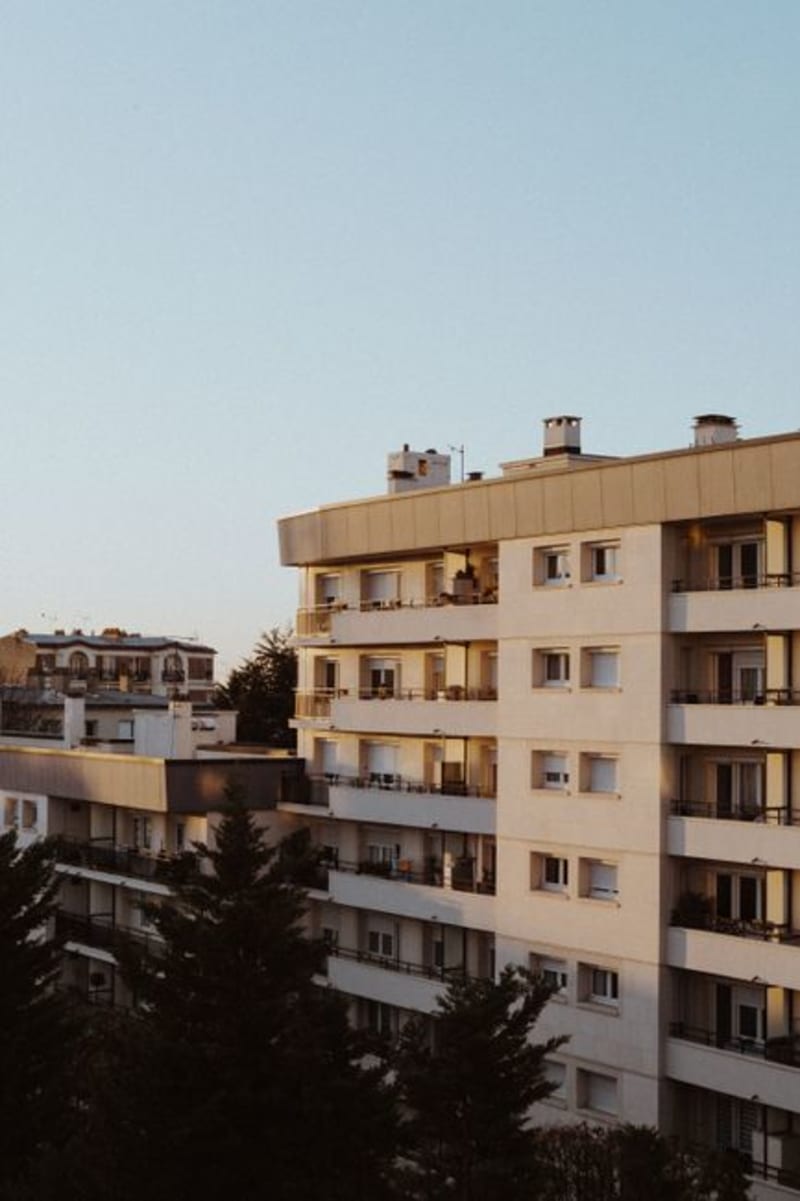 france
 Angers
A city built from black slate that Parisians used to call the 'Black City,' home to the largest medieval tapestry in the world and a very good reason to stop taking notes and just look.
Explore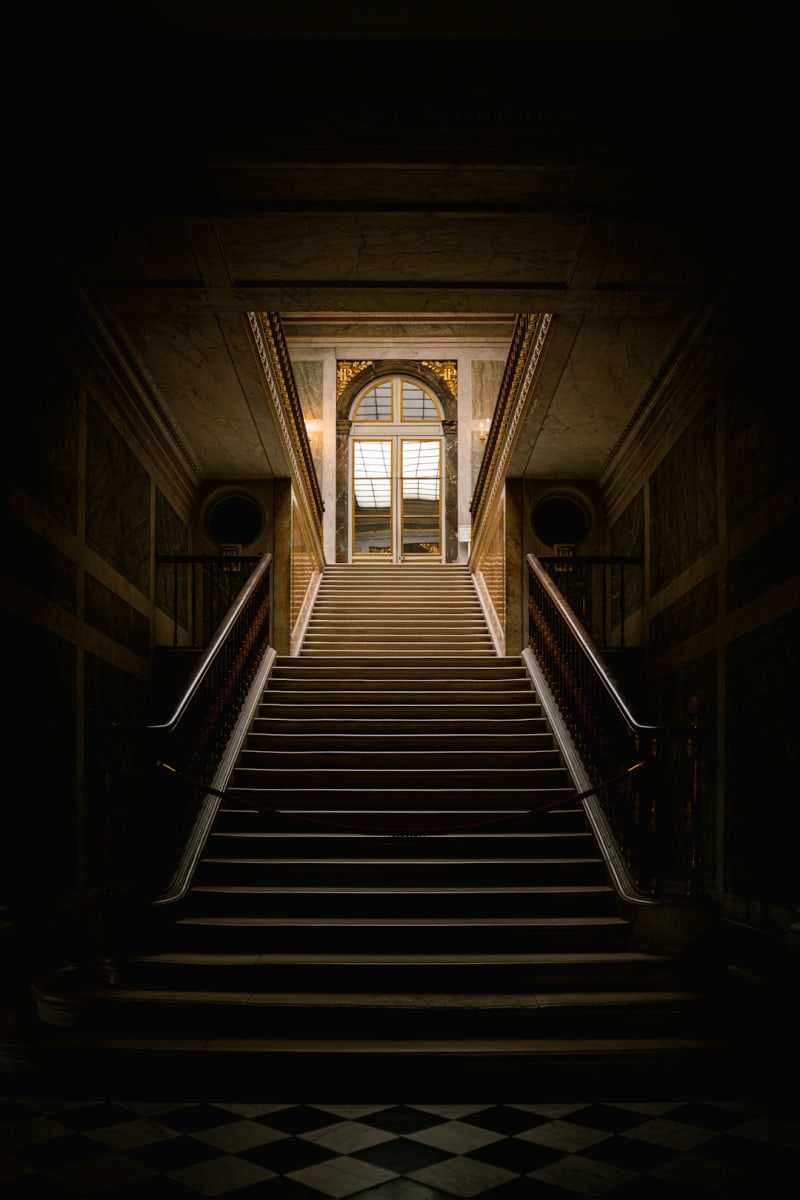 france
 Azay-le-Rideau
A small village built almost entirely around a Renaissance château that seems to float on its own reflecting moat, quiet enough that we had whole rooms of it to ourselves on a Tuesday afternoon.
Explore france
 Beaugency
A medieval bridge town on the Loire that nobody puts on the château itinerary, which is precisely why we ended up staying an extra night.
Explore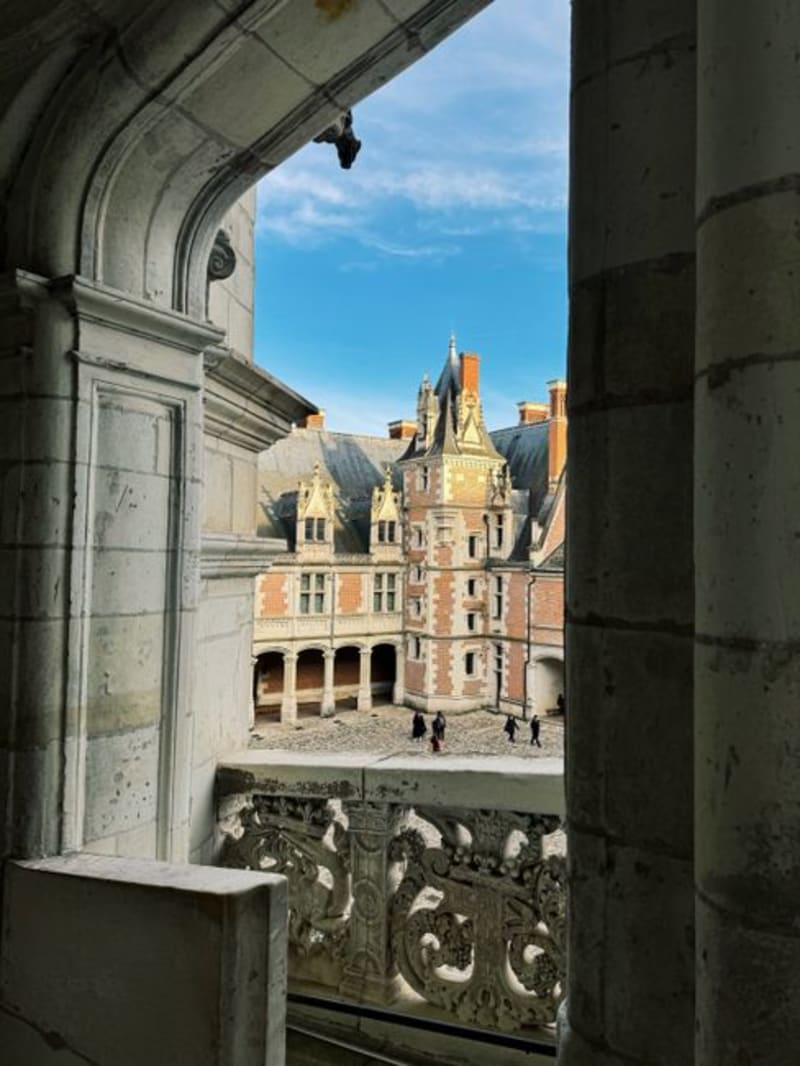 france
 Blois
A working Loire town stacked on a hillside above the river, where a royal château built in four different centuries stages a murder every schoolchild in France learns about, and the old streets never feel staged for tourists.
Explore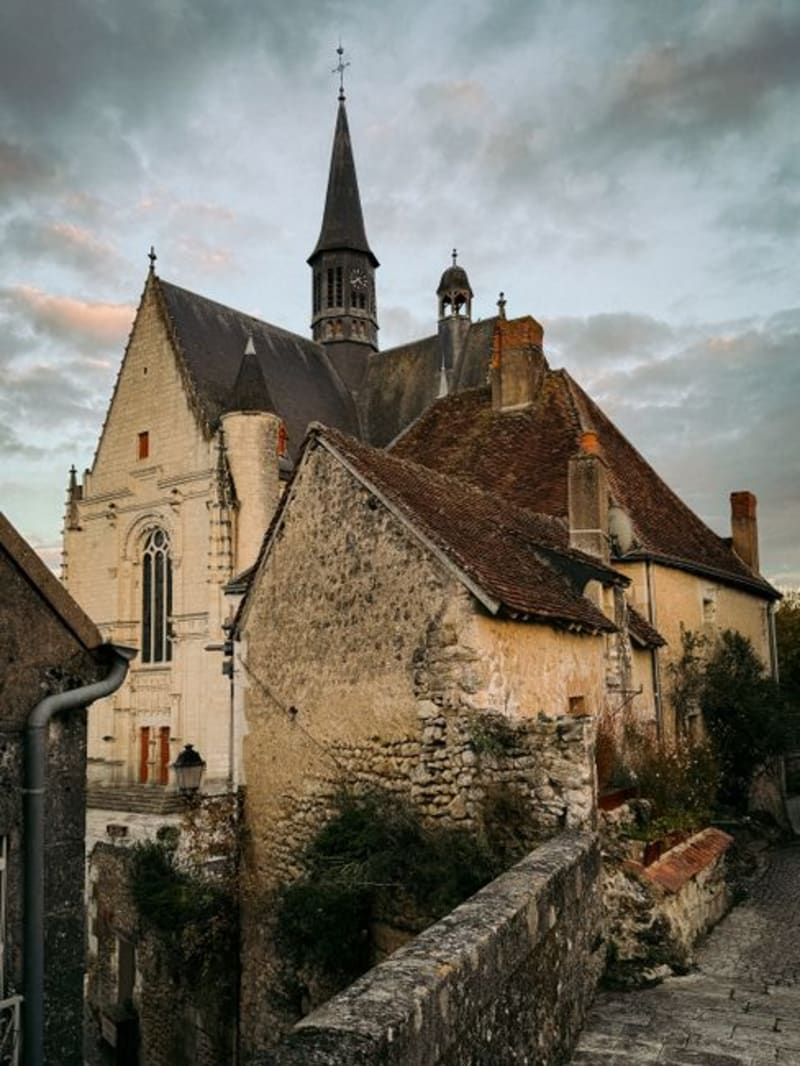 france
 Candes-Saint-Martin
The village where the Loire and the Vienne physically merge into one river, and where Saint Martin of Tours chose, on purpose, to die.
Explore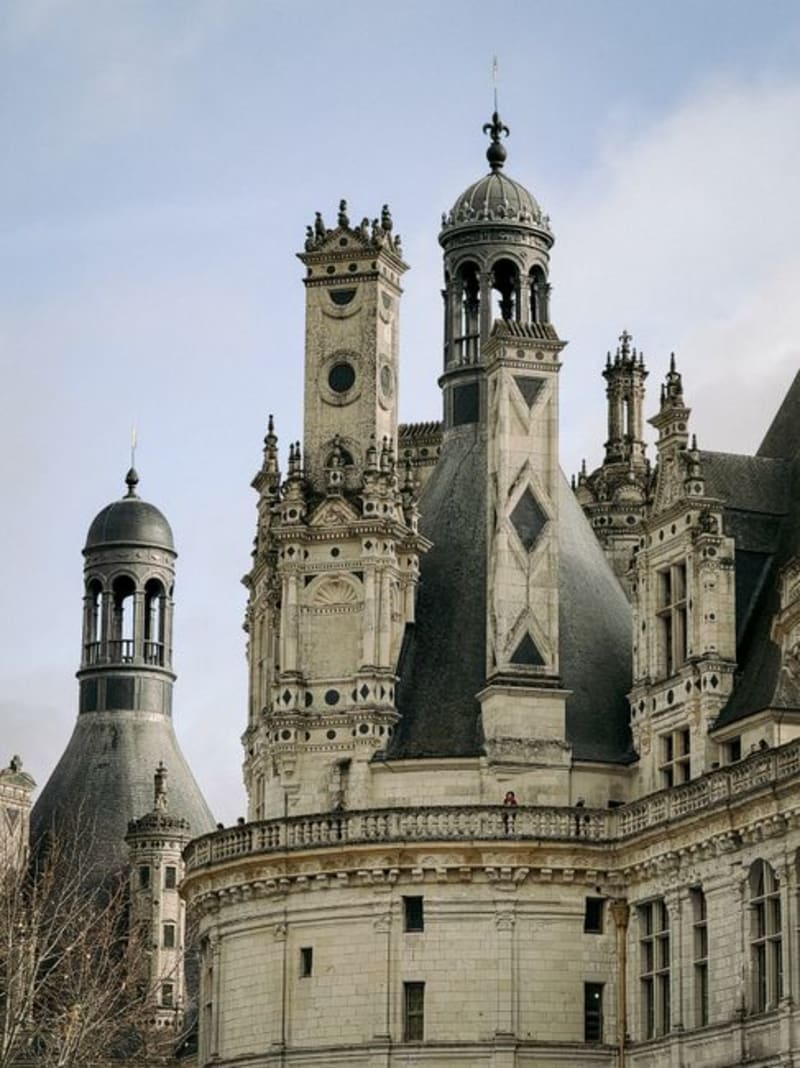 france
 Chambord
A château so absurdly oversized it barely counts as a village, sitting alone in a walled hunting forest the size of Paris, with a double-helix staircase attributed to Leonardo at its heart.
Explore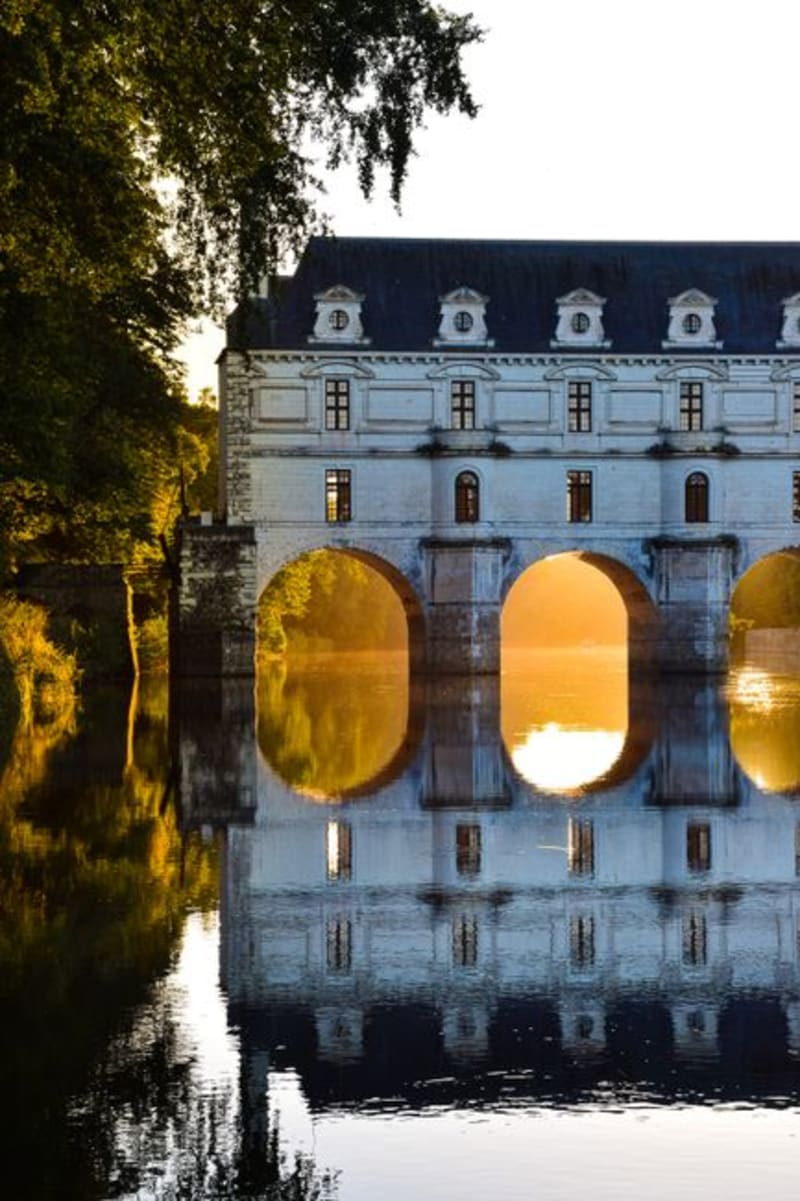 france
 Chenonceaux
A tiny village that exists almost entirely to serve the château arching over the River Cher beside it, built and shaped by a string of formidable women whose rivalry you can still trace room by room.
Explore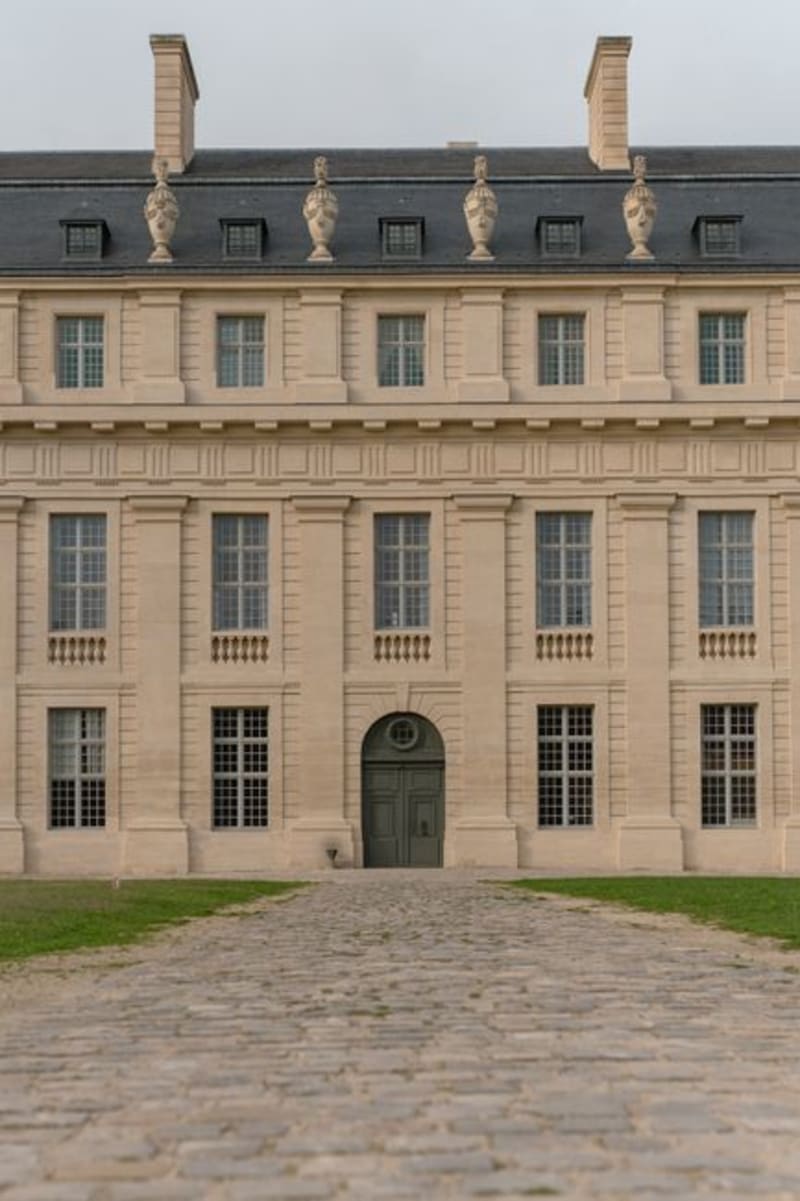 france
 Cheverny
The one Loire château that's never changed hands or lost its shape in four hundred years, still lived in by the same family, still feeding a hundred hounds every afternoon at five.
Explore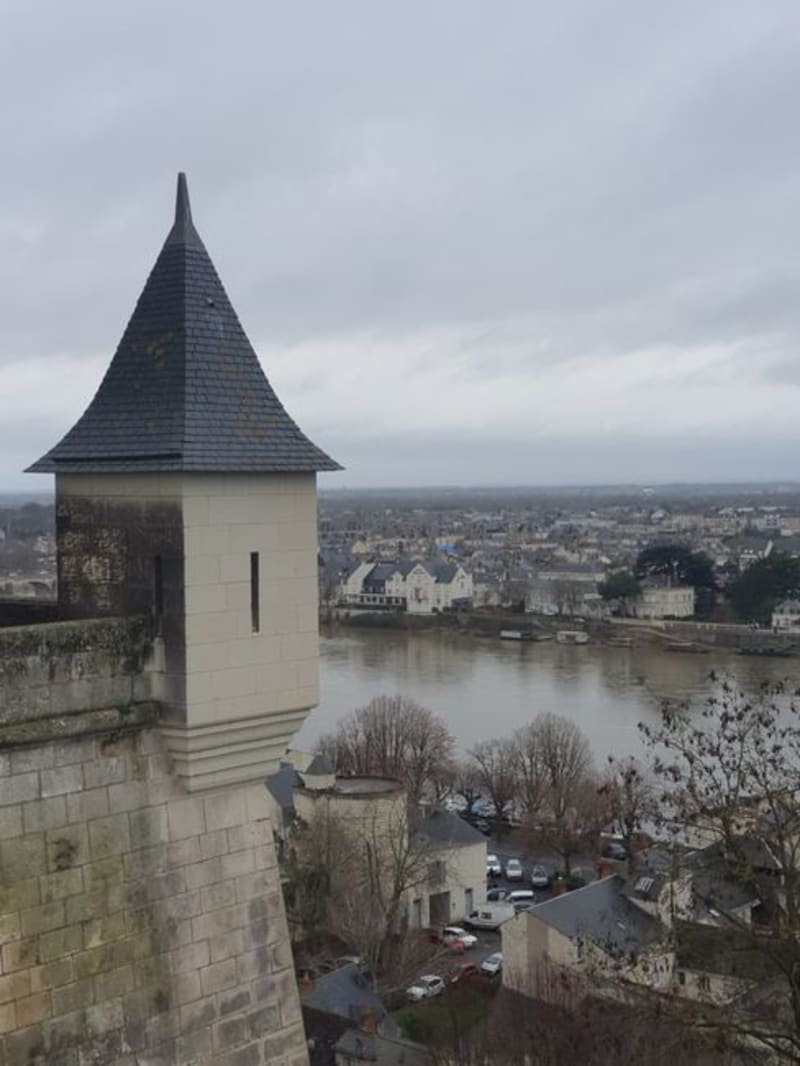 france
 Chinon
A fortress town on the Vienne where Joan of Arc first convinced a king to believe her, wrapped in vineyards that produce some of the best red wine in the Loire and rarely leave the region.
Explore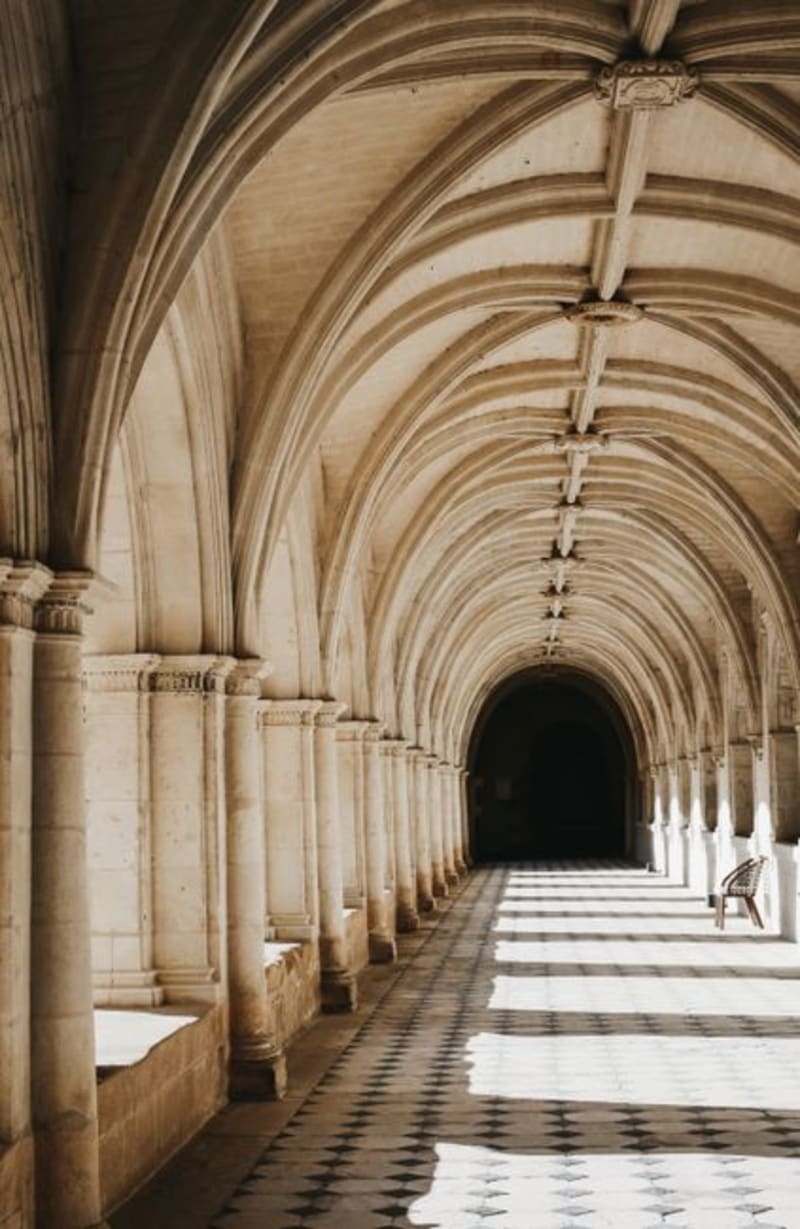 france
 Fontevraud-l'Abbaye
The abbey where a formidable queen chose to be buried instead of any cathedral in France, and where Lia and I ended up whispering in a nave built for a thousand monks and nuns who answered to a woman.
Explore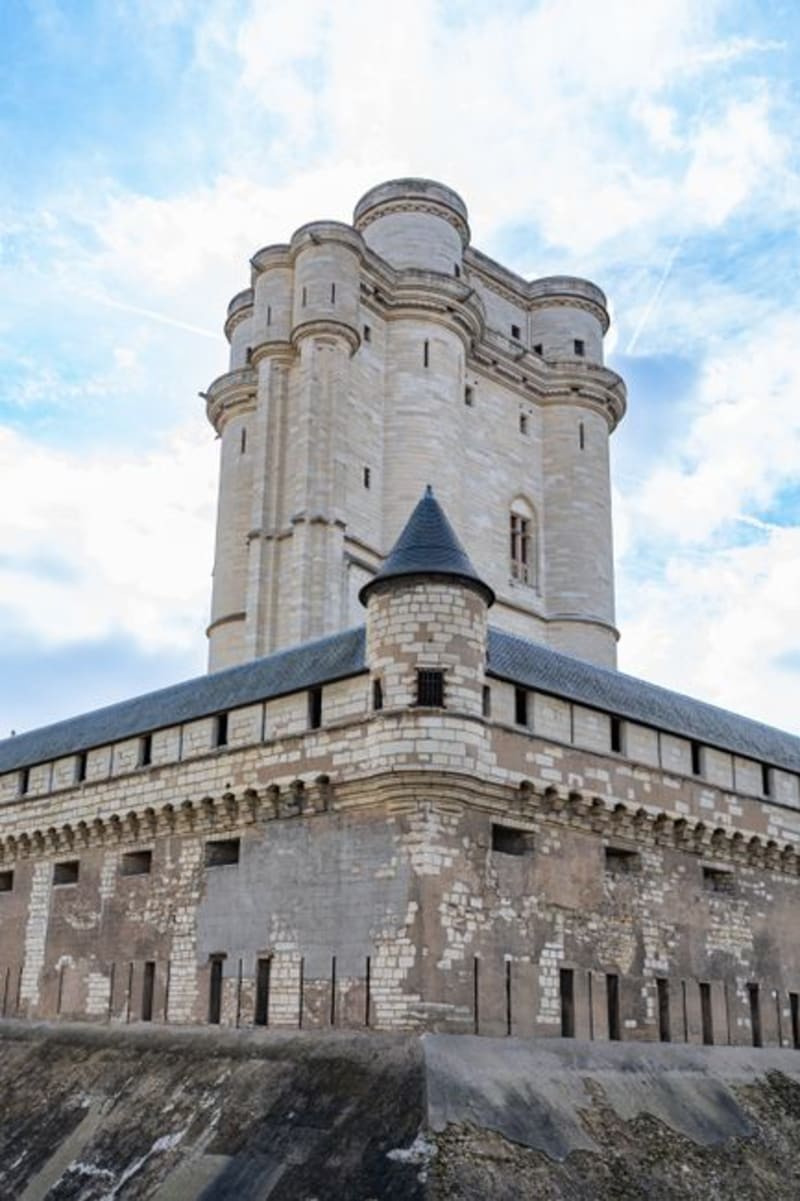 france
 Langeais
A castle that never bothered dressing itself up as a Renaissance palace, still with a working drawbridge, still guarding the secret of a marriage that stitched Brittany to France.
Explore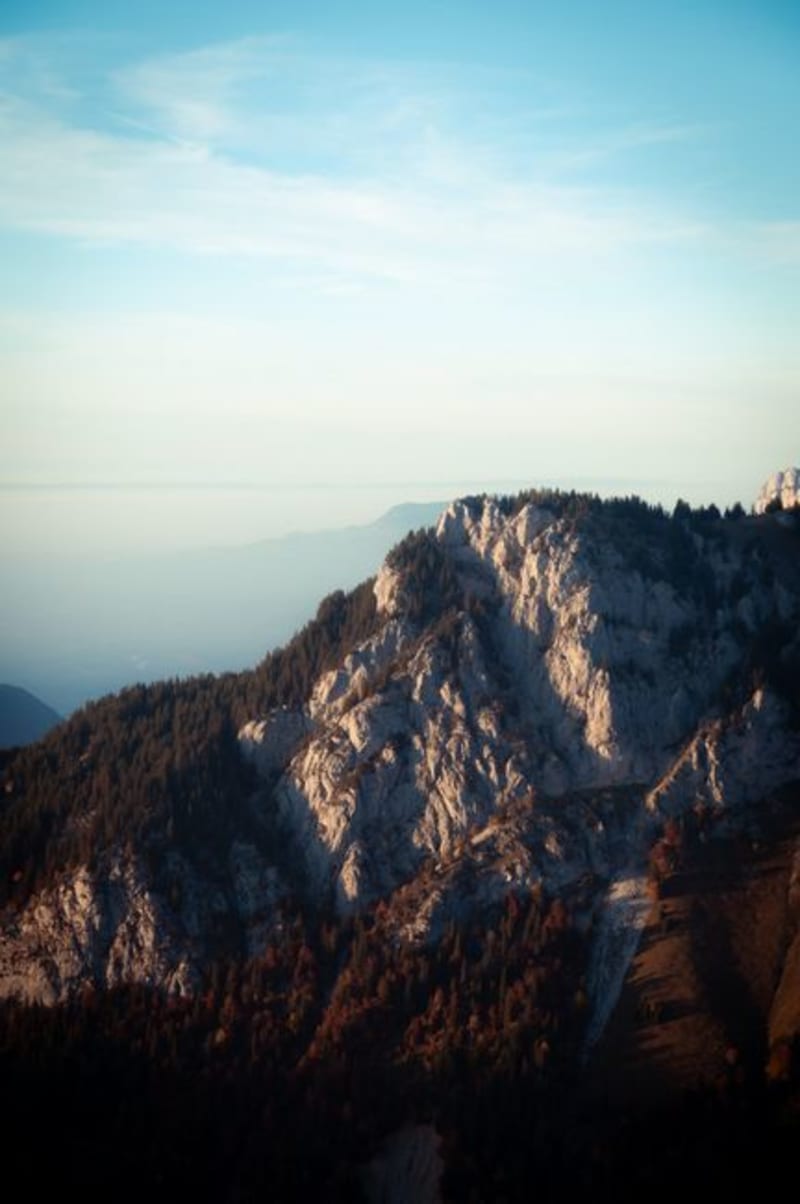 france
 Le Grand-Pressigny
A small village that was, five thousand years ago, apparently the flint-tool capital of Europe — proof that this valley has been worth fighting over since long before anyone thought to build a château.
Explore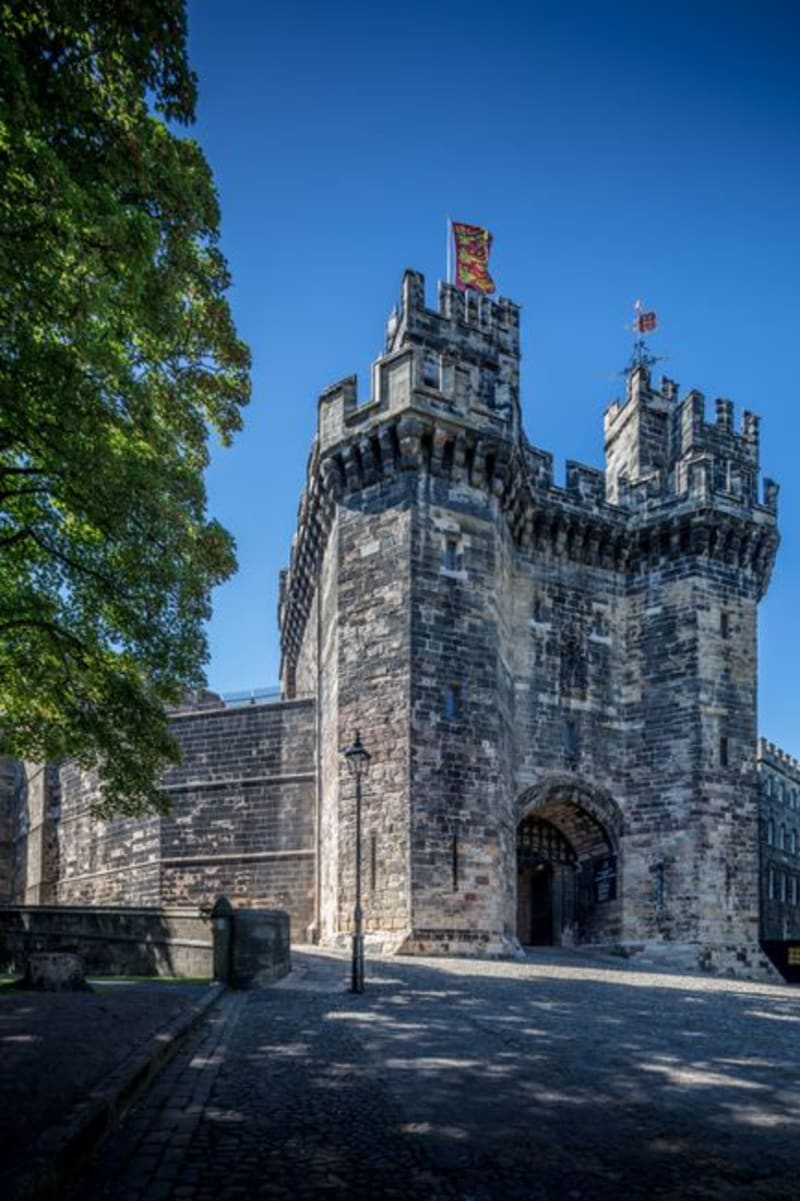 france
 Loches
A walled medieval town on a rocky spur south of the Loire, still ringed by its original ramparts, with a royal keep, a prison tower, and none of the crowds that gather further north.
Explore france
 Montsoreau
The only Loire château built directly into the riverbed itself, in a troglodyte village that Alexandre Dumas made famous for reasons far bloodier than the postcard suggests.
Explore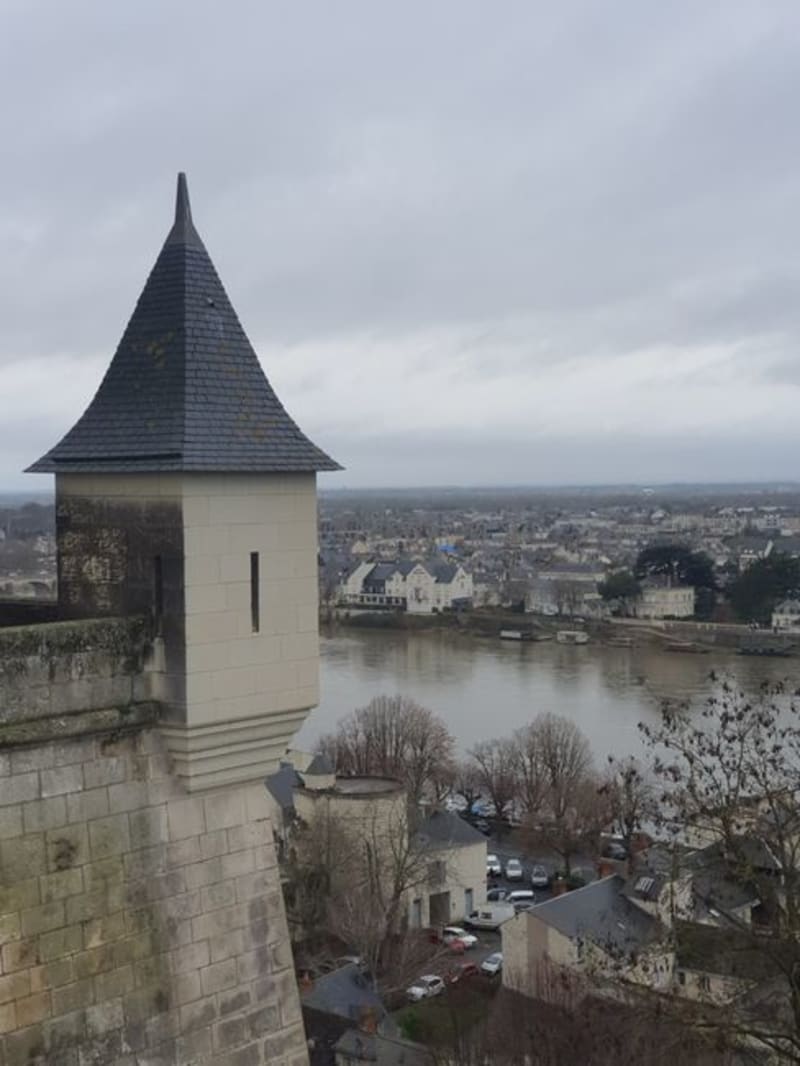 france
 Saumur
A white-tufa town beneath a fairy-tale château, famous for sparkling wine aged in miles of underground cave tunnels and a cavalry school whose riders still perform the moves that made French horsemanship famous.
Explore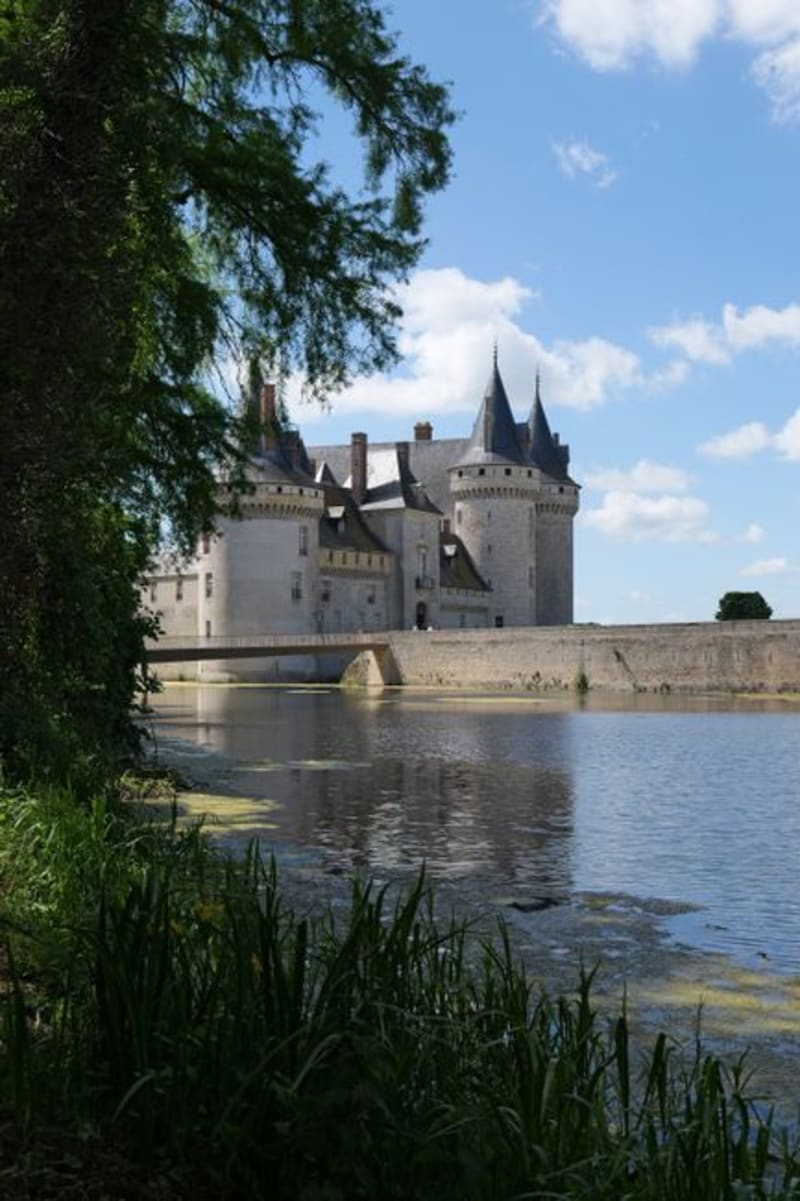 france
 Sully-sur-Loire
A château surrounded entirely by its own moat at the eastern edge of the valley, where Henri IV's most trusted minister once lived and Voltaire once hid from a duel.
Explore france
 Tours
The real capital of the Loire, a lively university city with a half-timbered old quarter, a cathedral of shifting styles, and a student-driven bar scene that makes it feel nothing like the sleepy château towns around it.
Explore france
 Ussé
The white-turreted château on the edge of the Chinon forest that supposedly gave Charles Perrault the idea for Sleeping Beauty, and that made Lia genuinely gasp when it appeared through the trees.
Explore france
 Valençay
The château where Talleyrand outlived every regime he served, in a stretch of Sologne countryside best known now for the pyramid-shaped goat cheese named after it.
Explore france
 Vendôme
A town on a different river entirely, forty minutes from the TGV line to Paris, that made me realize the Loire Valley isn't really about the Loire — it's about the whole family of rivers that feed it.
Explore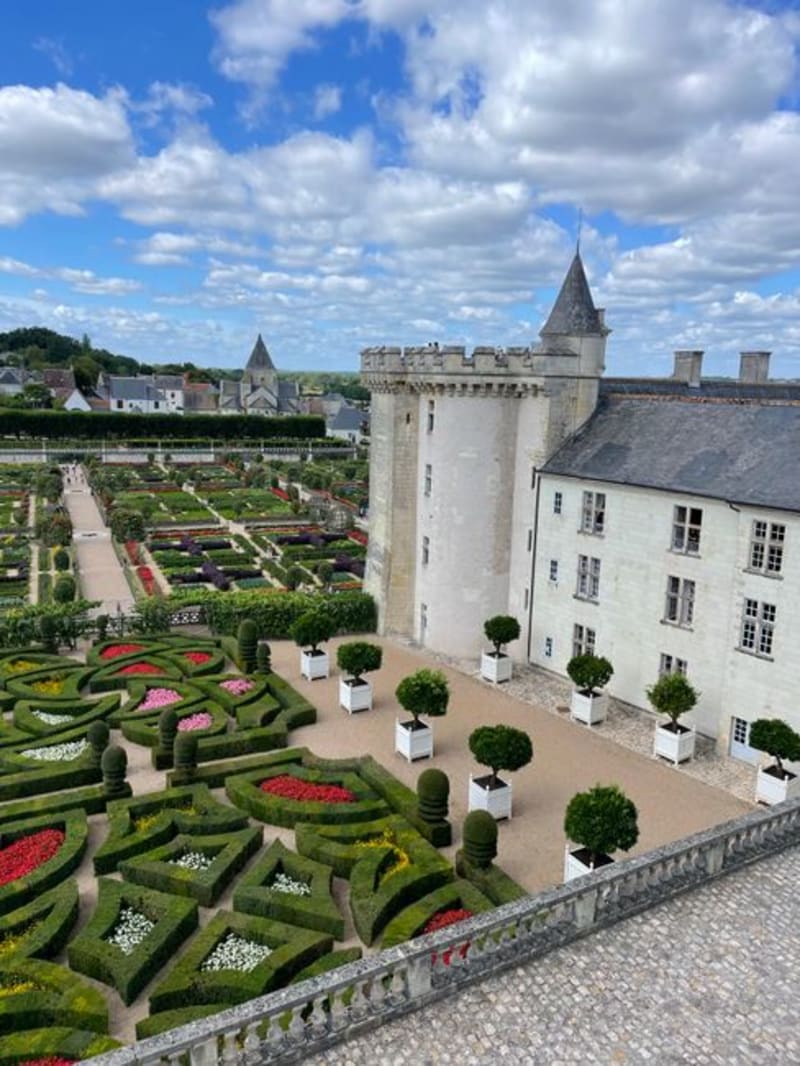 france
 Villandry
A small village known for exactly one thing, but it's a spectacular one — the last great Renaissance château garden in the Loire, still laid out as ornamental vegetable beds by the family that saved it a century ago.
Explore