Langeais
"Every other Loire château wants to be a palace. Langeais still wants to be a fortress, and I respect that."
A castle that never bothered dressing itself up as a Renaissance palace, still with a working drawbridge, still guarding the secret of a marriage that stitched Brittany to France.
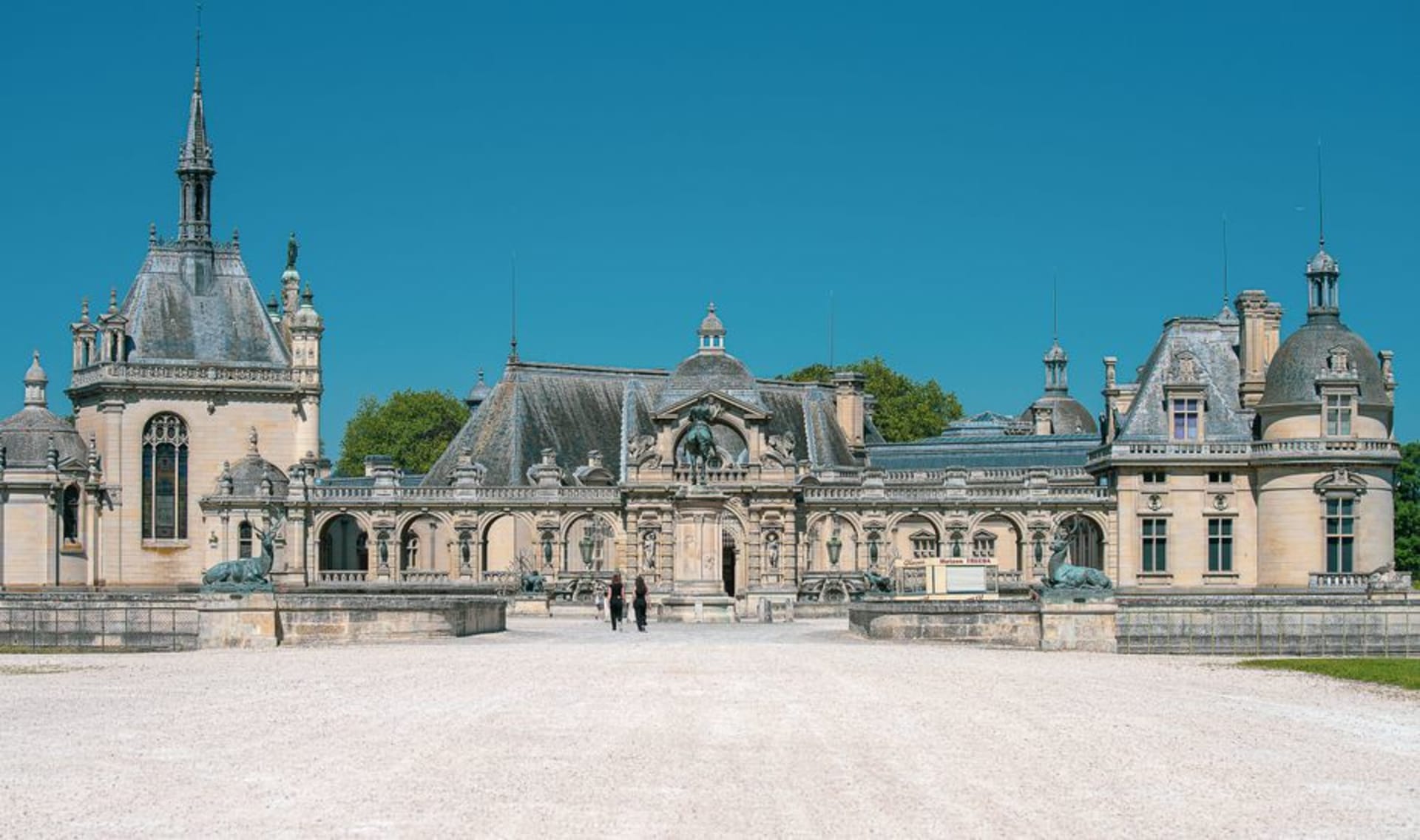
Most of the Loire châteaux I write about spend their whole existence trying to seduce you — turrets for the skyline, gardens for the postcard, a story about a mistress or a king’s caprice. Langeais doesn’t bother. You come around a bend in the town’s main street and there it is, grey and blunt, rising straight out of the pavement with a drawbridge still hanging in front of the door. No moat you can picnic beside, no lake for reflections. I liked it instantly, the way you like the one friend in a group who refuses to perform.
The wedding that was really a merger
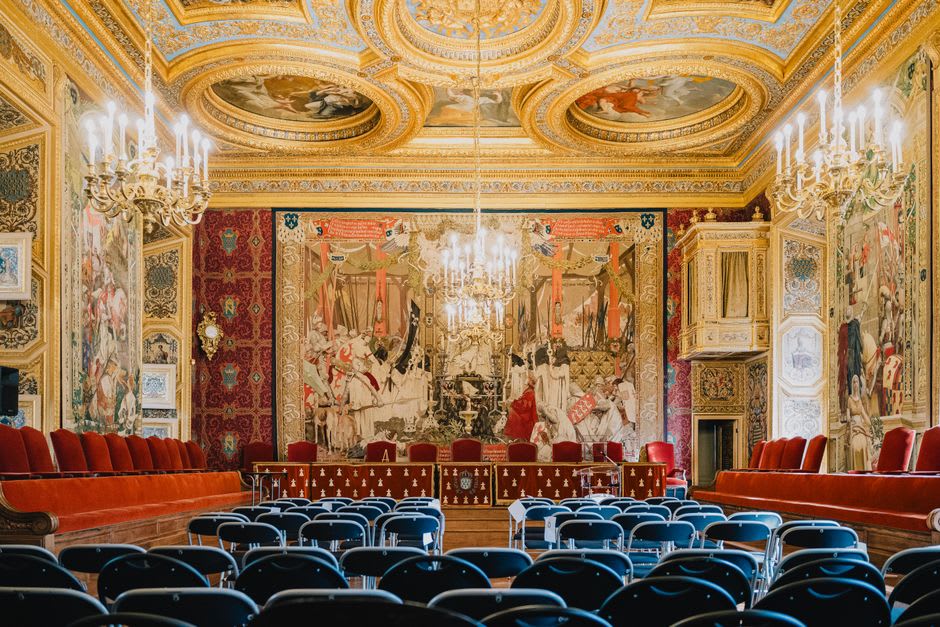
Louis XI built the current château in the 1460s, fast and defensively minded, because this stretch of the Loire had spent the Hundred Years’ War changing hands too many times for anyone’s taste. But the reason people actually make the detour to Langeais happened here in 1491, in the great hall, at dawn, almost in secret: the marriage of Charles VIII of France to Anne of Brittany. It sounds like a footnote until you realize what it actually did — it was the move that finally folded independent Brittany into the kingdom of France, ending centuries of the duchy playing France and England off each other. Anne was nineteen. She’d already been married by proxy to someone else. She came to Langeais essentially as the last piece of a political puzzle, and the room where it happened is still furnished with wax figures recreating the scene, which I expected to find cheesy and instead found oddly moving. Lia stood in front of it far longer than either of us expected.
An older ruin hiding in the garden
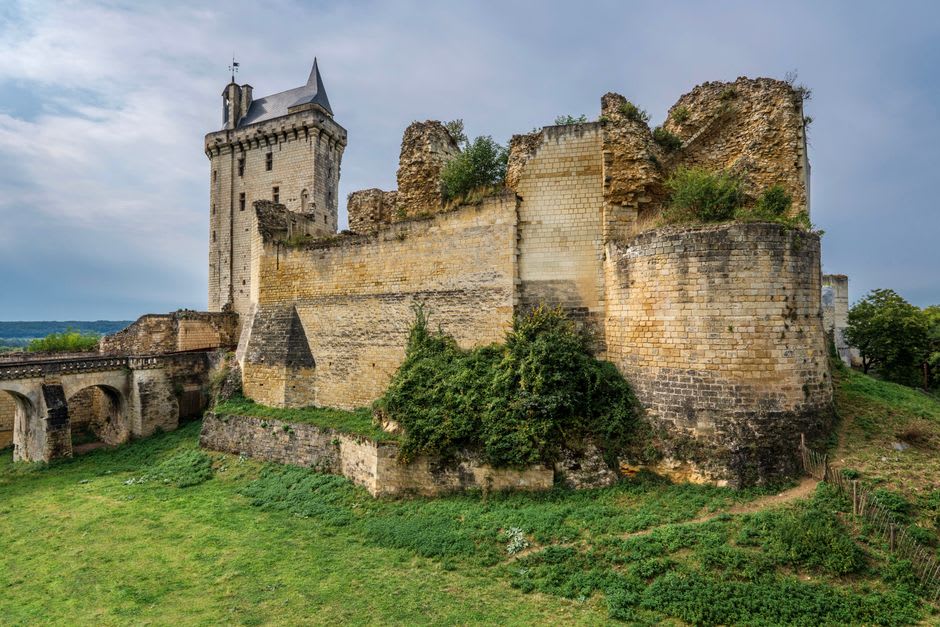
What most visitors miss, tucked behind the château in its own quiet garden, is a mound of crumbling stone that predates everything else at Langeais by five hundred years: the remains of the donjon built around 994 by Foulques Nerra, the ferocious Count of Anjou who spent his life building castles and doing penance in roughly equal measure. Historians consider it the oldest stone keep in France, older than anything at Chinon or Loches. There’s almost nothing left of it structurally — a few jagged walls you can walk around but not into — yet standing next to it after touring the fully furnished Renaissance rooms gave me a strange kind of vertigo, like meeting a castle’s great-great-grandfather. I’ve been to a dozen Loire châteaux with Lia at this point, and this was the only one where the oldest thing on site was also the least photographed.
When to go: Langeais works well as a shoulder-season stop precisely because it isn’t a crowd magnet — a grey October afternoon actually suits its mood better than a bright July one, and the drawbridge mechanism is easier to appreciate without a queue behind you.
Keep exploring
More of Loire Valley