Beaugency
"We stopped for lunch and stayed because the town simply refused to let us leave."
A medieval bridge town on the Loire that nobody puts on the château itinerary, which is precisely why we ended up staying an extra night.
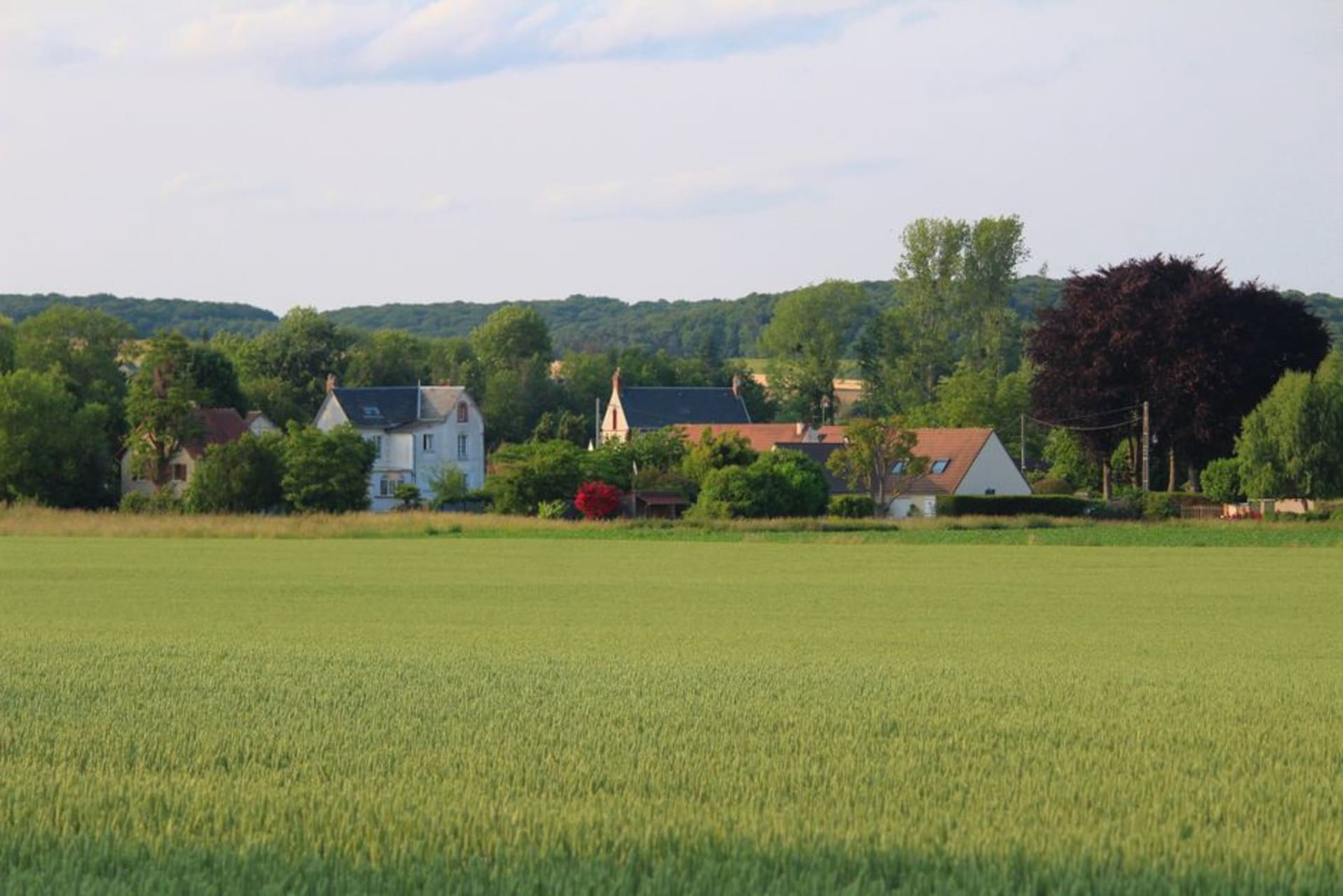
Beaugency wasn’t on our route. We’d planned a straight run from Orléans to Blois and pulled off only because Lia spotted the bridge from the road — one of those long, low, many-arched medieval crossings that looks like it grew out of the riverbed rather than being built on top of it. Twenty-six arches, most of them dating to the twelfth century, and it’s still the way most local traffic crosses the Loire here, which felt almost absurd given how much history was quietly holding it up.
A keep older than most of the châteaux
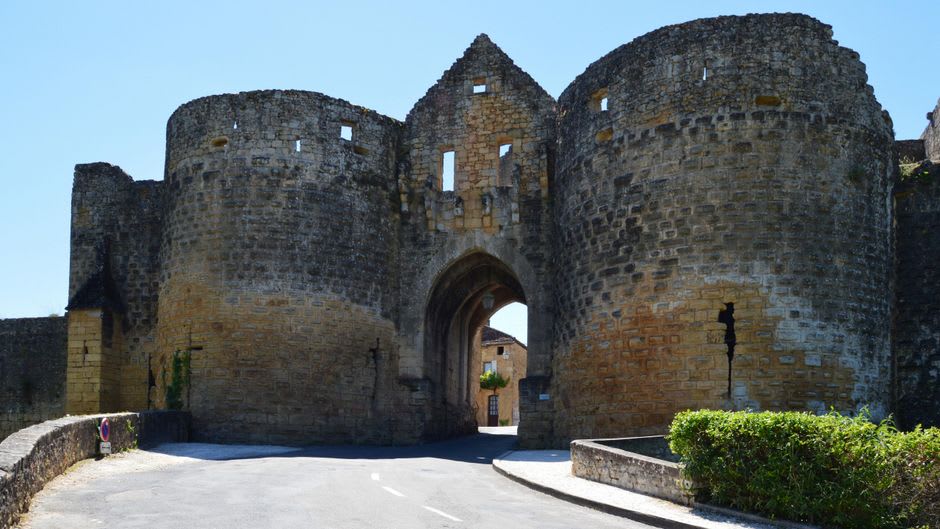
What we didn’t expect was the Tour César, a squat, severe Romanesque keep from the eleventh century that predates nearly every château we’d visit that trip by two hundred years or more. There’s no moat, no turrets, no decorative flourish of any kind — just thick grey stone walls built purely to keep people out, which after weeks of Renaissance pleasure palaces was almost a relief to look at. We climbed what’s left of the interior stairs for a view over the old town’s rooftops, tightly packed red tile running down to the river, and I found myself more moved by this than by half the grander places on the list. It’s the difference between a building designed to impress and one designed to survive.
The old quarter nobody photographs
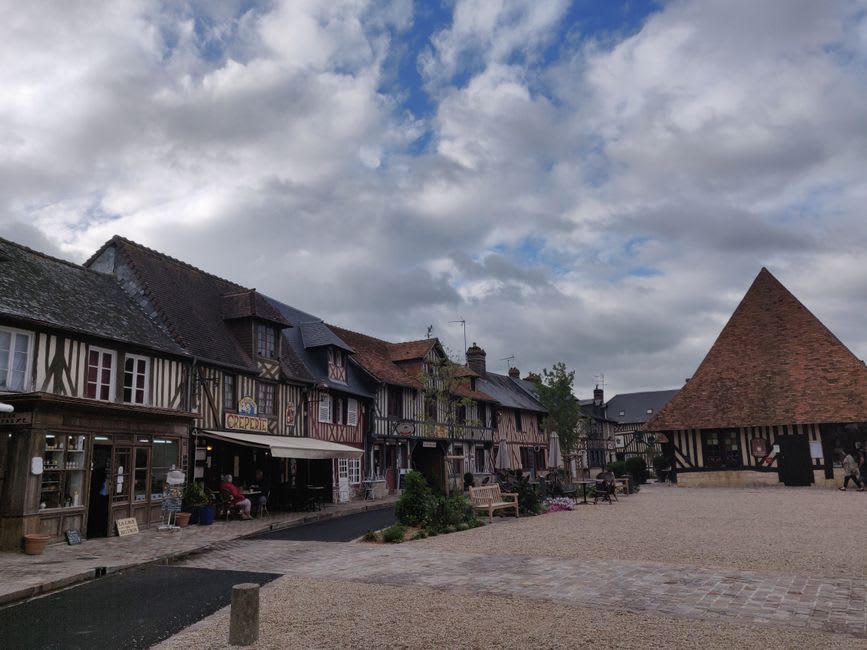
The town itself unfolds in a tight tangle of streets behind the keep — half-timbered houses, a Renaissance town hall with a facade so ornate it looks transplanted from somewhere grander, and the abbey church of Notre-Dame where at least two church councils were held in the twelfth century, including one that dissolved the marriage of Eleanor of Aquitaine to King Louis VII, a decision with consequences that rippled through English and French history for the next three hundred years. None of this is signposted with any real enthusiasm. We had the cloister almost entirely to ourselves on a Saturday afternoon, which in the Loire Valley in high season is close to a miracle.
We ate dinner on a terrace overlooking the bridge, watching the light go orange on the water, and neither of us could quite explain why a town with this much stacked history gets so little attention compared to its neighbours. Maybe that’s exactly its appeal.
When to go: Late spring or early autumn, when the riverside terraces are open but the crowds haven’t arrived from the bigger châteaux down the road.
Keep exploring
More of Loire Valley