
Montsoreau
"Every other château in the valley sits back from the river admiring it. Montsoreau just waded straight in."
The only Loire château built directly into the riverbed itself, in a troglodyte village that Alexandre Dumas made famous for reasons far bloodier than the postcard suggests.
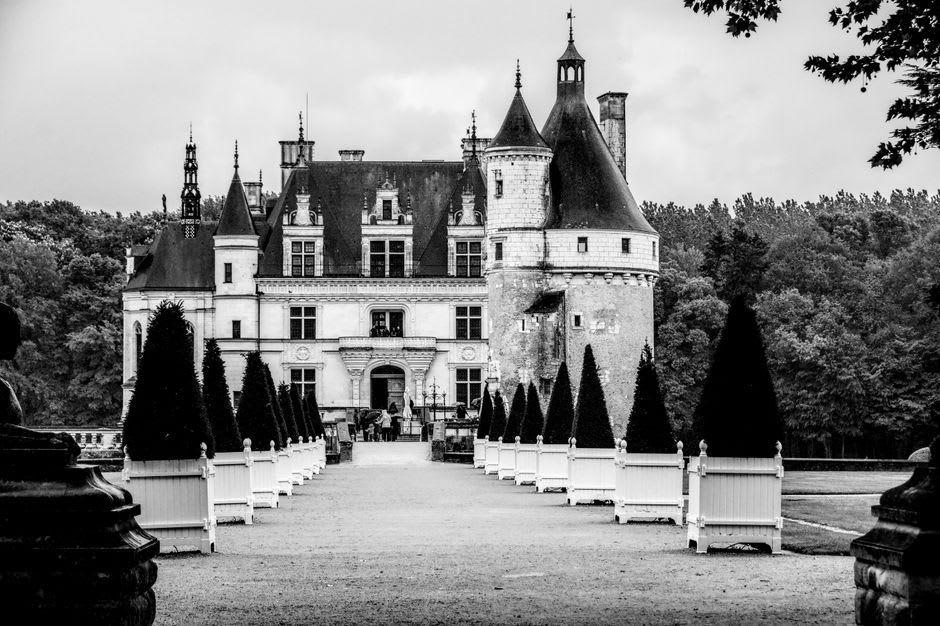
Every château we’d seen up to that point kept a respectful distance from the Loire — a terrace, a lawn, a moat at most. Montsoreau doesn’t bother with the buffer. It’s the only château in the entire valley built with its foundations directly in the riverbed, and even now, centuries after the Loire shifted its course slightly away from the walls, you can stand at the base and feel like the building is still half a step into the water. Lia, who’d been slightly château-fatigued by day four, perked up the moment we saw it.
A murder that became a bestseller
The name Montsoreau means very little to most visitors until you mention Dumas, at which point French readers in particular light up. Alexandre Dumas built an entire novel, La Dame de Monsoreau, around a real and genuinely brutal seventeenth-century scandal: Charles de Chambes, Count of Montsoreau, discovered his wife Françoise’s affair with a favourite of the Duke of Anjou and, with the duke’s own blessing, had the lover murdered in an ambush at the Louvre. Dumas took the bones of the story and turned it into one of his lesser-known but locally beloved works, and the château now leans into it fully, with a museum experience inside built around the region’s imagery and legend rather than dry period furniture, which honestly made it one of the more engaging château interiors of the whole trip.
A village dug into the rock
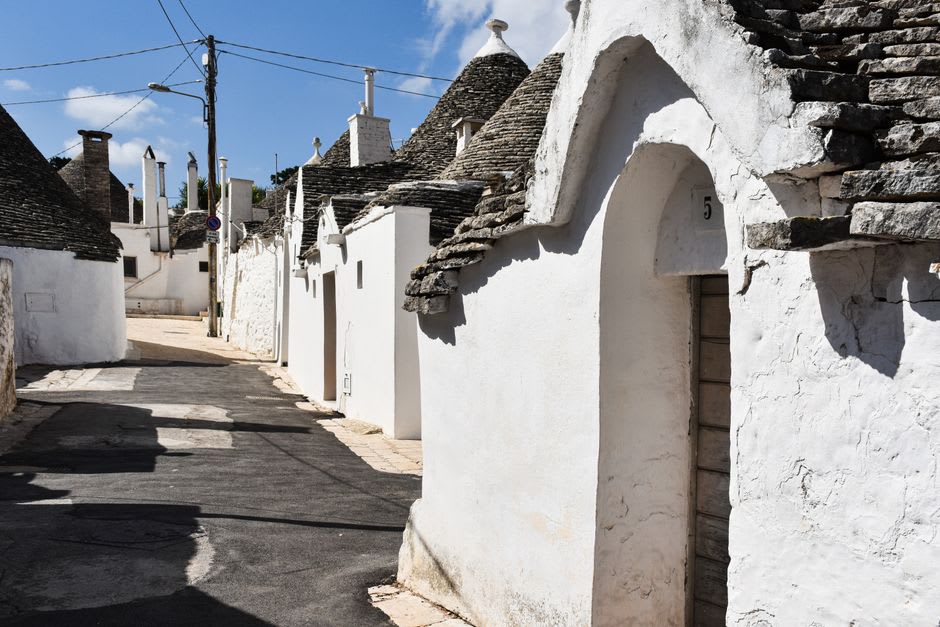
Behind the château, the village itself is troglodyte country — houses built partly into or directly out of the soft tuffeau limestone cliffs that run along this stretch of the Loire and its tributary the Vienne nearby. Some of these cave-dwellings are still lived in, others have become wine cellars or small galleries, and walking the lanes behind the main street we kept catching glimpses of rooms that were clearly carved rock on three sides and a plastered wall on the fourth. One winemaker let us duck into her cellar, cut straight into the hillside, a constant cool damp temperature that she said made air conditioning entirely unnecessary even in August.
We ended the evening on the little quay below the château watching barges that don’t run commercially anymore but still occasionally motor past for tourists, the water close enough that I understood, finally, why this spot was chosen for a fortress in the first place — control the river here and you controlled everything moving along it.
When to go: September through October, when the troglodyte wine cellars are busiest with the new vintage and the light on the tuffeau stone turns a warm gold in the late afternoon.
Keep exploring
More of Loire Valley