Cheverny
"Most châteaux in the Loire changed owners a dozen times. Cheverny just quietly stayed in the same family for six centuries."
The one Loire château that's never changed hands or lost its shape in four hundred years, still lived in by the same family, still feeding a hundred hounds every afternoon at five.
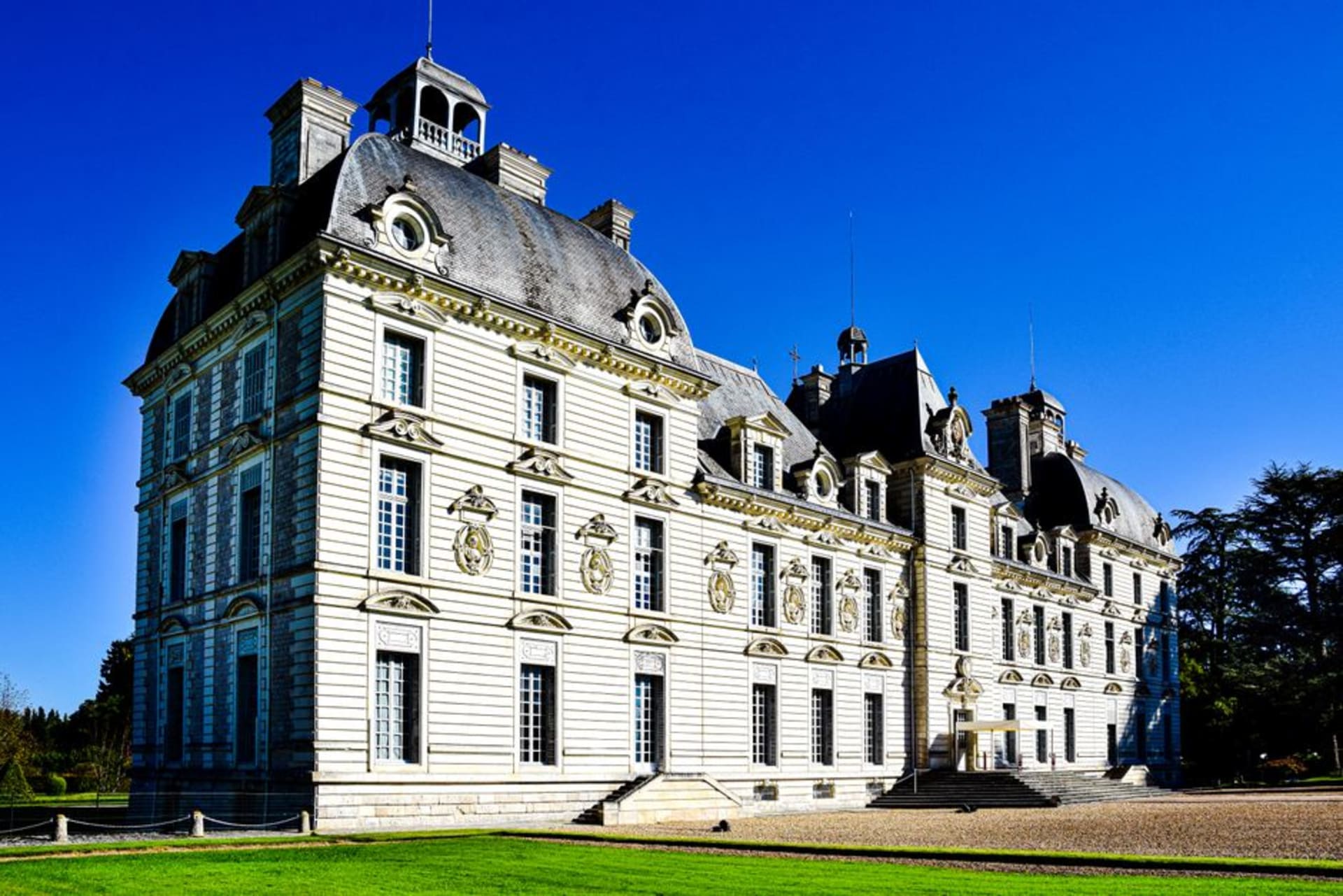
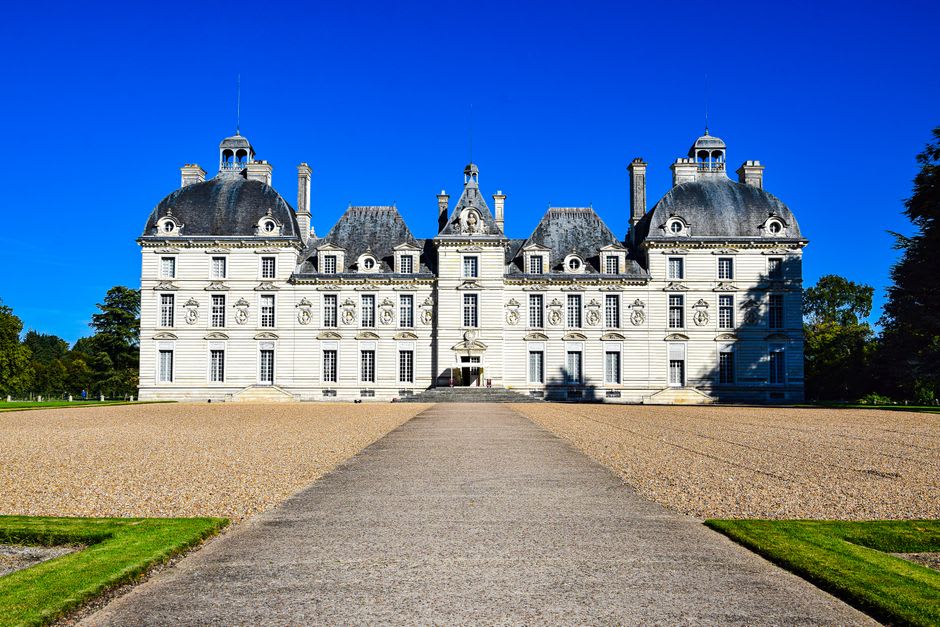
Cheverny is the château I recommend to people who tell me they’re getting a little tired of the Loire circuit — which sounds backwards, because on paper it’s the most classically “château” château of the lot: perfect symmetry, pale stone, a still pool out front that doubles the whole building at sunset. But what makes it different isn’t the architecture, it’s the fact that the Hurault family has owned it since the fourteenth century and still lives there today. No revolutionary confiscation, no bankrupt sale to a distant industrialist, no centuries of the building passing between strangers. Lia and I walked through rooms with the current family’s portraits hanging next to sixteenth-century ancestors, which gave the whole visit a continuity I hadn’t felt anywhere else on the river.
Five o’clock with a hundred hounds
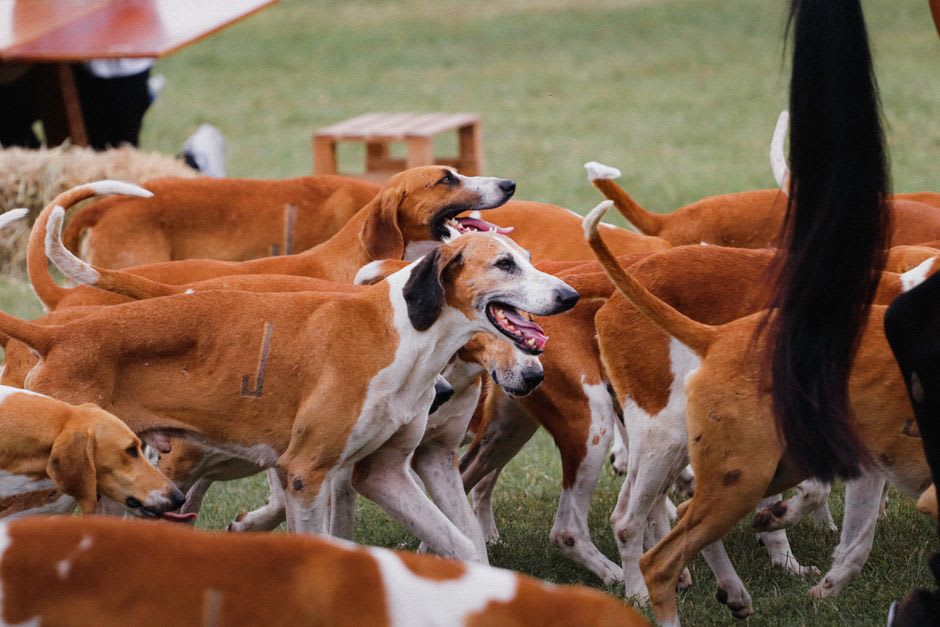
The thing that actually pulled us off the main road toward Cheverny, though, wasn’t the château at all — it was the dogs. The estate keeps a pack of more than a hundred English-French crossbred hunting hounds, still used for hunting in season, and every afternoon around five the keepers feed them in a ritual called the soupe des chiens. We stood at the kennel fence and watched a wall of hounds go from dead silent to an absolute wall of noise the second the meat came out, then drop into total obedience the instant the huntsman raised his hand. I’ve watched a lot of orchestrated tourist spectacles in my time here; this wasn’t one. The dogs live there, hunt there, and the feeding is a genuine part of managing a working pack, not a show staged for us. It happened to be extraordinary to watch anyway.
The château Hergé put in a comic book
The other thing I didn’t expect to care about was Tintin. Hergé, apparently, used Cheverny’s facade almost stone for stone as the model for Moulinsart — Marlinspike Hall in the English translations — the ancestral home of Captain Haddock throughout the Tintin books. There’s a small permanent exhibition on the grounds built around it, with reproduced panels next to the real rooms they were drawn from, and comparing the drawn version to the real facade outside the window was a genuinely fun bit of pattern-matching. I grew up on those books in French before I ever thought about moving anywhere, and finding out the setting was a real, still-standing, still-inhabited house rather than an artist’s invention changed how I saw the whole building. Lia, who never read Tintin as a kid, mostly just watched me get unreasonably excited about a comic book connection to a seventeenth-century château.
When to go: Time your visit for late afternoon so you can catch the dog feeding around 5pm alongside the château tour — spring and autumn both keep the crowds down and the light on the front pool at its best.
Keep exploring
More of Loire Valley