Angers
"I've never felt genuinely small in front of a piece of fabric before this tapestry."
A city built from black slate that Parisians used to call the 'Black City,' home to the largest medieval tapestry in the world and a very good reason to stop taking notes and just look.
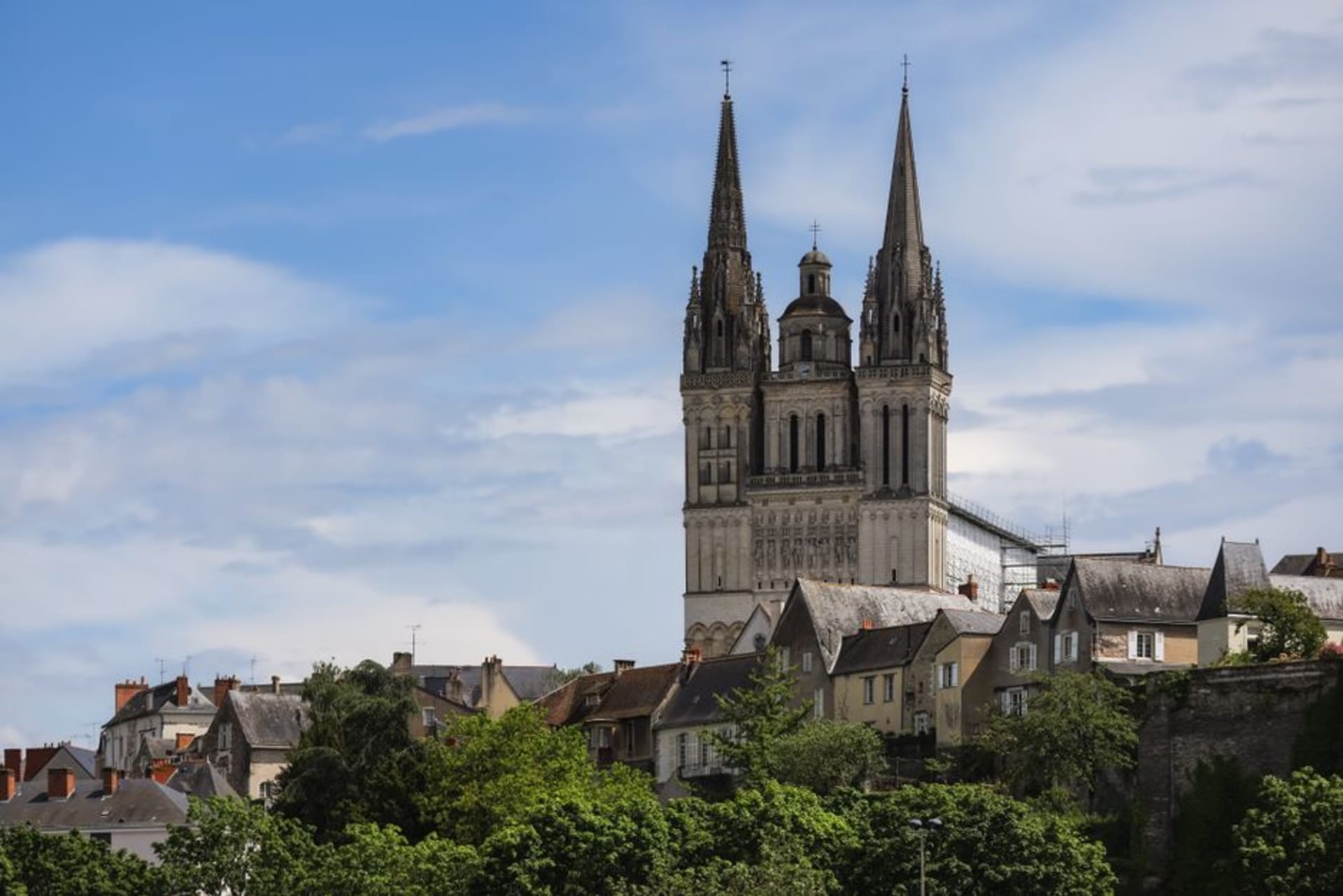
Angers surprised me by how different it looks from everywhere else we’d driven through in the valley. Instead of the pale golden tuffeau stone of Amboise or Chinon, this is a city built substantially from dark, almost black schist slate, quarried locally for centuries, and the effect under grey Loire skies is genuinely striking — moody in a way none of the sunnier château towns manage. It was the historic capital of Anjou, the county that gave England the Plantagenet dynasty, and it still carries itself like a place that used to matter to more than just France.
Seventeen towers and a moat with no water
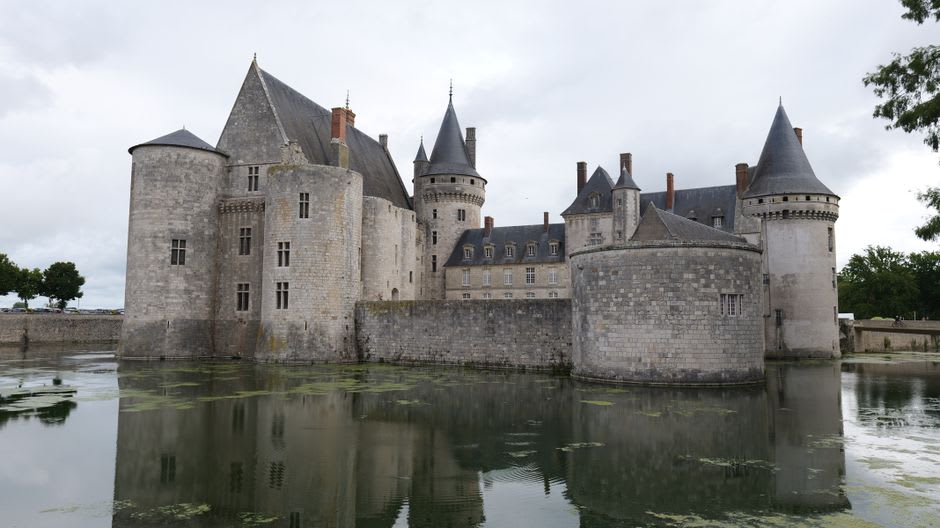
The Château d’Angers is unlike any other fortress we saw on this trip. Seventeen massive round towers built from alternating bands of dark schist and pale limestone, connected by curtain walls over a dry moat that’s now planted as a garden rather than filled with water. It was built defensively, quickly, under Louis IX in the thirteenth century in direct response to the threat posed by the English-held territories nearby, and it shows — this is not a pleasure château, it’s a statement of force, blunt and enormous, ringed by the kind of walls that make you understand medieval siege warfare in a way no museum plaque can.
The tapestry that stopped us mid-sentence
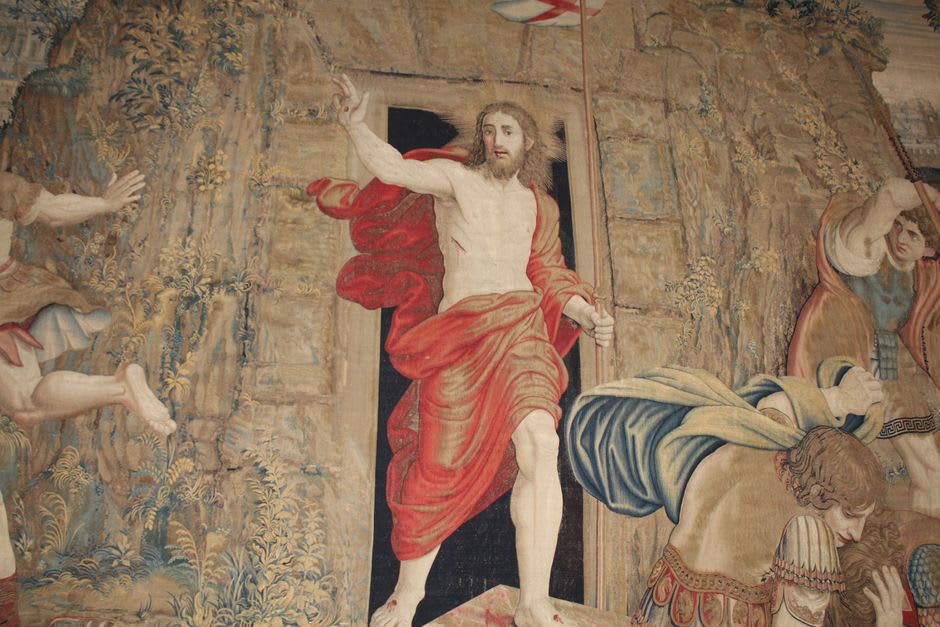
Inside, though, is the reason people actually make the trip: the Apocalypse Tapestry, commissioned in the 1370s by Louis I of Anjou and depicting the Book of Revelation across what was originally around 140 metres of woven wool, of which roughly 100 metres survive. It’s the largest medieval tapestry ensemble in the world, displayed in a purpose-built dim gallery that keeps the six-hundred-plus-year-old dyes from fading further, and walking along it in near silence — dragons, angels, plagues, a scene of judgment stretching further than I could take in at once — was one of the most quietly overwhelming things either of us experienced in the whole valley. Lia, who isn’t easily impressed by museum pieces, stopped talking entirely for a full ten minutes, which for her is basically a five-star review.
We spent the rest of the afternoon wandering the old town around the cathedral, half-timbered houses leaning at odd angles over narrow streets, and had dinner at a small bistro that served a very good regional specialty, rillauds — cubes of pork belly slow-cooked until dark and crisp — with a glass of the sweet Anjou white that carries the region’s name.
When to go: Any season works for the tapestry itself, kept climate-controlled year-round, but spring gives you the best light for the château’s dry moat gardens.
Keep exploring
More of Loire Valley