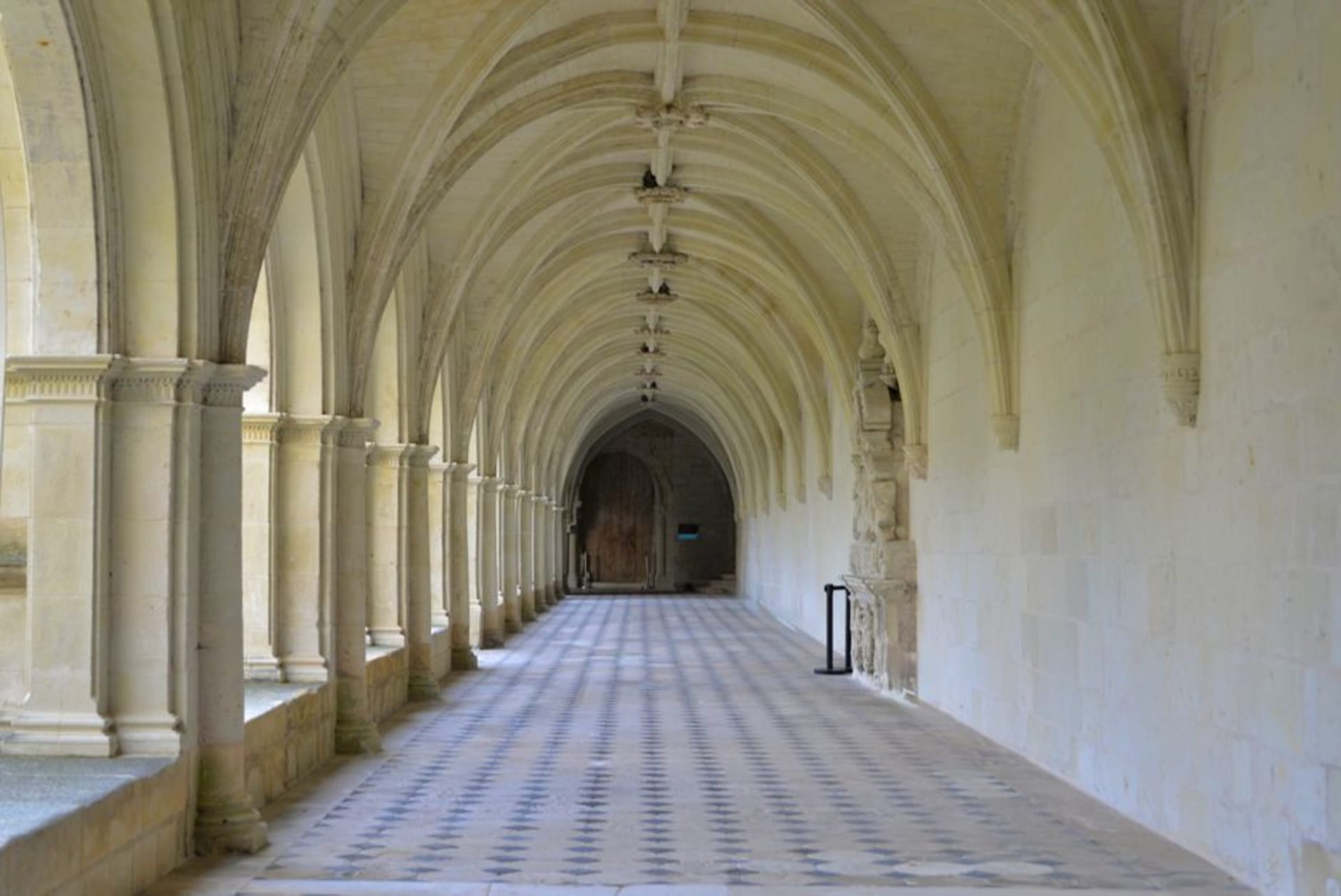
Fontevraud-l'Abbaye
"I've toured a lot of French abbeys. None of them were run by a woman with absolute authority over the monks too."
The abbey where a formidable queen chose to be buried instead of any cathedral in France, and where Lia and I ended up whispering in a nave built for a thousand monks and nuns who answered to a woman.
I’ll admit I drove past the exit for Fontevraud twice before I ever stopped, because “abbey” sounded like a box to tick between châteaux — another cloister, another gift shop selling lavender soap. Then a friend in Saumur told me it wasn’t really an abbey at all, not in the way I was picturing. It was a monastic city, the largest one that ever existed in Europe, and the woman who ran it for eight centuries answered to no bishop. I went the following week with Lia, half out of stubbornness, and it turned out to be one of the strangest, most moving places we’d seen in the Loire.
A queen’s order, run by a queen
Fontevraud was founded in 1101 by a wandering preacher named Robert of Arbrissel, and his one radical rule was this: the whole community — monks, nuns, lepers, reformed prostitutes, the lot — would be governed by an abbess. Not a token role. Real authority, over men included, for the entire life of the institution until the Revolution. Standing in the chapter house where those women once ruled, I kept doing the math on how unusual that was for medieval Europe and kept coming up short. Lia, who studies this stuff more seriously than I do, just kept saying “there’s nothing else like it” under her breath as we walked.
That’s before you even get to the tombs. In the middle of the abbey church, isolated and painted, lie the recumbent effigies of Henry II of England, Eleanor of Aquitaine, and their son Richard the Lionheart — the beating heart of the Plantagenet empire, buried not in Westminster or Rouen but here, in an abbey in the Loire, because Eleanor chose it herself. Her effigy shows her reading a book, which felt right. Even carved in stone eight hundred years ago, she looks like she’s ignoring everyone around her.
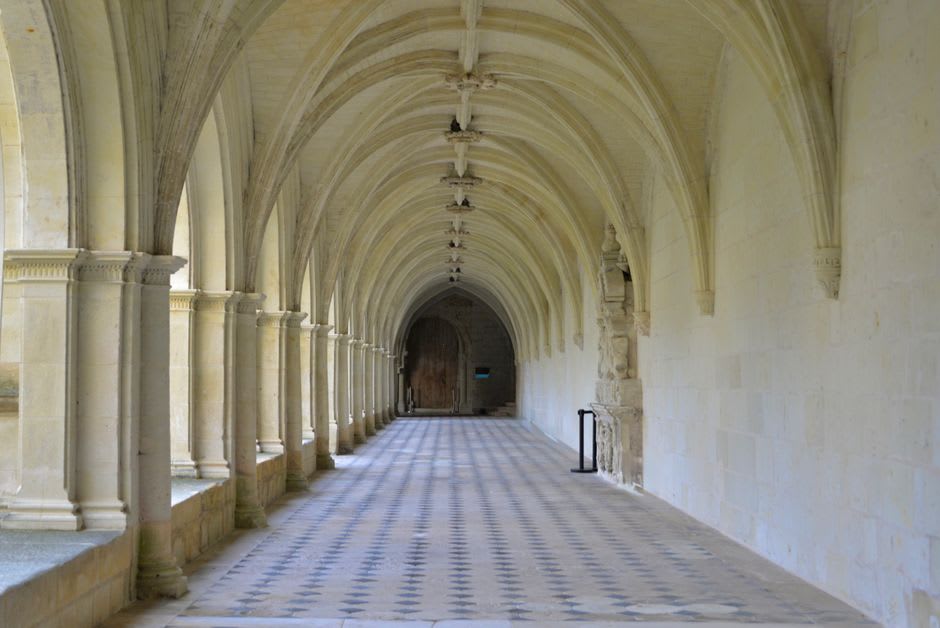
The kitchen that looks like nothing else in France
If the church is solemn, the Romanesque kitchen — the Tour Évraud — is the one building at Fontevraud that made me laugh out loud with delight. It’s a stone octagon bristling with twenty conical chimneys shaped like fish scales, built in the twelfth century to smoke meat and fish for a community of hundreds without burning the whole place down. There is genuinely nothing else like it left standing in France. I’ve since learned architects still can’t fully agree on how it worked. Lia took about forty photos of it from different angles, and I don’t blame her.
What stuck with me on the walk back to the car wasn’t the grandeur, though — it was learning that after the Revolution, Napoleon turned Fontevraud into a prison, and it stayed one until 1963. Monks’ cells became inmate cells for a hundred and fifty years. You can still feel that layered history in the stone: sacred, then punitive, now quietly reclaimed as a museum and cultural center. Few places wear that many centuries so visibly.
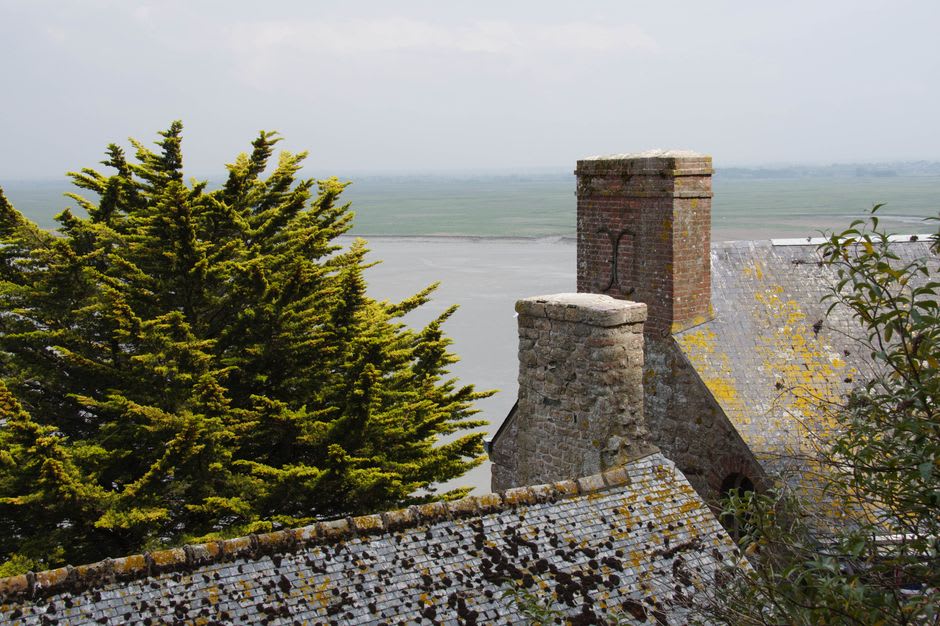
When to go: Late spring through early autumn gives you the cloister gardens in bloom and long evening light on the tufa stone, but if you can, go on a weekday morning in September — we had the nave nearly to ourselves, and the silence there is worth planning around.
Keep exploring
More of Loire Valley