Sully-sur-Loire
"It's the only château we visited where the water wasn't decoration — it was the whole point."
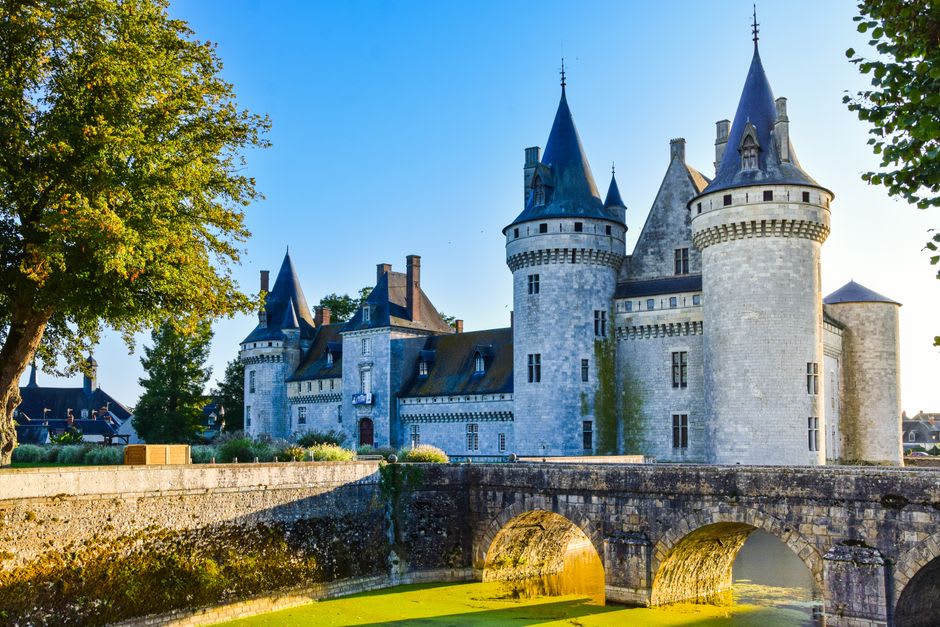
A château surrounded entirely by its own moat at the eastern edge of the valley, where Henri IV's most trusted minister once lived and Voltaire once hid from a duel.
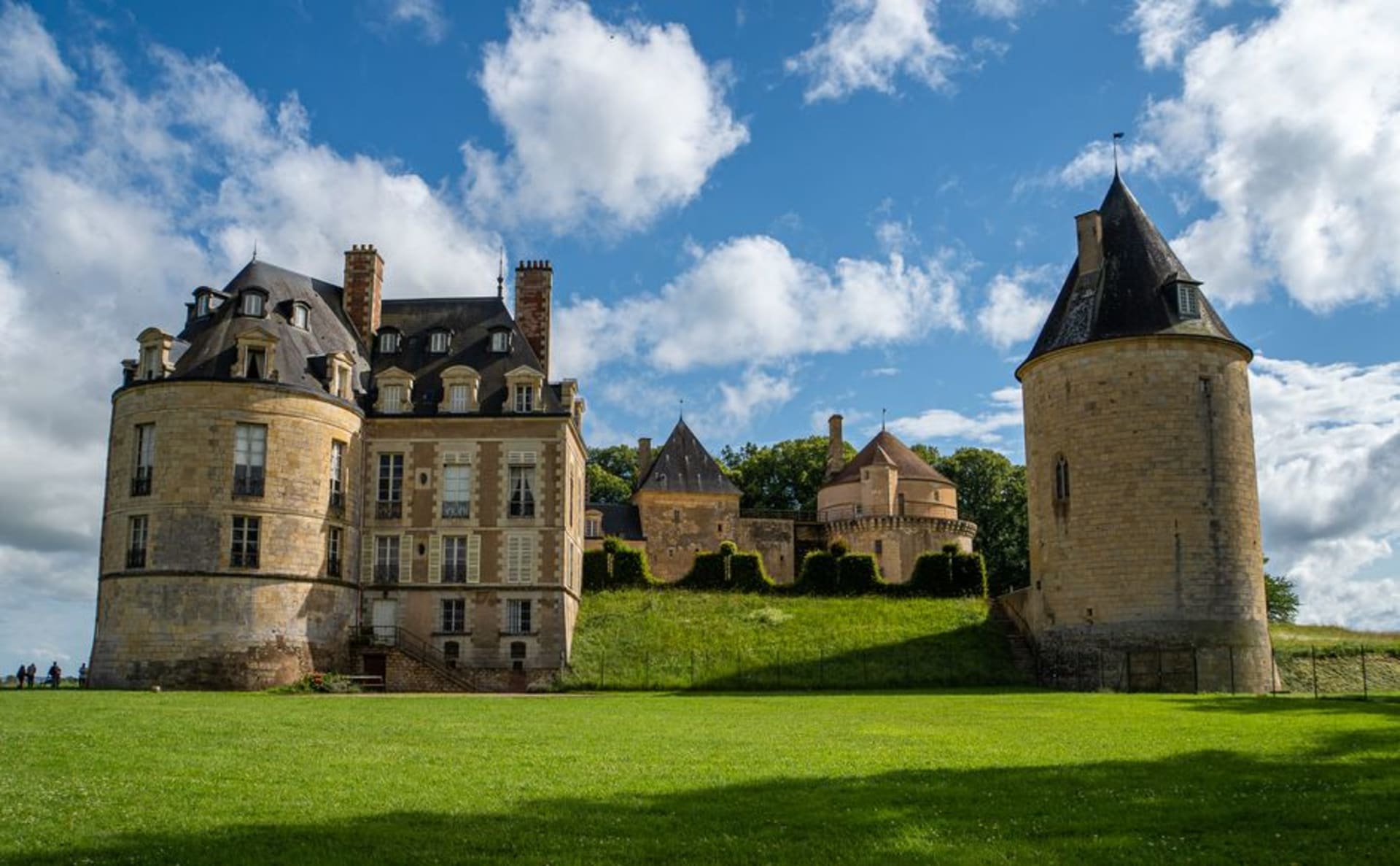
Sully-sur-Loire is the first serious château you hit if you’re driving the valley east to west from Orléans, and it’s a strange one to start with because it looks less like a Renaissance showpiece and more like what it actually is — a fortress that happens to be beautiful. The whole structure sits inside a real, full moat fed directly by the Loire and a diverted arm of the river, round towers rising straight out of the water with no bank in between. Lia said it looked like it was floating, and once she said it I couldn’t unsee it.
The minister who kept France solvent
The château’s most famous resident wasn’t a king but a manager. Maximilien de Béthune, Duke of Sully, was Henri IV’s finance minister and the man largely credited with rebuilding France’s treasury after decades of religious war had bankrupted the crown. He bought the château in 1602 and it became his retirement seat after Henri’s assassination in 1610, and touring the rooms it’s obvious this was a working estate for a serious administrator, not a royal pleasure retreat. The medieval keep still has its original oak-beamed roof frame, a colossal double hull of timber that our guide compared to an upturned ship’s hull, and it was genuinely one of the most impressive pieces of pure carpentry I’ve seen in any building this age.
The levee that made the valley livable
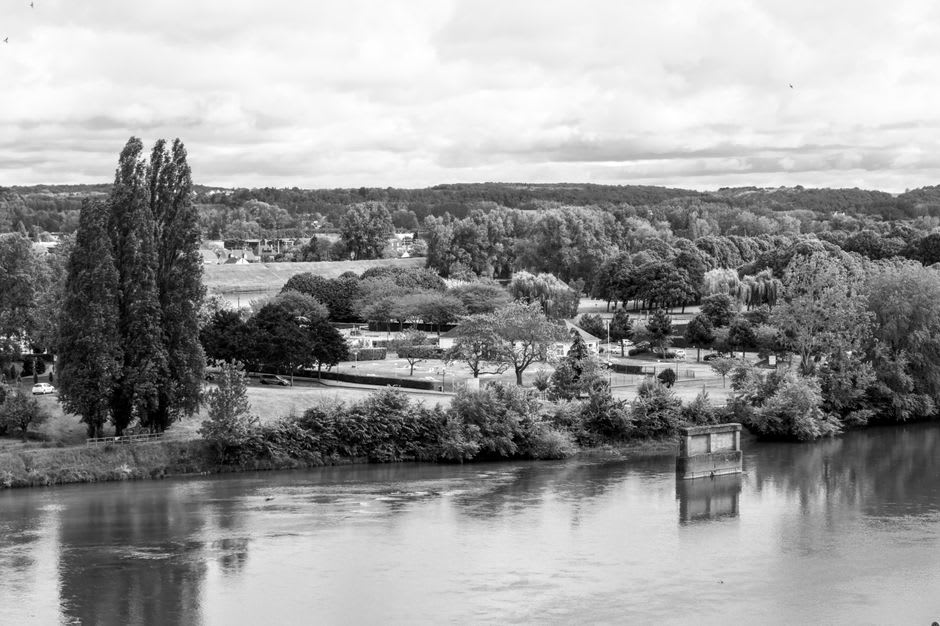
What struck me more than the château, honestly, was learning about the Loire’s levee system on the drive out. The river through this stretch of the valley has been contained for close to a thousand years by an engineered system of earthen dikes, the levées, first built in the twelfth century to protect farmland and towns from the Loire’s famously violent floods — this is a river that can rise several metres in a day. Sully-sur-Loire sits right at a point where the levee history is visible if you know to look for it, raised roads and embankments that aren’t hills, they’re flood defence, centuries old and still doing their job. It changed how I saw the whole rest of the valley: this gentle, vineyard-lined river everyone photographs so calmly has been fought into behaving.
There’s also a smaller, odder footnote: Voltaire spent time here in 1719, sheltering with the Sully family after mocking the wrong nobleman and narrowly avoiding a duel. He apparently found the countryside dull and the company excellent, which felt like a very Voltaire complaint.
When to go: Early morning, if you can manage it — the moat is at its stillest before the wind picks up, and the reflection of the towers on the water is worth losing an hour of sleep for.
Keep exploring
More of Loire Valley