Africa
Egypt
"The place where history stops being abstract and becomes physical."
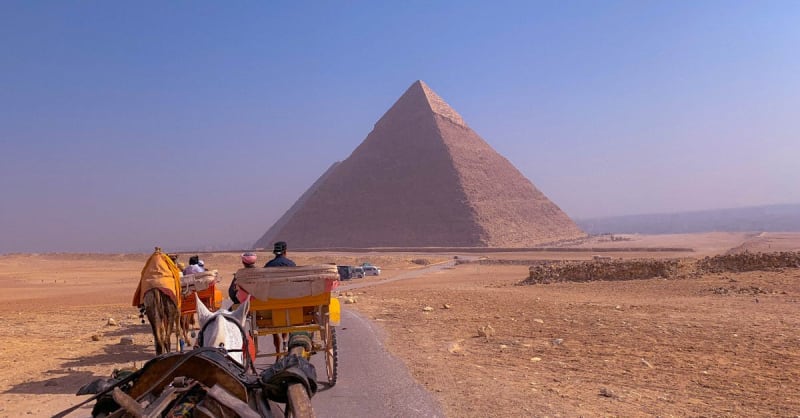
Nothing prepares you for the scale. Photographs of the pyramids at Giza flatten them into postcards, strip them of the quality that makes them staggering in person — which is simply that they are there, impossibly massive, built by human hands in an age before iron tools. You stand at the base of the Great Pyramid and the mathematics become visceral. Two point three million blocks. Each one heavier than a car. Placed with a precision that modern engineers study with genuine bewilderment. Egypt is full of moments like this, where the distance between what you know intellectually and what you experience physically collapses into awe.
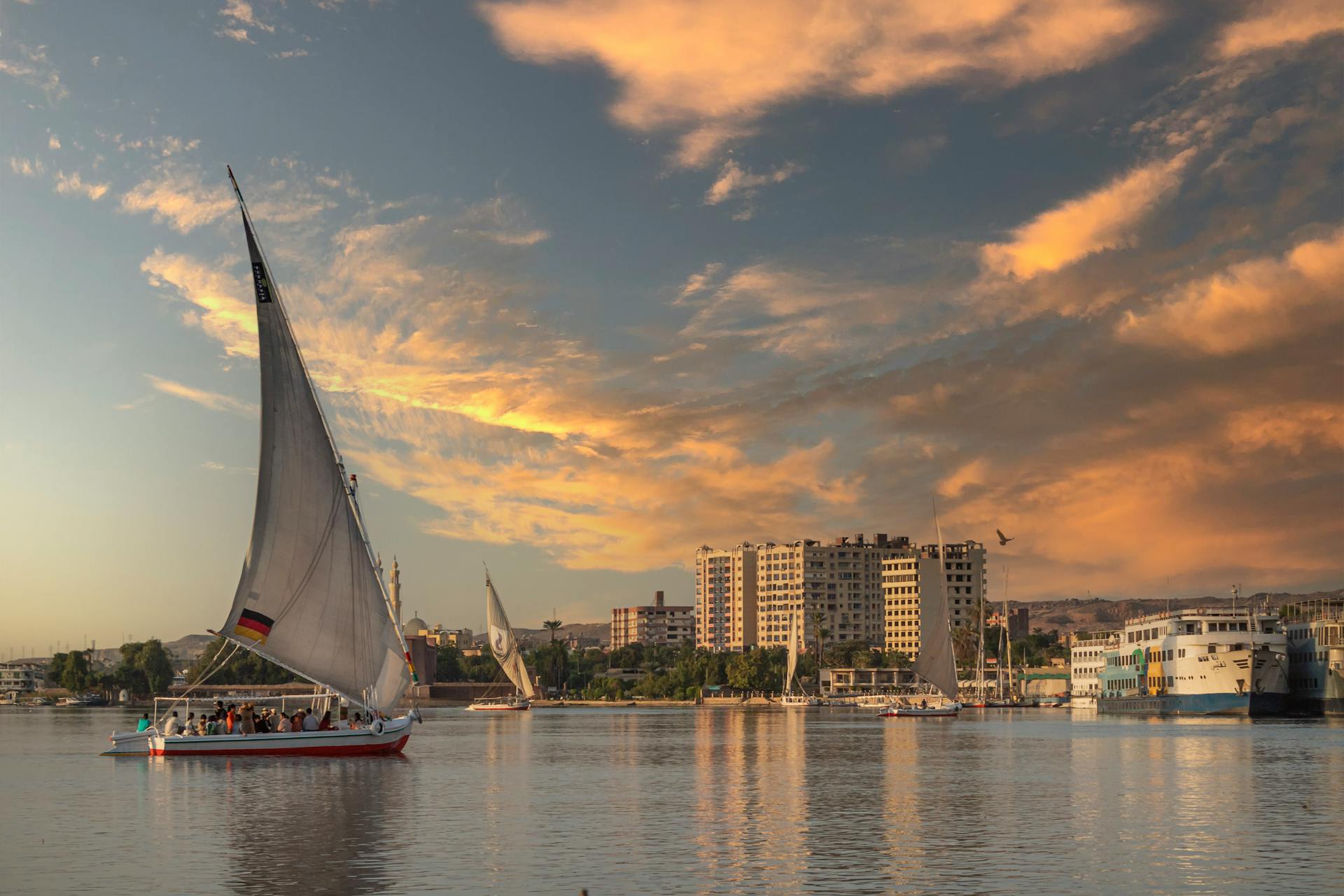
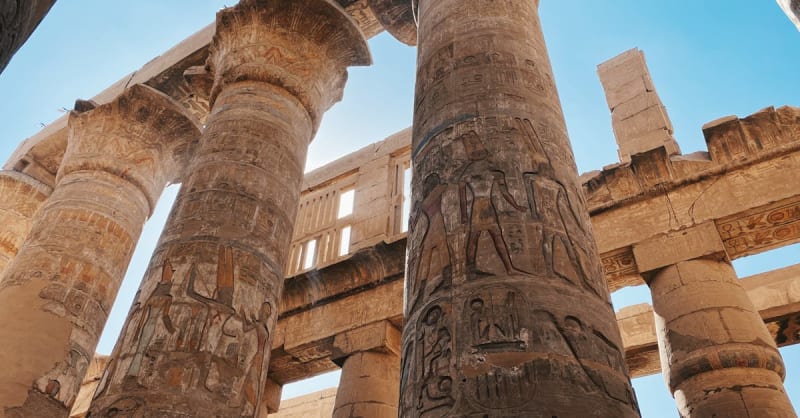
Luxor is where Egypt deepens. The Valley of the Kings, the temple complex at Karnak, the colonnades at Luxor Temple lit amber at night — this is the densest concentration of monumental architecture on earth, and walking through it produces a strange vertigo, a feeling that time has texture here. A multi-day felucca sail on the Nile between Aswan and Luxor strips the experience down further: just the river, the desert banks, the egrets, and the silence that the pharaohs would have recognized.
The Red Sea coast is a different country entirely — coral reefs that rank among the world’s best, warm water year-round, and resort towns that range from overdeveloped to genuinely charming. Dahab, on the Sinai side, remains the standout: a former Bedouin fishing village with world-class diving and a pace of life that makes the Nile Valley feel frantic.
When to go: October to April for the Nile Valley and Cairo — summer temperatures in Luxor and Aswan routinely exceed 40 degrees Celsius. The Red Sea is diveable year-round, with the best visibility from June to September.
What most guides get wrong: They rush it. A standard Egypt package crams Cairo, Luxor, and Aswan into five days, which produces exhaustion rather than wonder. The monuments demand time and repetition — Karnak at dawn is a different place than Karnak at midday. Build in days with nothing planned. Sit in a Cairo coffee shop. Watch the Nile. Let the weight of the place settle.
Explore
Places in Egypt

Abu Simbel
Ramesses II's colossal lakeside temple, carved from a cliff face and famously relocated to save it from the rising waters of Lake Nasser.
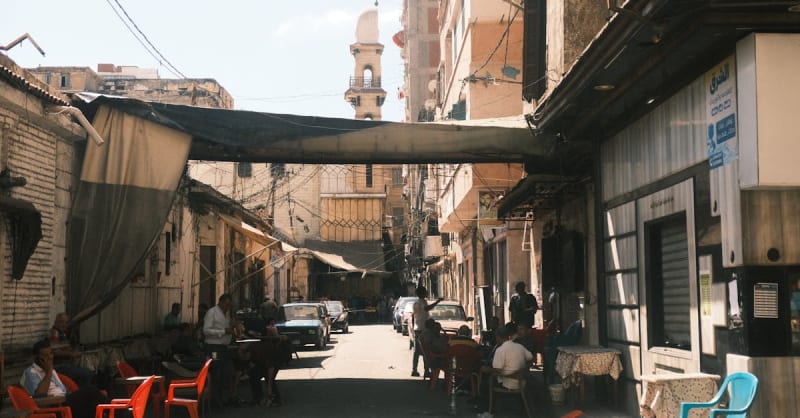
Alexandria
Egypt's Mediterranean face, a faded cosmopolitan port where Greek, Roman, and Ottoman layers peek through modern concrete.
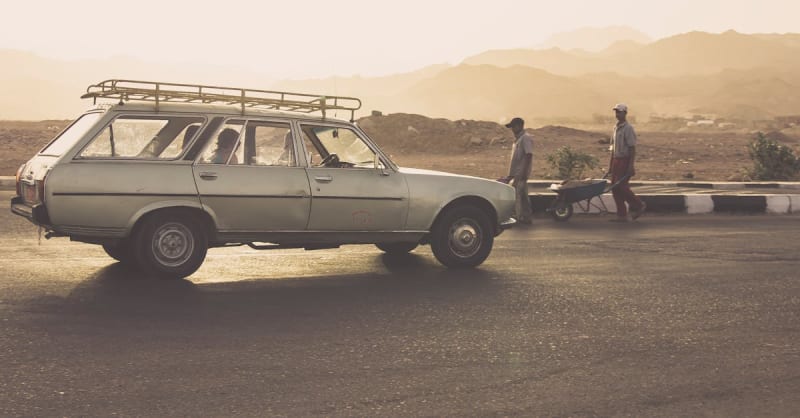
Aswan
Egypt's sunniest city, where the Nile narrows between granite boulders and Nubian culture adds color to the southern frontier.
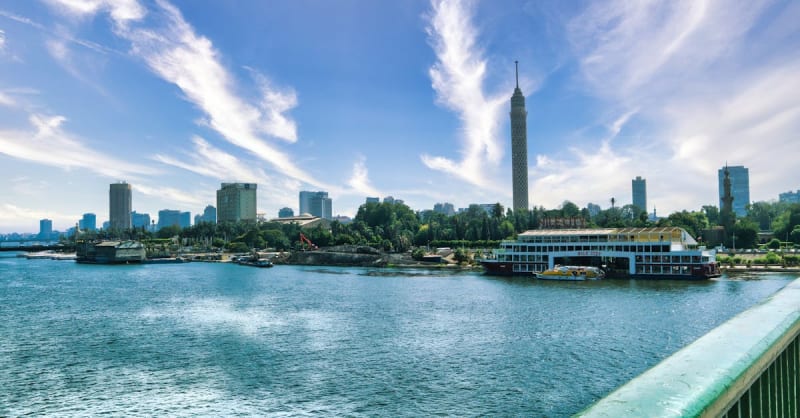
Cairo
The Mother of the World, where the Pyramids of Giza meet a teeming modern megacity of twenty million lives lived at full volume.
Dahab
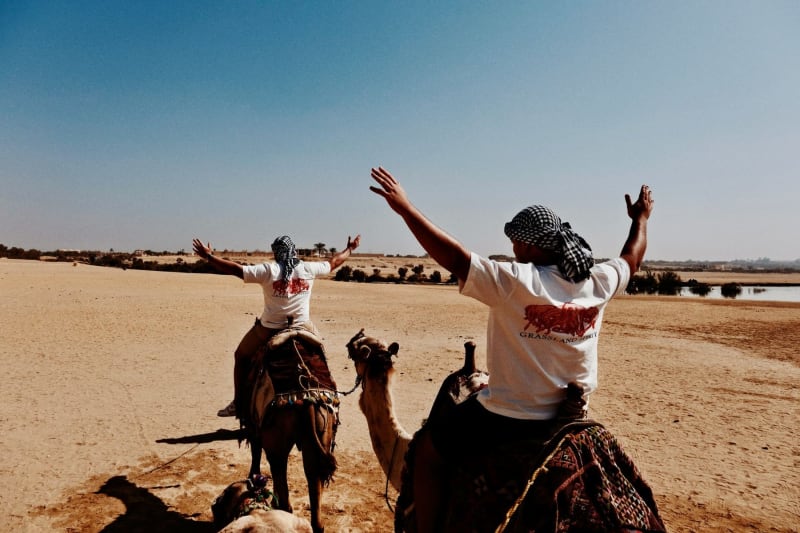
A laid-back Sinai beach town beloved by divers and backpackers, where world-class reef meets Bedouin hospitality.
El-Fayoum
An ancient oasis fed by Nile waters, ringed by waterwheels and a salty lake teeming with flamingos.
Hurghada
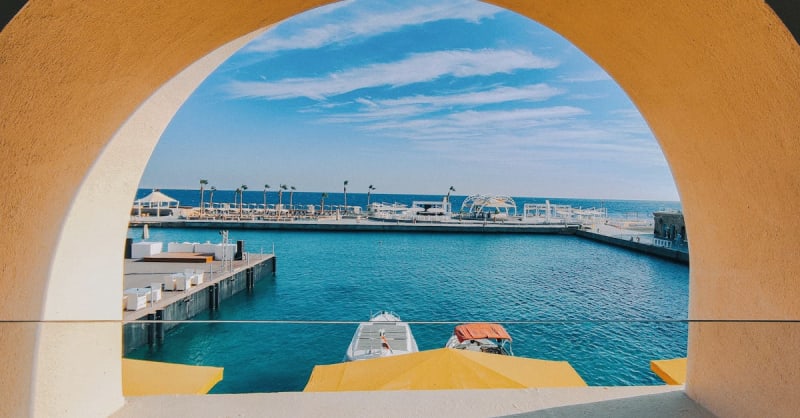
The Red Sea's original resort town, where world-class coral reefs and year-round sunshine draw divers and sun-seekers alike.

Luxor
The world's greatest open-air museum, where pharaonic temples line both banks of the Nile in staggering concentration.

Luxor East Bank
Karnak and Luxor temples stand on the living side of the ancient city, lit gold every evening by the sun.
Nile Cruise
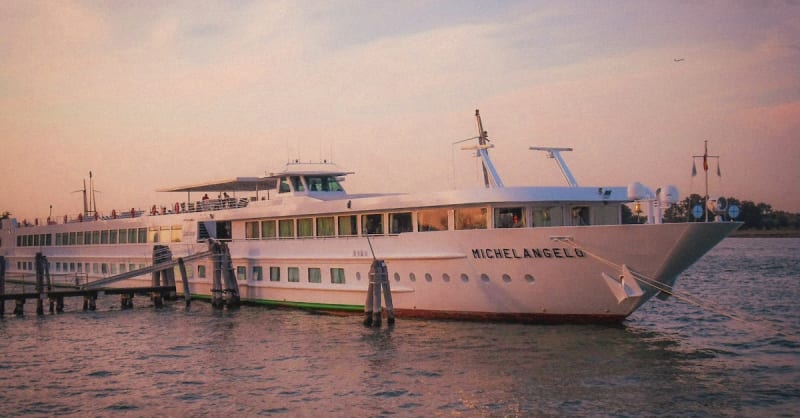
The timeless journey between Luxor and Aswan, gliding past temples, villages, and sugarcane fields on the world's longest river.
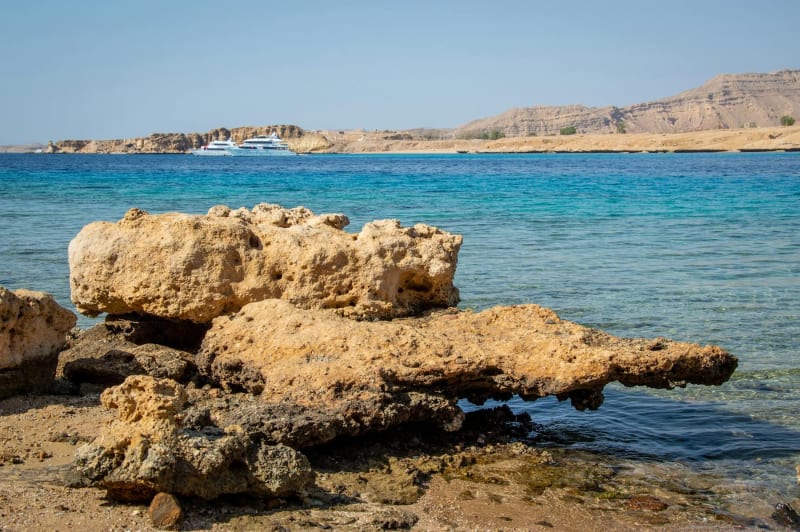
Ras Mohammed
Where the Red Sea meets the Gulf of Aqaba in a swirl of coral gardens and crystal-clear drop-offs.

Saqqara
The vast desert necropolis south of Cairo where the Step Pyramid of Djoser launched the whole idea of building in stone, with painted tombs that outshine Giza.

Sharm el-Sheikh
A purpose-built resort at the tip of Sinai, famous for Ras Mohammed's reefs and the blazing clarity of Red Sea diving.
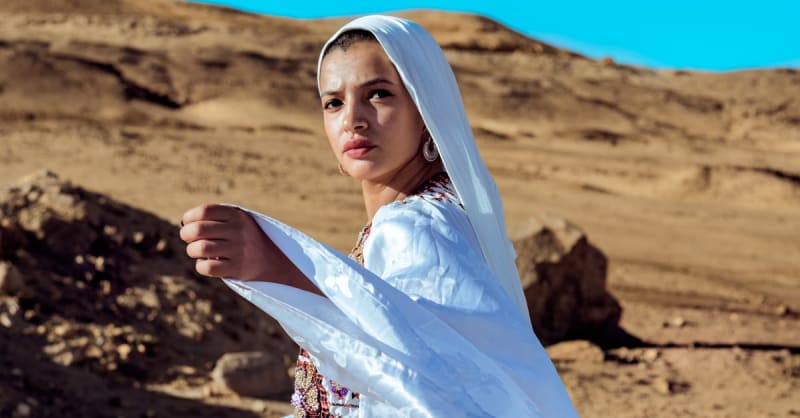
Siwa Oasis
A remote desert oasis near the Libyan border where Berber culture, salt lakes, and ancient oracle ruins create an otherworldly retreat.

Wadi el-Hitan
Valley of the Whales — a UNESCO site where 40-million-year-old whale skeletons emerge from the dunes.
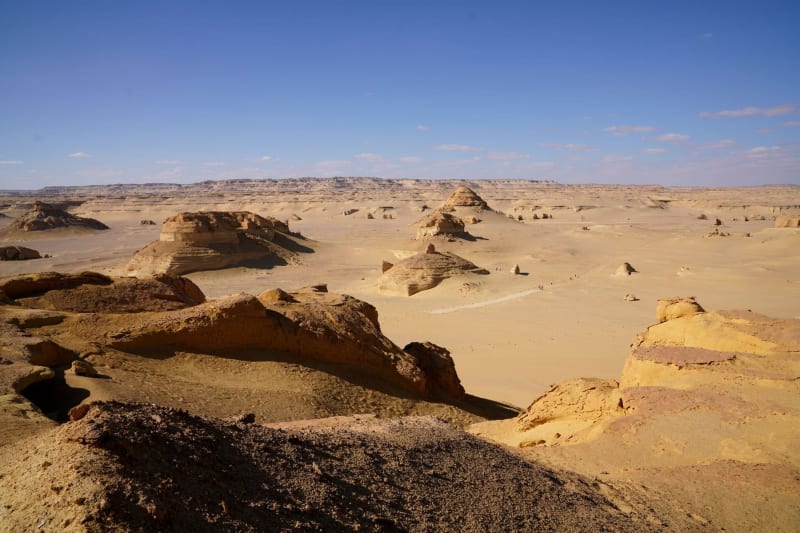
White Desert
Surreal chalk formations rise like frozen waves from the sand — one of Earth's most alien landscapes.
Free download
Get the Egypt Guide
A curated PDF itinerary with honest picks, real restaurants, and the details that matter — the kind you'd actually print and bring.
Download the guide