Getting to Siwa requires commitment. The oasis sits in the Western Desert, roughly fifty kilometres from the Libyan border and an eight-hour drive from the nearest city of any size. The road from Marsa Matruh crosses a flat, featureless limestone plateau that seems to go on forever — and then, quite suddenly, the land drops away and there it is: a green depression studded with palm groves, olive trees, and the pale gleam of salt lakes, surrounded on every side by nothing but sand and sky. The sense of arrival is overwhelming, less like reaching a destination than finding a secret someone has kept for a very long time.
Siwa’s most celebrated ruin is the Oracle Temple of Amun, perched on a rocky outcrop called Aghurmi that overlooks the palm canopy. This is where Alexander the Great came in 331 BC, crossing the desert from the coast to consult the oracle and, according to ancient accounts, to be confirmed as the son of Zeus-Amun — a divine endorsement that would bolster his claim to rule Egypt. The temple is modest in scale compared to the Nile Valley monuments, but its setting is extraordinary: from the top of the outcrop, the entire oasis spreads below you in a patchwork of green and gold, the silence broken only by birdsong and the occasional bray of a donkey. You feel, standing there, the same remoteness that made this place sacred.
Below the oracle hill, the old town of Shali is one of the most visually arresting ruins in Egypt. Built entirely of kershif — a local mixture of salt, mud, and rock — the fortress town rises in organic, melting forms that look more sculpted than constructed. A catastrophic rainstorm in 1926 partially dissolved the upper stories, and the remaining structures have been softening ever since, their edges rounded by weather into something that resembles a giant sandcastle returning to the earth. Restoration work has stabilized parts of the fortress, and a few cafes and shops now occupy the lower levels, but the overall effect remains hauntingly beautiful, especially when lit by the low, amber light of late afternoon.
The natural landscape around Siwa is where the oasis truly astonishes. Cleopatra’s Spring — named, like half the sites in Egypt, with more romance than historical accuracy — is a circular stone pool fed by a natural spring, its water a vivid, slightly sulphurous blue-green. Locals swim here year-round, and the pool sits among palm groves that give it a timeless, almost Edenic quality. Further out, the salt lakes of Siwa shimmer in shades of turquoise and white, their shores crusted with crystalline formations. The salt content is so high that floating is effortless, a sensation familiar to Dead Sea visitors but far more remote and far less crowded. On still days, the lakes mirror the sky so perfectly that the horizon dissolves entirely.
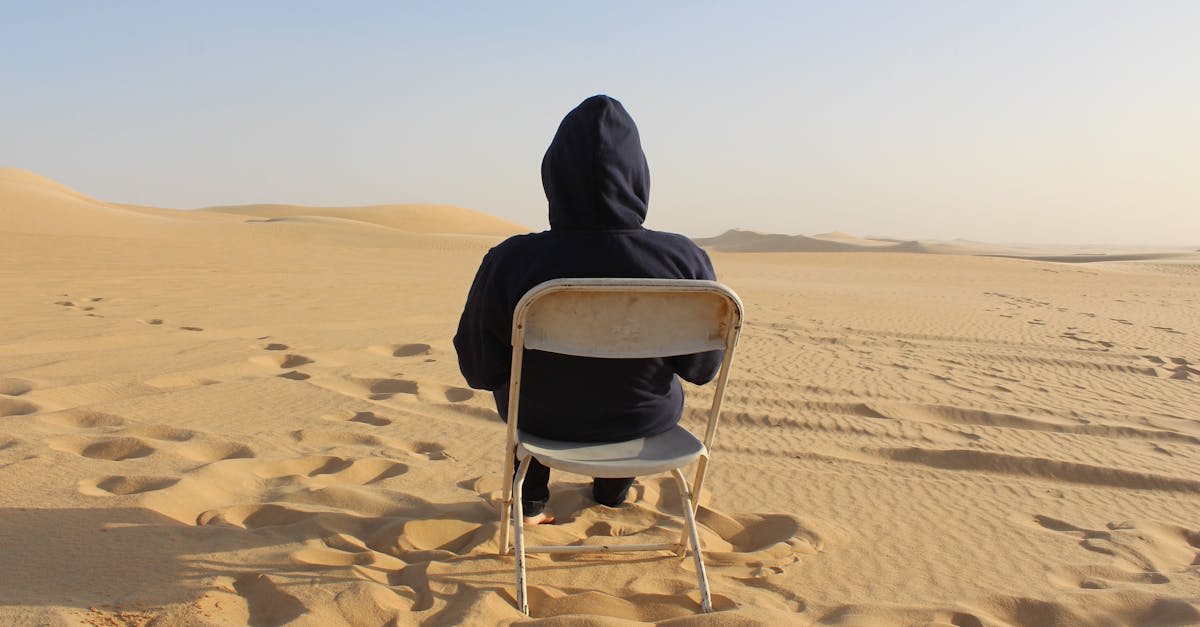
The adventure deepens at Bir Wahed, a hot spring set in the open desert about fifteen kilometres from town. The drive out crosses increasingly dramatic dunescapes before arriving at a small, warm pool surrounded by nothing but sand in every direction. Bathing here at night, under a sky dense with stars and free of any light pollution, is one of those experiences that resists adequate description. Beyond Bir Wahed, the Great Sand Sea stretches west toward Libya — an immense field of parallel dunes, some reaching heights of a hundred metres, that ranks among the most dramatic desert landscapes on the planet. Sunset excursions by 4x4 take you to the dune crests, where the sand turns pink and gold and the silence is so complete you can hear your own heartbeat.
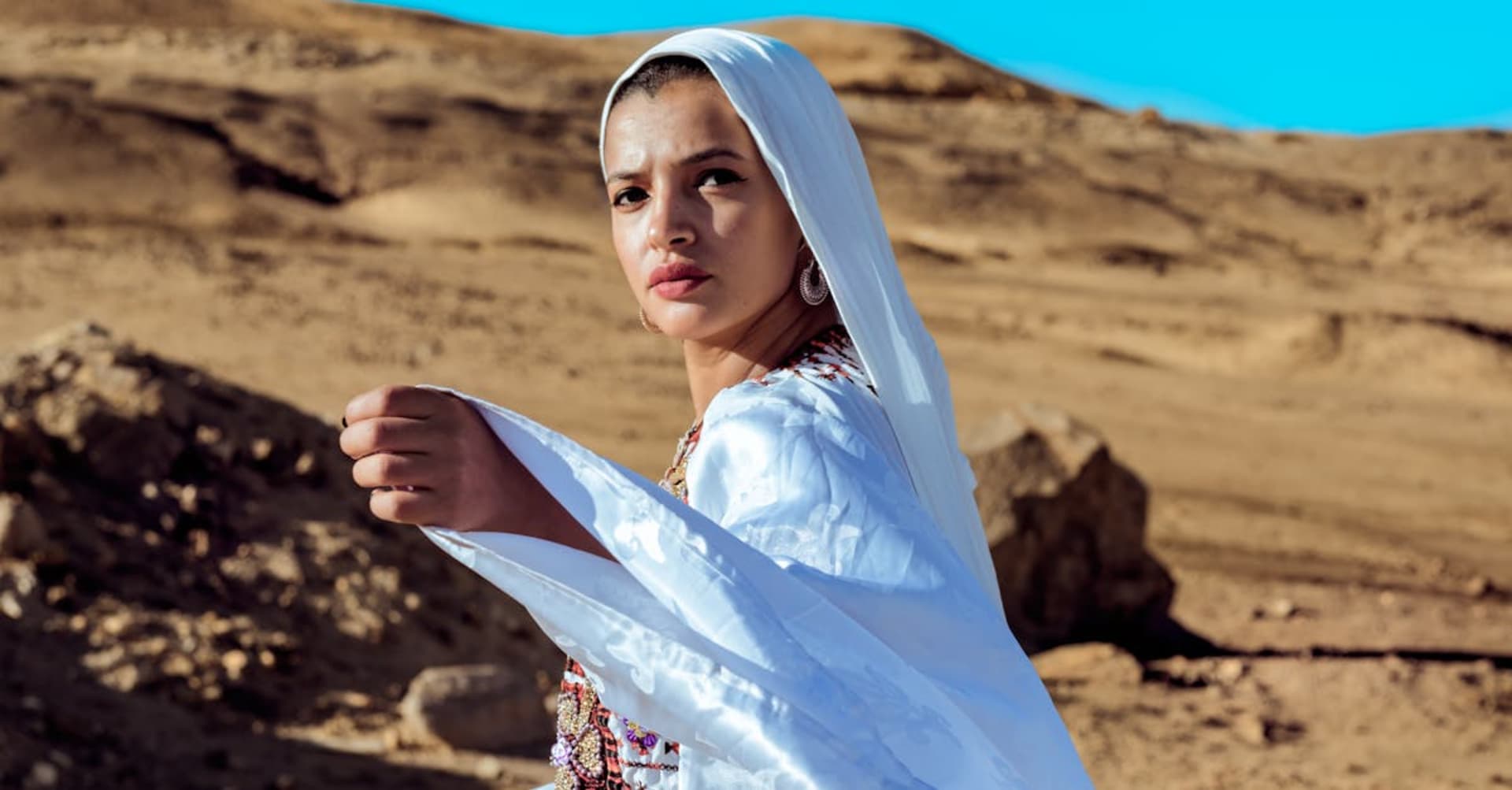
Siwan culture sets this oasis apart from the rest of Egypt. The people are Berber, not Arab, and speak Siwi, a language with no written form that is closer to the Amazigh tongues of Morocco and Algeria than to Egyptian Arabic. Traditions here run deep and independent — Siwan embroidery, silver jewellery, and dates harvested from the vast palm groves are central to daily life. The pace is gentle, almost meditative. Donkey carts outnumber cars on many streets. The local cuisine leans on olives, dates, and a roasted lamb dish prepared for special occasions. There is a self-sufficiency to Siwa that feels increasingly rare, a community shaped more by its landscape than by the modern state that claims it.
When to go: October through April brings comfortable desert temperatures, with cool nights and warm, bright days ideal for exploration. Summer is brutally hot — temperatures regularly exceed forty-five degrees Celsius — and only advisable for those with a genuine tolerance for extremes. Spring can occasionally bring sandstorms, but they are brief and the post-storm clarity of the desert light is extraordinary.