
Sharm el-Sheikh occupies one of the more improbable locations for a resort town — the southern tip of the Sinai Peninsula, where the desert mountains plunge directly into the Red Sea and the only reason anything exists at all is what lies beneath the waterline. On land, Sharm is pleasant enough: clean, modern, purpose-built for comfort. But drop below the surface and you enter a world that makes the terrestrial arrangements feel like a footnote. The reefs here are not just good. They are among the most celebrated underwater ecosystems on the planet, and they begin, quite literally, a few steps from shore.
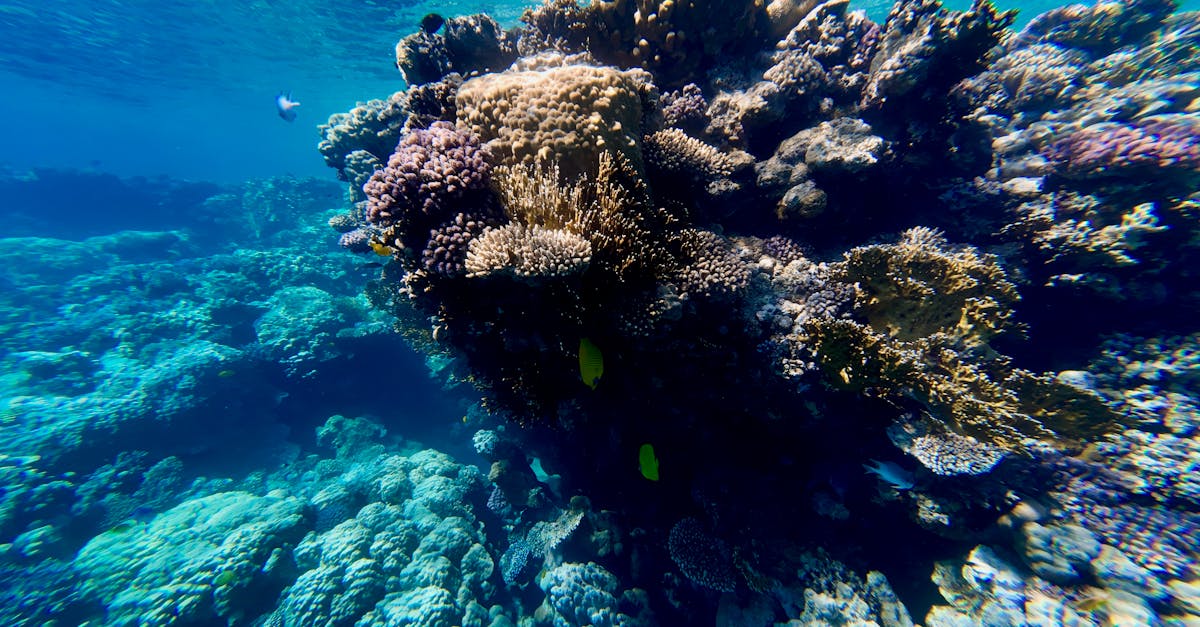
Ras Mohammed National Park sits at the very tip of the peninsula, where the Gulf of Suez and the Gulf of Aqaba converge, and the marine life benefits from the nutrient-rich currents that this meeting of waters produces. The park’s marquee site is the Shark and Yolanda Reef, a dive that combines a sheer coral wall — dropping into a blue void well beyond recreational limits — with a shallow plateau where the cargo of a sunken freighter, the Yolanda, lies scattered across the seabed. Bathroom fixtures, mostly: toilets, bathtubs, and sinks now encrusted with coral and patrolled by Napoleon wrasses and giant moray eels. The juxtaposition is surreal — a porcelain bathtub sitting on a coral shelf while a school of a thousand jackfish spirals overhead. Beyond the wreckage, the wall itself is draped in soft corals of orange, purple, and crimson, and the blue water beyond holds barracuda, reef sharks, and, in the cooler months, the occasional hammerhead gliding through the deep.
The other dive that puts Sharm on the world map lies further north, in the Strait of Gubal. The SS Thistlegorm is a British merchant navy ship sunk by German bombers in 1941 while carrying supplies to the Allied forces in North Africa. It rests at roughly thirty metres, remarkably intact, and its cargo holds are a frozen museum of wartime logistics — BSA motorcycles, Bedford trucks, rubber boots, rifles, ammunition, and railway locomotives, all colonised by coral and inhabited by glassfish that fill the corridors in shimmering clouds. Penetrating the wreck is an experience that blurs the line between diving and time travel, a haunting reminder of the war that touched even these remote waters.
Above the waterline, Naama Bay is the social centre of Sharm — a pedestrian promenade lined with restaurants, cafes, shisha lounges, and shops, curving around a beach where the snorkelling is surprisingly good for a town centre. The house reef drops away just metres from shore, and even a mask and fins reveal an abundance of coral and reef fish that would qualify as a highlight anywhere else. South of Naama Bay, Shark’s Bay offers a quieter alternative — a sheltered cove with a pontoon jetty extending over the reef flat, giving snorkellers and shore divers direct access to deeper water without a boat. The reef here is exceptionally healthy, thick with table corals and patrolled by hawksbill turtles that graze on sponges with unhurried deliberation.
What elevates Sharm beyond a standard beach resort is its backdrop. The Sinai mountains rise behind the coastal strip in a wall of jagged granite and sandstone, their colours shifting from ochre to rust to deep purple as the light changes. The contrast between the manicured resort lawns and the raw, ancient desert is startling and constant — a reminder that Sharm is a thin line of human comfort drawn along the edge of genuine wilderness. A drive into the interior reaches the Colored Canyon within a couple of hours, a narrow slot canyon whose walls display stratified bands of sandstone in cream, rust, and violet, polished smooth by millennia of flash floods. Further north, the pre-dawn climb of Mount Sinai — where Moses is said to have received the Ten Commandments — rewards with a sunrise that floods the entire granite landscape in gold, the mountains stretching to the horizon in every direction like a petrified sea.
The resort infrastructure in Sharm is extensive and well-maintained. International hotel chains line the coast, golf courses improbably green against the desert, and restaurants serve everything from sushi to traditional Egyptian mezze. But the real draw remains underwater, and the town knows it. Dive centres operate on nearly every block, offering everything from beginner courses in sheltered lagoons to advanced expeditions to remote sites accessible only by liveaboard. The clarity of the water — visibility frequently exceeds thirty metres — makes even routine dives feel cinematic, and the sheer density of marine life means that even a second or third visit reveals something new.
When to go: Diving is excellent year-round, but September through November offers the warmest water temperatures and the best visibility, often exceeding forty metres. Summer air temperatures are fierce — regularly above forty degrees — though the sea provides welcome relief. Winter is mild on the coast and brings the chance of hammerhead sightings in deeper water, though evenings can be surprisingly cool. Wind season in spring occasionally affects boat schedules but also creates good conditions for windsurfing and kiteboarding.