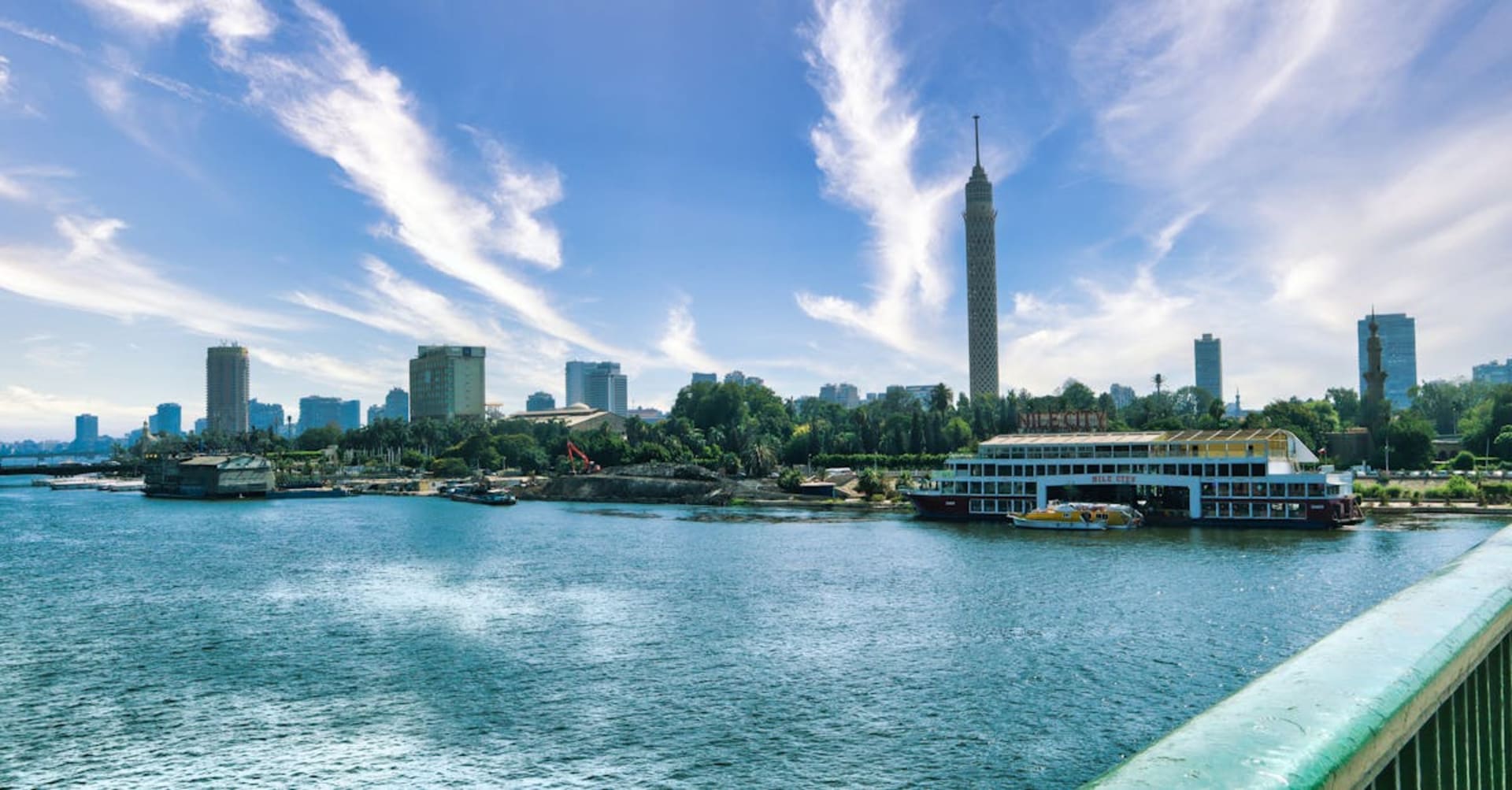
Cairo does not ease you in. It does not offer a gentle introduction, a soft landing, a moment to gather yourself before the plunge. The city arrives all at once — twenty million people moving through streets that seem to have been designed for five million at most, a symphony of car horns and prayer calls and the low hum of a civilization that has been continuously inhabited for longer than most nations have existed. This is Umm al-Dunya, the Mother of the World, and she demands your full attention from the first breath.
The Pyramids of Giza
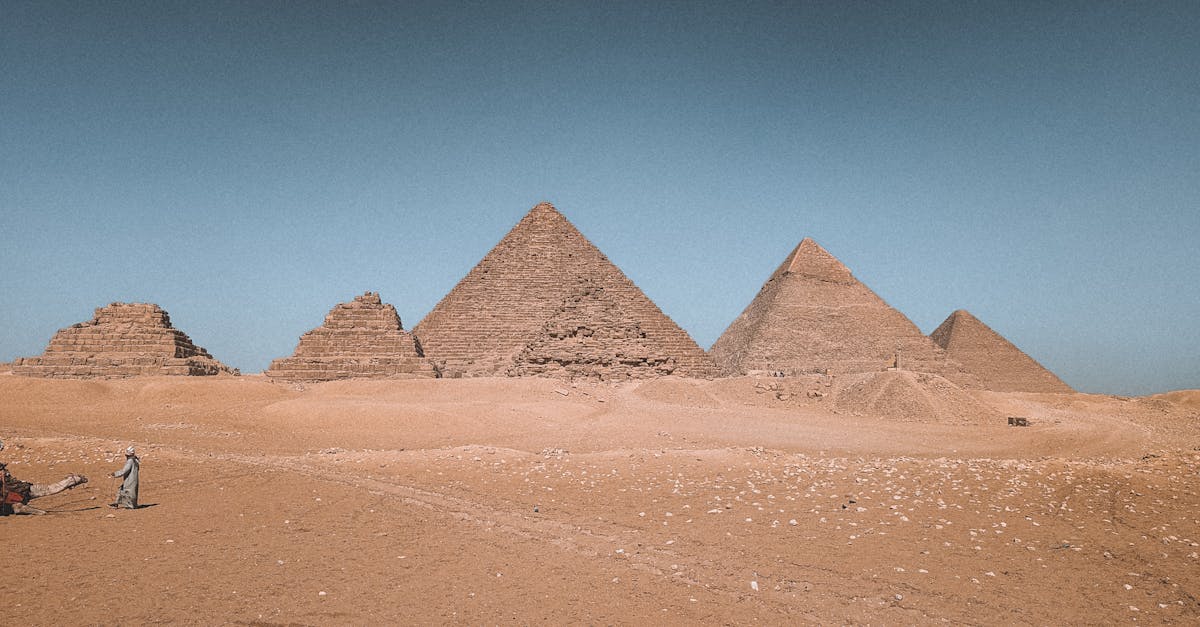
There is something almost absurd about the Pyramids. You have seen them a thousand times — on screens, in books, on the backs of banknotes — and yet nothing prepares you for the moment they materialize at the end of a congested Giza street, impossibly large, impossibly old, impossibly there amid the Pizza Huts and traffic jams of modern life. The Great Pyramid of Khufu is the last surviving wonder of the ancient world, and standing at its base, craning your neck to follow the limestone blocks upward into the haze, you begin to understand why. Each block weighs more than a car. There are 2.3 million of them. They were placed here forty-five centuries ago by a civilization that had not yet invented the wheel.
The Sphinx crouches nearby, smaller than you imagined but infinitely more weathered, its gaze fixed on the eastern horizon as it has been since before the Greeks, the Romans, the Arabs, the British, and everyone else who came and went while it stayed. Come at dawn if you can — the light is softer, the crowds thinner, and there is a quietness at that hour that lets you feel the weight of the place without distraction.
The Grand Egyptian Museum
For decades, the treasures of pharaonic Egypt were housed in the salmon-pink Egyptian Museum on Tahrir Square — a building so overstuffed with antiquities that many sat in dusty corridors, unlabeled, waiting for someone to notice them. The new Grand Egyptian Museum near Giza changes everything. One of the largest archaeological museums on earth, it finally gives Tutankhamun’s complete collection the space it deserves — over five thousand objects from his tomb alone, many never previously displayed. The gilded death mask remains the centerpiece, of course, but it is the smaller objects — the board games, the sandals, the childhood chair — that make a teenager who died three thousand years ago feel startlingly human. Allow at least half a day. You will want more.
Khan el-Khalili and Islamic Cairo
If the Pyramids are Cairo’s ancient heart, Khan el-Khalili is its medieval pulse. This bazaar has operated since 1382, and its narrow, covered lanes still hum with the commerce of copper workers, spice merchants, perfume sellers, and jewelers whose families have held the same stall for generations. The air is thick with oud smoke and the clatter of brass being hammered into shape. Get lost on purpose — the best discoveries here happen when you stop following the map.
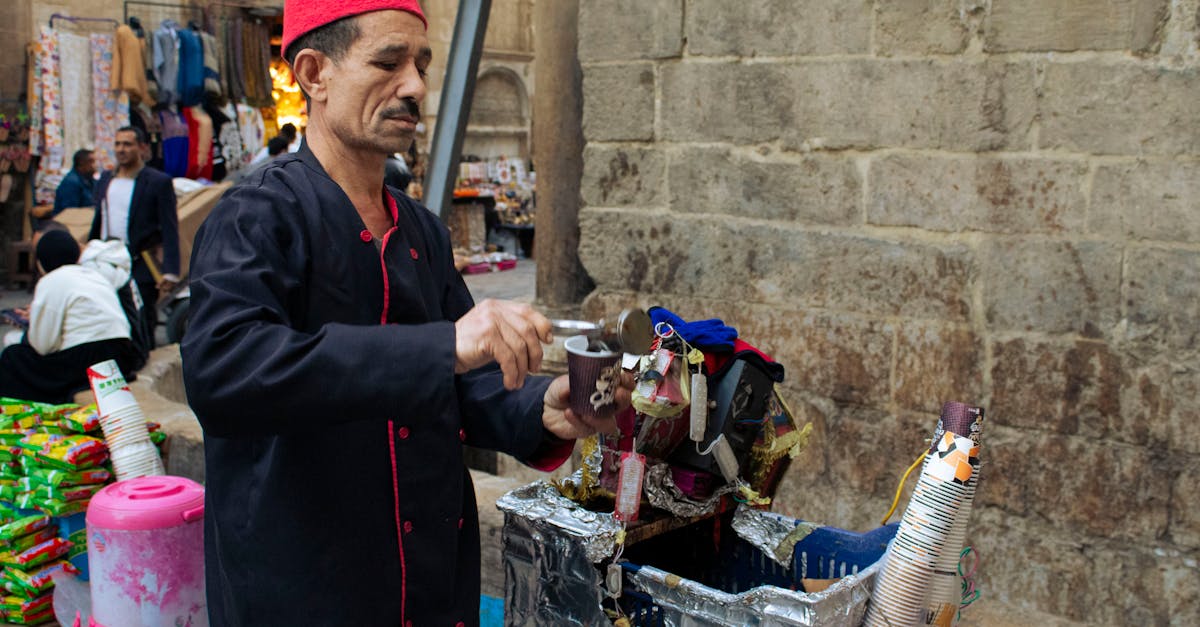
Beyond the bazaar, Islamic Cairo unfolds like a living museum of medieval architecture. The Mosque of Ibn Tulun, built in the ninth century, is one of the oldest intact mosques in the world, its vast courtyard a startling pocket of silence in a city that rarely allows any. Climb the minaret — a rare spiral design inspired by the Great Mosque of Samarra — and the rooftop panorama stretches from the Citadel of Saladin to the pyramids themselves, the entire sweep of Cairo’s history visible in a single slow turn. The Al-Azhar Mosque, founded in 970 AD, houses one of the world’s oldest universities and remains a center of Islamic scholarship. Step inside and the cacophony of the street vanishes, replaced by the murmur of students and the cool shade of marble arcades.
The Food Scene
Cairo eats late and eats well. The street food alone could occupy a week of dedicated research — koshari, the carb-loaded national dish of rice, lentils, pasta, and crispy onions drowned in tomato sauce and vinegar, is served from carts and hole-in-the-wall shops all over the city. Ful medames, slow-cooked fava beans mashed with cumin, lemon, and olive oil, has been a breakfast staple here since the pharaohs. At night, the grilled meat restaurants of Abou Tarek and the seafood joints along the Nile corniche fill with families eating until well past midnight. For something more refined, the rooftop restaurants of Zamalek island offer French-inflected Egyptian cuisine with views across the river to the old city, the kind of evening where the call to prayer drifts across the water and the city below glitters like something borrowed from a dream.
A felucca ride on the Nile at dusk remains the one moment Cairo allows itself to be still — the wooden sailboat catching the last light, the skyline softening into silhouette, the river carrying you south as it has carried everyone who came before.
When to go: October to April for cooler temperatures, when daytime highs hover around a pleasant 20-25 degrees Celsius. Visit the Pyramids at dawn to beat both the heat and the tour bus crowds. Ramadan brings a special energy to Khan el-Khalili at night, with iftar feasts spilling into the streets — but plan around adjusted opening hours.