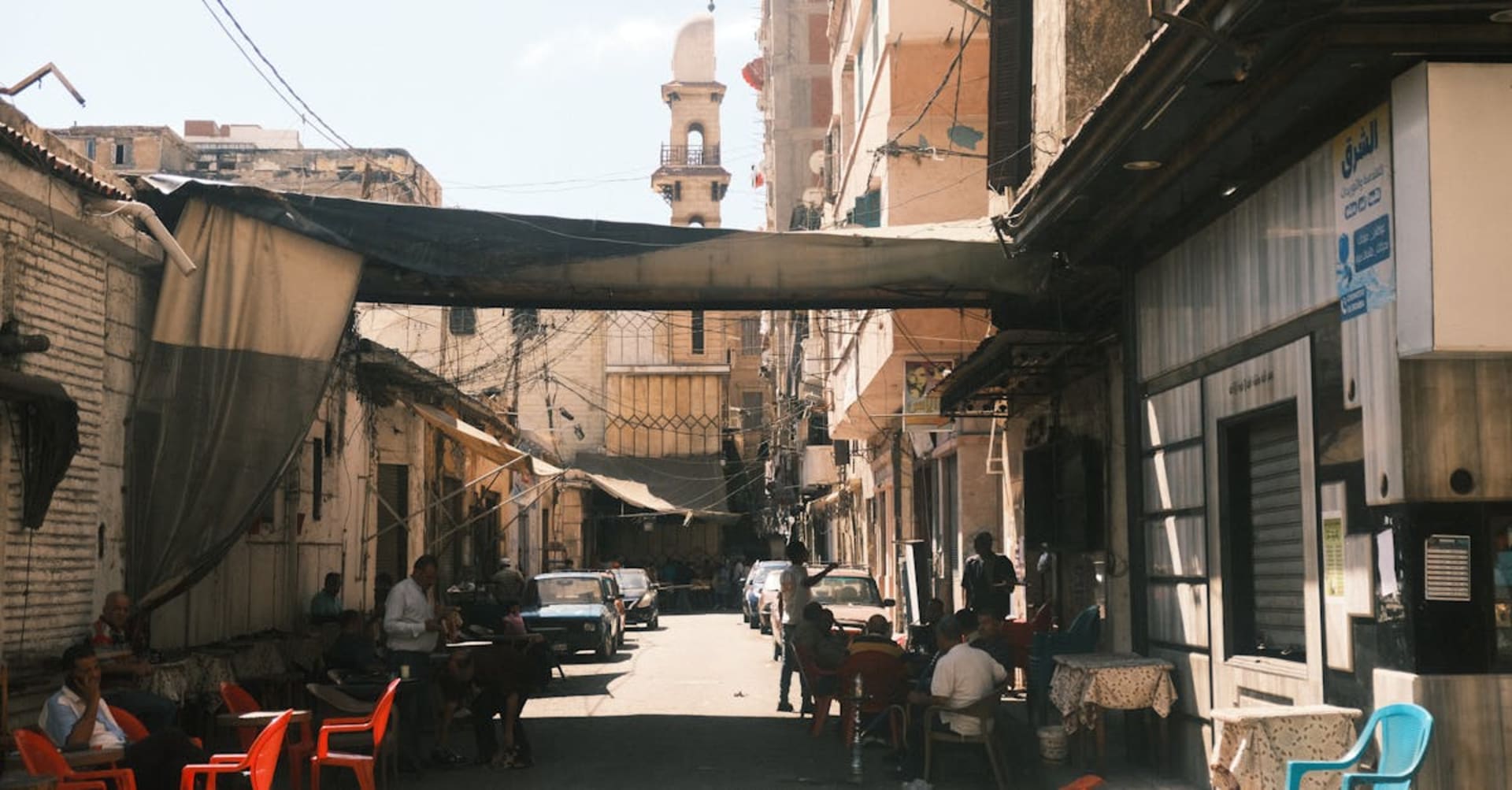
Alexandria is a city that refuses to let go of its past — not out of nostalgia, but because the past is literally underfoot, embedded in the walls, sunk beneath the harbour. For centuries it was the intellectual capital of the known world, and even now, under layers of diesel fumes and crumbling apartment blocks, that ambition pulses. It is Egypt’s Mediterranean face, turned toward Europe and the sea rather than the desert, and everything about it — the light, the food, the salt air, the literary ghosts — feels distinct from Cairo and the Nile Valley.
The Bibliotheca Alexandrina is the most visible expression of that old hunger for knowledge. The modern library, inaugurated in 2002, is a staggering disc of granite and glass tilted toward the sea as though straining to catch the light. Its main reading room seats two thousand beneath one of the largest roofs in the world, descending in terraces toward floor-to-ceiling windows. The exterior wall is carved with characters from every known alphabet, a gesture both grand and quietly moving. Even if you never crack a spine, the architecture alone justifies a long, slow visit — and the basement museums, including a collection of Anwar Sadat’s personal effects and an exhibition on the history of printing, are worth the detour.
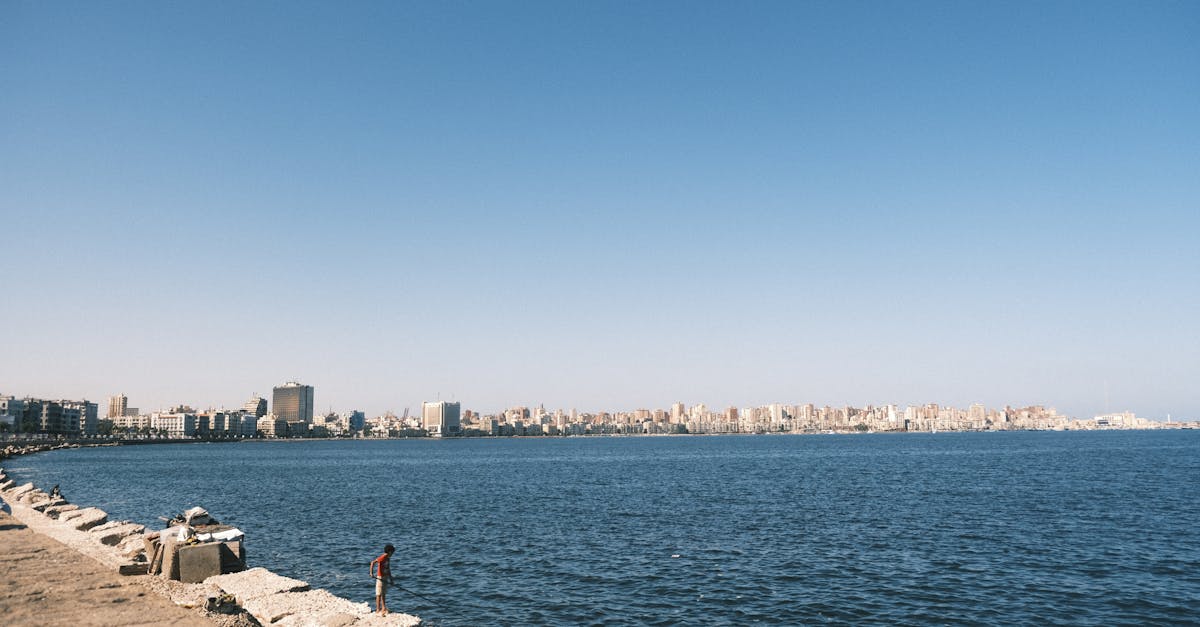
From the library, the Corniche stretches for miles along the seafront, and it is along this curving promenade that the city reveals its true personality. Mornings bring fishermen hauling their catch along the eastern harbour. By midday, couples lean against the railings, teenagers cluster around juice carts, and the whole waterfront hums with an energy that feels distinctly Mediterranean. The crumbling mansions of the old Greek and Italian quarters rise a few streets inland — wrought-iron balconies, faded shutters, the phantom elegance of a city that once hosted Cavafy, Durrell, and Forster.
At the western end of the harbour, the Qaitbay Citadel commands the headland where the ancient Pharos Lighthouse — one of the Seven Wonders — once stood. The fifteenth-century Mamluk fortress is built, it is said, from the lighthouse’s own stones, and divers have found colossal statuary scattered across the seabed below. At golden hour, when the stone turns honey-coloured and the Mediterranean stretches to a flat blue infinity behind it, the citadel is one of the most photogenic spots in all of Egypt.
South of the centre, Pompey’s Pillar rises nearly thirty metres from a scrubby archaeological park — a single column of red Aswan granite, the tallest ancient monolith outside Rome. It has nothing to do with Pompey; it was raised for the emperor Diocletian in the fourth century. But the name stuck, and so did the column, outlasting every other structure in the Serapeum temple complex that once surrounded it. Nearby, the Catacombs of Kom el-Shoqafa descend three levels underground, their carvings fusing Egyptian funerary art with Roman technique in a style so hybrid it feels almost postmodern — Anubis wearing a legionnaire’s breastplate, pharaonic serpents coiling beneath classical pediments.
For a change of pace, the Montazah Palace Gardens occupy a lush headland at the city’s eastern edge. The palace itself, built as a royal summer residence, is closed to the public, but the surrounding parkland — pine groves, manicured lawns, a stretch of sandy beach — offers a green refuge from the urban intensity. Families picnic on weekends, and the views along the coastline, with the palace’s Florentine tower rising above the trees, are the kind of thing that makes you slow your walk to a deliberate stroll.
And then there is the seafood. Alexandria’s relationship with fish is intimate and non-negotiable. At the Anfushi fish market, you choose your catch — red mullet, calamari, shrimp the length of your finger — and it is grilled or fried to order at the adjoining restaurants. The ritual is informal, loud, and deeply satisfying: plates arrive with tahini, fresh bread, pickled vegetables, and the unmistakable sense that this is how the city has eaten for a very long time. For something more refined, the seafood restaurants along the Corniche serve the same ingredients with tablecloths and harbour views, but the spirit remains the same. In Alexandria, the sea provides, and the city is grateful.
When to go: May through October brings warm beach weather along the Mediterranean, with July and August at their hottest and most crowded. Winter is mild but the rainiest season by Egyptian standards — December through February sees grey skies and occasional downpours, but also far fewer tourists and a moody, atmospheric quality that suits the city’s literary soul.