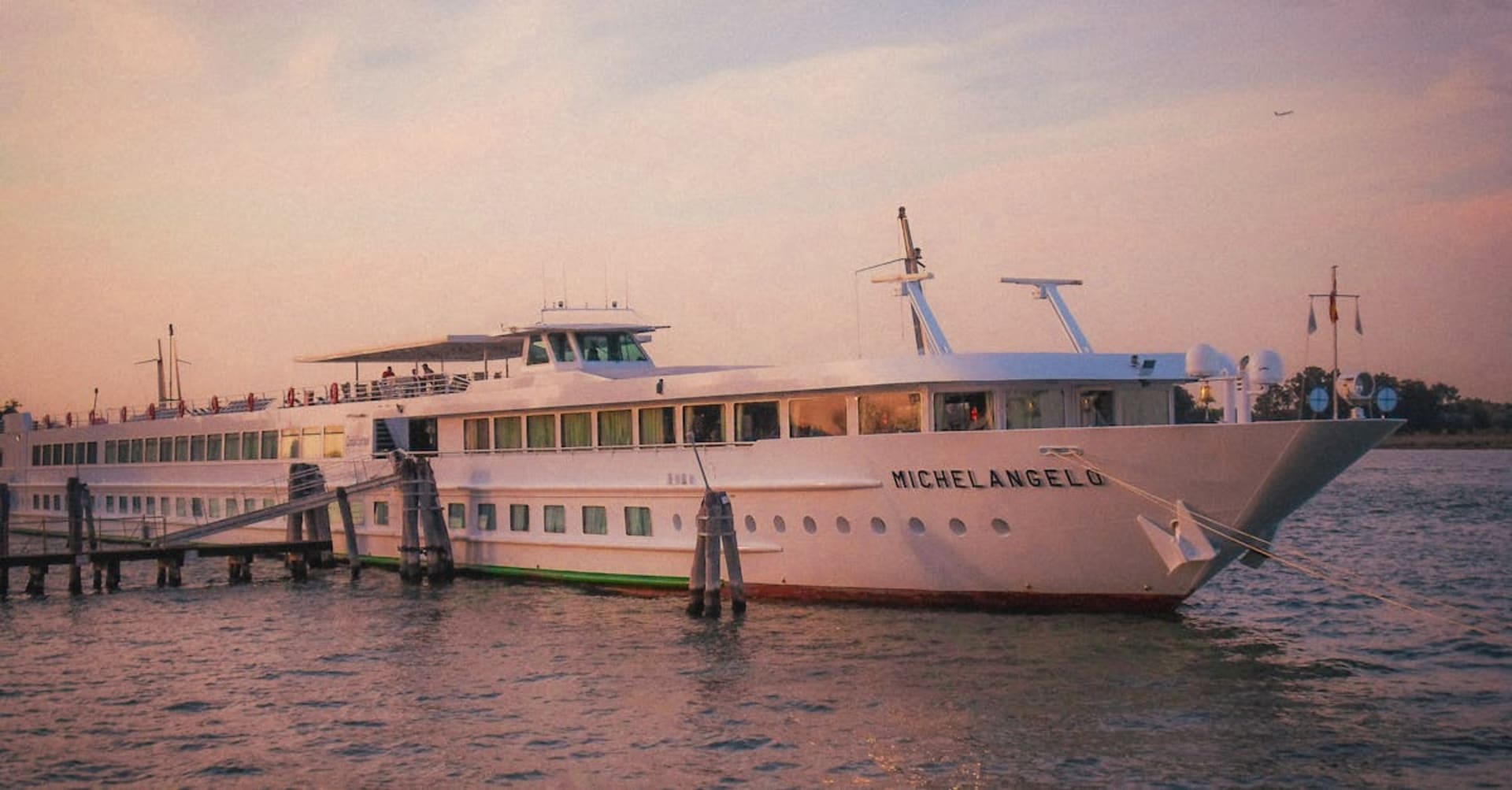
There is a moment, usually on the second morning, when the rhythm of the Nile takes hold. The engine hum — or, if you are lucky, the silence of canvas catching wind — becomes background. The banks slide past in a narrow ribbon of impossible green pressed between tawny desert on both sides, and the notion of hurrying anywhere seems not just unnecessary but faintly absurd. A Nile cruise is not a way to see temples efficiently. It is a way to feel time differently, to understand why the ancient Egyptians oriented their entire civilization around this single, generous thread of water.
The classic route runs between Luxor and Aswan, a journey of roughly two hundred kilometres that most vessels cover in three to five days, depending on direction and the number of stops. Heading south — upstream — is the traditional itinerary, and the temples arrive in a sequence that feels almost curated. You leave Luxor with the Valley of the Kings still vivid in your mind and settle into the drift, the landscape emptying out, the river widening, the modern world thinning until there is little but water, palm groves, and sky.
The first major stop is Edfu, where the Temple of Horus stands in a state of preservation that borders on the miraculous. Its massive pylon entrance, its hypostyle halls, its inner sanctuary — everything is intact, right down to the carved ceiling that still bears traces of original paint after two thousand years. Edfu is not the oldest temple in Egypt, but it is the most complete, and walking through it offers the closest thing to experiencing what these places looked like when they were alive with ritual and incense.
Further south, Kom Ombo appears on a bend in the river, its double temple perched on a low bluff directly above the water. Dedicated to both the crocodile god Sobek and the falcon-headed Horus the Elder, the temple is unusual in its perfectly symmetrical plan — two entrances, two hypostyle halls, two sanctuaries, one for each deity. A small museum beside the temple displays mummified crocodiles found nearby, their linen wrappings still intact, their jaws fixed in permanent grins. Visiting at sunset, with the river glowing behind you and the stone warming to amber, is the kind of experience that lodges permanently in memory.
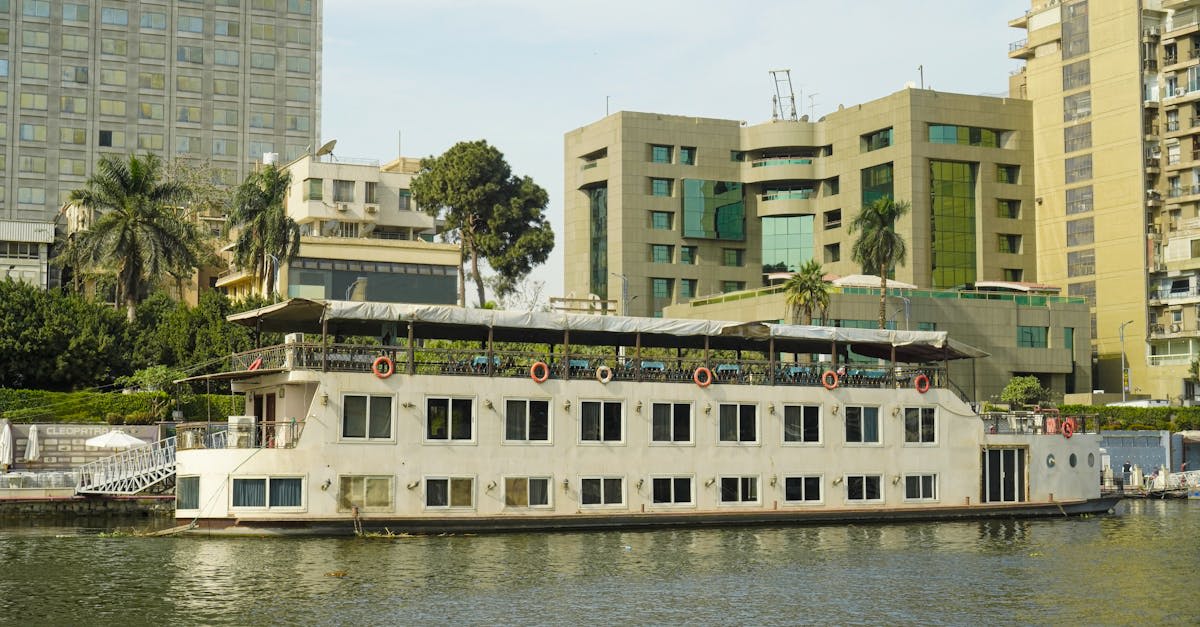
Between the temples, life on the river is the real attraction. From the deck, village scenes unfold like a slow-moving film — children splashing at the water’s edge, women washing clothes on flat rocks, a farmer guiding a water buffalo along a mud path, a fisherman casting a circular net that opens mid-air like a blooming flower. Herons stand motionless on sandbars. Kingfishers flash electric blue. The sugarcane fields stretch to the desert’s edge, and the feluccas — the small lateen-rigged sailboats that have plied this water for centuries — tack silently past in the afternoon breeze.
The choice of vessel matters. The large cruise ships — five decks, swimming pool, evening entertainment — offer comfort and predictability. They dock at established quays, their itineraries clockwork-precise. But the traditional dahabiyas offer something else entirely. These wooden sailing boats carry eight to sixteen passengers in quiet, unhurried intimacy. They anchor at sandbars for swimming, stop at minor temples that the big ships skip entirely, and move at a pace dictated by the wind rather than a timetable. Meals are cooked on board, often visible from the deck. Evenings bring nothing but stars, the soft lap of water against the hull, and conversation that drifts as freely as the boat.
And then there are the sunsets. Nile sunsets are famous for a reason — the flat horizon, the dust in the air, and the river’s surface conspire to produce colours that shift from gold to copper to a deep, improbable violet. Every evening the show is different, and every evening passengers gather at the bow or the upper deck with tea or something stronger, watching the sky perform. It is a ritual as old as the journey itself, and it never grows ordinary.
By the time Aswan appears — the granite islands, the white-sailed feluccas, the softer desert light — the cruise has done its quiet work. The temples are magnificent, yes. But it is the river itself that stays with you: its patience, its constancy, the way it makes you slow down and simply look.
When to go: October through April offers comfortable cruising weather with warm days and cool evenings. December and January are peak season — book well in advance, as the best dahabiyas fill up months ahead. Summer sailings are available but the heat along the river can be punishing, regularly exceeding forty degrees.