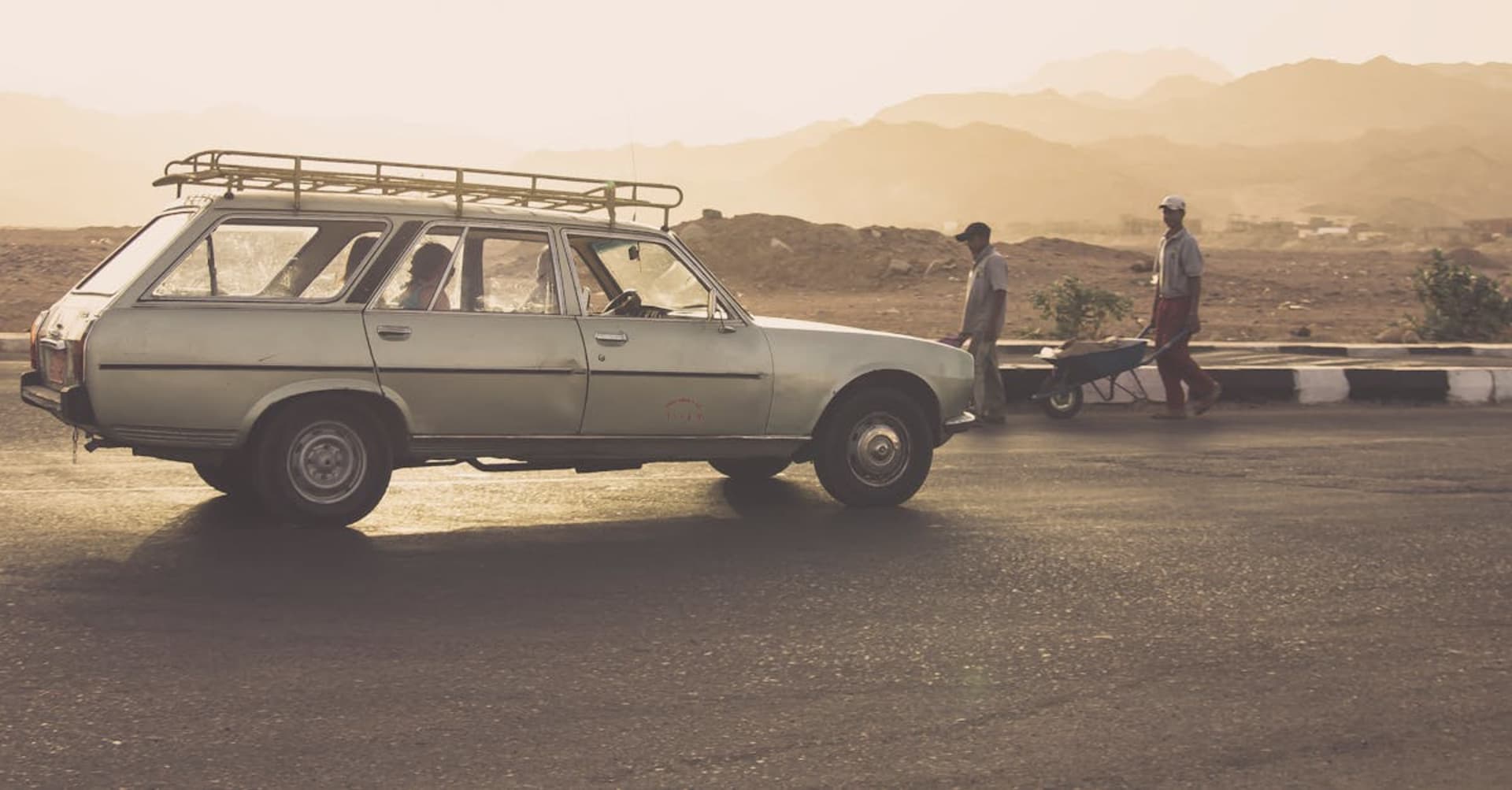
Aswan is where Egypt exhales. After the sensory assault of Cairo and the monumental intensity of Luxor, this southern frontier town on the Nile’s first cataract offers something rare in this country — a sense of ease. The river narrows here, weaving between islands of black granite and dunes of golden sand, and the pace of life slows to match the feluccas drifting on the current. The light is different too — sharper, more golden, filtered through a dry Saharan air that makes every surface glow. It is the sunniest city in Egypt, and that is saying something in a country that barely acknowledges the concept of overcast.
Philae Temple
The Temple of Philae is, for many travelers, the most beautiful temple in Egypt — and the competition, as you know by now, is fierce. Dedicated to the goddess Isis, it sits on Agilkia Island, reached by a short motorboat ride across the reservoir created by the old Aswan dam. The approach is part of the magic: the temple appears gradually as the boat rounds the island, its colonnaded halls and pylons reflected in the still water, palm trees framing the scene with an almost theatrical precision.
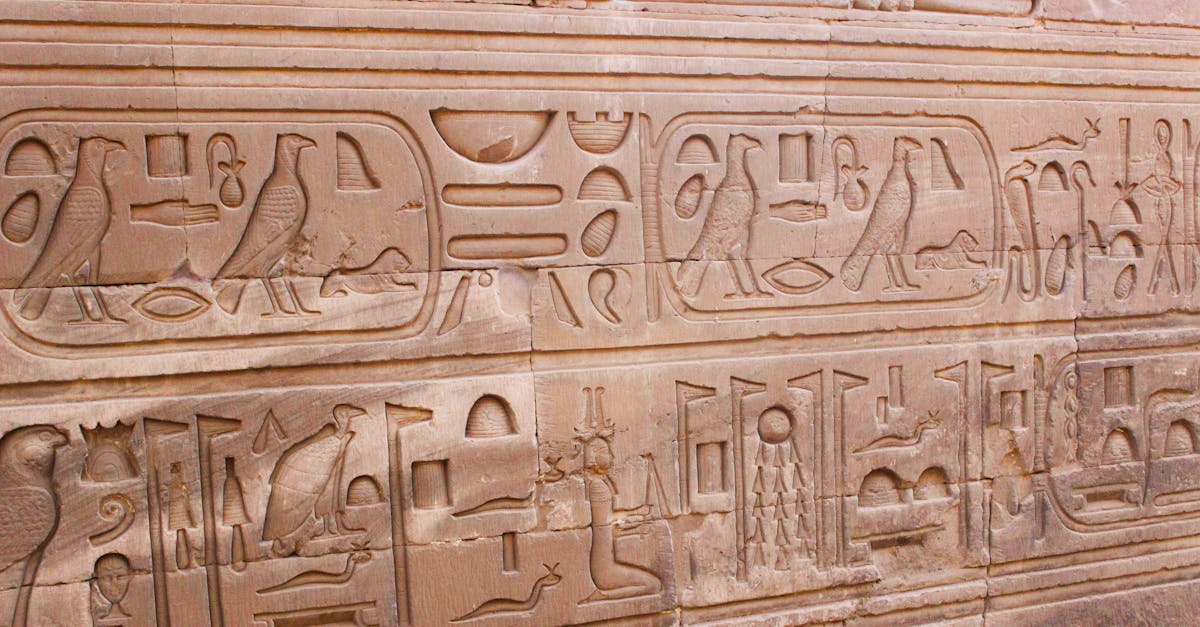
Like Abu Simbel, Philae was rescued from drowning by a UNESCO campaign in the 1960s and 70s — the entire temple dismantled, moved stone by stone, and reassembled on higher ground. The fact that this intervention is invisible speaks to the care with which it was done. Inside, the reliefs tell the story of Isis and Osiris — Egypt’s greatest love story, a myth of death and resurrection that influenced religions for millennia afterward. At night, a sound-and-light show illuminates the temple, and while such things can feel cheesy elsewhere, the setting here — water, stone, stars, silence — elevates it into something genuinely atmospheric.
Felucca Sailing
Nothing captures Aswan’s spirit quite like a felucca ride at sunset. These traditional wooden sailboats have plied the Nile for centuries, and in Aswan, where the river is dotted with islands and the banks are lined with dunes and palms rather than concrete, they feel less like a tourist activity and more like the only sensible way to travel. The sails catch the afternoon breeze, the boatman adjusts the rigging with practiced ease, and the city slides past in a procession of minarets, garden terraces, and the grand facade of the Old Cataract Hotel, where Agatha Christie sat on the terrace and wrote Death on the Nile, and where the afternoon tea is still served with a view that justifies every penny.
A longer felucca trip takes you to Kitchener’s Island, a botanical garden planted by Lord Kitchener when he served as consul-general, now a shaded labyrinth of tropical trees from across Africa and Asia. It is the kind of place where an afternoon vanishes without explanation.
Nubian Villages
The Nubian villages on Elephantine Island and the Nile’s west bank are a world apart from the rest of Egypt. The houses are painted in extraordinary colors — electric blues, sunflower yellows, deep oranges — decorated with murals of crocodiles, palm trees, and geometric patterns that reflect a visual culture distinct from the Arabic north. Nubian hospitality is legendary; accept an invitation for hibiscus tea on a rooftop and you may find yourself staying for a meal, a conversation that spans three languages, and a drum circle that materializes as the evening cools.
The Nubian people have their own languages, their own music, and a history that stretches back as far as pharaonic Egypt itself — the Kingdom of Kush, based in what is now Sudan, was a rival power that once conquered Egypt and ruled it as the 25th Dynasty. The communities around Aswan carry that heritage with visible pride, and spending time in the villages is one of the most human, least museum-like experiences Egypt offers.
The Nubian Museum
For deeper context, the Nubian Museum in Aswan is one of the best small museums in the country. Designed to document the culture and history of Nubia — much of which was lost when the Aswan High Dam created Lake Nasser and flooded the traditional Nubian homeland — it houses artifacts spanning six thousand years, from prehistoric rock art to Islamic-era textiles. The building itself, set in landscaped gardens with views of the granite quarries, is a work of modern Egyptian architecture worth visiting on its own merits.
Elephantine Island
Elephantine Island, sitting in the middle of the Nile at Aswan, has been inhabited for over five thousand years — one of the longest continuously settled places in Egypt. The ruins of ancient temples sit alongside Nubian villages, and the small archaeological museum on the island’s southern tip contains a nilometer, a device used since antiquity to measure the river’s annual flood. Walking from one end of the island to the other — past ruins, through village lanes painted in those impossible colors, past children playing and goats wandering — is Aswan distilled into a single stroll.
When to go: October to April for warm but manageable days, with temperatures around 25-30 degrees. Aswan is Egypt’s hottest city — summer regularly pushes past 45 degrees Celsius, and the dry heat is deceptive. The winter months bring perfect sailing weather and the softest light for photography.