Americas
Brazil
"No country I've visited has a wider gap between its reputation and its reality."
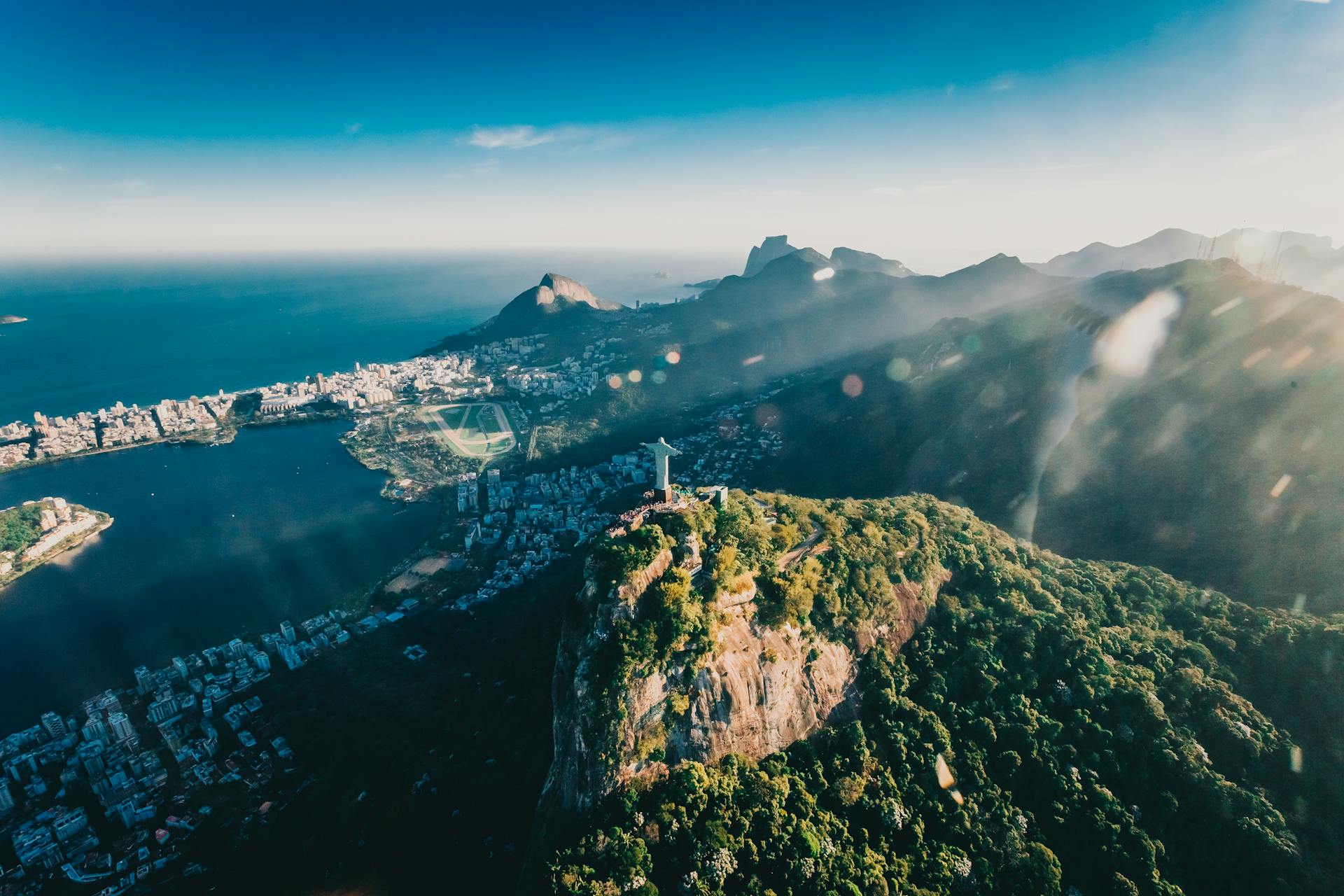
Brazil breaks every mental model you bring to it. You arrive expecting carnival, caipirinha, and beaches — and those are real, but they are the opening sentence of a very long book. The actual country is a staggering accumulation of ecosystems, cuisines, musical traditions, and human warmth that no single visit can contain. I have been three times. I have barely scratched the surface.
The scale is the first thing to reckon with. Bahia and Amazonas are in the same country the way Portugal and Kazakhstan are on the same continent. The northeast — Bahia, Pernambuco, Ceará — is Afro-Brazilian, tropical, rhythmic, with a food culture rooted in dendê oil, coconut, and dried shrimp that tastes like nowhere else on earth. The south — Florianópolis, the wine country of Rio Grande do Sul — feels almost European. The Pantanal is the largest tropical wetland on the planet, teeming with jaguars and caimans and birds in numbers that make the Serengeti feel modest. And then there is the Amazon, which is not a place so much as a fact about the planet that you are finally confronting in person.
The food alone justifies the flight. São Paulo is the most underrated food city in the world — a claim I make having eaten in most of the supposedly rated ones. The Japanese food is better than anywhere outside Japan. The pizza rivals Naples. The churrascarias are the obvious draw, but the real treasures are the neighbourhood restaurants serving feijoada on Saturdays, the padarias with their pão de queijo at 7am, the Bahian acarajé stands that deliver more complexity in a single fried bean cake than most tasting menus manage across twelve courses.
When to go: May to September for the northeast and Pantanal — dry season, cooler temperatures, and wildlife concentrated around shrinking water sources. December to March is summer and festival season, peaking at Carnival in February. Rio and São Paulo are year-round cities.
What most guides get wrong: They fixate on safety to the point of discouraging the trip entirely. Brazil requires awareness, not fear. Use the same judgment you would in any major city. Stay informed, ask locals, avoid flashing valuables — and then get on with discovering one of the most generous, sensory, and alive countries on earth.
Explore
Places in Brazil
Bahia
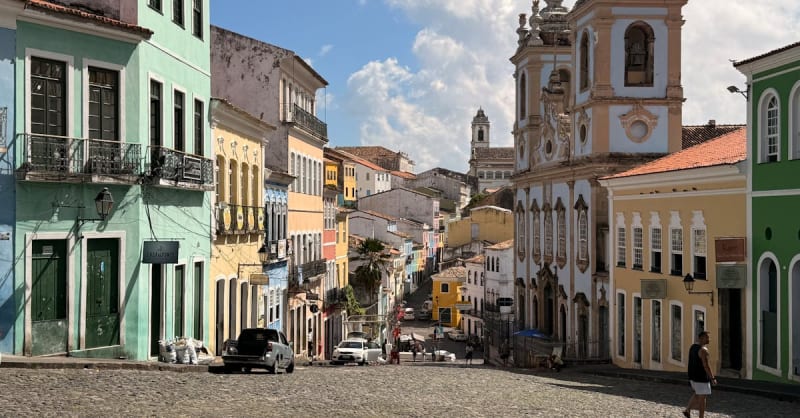
Afro-Brazilian soul, dendê-oil cuisine, and a coconut-palm coastline that stretches forever. Bahia is Brazil's cultural heartbeat.
Bonito
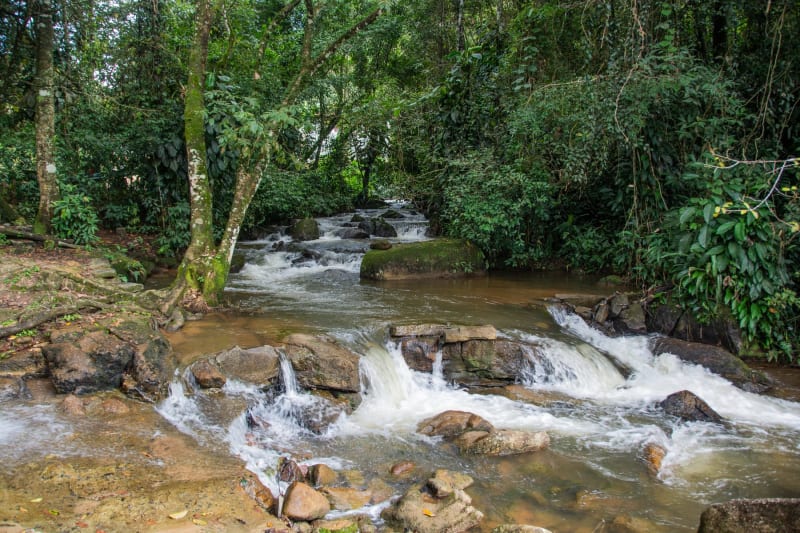
Brazil's ecotourism capital where crystal-clear rivers let you snorkel eye-to-eye with hundreds of tropical fish.
Brasília
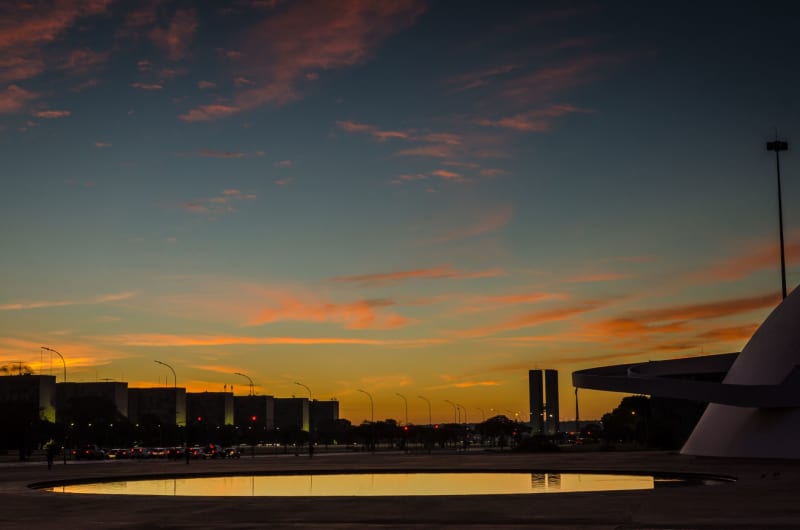
Brazil's improbable capital, a modernist city dreamed up from nothing and laid out across the empty highlands in the shape of an airplane.
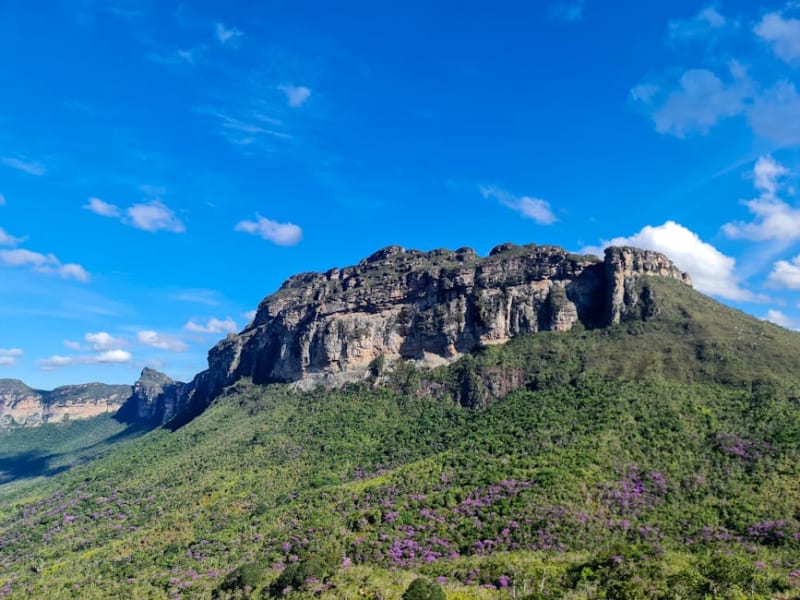
Chapada Diamantina
Table-top mountains, underground rivers, and a hiking paradise hidden in the interior of Bahia.
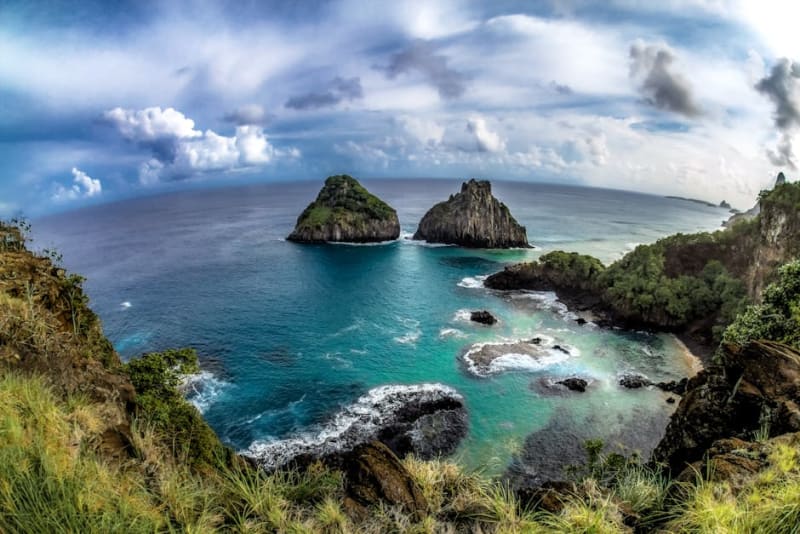
Fernando de Noronha
Brazil's most exclusive archipelago — volcanic peaks, spinner dolphins, and beaches that consistently rank among the world's best.

Florianopolis
An island of forty-two beaches, Azorean fishing villages, and the kind of surf-and-oyster lifestyle that ruins you for anywhere else.
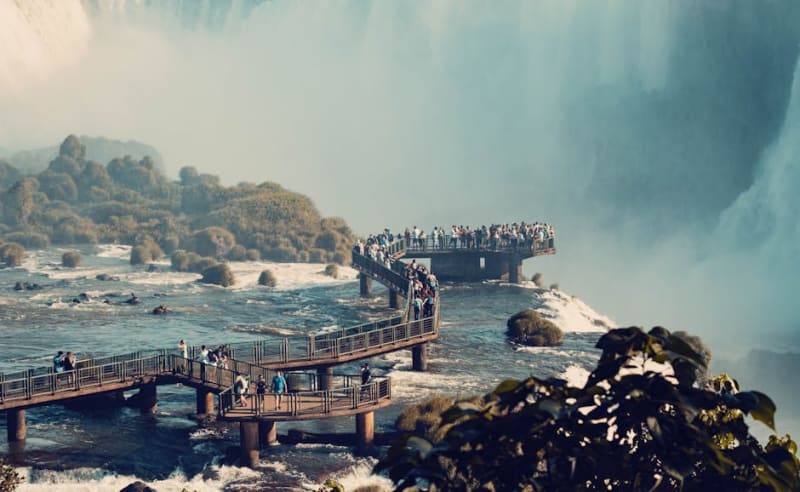
Iguazu Falls
Two hundred and seventy-five waterfalls crashing through subtropical forest — nature's most excessive spectacle.
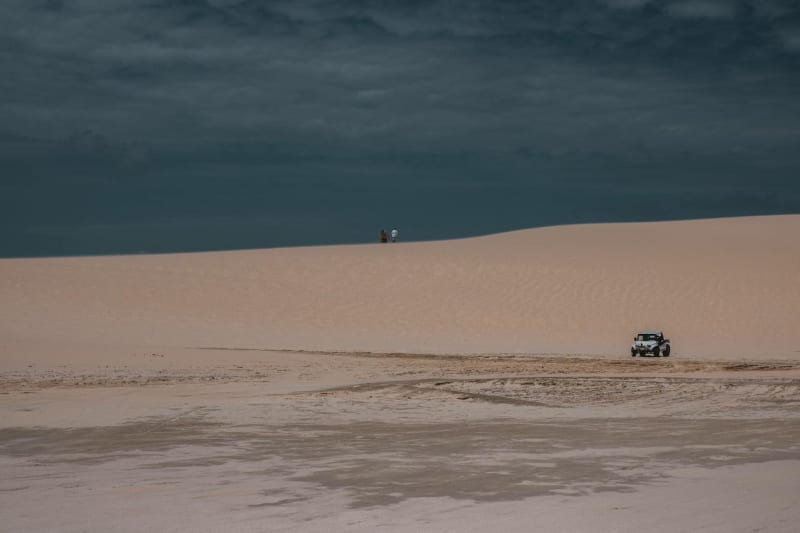
Jericoacoara
A car-free village of sand streets, windswept dunes, and lagoons perfect for kitesurf and hammock philosophy.
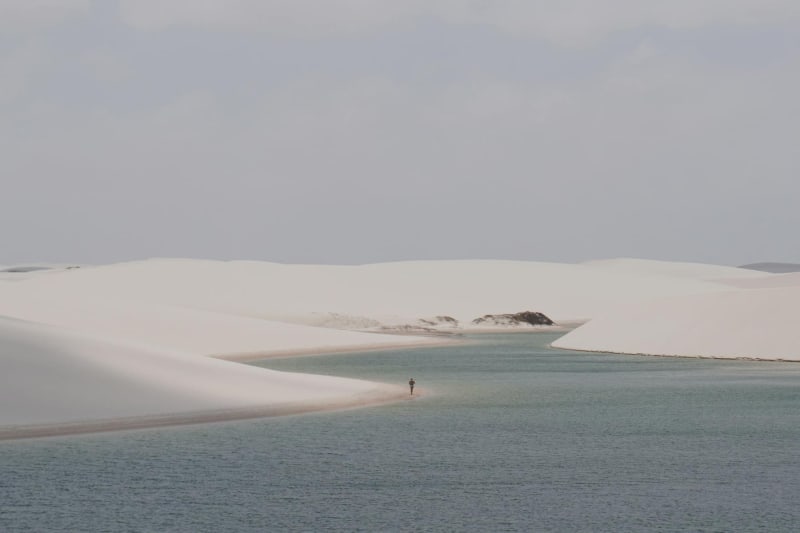
Lençóis Maranhenses
Endless white dunes filled with turquoise lagoons after the rains — a landscape that should not exist but does.
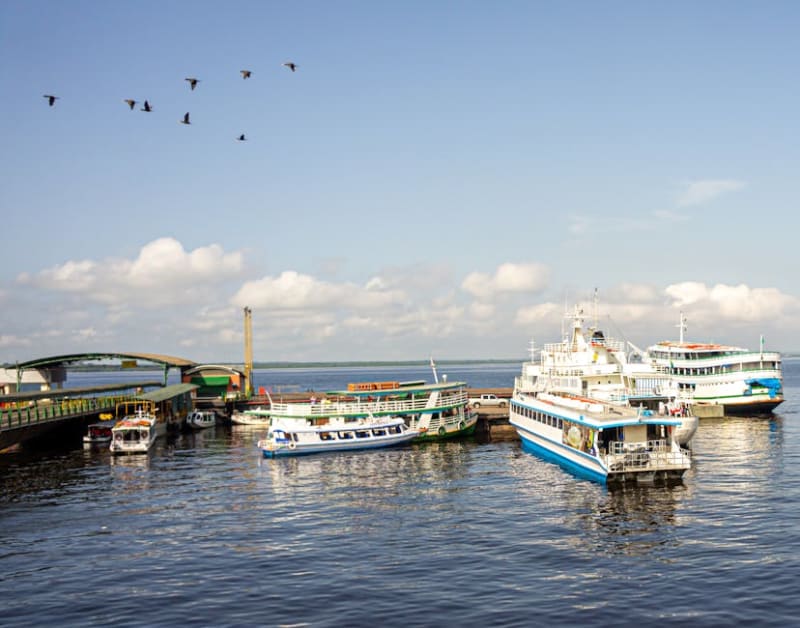
Manaus
The gateway to the Amazon — a rubber-boom opera house in the jungle and a river system that dwarfs everything you imagined.
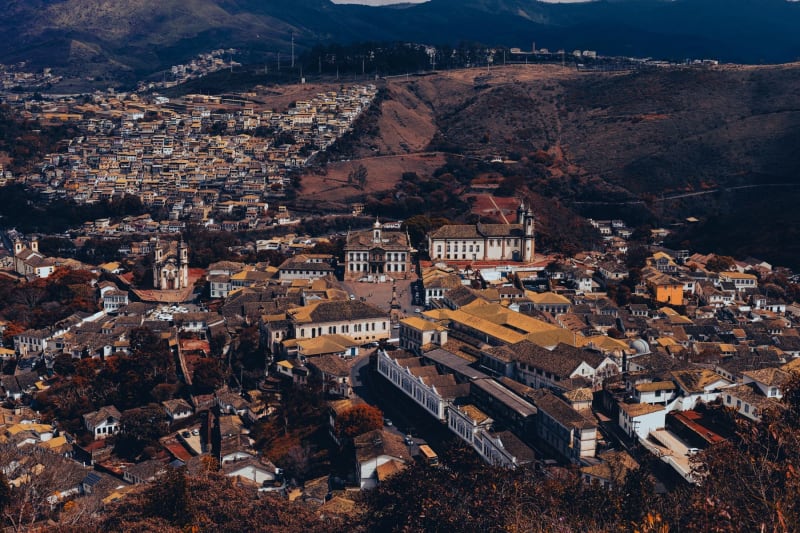
Ouro Preto
A Baroque masterpiece of black stone churches and gold-rush opulence tumbling down Minas Gerais hillsides.
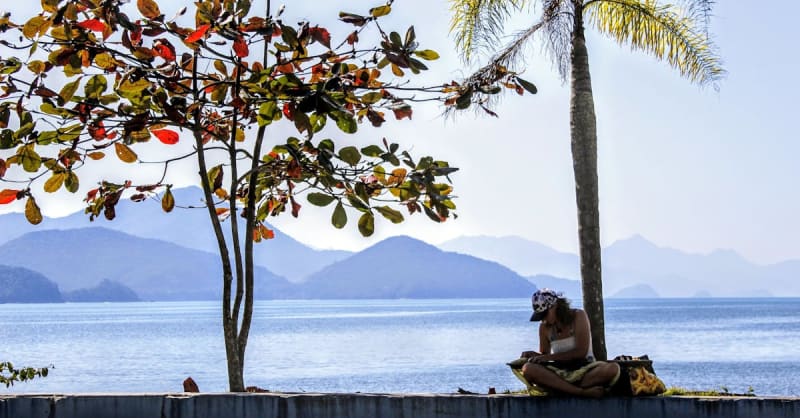
Pantanal
The world's largest tropical wetland — jaguars, caimans, and more wildlife per square kilometer than the Amazon.
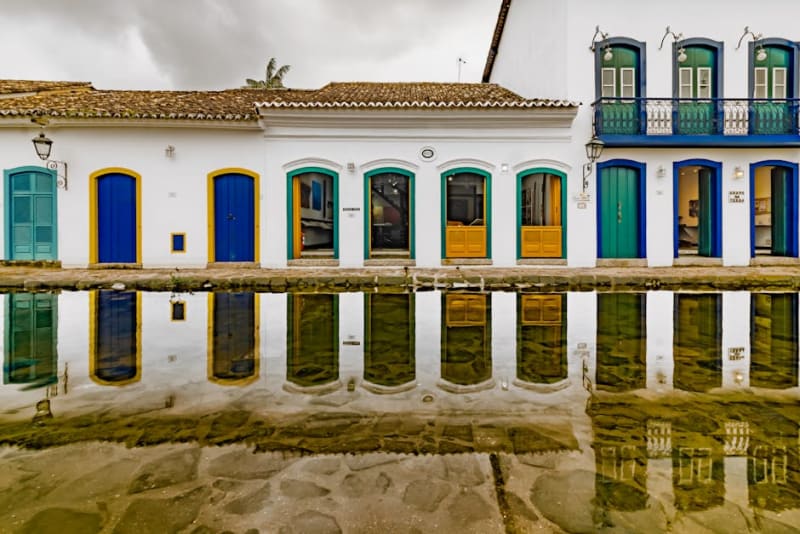
Paraty
A colonial jewel between the mountains and the sea, where cobblestone streets flood at high tide and cachaça flows at every corner.
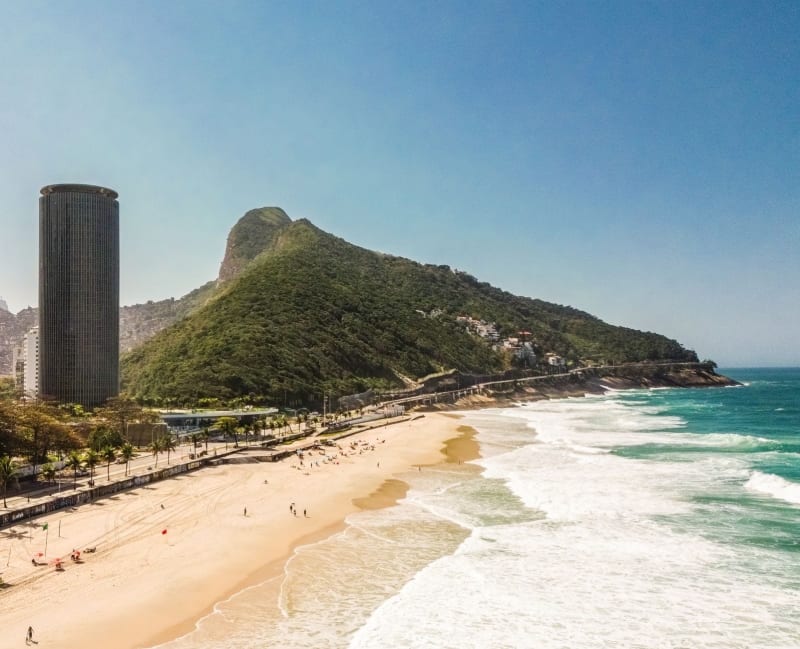
Rio de Janeiro Beaches
From Ipanema to Barra, Rio's beaches are where samba, volleyball, and the entire social order plays out daily.
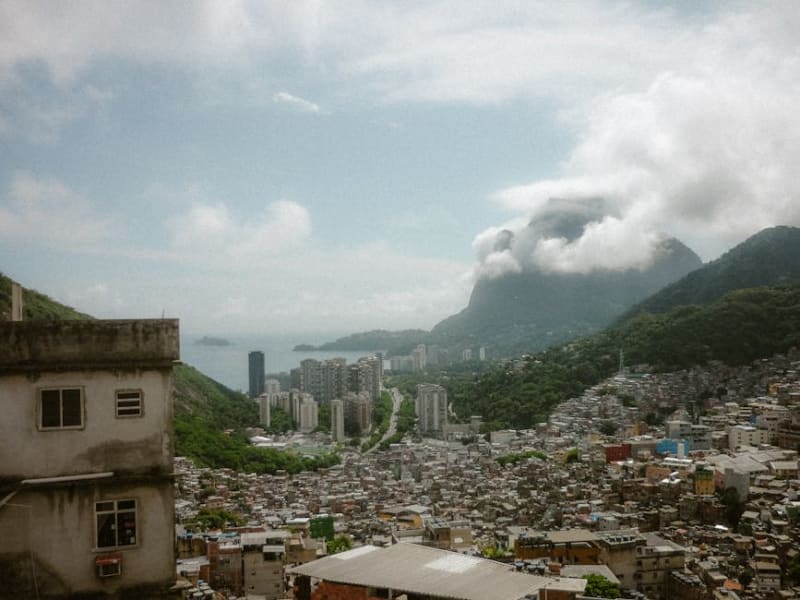
Rio de Janeiro
A city that lives outdoors — between granite peaks, Atlantic surf, and a samba beat that never quite fades.
São Paulo
The most underrated food city in the world, hidden behind a skyline that nobody photographs and an energy that never stops.
Trancoso
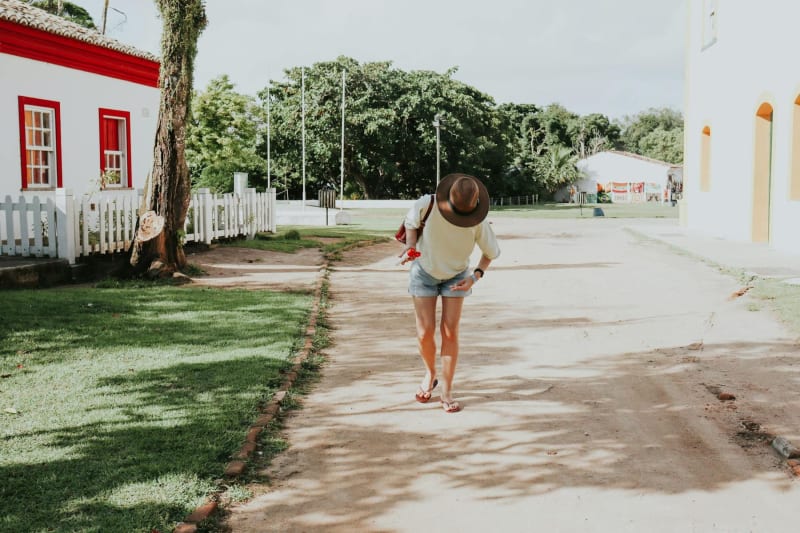
A Bahian village founded by Jesuits in 1586 around a grassy quadrado of colored beach houses above red-cliffed beaches.
Free download
Get the Brazil Guide
A curated PDF itinerary with honest picks, real restaurants, and the details that matter — the kind you'd actually print and bring.
Download the guide