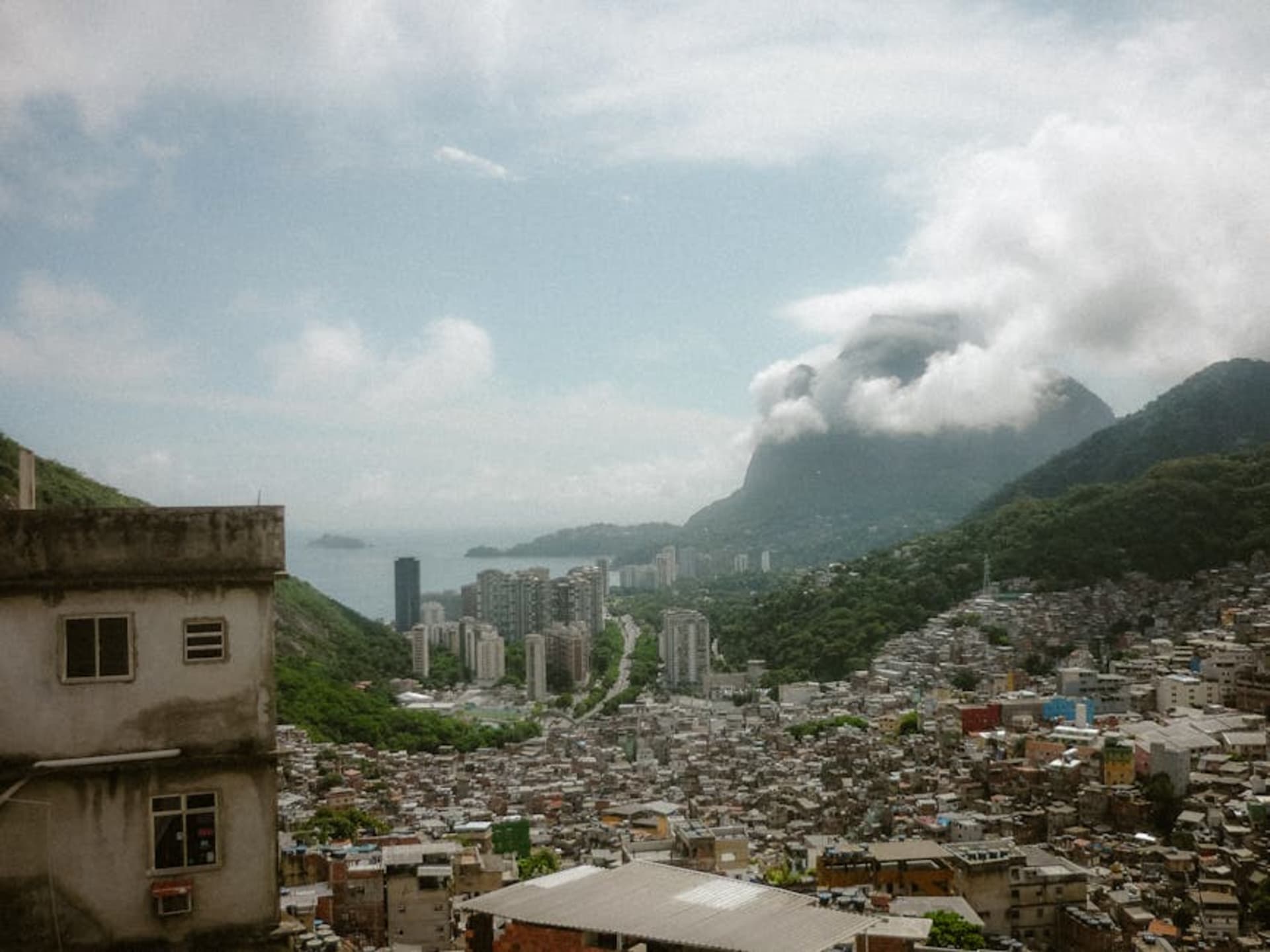
Rio de Janeiro is the city that every Latin American capital secretly wishes it could be. I first arrived on a red-eye from Mexico City, stumbled out of a taxi in Lapa at six in the morning, and found a man playing saxophone on a street corner while a woman swept the sidewalk in front of a bar that had clearly never closed. That was my introduction to the rhythm of this city — a place where beauty and chaos are not opposites but dance partners.
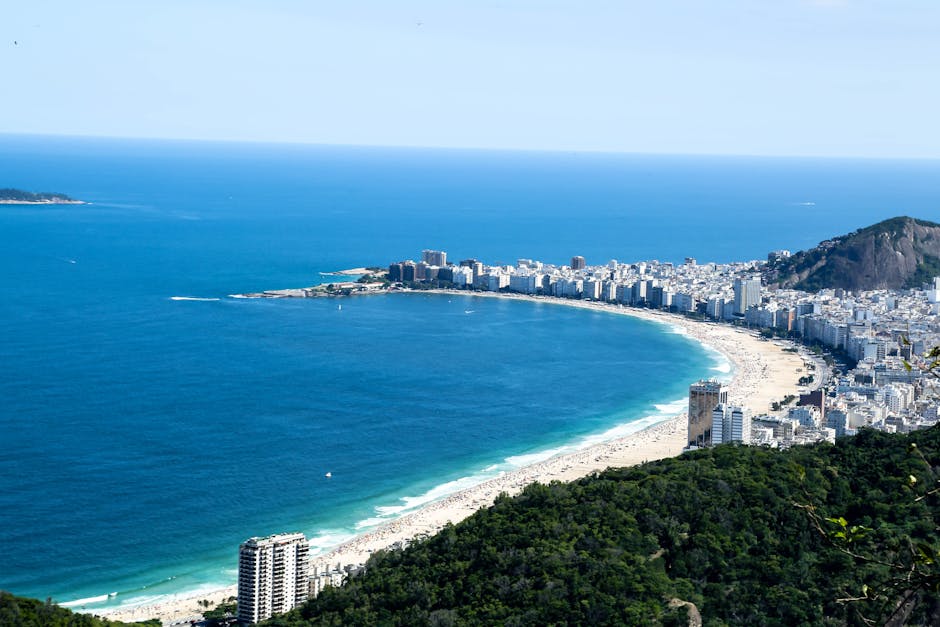
The geography alone is absurd. Granite monoliths erupt from the urban fabric — Sugarloaf, Corcovado, the Dois Irmãos — and between them lie beaches that function as the city’s living room. Copacabana and Ipanema are famous for good reason, but the real joy is how Cariocas use them: as gym, office, bar, and therapy session, all before noon. I spent a week staying at the Hotel Santa Teresa in the hillside arts district, walking down to Ipanema each morning for a coconut water and a swim, and by day three the beach vendor already knew my order.

Santa Teresa is the neighbourhood I kept returning to — a hilltop tangle of colonial mansions converted into galleries, boutique hotels, and bars with views over the city. Bar do Mineiro serves the best feijoada in Rio on Saturdays, and the line forms early. The Selaron Steps, tiled in fragments from around the world, connect Santa Teresa to Lapa below — touristy, yes, but genuinely beautiful at dusk when the crowds thin.
The Cristo Redentor at the summit of Corcovado is one of those monuments that no amount of postcard overexposure can diminish. Take the cog railway up through the Tijuca Forest — the world’s largest urban rainforest — and when you step out at the top and the statue appears above you, arms open against a blue sky, it hits you in a way you didn’t expect. I’m not religious, but I stood there for twenty minutes.
Lapa at night is Rio’s musical heart — the arches of the old aqueduct lit up, samba clubs spilling onto the street, forró bars where you will be pulled onto the dance floor whether or not you know the steps. Rio Scenarium is the most famous, a three-story antique warehouse turned live-music venue, but the smaller spots on Rua do Lavradio are where the magic feels most honest.
The food scene has matured enormously. Lasai in Botafogo, run by a Spanish-born chef using hyper-local ingredients, earned a spot on the World’s 50 Best list. At the other end of the spectrum, the juice bars of Leblon serve açaí bowls thick enough to stand a spoon in, and the per-kilo lunch restaurants — where you pay by weight — remain one of Brazil’s greatest culinary inventions.
When to go: March to May or August to October. Avoid the peak heat and prices of December to February (though Carnival in February is a once-in-a-lifetime experience if you can handle the crowds). June and July can be surprisingly cool and rainy.