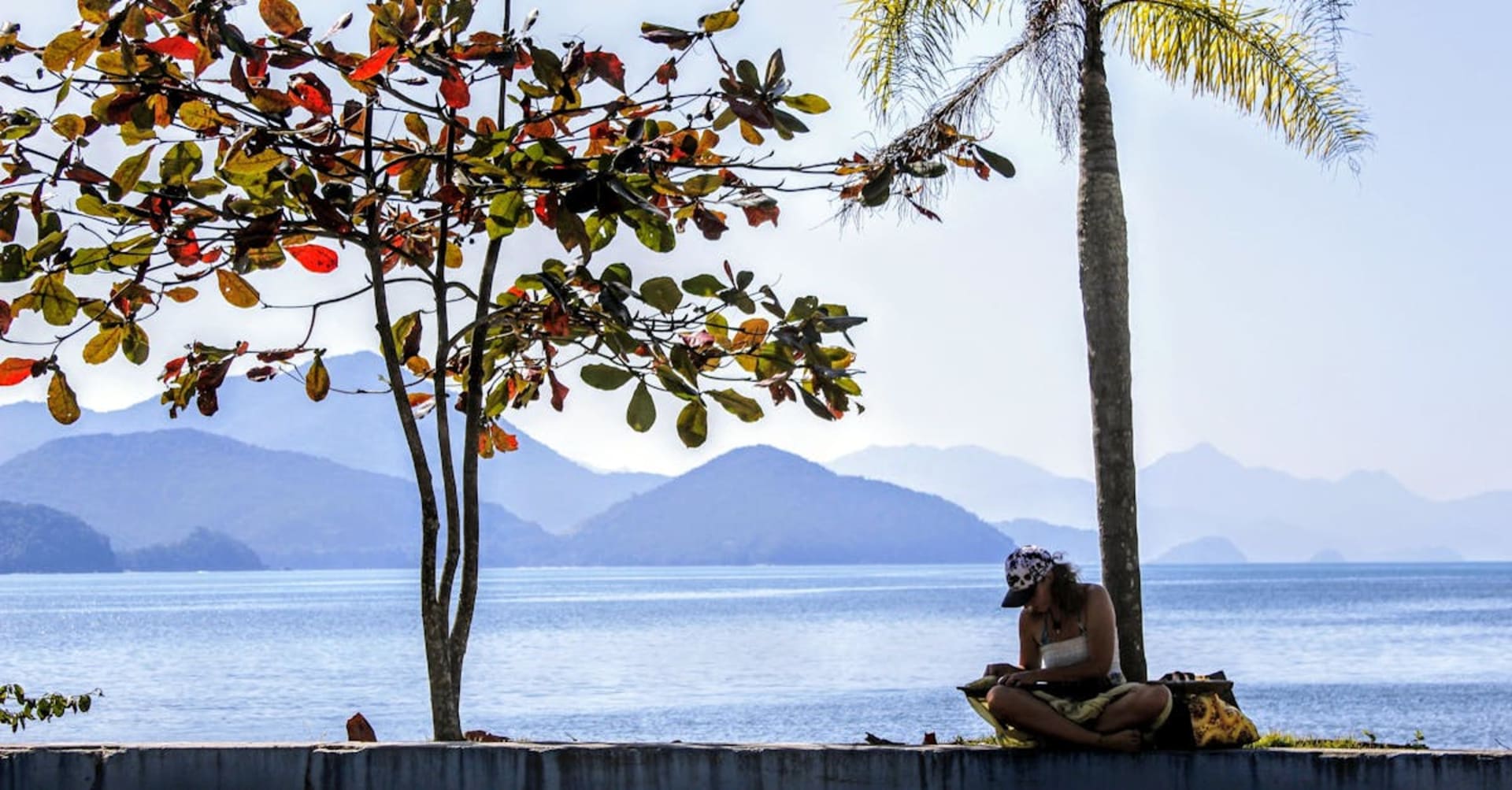
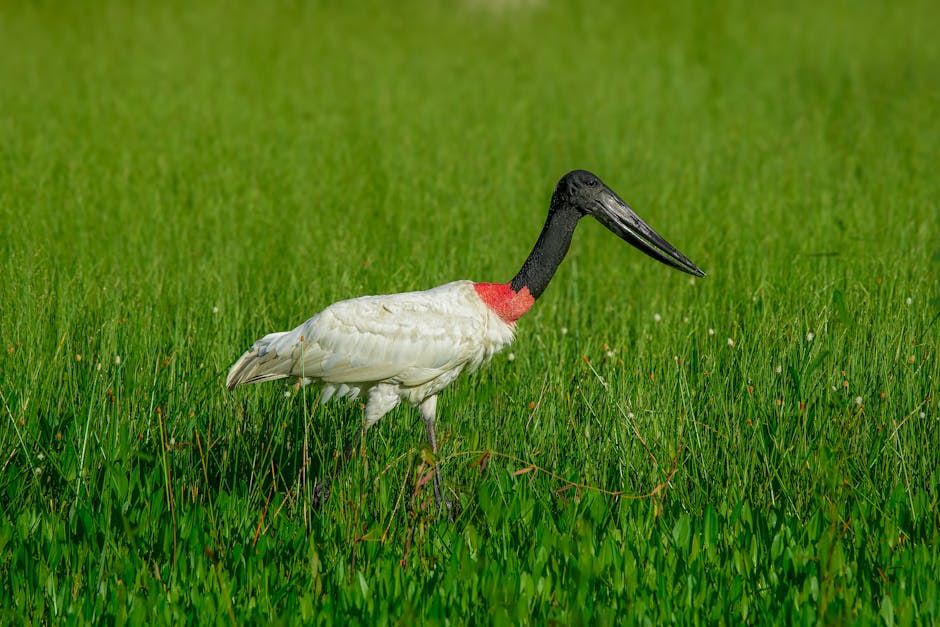
The Pantanal is the world’s largest tropical wetland — an area the size of England that floods seasonally, creating one of the most wildlife-dense ecosystems on the planet. It is, pound for pound, a better wildlife destination than the Amazon: the open landscape means you actually see the animals, rather than hearing them in impenetrable forest canopy. Jaguars, giant otters, caimans, capybaras, hyacinth macaws, jabiru storks — the density of visible wildlife here rivals East Africa.
Jaguar tracking is the headline experience, and the northern Pantanal (accessed from Cuiabá via the Transpantaneira road) is the place to do it. Boat safaris along the tributaries of the Paraguay River offer the best chances, particularly from July to October when the dry season concentrates animals along shrinking waterways. A jaguar sighting is not guaranteed, but your odds here are higher than anywhere else on the planet — some lodges report sightings on over 90% of multi-day trips.
The Transpantaneira — a 147-kilometer raised dirt road with 122 wooden bridges crossing the wetland — is a safari in itself. Drive it slowly and you will see caimans basking on every bank, capybaras grazing at the roadside, and raptors on every fence post. In the dry season, the ponds beside the road concentrate hundreds of birds.
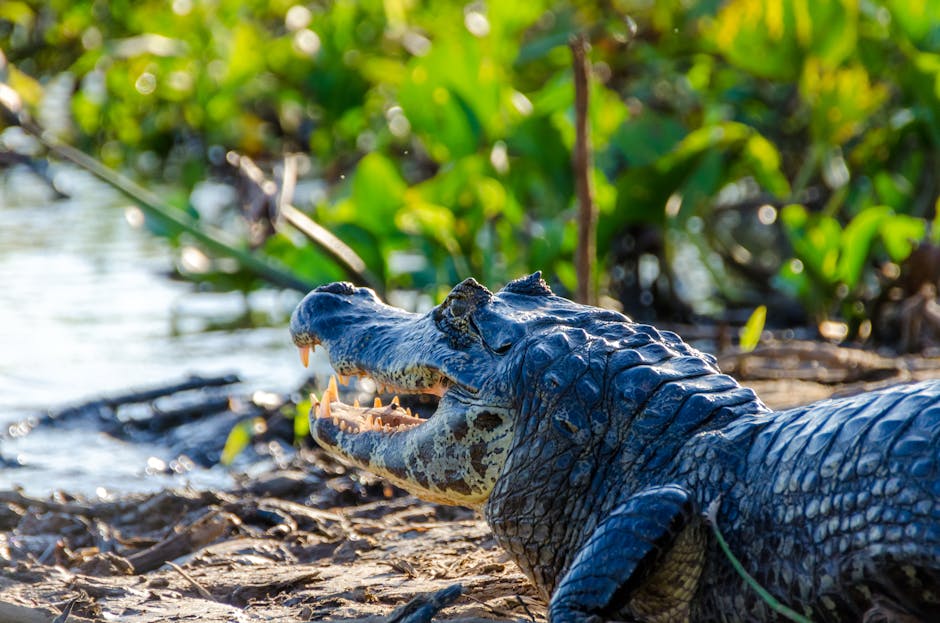
Horse riding through the Pantanal is the traditional way to experience it — the local pantaneiros (cowboys) have been working the wetlands on horseback for centuries. Several lodges offer multi-day riding safaris that cover terrain inaccessible by vehicle.
Bonito, at the southern edge, adds a different dimension: rivers of extraordinary clarity where you can snorkel with hundreds of fish in water so transparent it barely registers as water.
When to go: July to October for dry season — maximum wildlife concentration, easiest access, jaguar tracking at its peak. The wet season (November to March) floods the plains and makes much of the area inaccessible, but the birdlife is at its most dramatic.