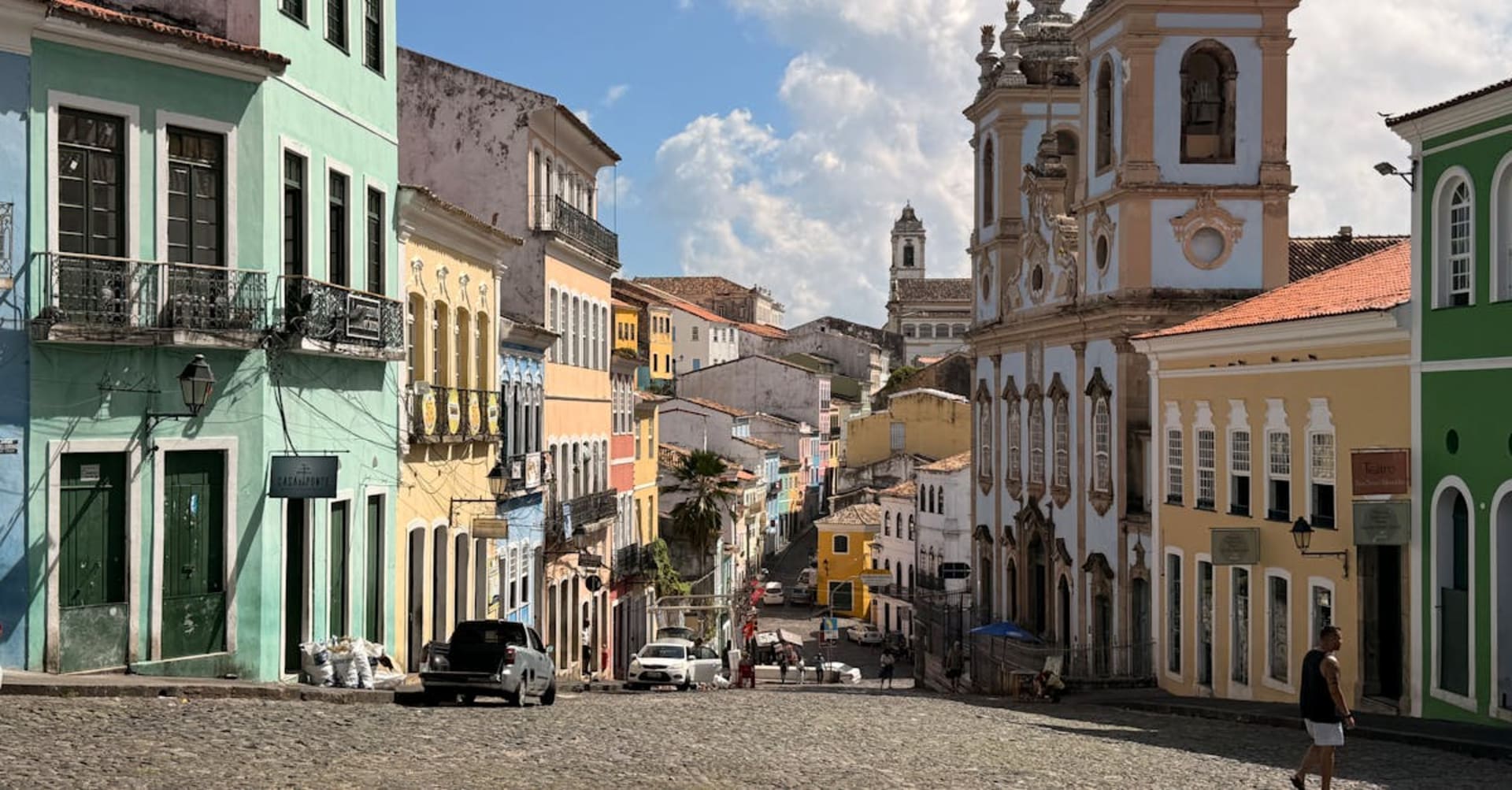
Bahia is where Brazil’s Afro-Brazilian identity is most vivid and most celebrated. Salvador, the state capital, was the first capital of colonial Brazil and the primary port of the transatlantic slave trade — a history that produced a cultural tradition of extraordinary richness. Candomblé ceremonies, capoeira circles, samba de roda, acarajé stands, and a cuisine built on dendê oil, coconut milk, and dried shrimp that tastes like nowhere else on the planet.
Salvador’s Pelourinho — the colonial old quarter — is a UNESCO site of cobblestoned streets, baroque churches, and pastel facades. It is touristy in parts and completely real three blocks away. The Mercado Modelo has crafts; the Mercado de São Joaquim has the actual food.
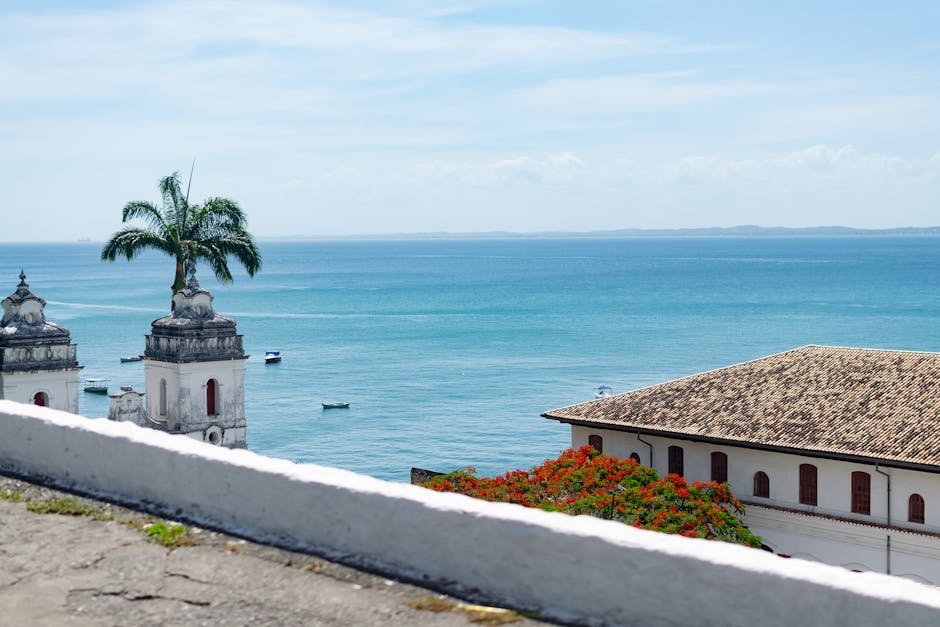
The Coconut Coast south of Salvador — Itacaré, Maraú Peninsula, Boipeba — is a string of beach towns connected by palm-lined roads and ferry crossings. Itacaré is the standout: Atlantic forest trails leading to empty surf beaches, a forró-fueled nightlife, and fresh ceviche served with cold Brahma at sunset.
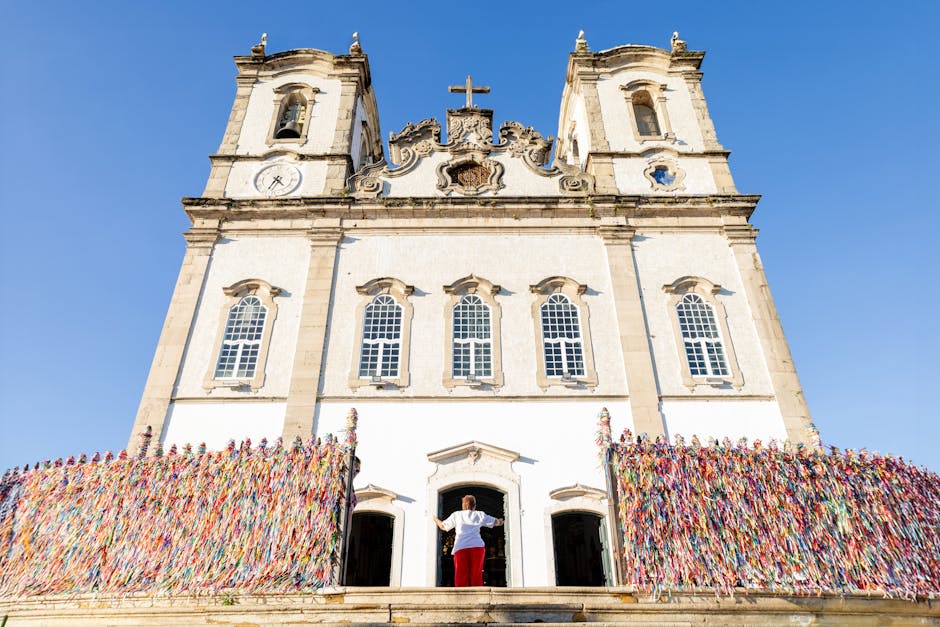
The Recôncavo — the bay area around Salvador — is the homeland of Bahian food traditions. Cachoeira, a colonial town on the Paraguaçu River, hosts some of the state’s most important Candomblé communities and a cigar-rolling tradition that predates Cuba’s.
When to go: September to March for the coast. February for Carnival in Salvador — the largest street party on earth, and not an exaggeration.