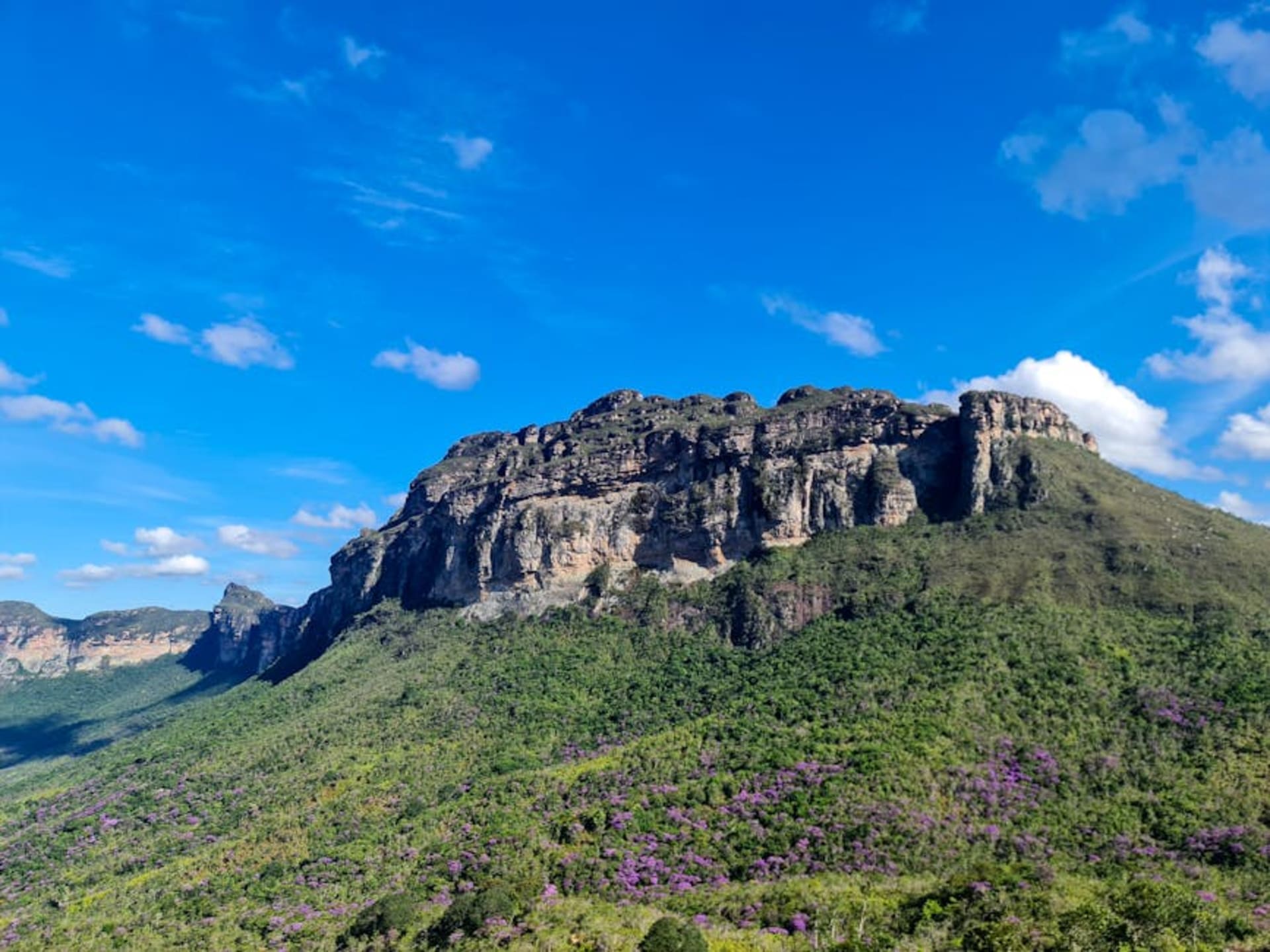
Chapada Diamantina
"The Brazilian outback has its own Grand Canyon, and almost nobody outside Brazil knows it exists."
Chapada Diamantina is the Brazil that nobody photographs for Instagram — and that is precisely why it matters. A vast national park in the interior of Bahia state, it is a landscape of flat-topped mountains, plunging waterfalls, underground caverns, and rivers so clear they appear to be made of glass. I came here after ten days on the Bahian coast, expecting a pleasant hiking detour, and it turned out to be the most visually astonishing landscape I have seen in South America. Coming from someone who lives in Mexico and has hiked Copper Canyon, that is not a statement I make lightly.
Lencois is the gateway town — a former diamond-mining settlement (hence the name Chapada Diamantina, “Diamond Plateau”) with colourful colonial buildings, a handful of excellent restaurants, and a backpacker energy that reminded me of San Cristobal de las Casas. I stayed at Hotel Canto das Aguas, right on the Lencois River, and fell asleep each night to the sound of rushing water.
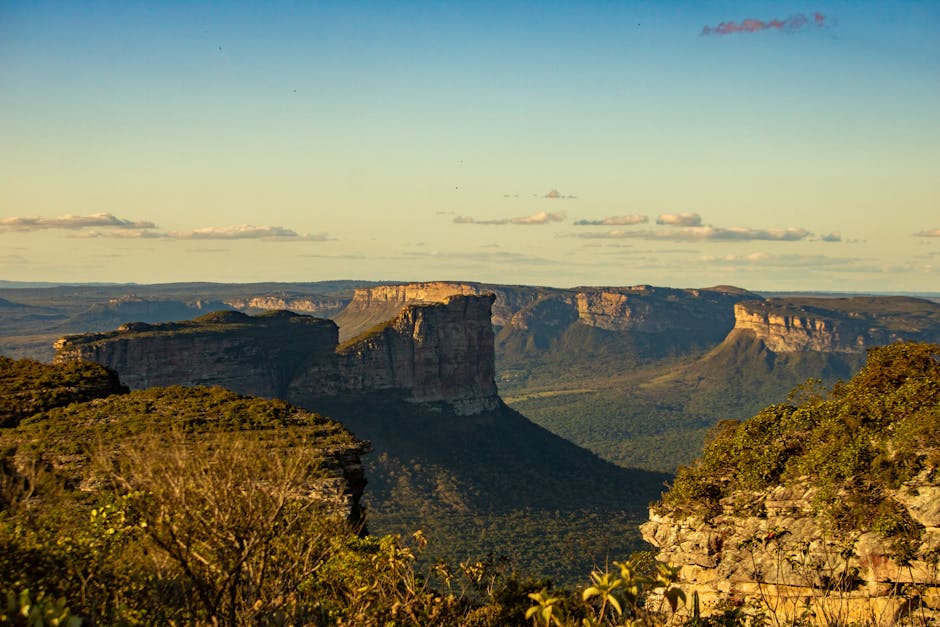
The Fumaça Waterfall is the park’s headline attraction — a 340-metre free fall off a table-top mountain that, on windy days, blows the water back upward before it reaches the ground. The hike to the top viewpoint is about six kilometres from the village of Vale do Capão, and when you arrive at the edge and look down, the scale is genuinely disorienting. I watched a cloud drift through the canyon below me and felt, for a moment, like I was standing on the edge of the world.
Pratinha and Gruta Azul — a pair of caves and natural pools about an hour from Lencois — offer something I have not experienced anywhere else. At Pratinha, you snorkel through crystal-clear water into a cave, following a subterranean river past stalactites and fish that have adapted to near-darkness. At Gruta Azul, sunlight enters through a narrow opening and refracts through the water, turning the entire cave electric blue. I sat on the rock ledge watching the colour shift as the sun moved, and I understood why the garimpeiros — the diamond miners — believed these caves were enchanted.
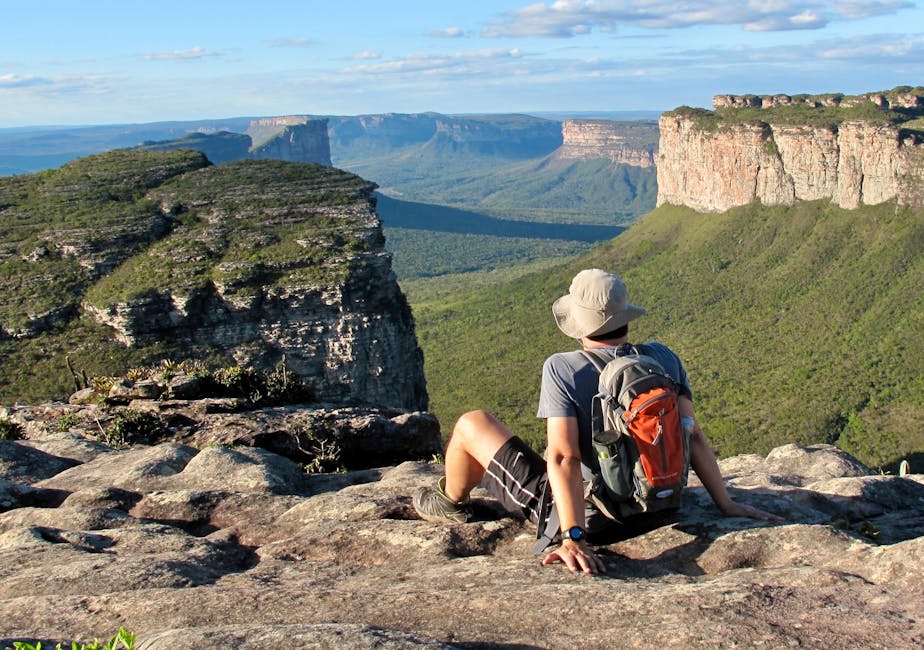
The Vale do Pati is considered the best multi-day trek in Brazil — a three-to-five-day walk through the heart of the park, sleeping in the homes of local families who provide meals and hammocks. The trail crosses rivers, climbs table-top mountains, and passes through landscapes that shift from Atlantic forest to cerrado to high-altitude grassland. I did it in four days with a guide named Seu Zé, who had been walking these trails since childhood and knew every swimming hole, every shortcut, and every story attached to every rock.
The food culture is hearty and built on the land — goat stew, mandioca (cassava) in every form, queijo coalho grilled on the street, and fresh-pressed sugarcane juice at every trail head. Cozinha Aberta in Lencois serves creative Bahian-interior cuisine, and the Thursday night feira (market) in the town square is a gathering of local producers that feels like community rather than commerce.
When to go: March to October for hiking — the dry season keeps trails accessible and waterfalls flowing. November to February is rainy season — the waterfalls are more dramatic but trails become muddy and some caves flood. June to August offers the best balance.