Paraty
"Paraty is what happens when a town is too beautiful to modernize and too stubborn to disappear."
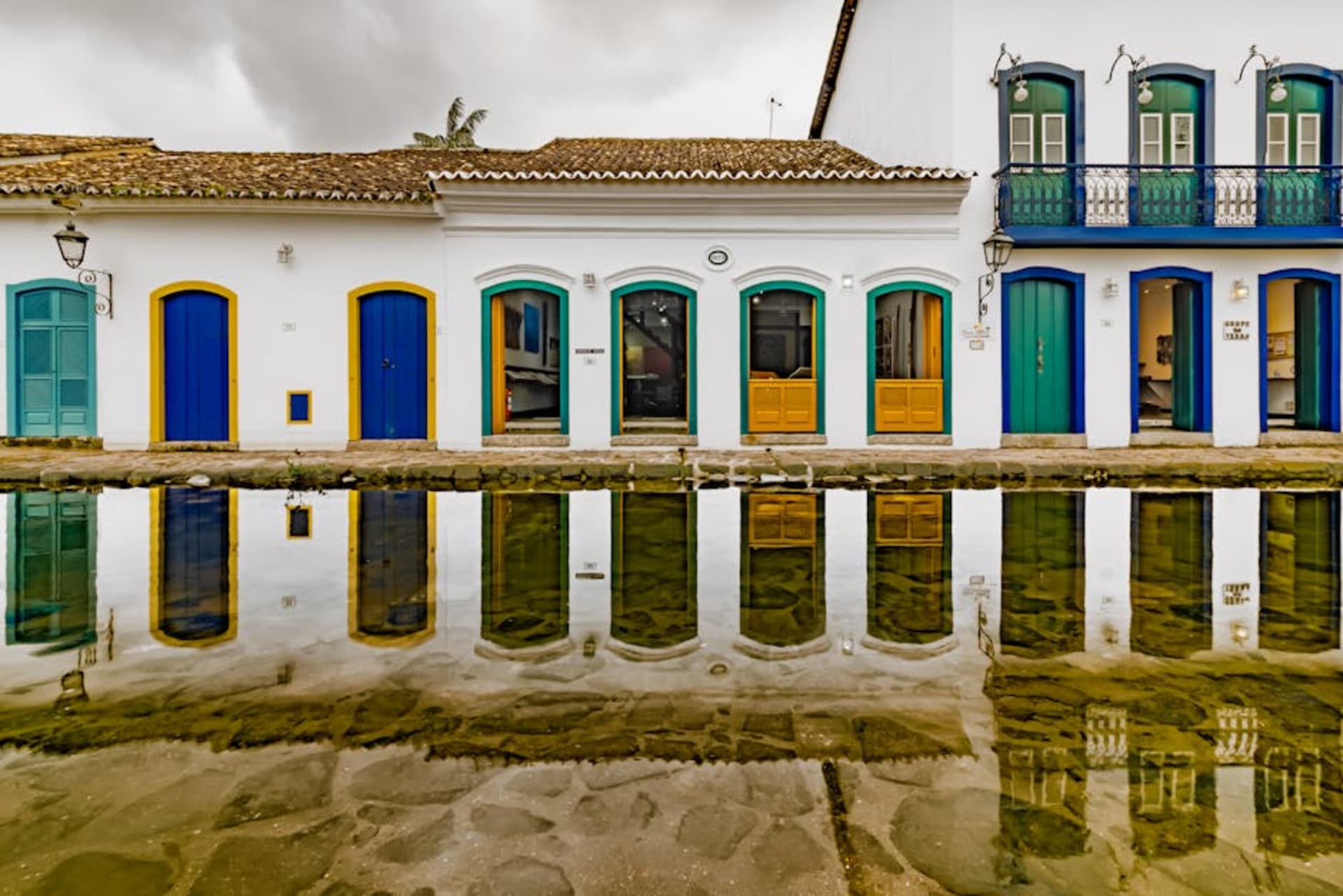
Paraty is one of those places that feels like it should not exist in the twenty-first century. A perfectly preserved colonial town on the Costa Verde between Rio and São Paulo, its cobblestone streets were built without mortar so that high tides could flush through them — a detail that sounds like a charming footnote until you are walking barefoot through ankle-deep seawater at midnight, drink in hand, and realize the town has been doing this for three hundred years.
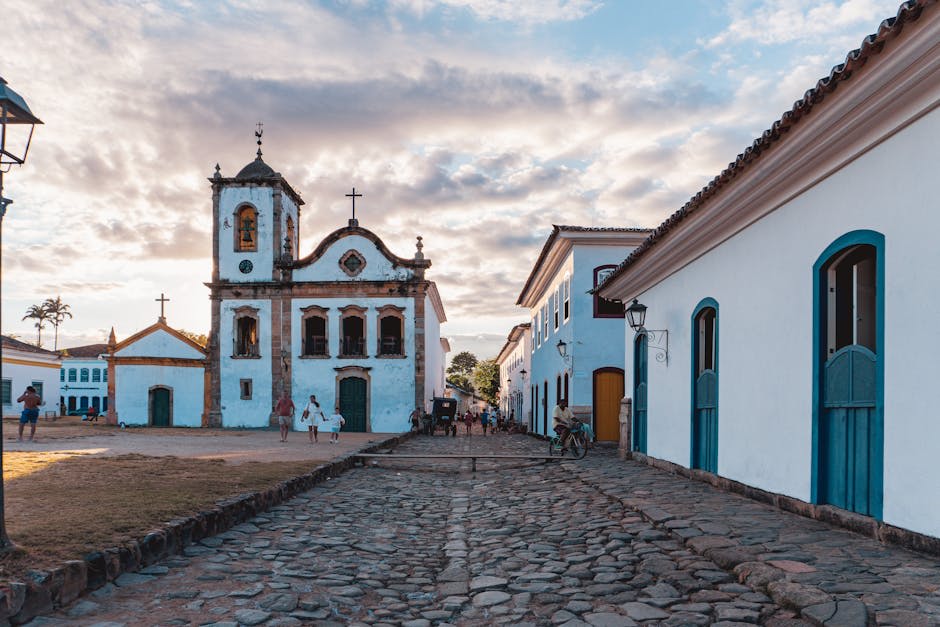
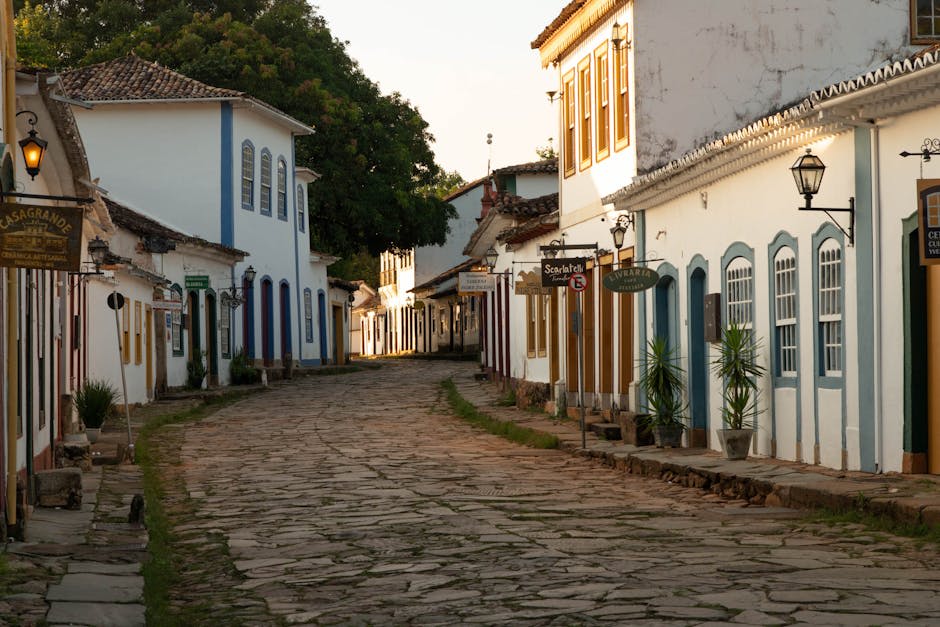
I arrived by bus from Rio, a four-hour ride along a coast so dramatic it made me put my book down — the Serra do Mar mountains dropping straight into the Atlantic, the road carved into cliffs above bays of impossible green. Paraty sits at the end of this coast, where the mountains meet the sea in a tangle of islands, mangroves, and Atlantic forest. The town itself is a UNESCO site: whitewashed colonial buildings with coloured window frames, churches from the 1700s, and not a single car allowed in the historic centre.
The cachaça culture here is extraordinary. Paraty was historically a cachaça-producing powerhouse — the spirit made from fresh sugarcane juice — and the tradition continues. The Cachaça Paratiana distillery, a short drive from the centre, produces small-batch spirits aged in native Brazilian woods (amburana, jequitibá) that are as complex as any fine rum or whisky I have tasted. The annual FLIP literary festival, held in July, turns the town into an open-air literary salon — readings in colonial courtyards, debates in churches, and cachaça flowing at every event.
The water around Paraty is the other revelation. Boat trips depart from the harbour each morning to cruise the archipelago of islands and secluded beaches — Praia Vermelha, Praia da Lula, Ilha Comprida — where the water is warm and clear and the forest comes down to the sand. I hired a small boat for a day with a local captain named Marcos who knew every hidden cove, and we anchored off a beach accessible only by water, ate grilled fish he had caught that morning, and floated in silence.
The food in Paraty leans on seafood and the traditions of caiçara culture — the coastal communities descended from Indigenous, Portuguese, and African populations. Banana da Terra is the restaurant that put Paraty on the culinary map — creative Brazilian cuisine in a colonial house, with a menu that changes with what the fishermen bring in. For something simpler, the quiosques along the waterfront serve fresh fish, cold beer, and a view of the bay that requires no improvement.
The Gold Trail (Caminho do Ouro) is the hiking highlight — a section of the original colonial road used to transport gold from Minas Gerais to the port at Paraty. The stone-paved path cuts through dense forest, crossing streams and passing waterfalls where you can swim. It is a walk through history, literally.
When to go: April to June and August to October. July is FLIP festival — wonderful but crowded. The summer months (December to March) are hot, humid, and rainy, though the afternoon storms are dramatic and the town empties by evening.