Florianopolis
"Floripa is what happens when Portuguese fishermen, Brazilian surfers, and Argentine vacationers build a paradise together."
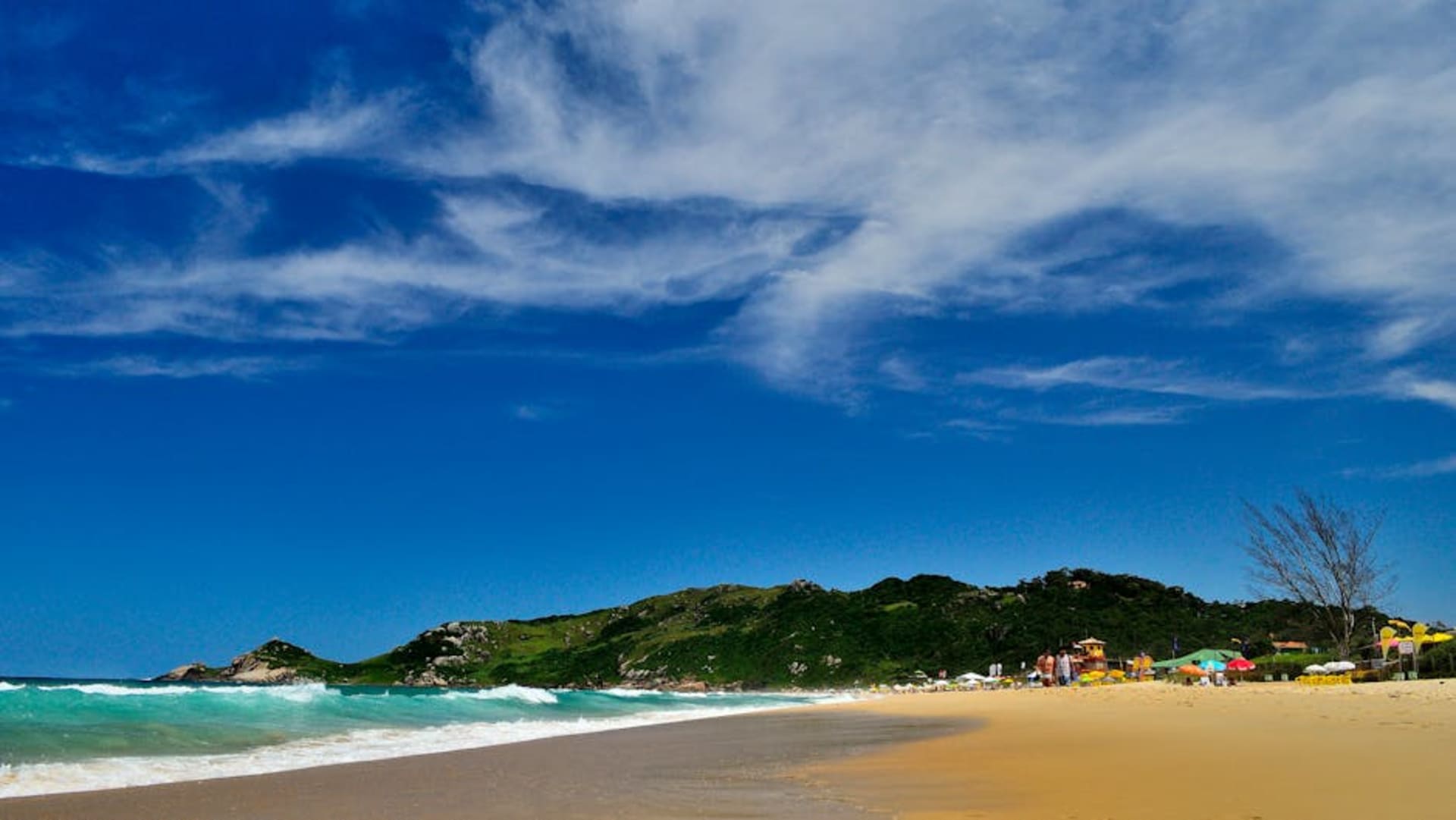
Florianopolis — Floripa to everyone who has been there more than a day — is an island connected to the mainland by a bridge, and it contains forty-two beaches, each with its own personality. I came for a weekend and stayed for ten days, which is apparently the standard Floripa trajectory. A Brazilian friend in Mexico City had told me: “It’s the best-kept secret in South America, except that three million Argentines already know about it.” He was right on both counts.
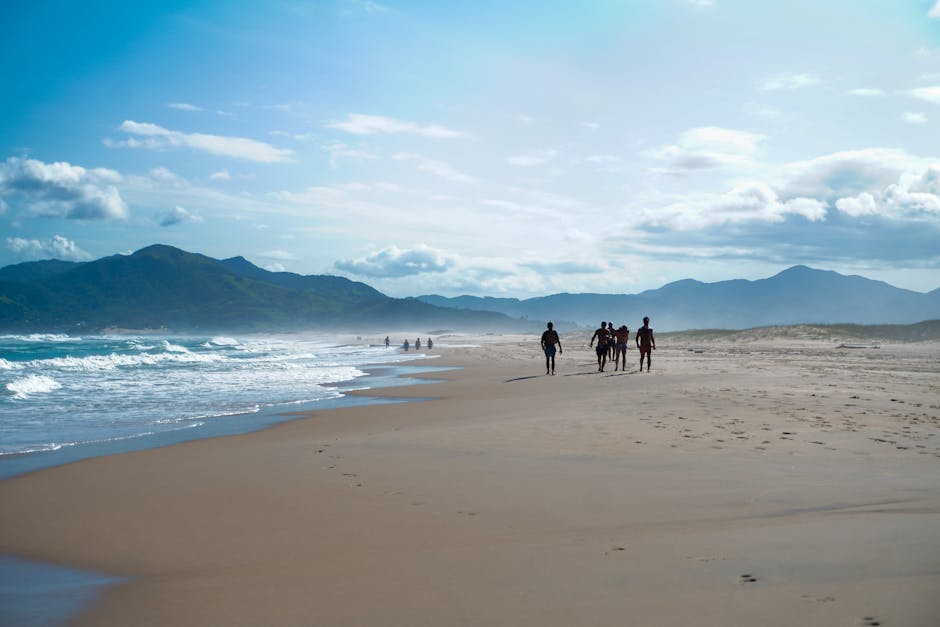
The island splits neatly into two worlds. The east coast faces the open Atlantic — powerful surf, wide sand, dune-backed beaches like Joaquina and Mole where the Brazilian surf championship runs each year. The north and west coast are sheltered, warmer, calmer — family beaches, oyster farms, and the Azorean fishing villages that give the island its cultural backbone.
Santo Antonio de Lisboa, on the western shore, is my favourite corner of the island. A one-street village of whitewashed Azorean houses, a church on the waterfront, and three or four oyster restaurants serving the freshest bivalves I have eaten outside of Cancale in Brittany. Ostradamus is the standout — oysters grilled with garlic butter, washed down with a cold white wine, watching the sun set over the mainland. Floripa produces seventy percent of Brazil’s farmed oysters, and you can taste why.
Lagoa da Conceicao, the lake at the island’s centre, is the social hub — bars, restaurants, and the departure point for boat trips and stand-up paddleboarding. The Canto da Lagoa neighbourhood, tucked along the lake’s eastern shore, feels like a village lost inside a city: narrow lanes, handmade signage, and a pace that resists hurry.
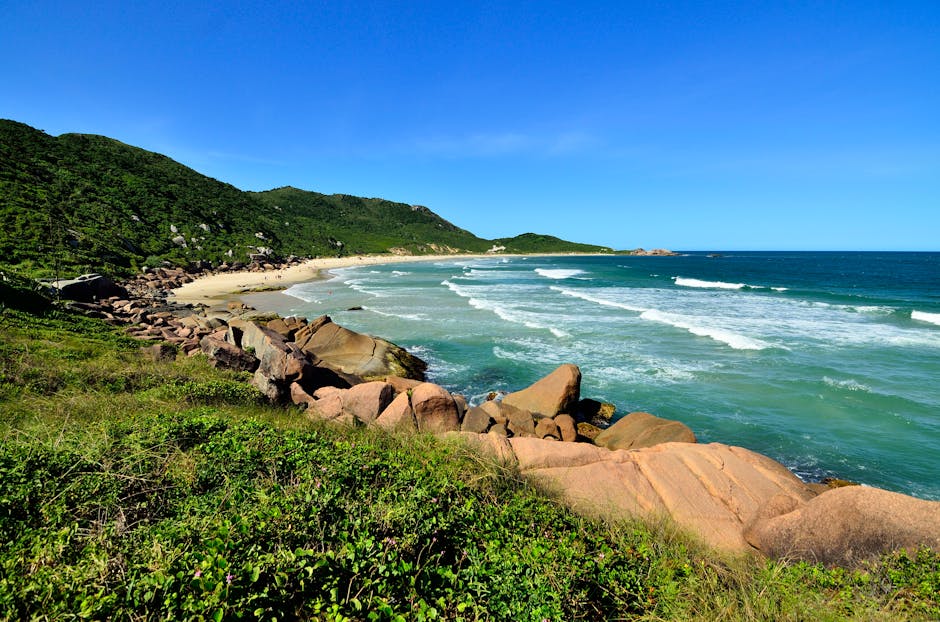
The south of the island is wilder and less developed. Praia do Campeche has the best combination of surf and scenery. Lagoinha do Leste, accessible only by trail or boat, is the payoff hike — forty-five minutes through Atlantic forest to a crescent beach that, on a weekday, you might have entirely to yourself. I sat there eating a mango I had bought that morning at the market and thought about never leaving.
The food culture is built on seafood, obviously, but the surprise is the quality of the casual dining. Arante in Pantano do Sul — a beachfront shack famous for the thousands of handwritten notes covering its walls and ceiling — serves a sequencia de camarão (shrimp sequence) that is eleven courses of shrimp prepared every way imaginable. It costs less than a mediocre lunch in any European capital.
When to go: December to March for beach season and warm water. April to June for fewer crowds, lower prices, and still-pleasant weather. The surf is best from May to August when southern swells arrive.