Asia
Xinjiang
"I came expecting desert and left rearranging everything I thought I knew about China."
A region the size of Western Europe where Silk Road bazaars, Tianshan glaciers, and Uyghur flatbread stalls collide in ways no map can adequately prepare you for.

I arrived in Kashgar on an overnight train from Urumqi with no real frame of reference. Nothing in years of travel through Central Asia, through the Middle East, through western China had prepared me for that Sunday bazaar — ten thousand people trading sheep, spices, copper pots, and handwoven rugs in a space that smelled of cumin and livestock and something ancient that I still cannot name. Uyghur, Russian, Kyrgyz, Tajik — conversations layered over each other like a market that has been running, in some form, for two thousand years. Which it has.
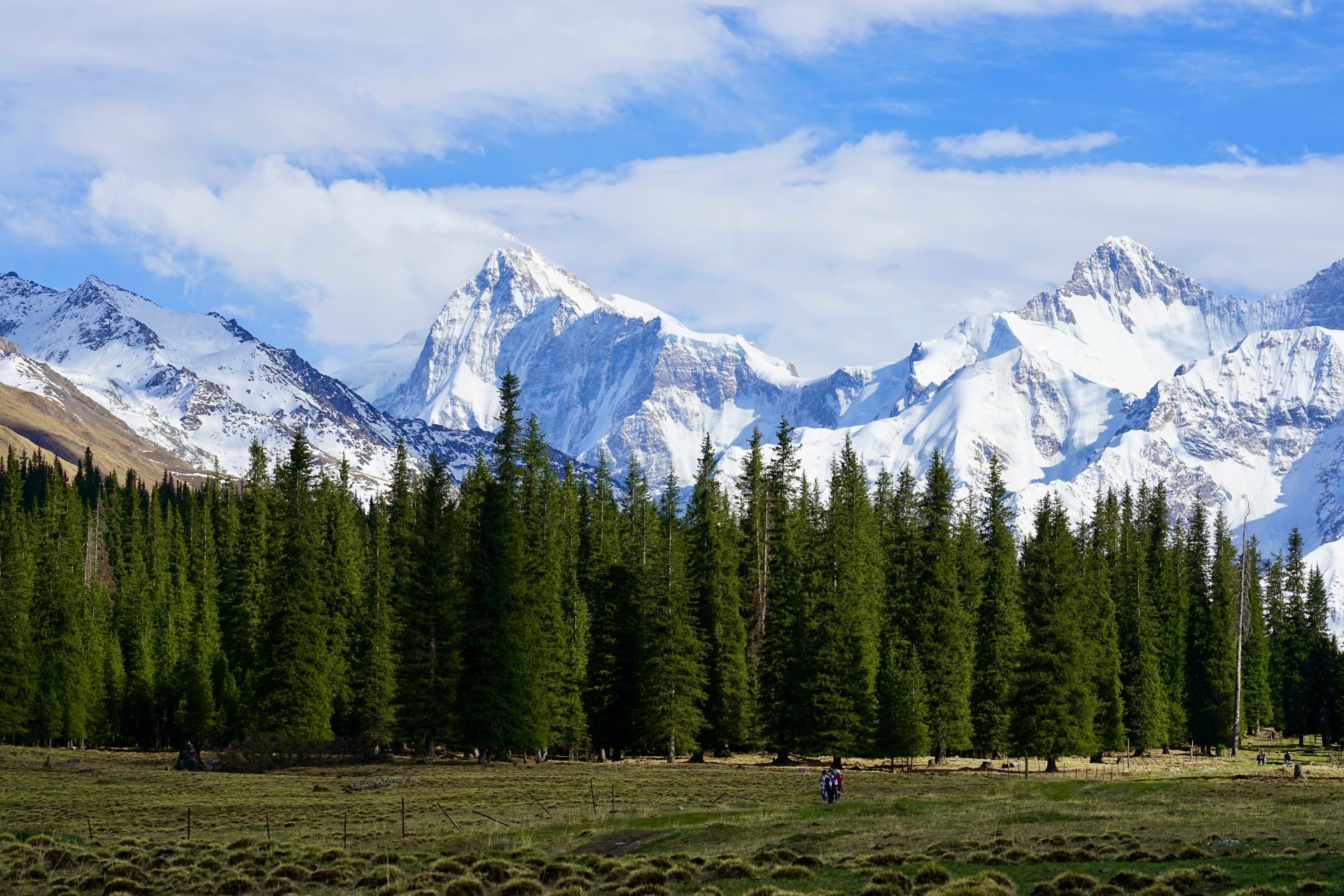
The scale of Xinjiang is the first thing that defeats the imagination. The Taklamakan Desert alone is larger than France. The Tianshan range — snow-capped, impossibly dramatic — cuts through the region like a spine, and the valleys on either side exist in almost separate climates. The Ili Valley in the north is green in ways that blindside you: alpine meadows, flower fields in spring, Kazakh nomads moving their herds between winter and summer pastures. The photo I keep coming back to from that trip is not of desert dunes or ancient minarets. It is of a morning in Zhaosu County, the mountains catching early light above a tree line so dense and saturated it looked painted. That image has nothing to do with the Xinjiang that exists in most people’s mental library, and that gap is exactly the point.
The food is reason enough. Laghman noodles hand-pulled to order and tossed with lamb, peppers, and tomatoes — a dish that migrated west along the Silk Road and became the ancestor of Italian pasta, if you believe the food historians, and standing at a cart in Kashgar eating them in the street, you find it easier to believe. Polo — the Uyghur rice pilaf cooked with carrots and mutton fat in a cauldron the size of a small car. Samsa, the baked lamb dumplings that come out of clay ovens burning your fingers. And the bread: naan baked on the walls of tandoor ovens, seeded with sesame, still warm, still the best bread I have eaten anywhere.
When to go: Late April to June for the Ili Valley’s wildflower season and mild temperatures. September for harvest, golden light, and fewer visitors in the south around Kashgar and Hotan. August brings the heat to the Taklamakan but also clearer skies in the mountains. Avoid January and February — Urumqi winters are genuinely brutal.
What most guides get wrong: They present Xinjiang as either a desert curiosity or a political headline. Neither captures what it is on the ground: a region of extraordinary geographic and cultural complexity where the Silk Road is not a metaphor but a living tissue still connecting people, cuisines, and traditions across borders that maps insist on drawing differently than people experience them.
Explore
Places in Xinjiang
 xinjiang
 Altay
A remote northern range of birch forests and Kazakh yurt camps where the air smells like cold water and woodsmoke.
Explore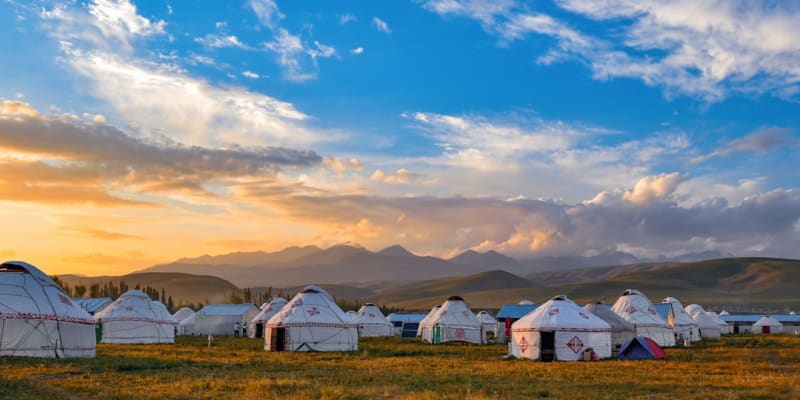 xinjiang
 Hami
An eastern gateway oasis where the desert meets the first spurs of the Tianshan, famous for the melons that have been exported to Chinese emperors for centuries and for royal tombs that sit improbably in the middle of a modern city.
Explore xinjiang
 Hotan
A southern Silk Road oasis at the edge of the Taklamakan where jade traders and carpet weavers still work the same trades their families have for generations.
Explore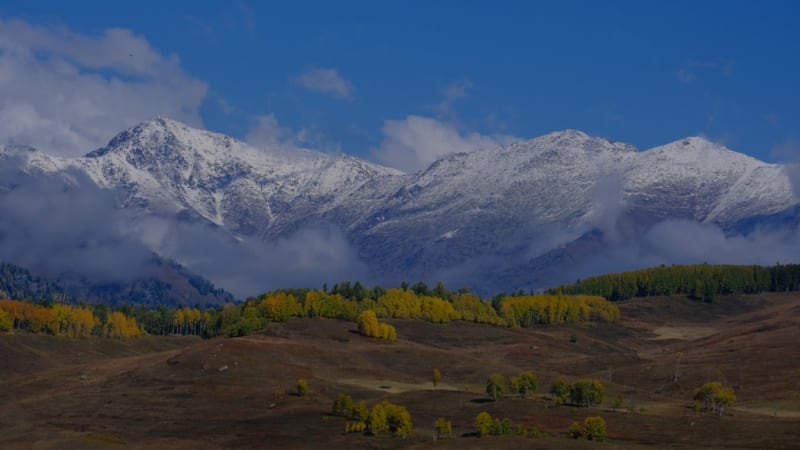 xinjiang
 Ili Valley
A lush Kazakh-flavored corridor running west toward the Kazakhstan border, famous for wild tulip fields, lavender farms, and a river valley so unexpectedly green it reads like a mistake in the desert.
Explore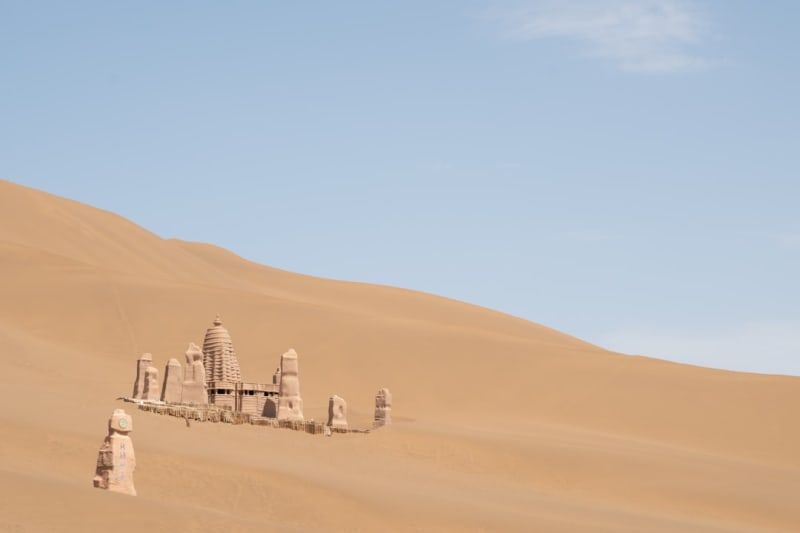 xinjiang
 Jiaohe Ruins
A 2,300-year-old mudbrick city carved into a river-cut plateau near Turpan, abandoned but still standing in the desert heat.
Explore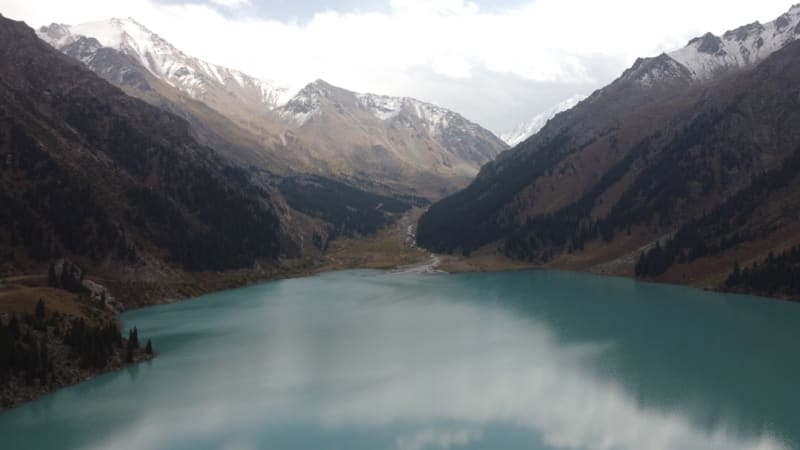 xinjiang
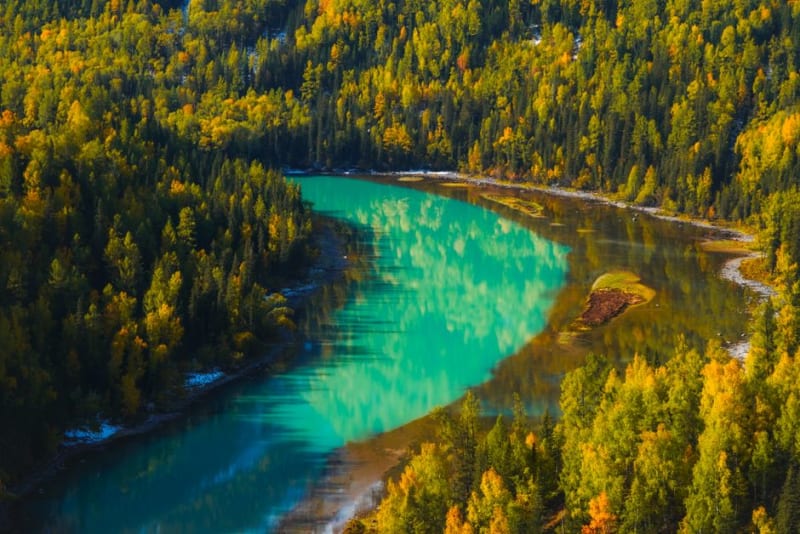
 Kanas Lake
A glacially deep alpine lake tucked into the Altai Mountains on China's far northwestern edge, where Tuvan nomads graze horses in forests that look borrowed from Siberia.
Explore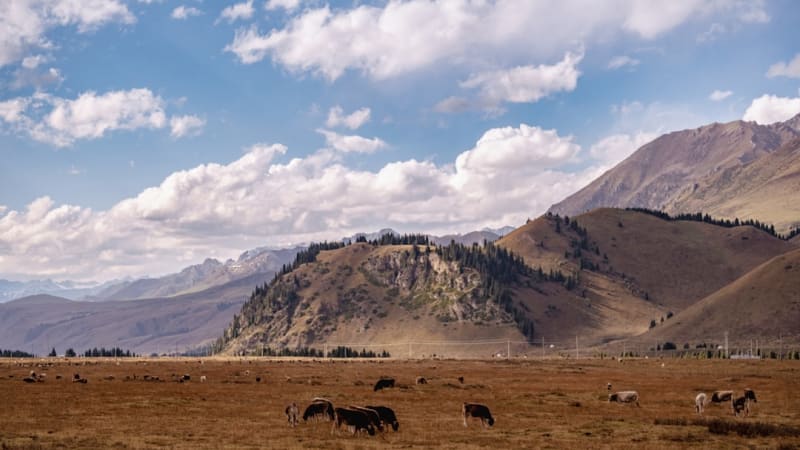 xinjiang
 Karakul Lake
A black mirror of a glacial lake at 3,600 meters on the Karakoram Highway, ringed by Kyrgyz yurts and the permanent ice of peaks that straddle China, Tajikistan, and Pakistan.
Explore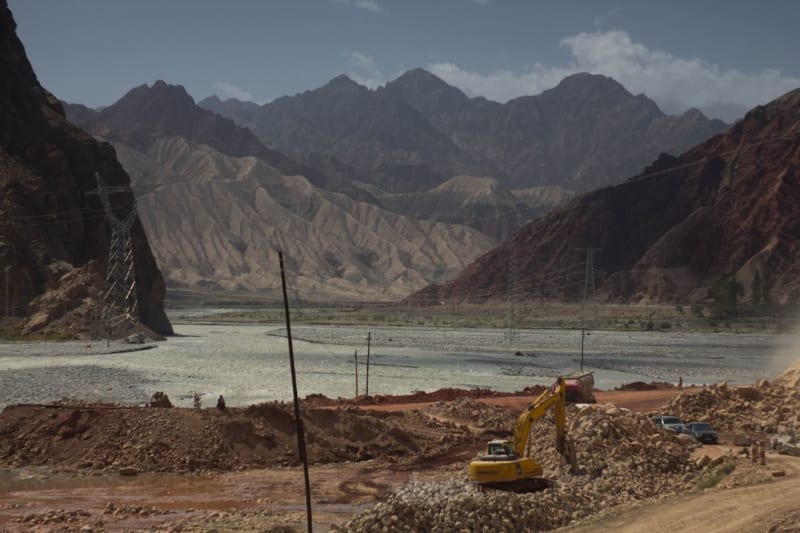 xinjiang
 Kashgar
Central Asia's last great bazaar city, where Sunday markets have thundered through the same alleyways for two thousand years and the smell of cumin smoke never quite leaves your coat.
Explore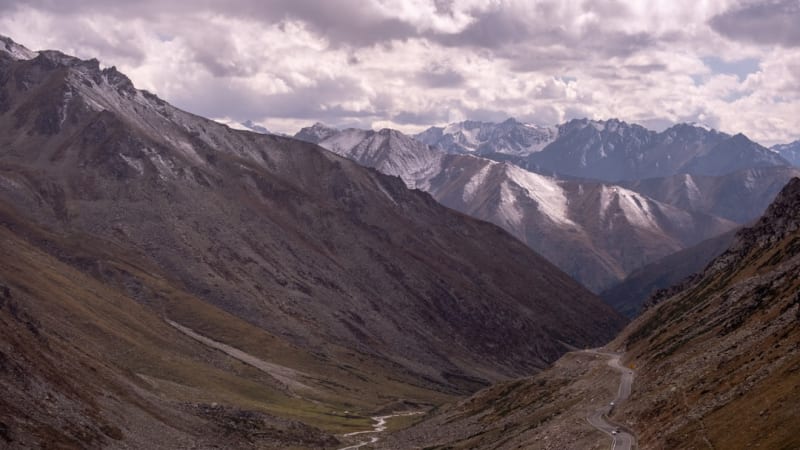 xinjiang
 Kuqa
An ancient oasis town in the heart of the Tarim Basin that was once the Buddhist capital of Central Asia, surrounded by canyon landscapes and cave temples that most tourists to Xinjiang never reach.
Explore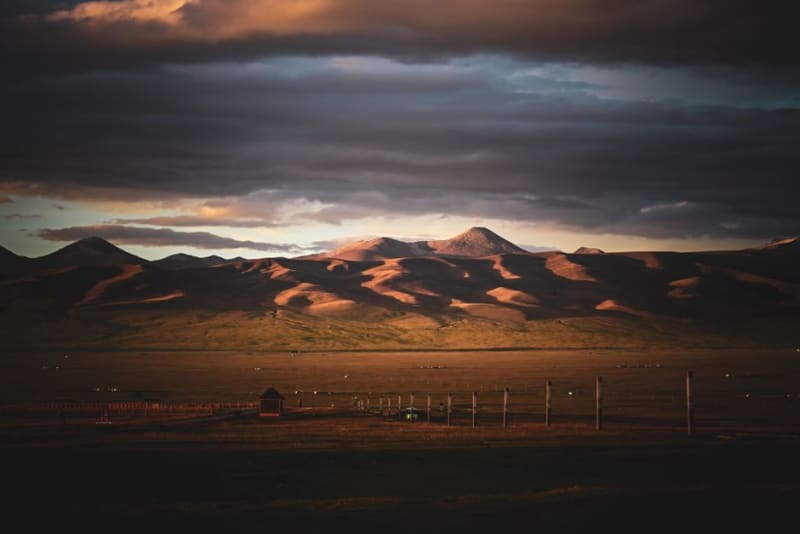 xinjiang
 Nalati Grassland
A sweeping alpine steppe in the Tianshan foothills where Kazakh herders still bring their flocks up for the summer grazing season.
Explore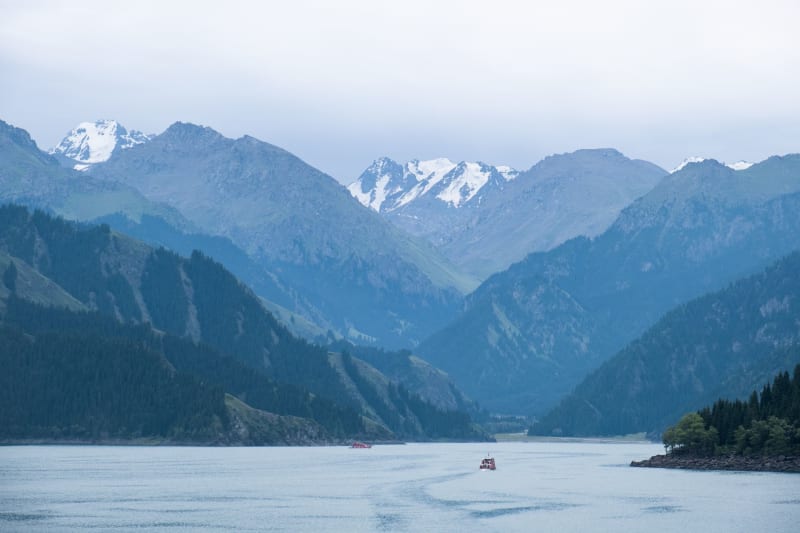 xinjiang
 Sayram Lake
The highest large alpine lake in Xinjiang, a cold cobalt bowl at 2,073 meters in the Tianshan that turns electric blue in summer and is ringed by the kinds of wildflower meadows that make you distrust your own memory afterward.
Explore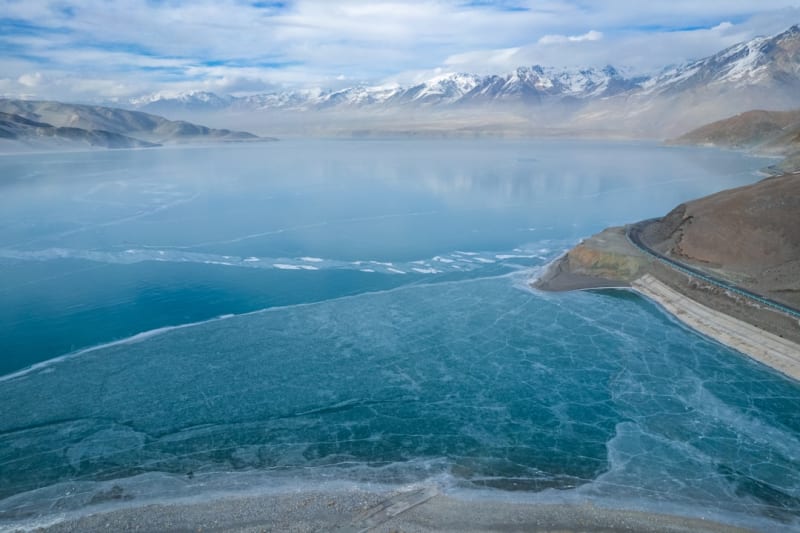 xinjiang
 Taklamakan Desert
The second-largest shifting sand desert on Earth, a sea of ochre dunes ringed by oasis cities where ancient Silk Road caravans once crossed and where the silence is so total it becomes a physical presence.
Explore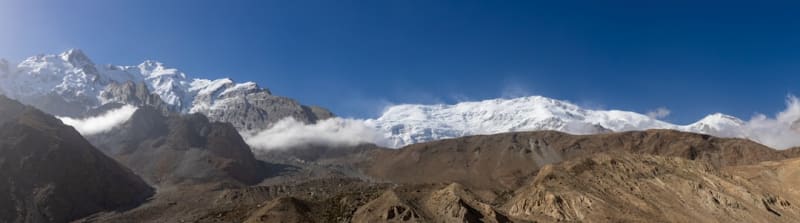 xinjiang
 Tashkurgan
A Tajik town on the Pamir Plateau at 3,100 meters, perched between a ruined Stone City and three of the world's highest mountain ranges, near the point where China, Pakistan, and Tajikistan nearly meet.
Explore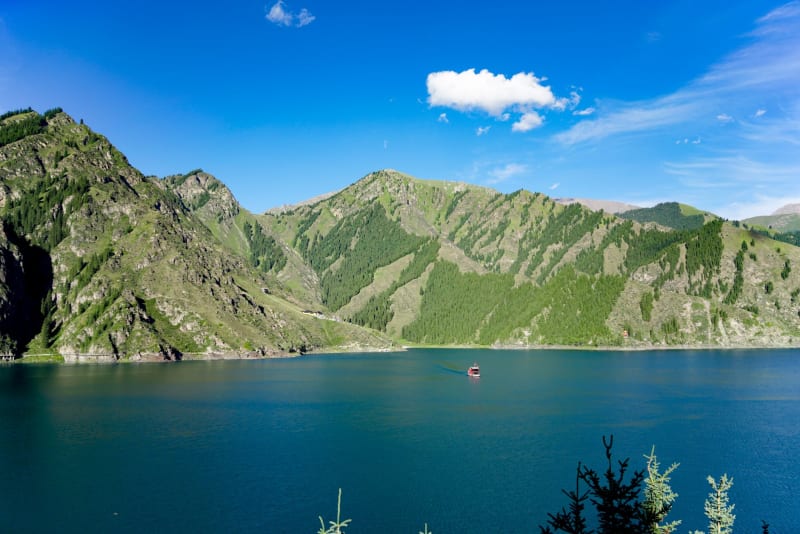 xinjiang
 Heavenly Lake of Tianshan
An alpine lake high in the Tianshan Mountains east of Urumqi, where snowmelt-blue water sits beneath glaciated peaks and the air smells of spruce and cold stone.
Explore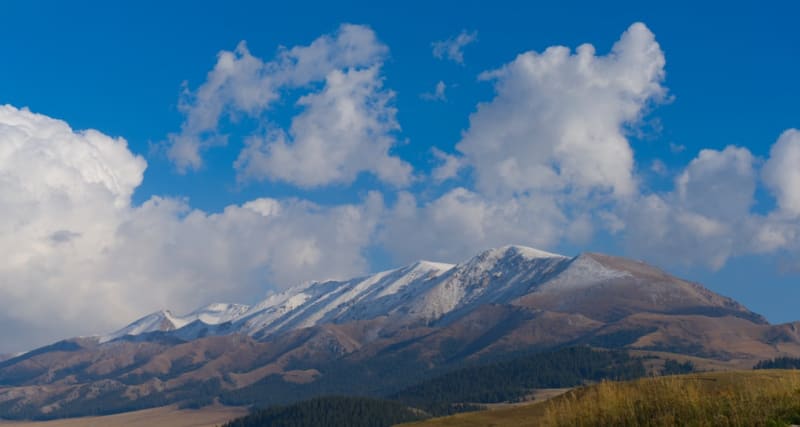 xinjiang
 Turpan
A sunken oasis city surrounded by the Flaming Mountains, where grape trellises cast the only shade and underground water channels have been running since before the Roman Empire.
Explore xinjiang
 Urumqi
The most remote major city on Earth from any ocean, a fast-moving Han and Uyghur metropolis pressed against the Tianshan that serves as the gateway to everything in Xinjiang and has a night food street that operates like a fever dream.
Explore