Yining
"I got lost in a neighborhood of blue wooden houses and ended up eating dinner with a family who insisted I try their homemade nan five different ways."
A border city in the Ili Valley where Uyghur, Kazakh, Han, and Russian influences overlap a few kilometers from Kazakhstan.

Yining doesn’t get talked about much outside of China, and I get why — it’s a nine-hour drive or a short flight from Urumqi, sitting right up against the Kazakhstan border, and it’s not chasing the same postcard as Kashgar. But that’s exactly what made it interesting to me. Nobody there was performing “exotic Silk Road city” for a camera. It’s just a working border town where four or five cultures have been quietly rubbing shoulders for well over a century, and you feel that layering everywhere, from the street signs to the smell of the bakeries.
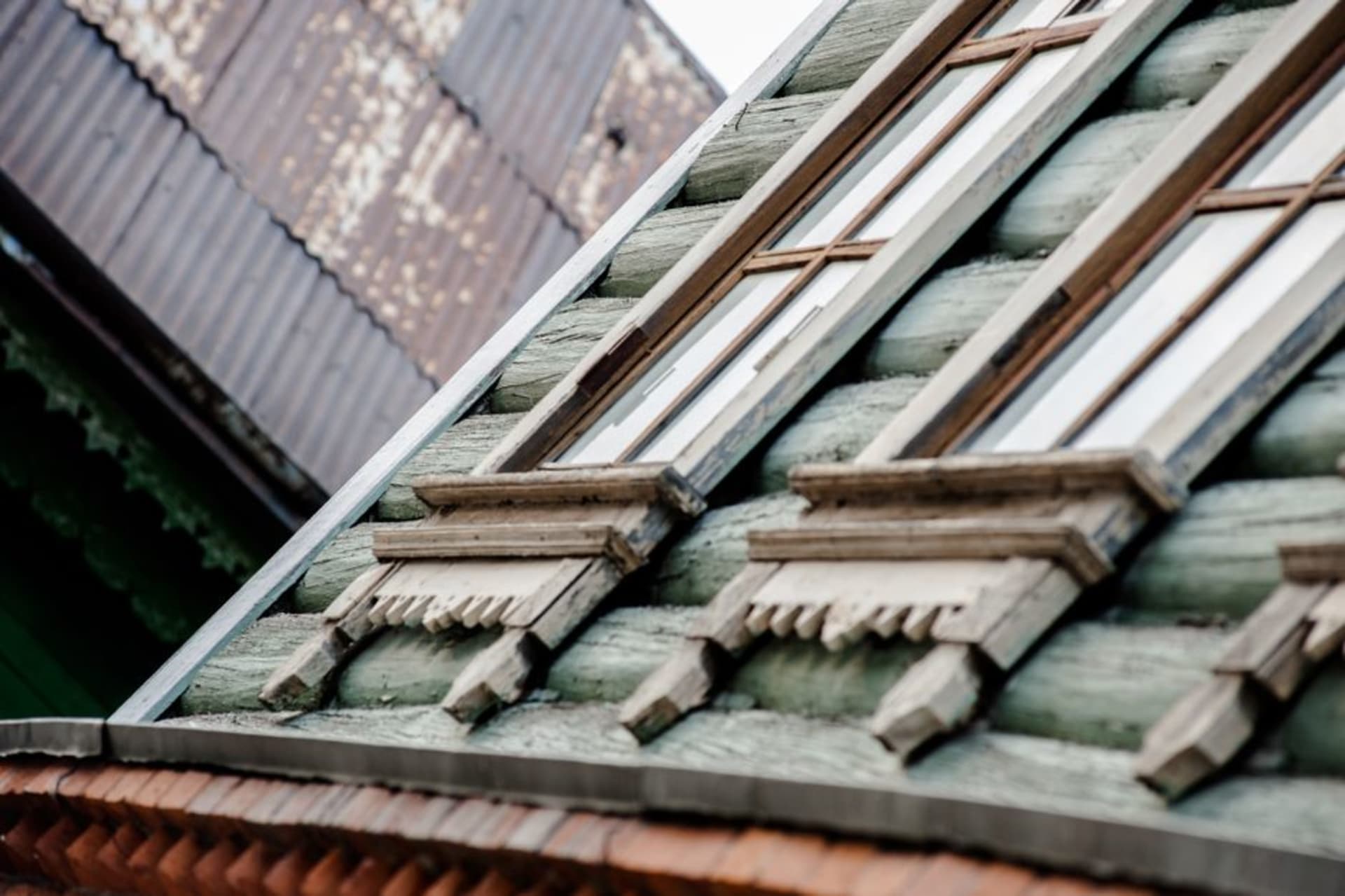
The old Russian quarter is the part that surprised me most. There are streets of wooden houses with carved blue and green shutters, a legacy of the Russian and Soviet trading presence here going back to the Qing dynasty, and walking through them in the late afternoon light felt like being somewhere between Siberia and Central Asia rather than China. I got turned around trying to find a specific courtyard I’d seen in a photo, ended up knocking on the wrong gate, and the family who answered just waved me in for tea anyway. That happened to me more than once in Yining and nowhere else in Xinjiang did it happen quite so easily.

The Ili River itself is worth the walk down to. In the evenings, the riverside park fills up with people doing exactly what people do at rivers everywhere — old men playing chess on stone tables, kids on bikes, couples not really talking to each other but clearly happy to be sitting there. We bought skewers from a cart near the bridge and ate them leaning on the railing watching the water, which by that point had gone the color of weak tea in the low sun. Lia pointed out that we were maybe forty minutes from an entirely different country by car, and it did feel like the edge of something, in a good way.

The market food alone justifies a couple of days here. Kazakh horse sausage, Uyghur nan baked in clay tandoors set right into the sidewalk, dapanji chicken stew shared out of a communal plate — I ate more in Yining than anywhere else on that trip and don’t regret a single meal, including the one that gave me a stomachache I fully blame on my own greed rather than the food.
When to go: Late spring through early autumn (May to September) is best — the Ili Valley is green and the border crossing traffic and orchards nearby are worth combining with a trip; winters here get genuinely cold.
Keep exploring
More from Xinjiang
 xinjiang
 Altay
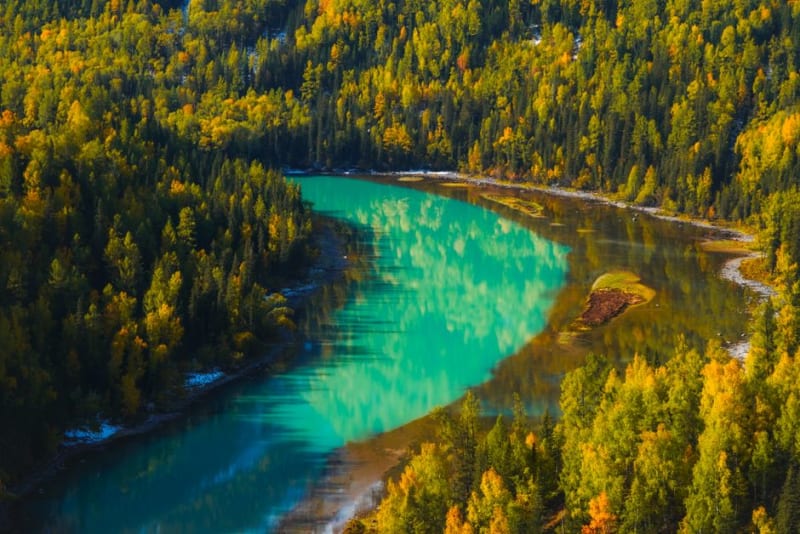
A remote northern range of birch forests and Kazakh yurt camps where the air smells like cold water and woodsmoke.
Explore xinjiang
 Hami
An eastern gateway oasis where the desert meets the first spurs of the Tianshan, famous for the melons that have been exported to Chinese emperors for centuries and for royal tombs that sit improbably in the middle of a modern city.
Explore xinjiang
 Hotan
A southern Silk Road oasis at the edge of the Taklamakan where jade traders and carpet weavers still work the same trades their families have for generations.
Explore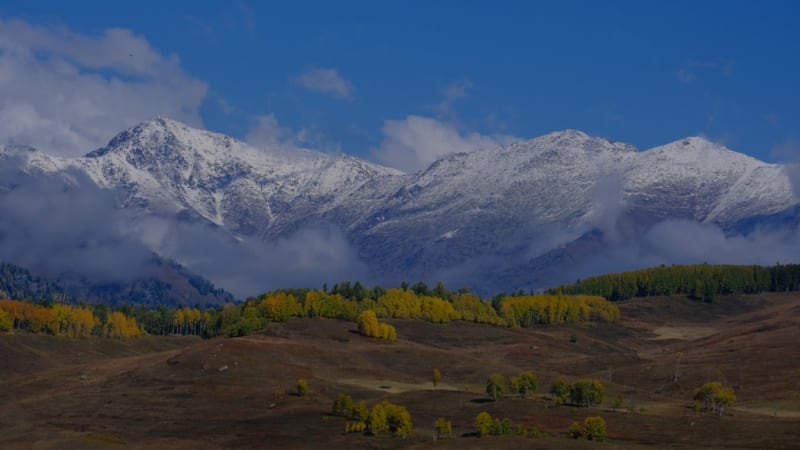 xinjiang
 Ili Valley
A lush Kazakh-flavored corridor running west toward the Kazakhstan border, famous for wild tulip fields, lavender farms, and a river valley so unexpectedly green it reads like a mistake in the desert.
Explore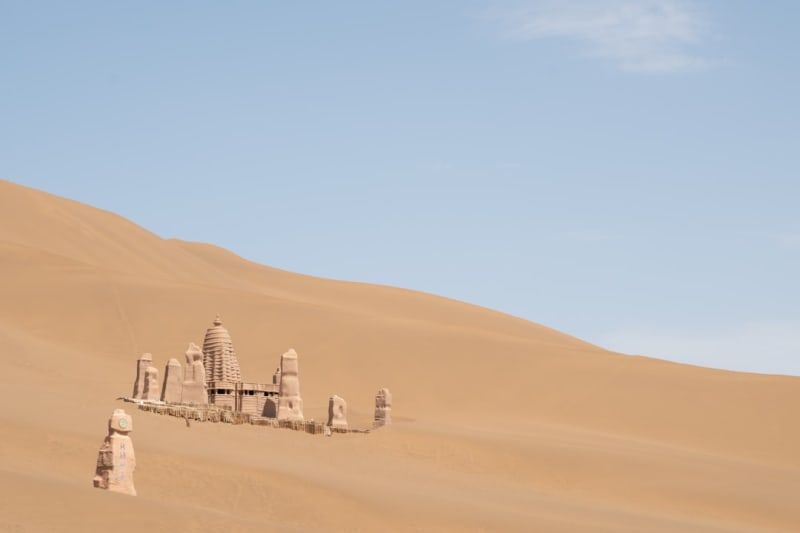 xinjiang
 Jiaohe Ruins
A 2,300-year-old mudbrick city carved into a river-cut plateau near Turpan, abandoned but still standing in the desert heat.
Explore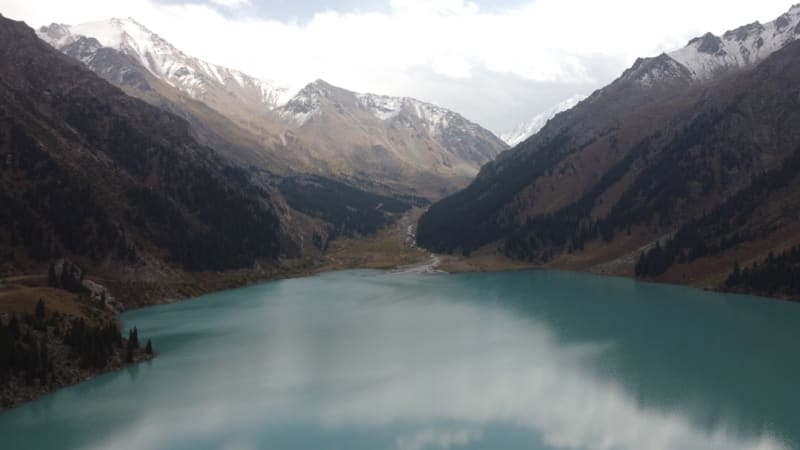 xinjiang
 Kanas Lake
A glacially deep alpine lake tucked into the Altai Mountains on China's far northwestern edge, where Tuvan nomads graze horses in forests that look borrowed from Siberia.
Explore