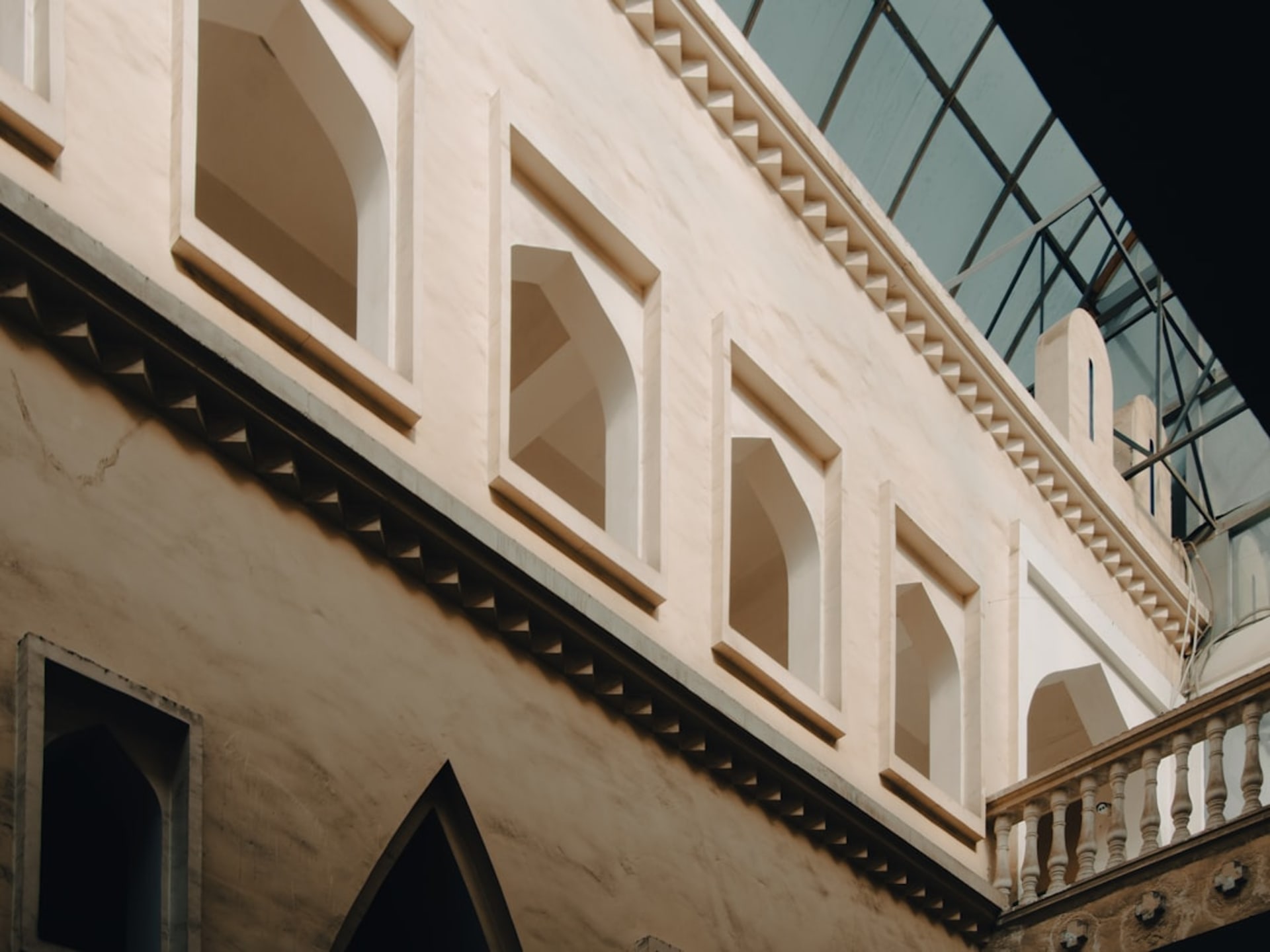
Urumqi
"The mountains are so close to the city that seeing them feels like a visual error."
The most remote major city on Earth from any ocean, a fast-moving Han and Uyghur metropolis pressed against the Tianshan that serves as the gateway to everything in Xinjiang and has a night food street that operates like a fever dream.

The Gateway and the City Itself
Most people in Urumqi are either arriving or departing. The airport is enormous, the train connections radiate in several directions, and the guesthouses and hotels are organized around transit. I understand the impulse to treat it as a hub and move on, and I had it myself the first time. The second time I gave the city three days, which is the correct duration to discover what it actually is.
Urumqi is six hours ahead of Beijing by solar time but officially on Beijing time—the entire country runs on a single time zone, which means in Xinjiang that the sun doesn’t rise until nine or ten in the morning and doesn’t set until ten at night. The city has adapted by shifting everything: dinner happens at nine, the night market runs past midnight, nobody apologizes for a noon meeting that by sun time is before breakfast. It takes a day to stop trying to read the clock in any familiar way.
The city is genuinely divided between its Han districts—modern, glass-and-steel, functionally indistinguishable from any mid-tier Chinese city—and the Uyghur neighborhoods around Erdaoqiao Market and the old south end, where the architecture, language, food, and social pace are completely different. Both halves are real Urumqi; neither is the whole picture.
Tianchi: The Heavenly Lake
The lake in the Tianshan above Urumqi—Tianchi, Heaven Lake—sits at 1,910 meters and is surrounded by spruce forest and, on a clear day, directly overlooked by the Bogda Peak’s 5,445-meter glaciated summit. Getting there requires either a two-hour bus from the city or a taxi to the park entrance and a cable car. The day I went, the clouds were doing something interesting—covering the summit but clearing in layers, so the peak appeared and disappeared every twenty minutes.
The lake itself is dark and very still in the mornings. A trail circles most of it, taking about three hours at a comfortable pace. The back section of the trail, away from the cable car arrival point, has the forest to itself. Kazakhstan in the distance. Kazakh vendors at the trailhead sell mare’s milk and sour cheese from coolers.
Erdaoqiao and the Night Market
The Erdaoqiao International Grand Bazaar is the center of Urumqi’s Uyghur cultural and commercial life. The main covered market sells dried fruit, nuts, and spices in quantities calibrated for bulk purchase: sacks of Hami melon strips, black dried mulberries, walnuts still in shell, dried apricots the color of amber. I spent an hour just walking the aisles and sampling from the vendors who offer small pieces as a matter of course.
The night food street, which begins operating seriously around eight in the evening and runs past midnight, is organized around lamb in all its preparations. Skewered and grilled over charcoal with cumin, braised in a clay pot with chili and potato, pulled and piled onto flat noodles, stuffed into bread pockets with onion. I ate in stages, moving between stalls, paying almost nothing at each stop and accumulating a meal in pieces. The crowd is mixed—Uyghur families, Han tourists, the occasional foreigner—and the noise level is celebratory without being aggressive.
The Xinjiang Regional Museum
For context on what Xinjiang actually is—geographically, historically, culturally—the Xinjiang Regional Museum is more useful than any guidebook. The collection of Silk Road artifacts includes textiles, documents in multiple ancient scripts, and physical evidence of the population diversity that has characterized the region for millennia. The mummies from the Tarim Basin—naturally preserved by the desert, some with fair hair and European features dating to the Bronze Age—are the most famous exhibits and the most disorienting, in a productive way.
When to go: May, June, and September offer the best combination of weather and function. July and August are hot but the city remains fully operational. Winter is cold and the Tianshan passes become difficult, but the city itself is manageable. Avoid the national holiday periods if crowd aversion is a priority.
Keep exploring
More from Xinjiang
 xinjiang
 Yining
A border city in the Ili Valley where Uyghur, Kazakh, Han, and Russian influences overlap a few kilometers from Kazakhstan.
Explore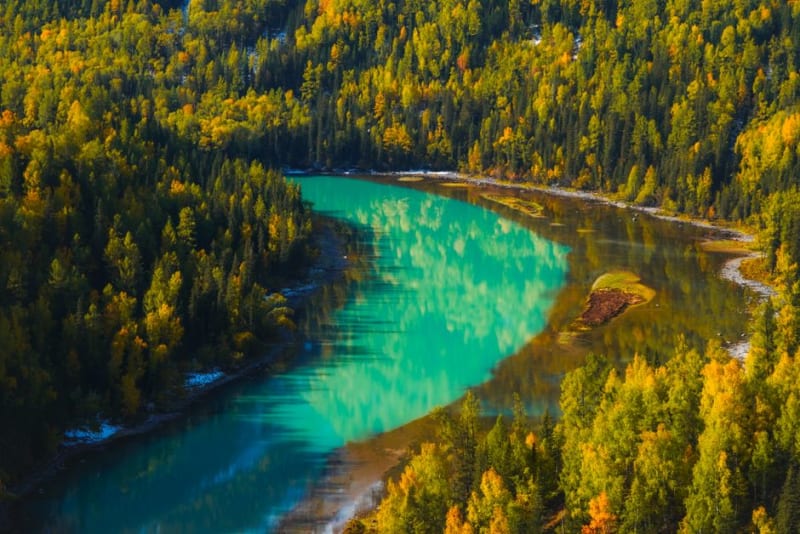 xinjiang
 Altay
A remote northern range of birch forests and Kazakh yurt camps where the air smells like cold water and woodsmoke.
Explore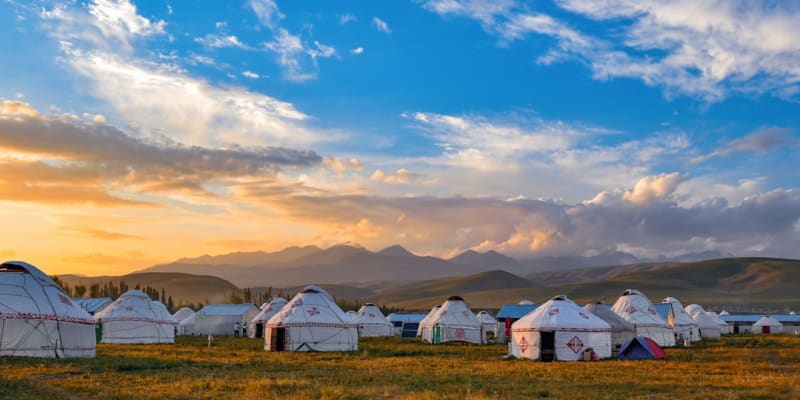 xinjiang
 Hami
An eastern gateway oasis where the desert meets the first spurs of the Tianshan, famous for the melons that have been exported to Chinese emperors for centuries and for royal tombs that sit improbably in the middle of a modern city.
Explore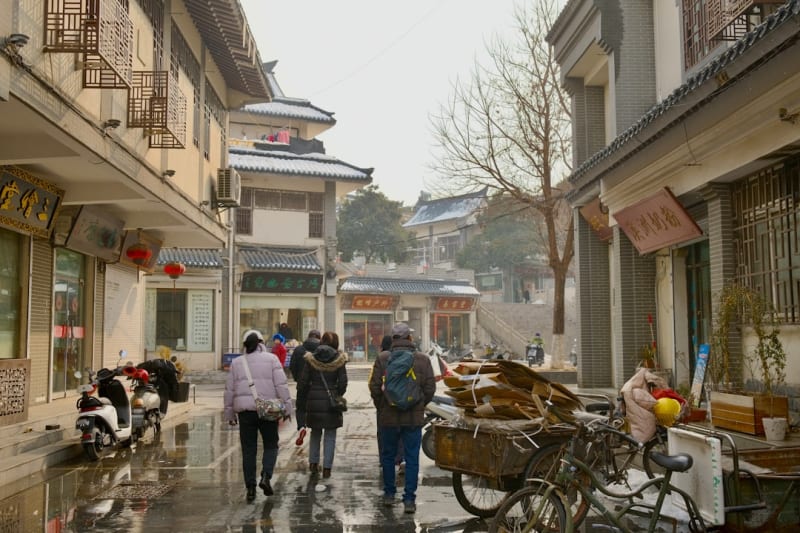 xinjiang
 Hotan
A southern Silk Road oasis at the edge of the Taklamakan where jade traders and carpet weavers still work the same trades their families have for generations.
Explore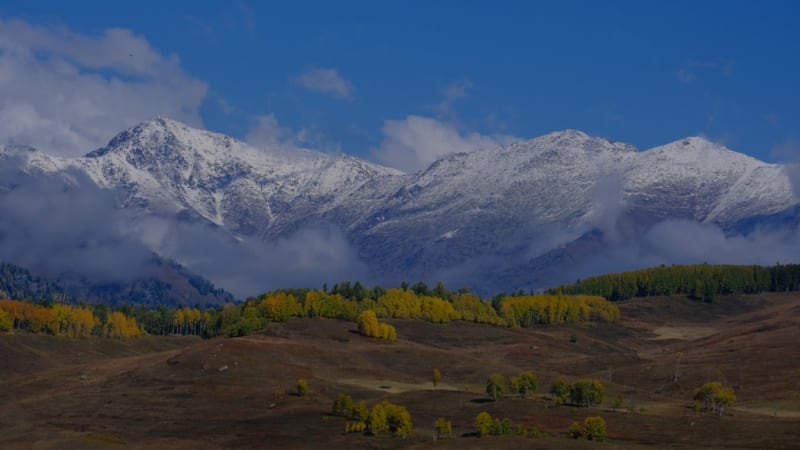 xinjiang
 Ili Valley
A lush Kazakh-flavored corridor running west toward the Kazakhstan border, famous for wild tulip fields, lavender farms, and a river valley so unexpectedly green it reads like a mistake in the desert.
Explore xinjiang
 Jiaohe Ruins
A 2,300-year-old mudbrick city carved into a river-cut plateau near Turpan, abandoned but still standing in the desert heat.
Explore