Hotan
"A jade trader let me hold a stone worth more than my flight and told me, completely straight-faced, that I had 'no eye for it' whatsoever."
A southern Silk Road oasis at the edge of the Taklamakan where jade traders and carpet weavers still work the same trades their families have for generations.

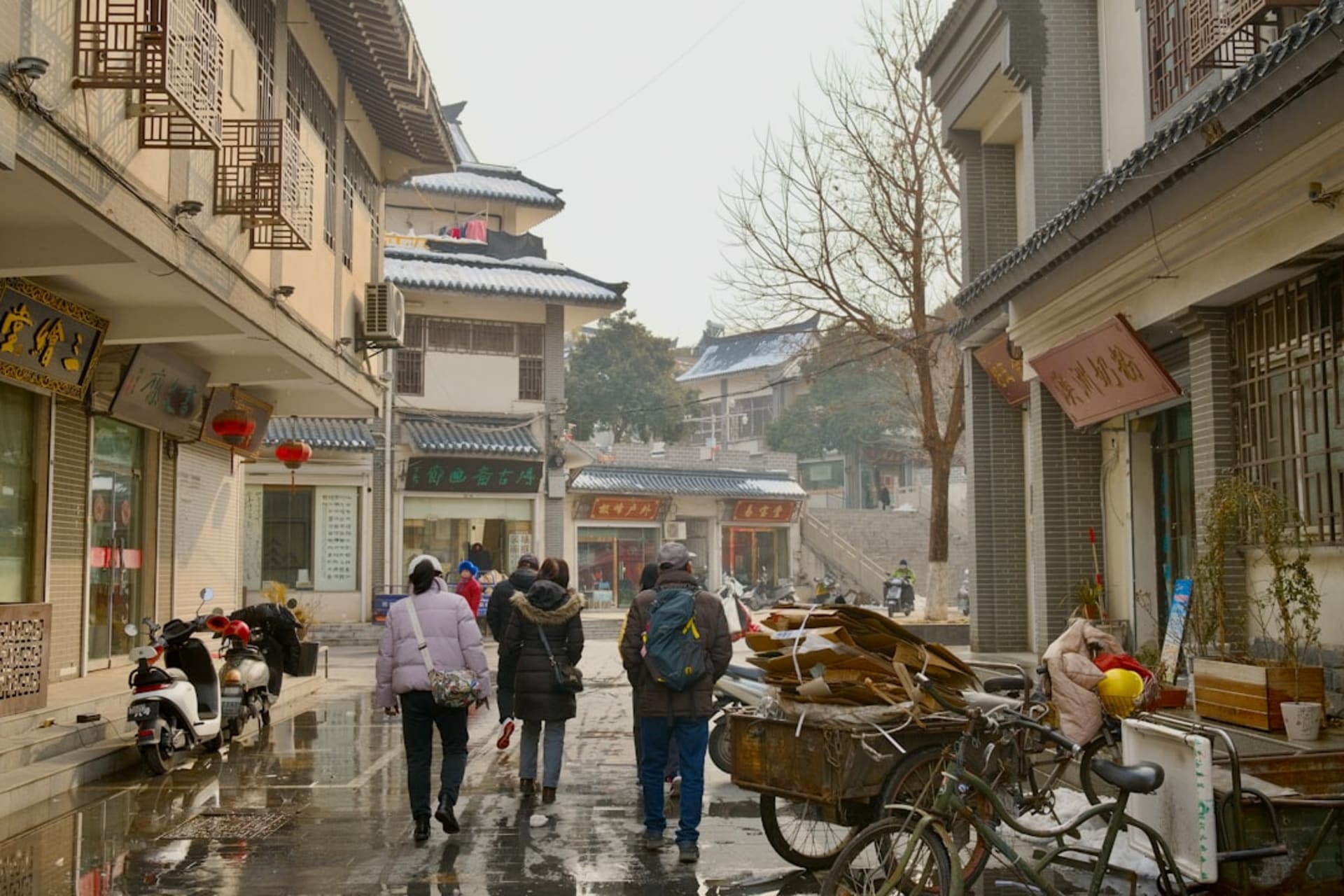
Getting to Hotan feels like a small accomplishment in itself. It sits on the southern rim of the Taklamakan Desert, about as far from Urumqi as you can get and still technically be in the same province, and the flight in gives you a long, slightly unsettling view of nothing but dunes for the last twenty minutes. I’d read about the jade market for years before actually going, and I’ll admit I built it up in my head as something more mystical than it turned out to be — it’s really just a big, loud, practical market, which honestly made me like it more.
The jade comes down from the Yurungkash and Karakash rivers, which literally translate to White Jade River and Black Jade River, and traders still wade into the water at dawn searching for stones by hand, the way they’ve done for something like two thousand years. I went down to the riverbed early one morning mostly out of curiosity and found a dozen or so men in rubber boots working the shallows methodically, occasionally holding a stone up to the light. Nobody found anything spectacular while I was watching, but one older man let me hold a rough, unremarkable-looking chunk of nephrite and explained, through a mix of Mandarin and pointing, how to tell quality by weight and translucency. I clearly failed the test.

The carpet workshops were the other thing that stayed with me. Hotan carpets are hand-knotted, often by women working looms that have been in a family for two or three generations, and the patience involved is genuinely hard to comprehend until you watch it happening — a single carpet can take months. I sat with one weaver for maybe twenty minutes while she worked, not talking much since we didn’t share a language, just watching her hands move faster than I could track. I bought a small one, more expensive than I’d planned to spend, and it’s on our living room floor in Mexico now, which still feels like a strange sentence to write.

Hotan is dusty, dry, and remote in a way that takes some getting used to, but the Sunday bazaar alone — livestock, spices, silk, jade, and food stalls all crammed together in a genuinely chaotic sprawl — made the whole trip worth it for me. This isn’t a place performing history for visitors; it’s a place still living inside its own trades.
When to go: Visit on a Sunday to catch the full bazaar, and go in spring or autumn — summer in the Taklamakan’s shadow is brutally hot, and dust storms can roll in with little warning.
Keep exploring
More from Xinjiang
 xinjiang
 Ili Valley
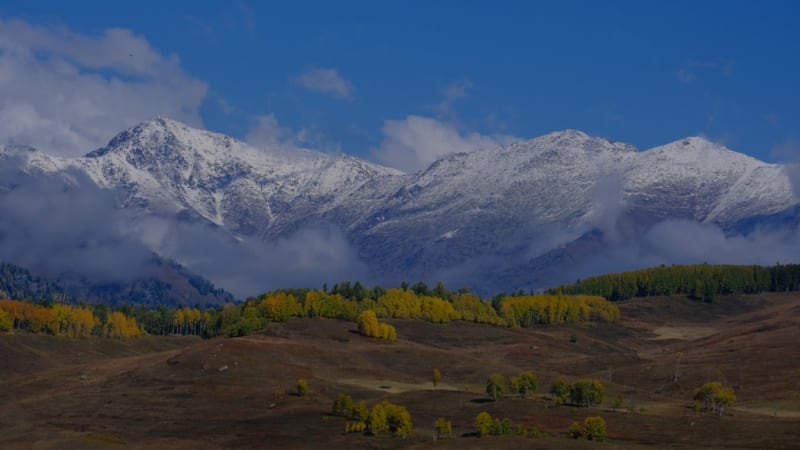
A lush Kazakh-flavored corridor running west toward the Kazakhstan border, famous for wild tulip fields, lavender farms, and a river valley so unexpectedly green it reads like a mistake in the desert.
Explore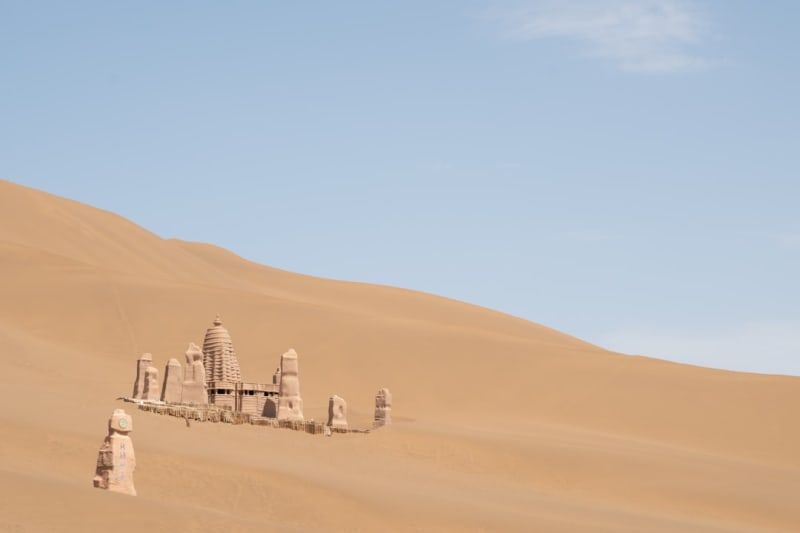 xinjiang
 Jiaohe Ruins
A 2,300-year-old mudbrick city carved into a river-cut plateau near Turpan, abandoned but still standing in the desert heat.
Explore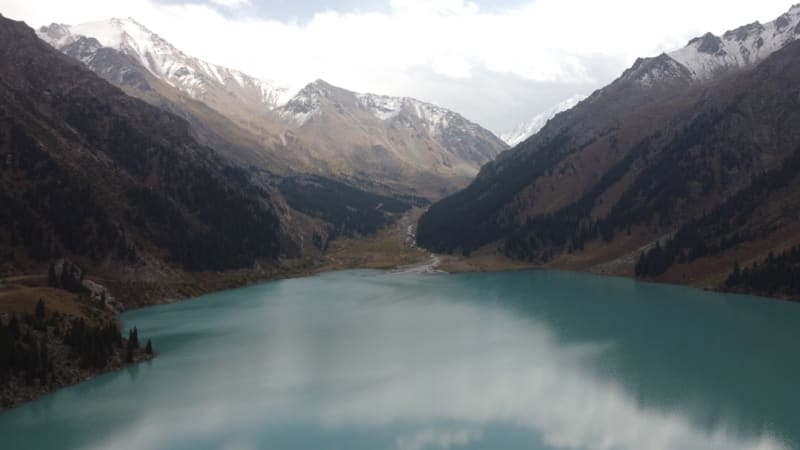 xinjiang
 Kanas Lake
A glacially deep alpine lake tucked into the Altai Mountains on China's far northwestern edge, where Tuvan nomads graze horses in forests that look borrowed from Siberia.
Explore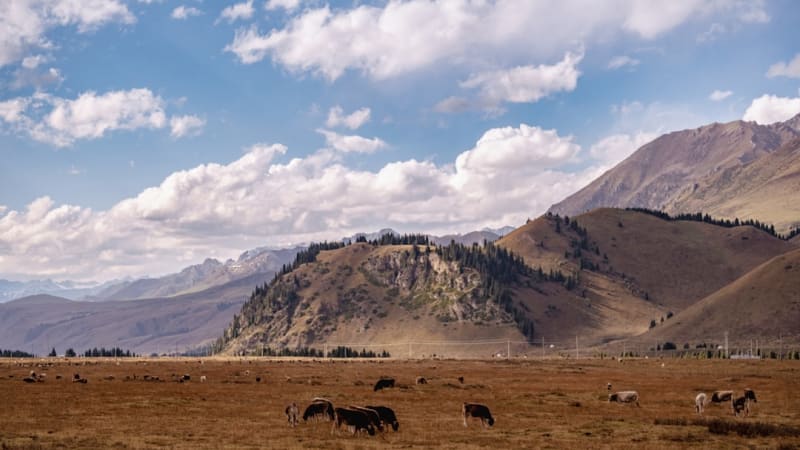 xinjiang
 Karakul Lake
A black mirror of a glacial lake at 3,600 meters on the Karakoram Highway, ringed by Kyrgyz yurts and the permanent ice of peaks that straddle China, Tajikistan, and Pakistan.
Explore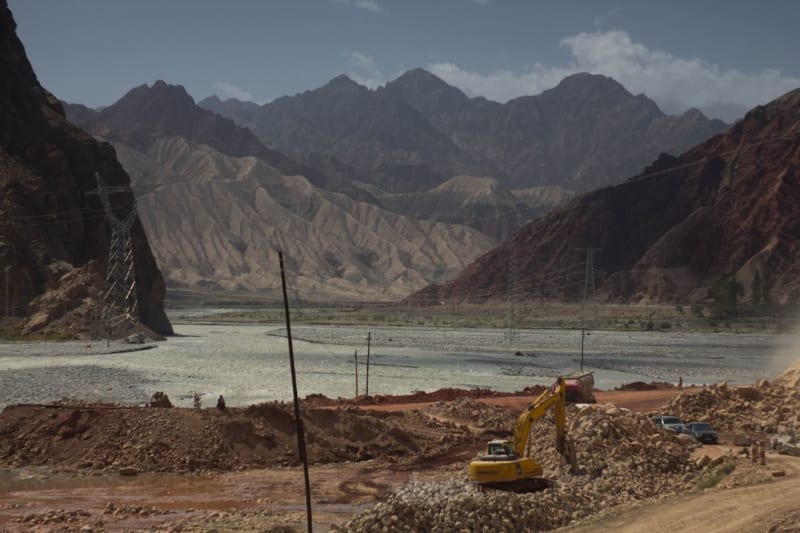 xinjiang
 Kashgar
Central Asia's last great bazaar city, where Sunday markets have thundered through the same alleyways for two thousand years and the smell of cumin smoke never quite leaves your coat.
Explore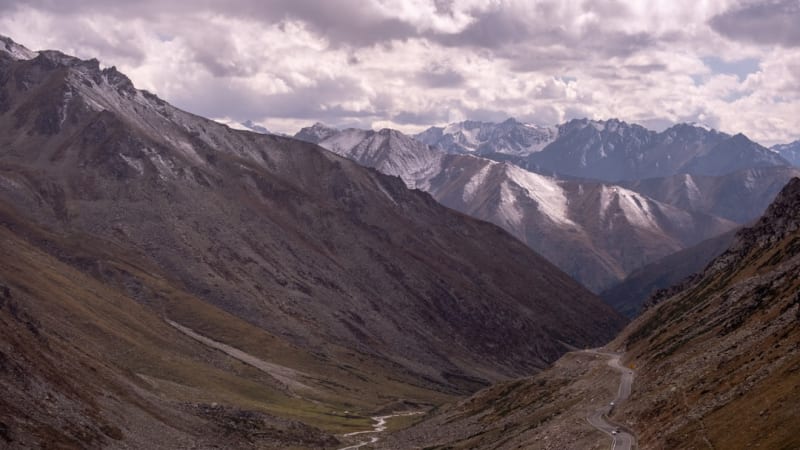 xinjiang
 Kuqa
An ancient oasis town in the heart of the Tarim Basin that was once the Buddhist capital of Central Asia, surrounded by canyon landscapes and cave temples that most tourists to Xinjiang never reach.
Explore