
Hami
"I have eaten a lot of melons. This is the only city where the melon is genuinely the main event."
An eastern gateway oasis where the desert meets the first spurs of the Tianshan, famous for the melons that have been exported to Chinese emperors for centuries and for royal tombs that sit improbably in the middle of a modern city.

The First Oasis
Coming from the east—from Dunhuang or the Gansu corridor—Hami is the first Xinjiang city you reach, and the transition it marks is real. The landscape through Gansu is already becoming drier and more Central Asian, but Hami is the point where the irrigation systems, the mosque architecture, the bazaar economy, and the Uyghur language replace the Han-inflected desert towns of the eastern approach. I arrived on an overnight train from Dunhuang and spent my first hour just walking the old town, reorienting.
Hami occupies a basin between the Tianshan to the north and the Beishan to the south. Underground water from the Tianshan snowmelt feeds karez irrigation channels that have sustained farming here for at least two thousand years. The soil and climate of this basin produce the Hami melon—a variety developed here over centuries of selective cultivation and famous throughout China since it was first sent as tribute to imperial courts during the Han dynasty.
The Melons
I have eaten Hami melons in Beijing, in Shanghai, in supermarkets in Europe that import them at considerable expense. None of them tasted like the ones I bought from a cart in the market near the old mosque on a September afternoon in Hami itself. The difference is the distance from the field: these melons had been picked that morning from farms a few kilometers away, and the sugar content in a melon that size, at that ripeness, after being grown in this particular combination of alkaline soil, intense sun, and cold nights, is something that doesn’t survive refrigeration and transit.
I bought two. They were heavy in the bag and the flesh inside was pale orange, almost cream-colored, and so sweet and textured and faintly floral that I ate both in a single sitting and was not even slightly sorry. The vendor watched me with the satisfaction of someone who knows exactly what their product does to people.
The melon market in Hami in August and September is enormous—dozens of varieties, stacked in pyramids, with sellers from the surrounding farms bringing in fresh loads through the morning. Prices are almost comically low by any external standard.
The Royal Tombs
The mazar—the tomb complex of the Hami kings, the Uyghur rulers who governed this oasis until the early twentieth century—sits in the middle of a residential neighborhood and is one of the stranger historical encounters in Xinjiang. The complex contains the tombs of nine kings and a large mosque built in an architecture that mixes Central Asian Islamic design with Chinese roof elements. The tiled domes and the carved wooden columns and the Chinese-style eaves all coexist in something that shouldn’t work and does.
I visited on a weekday afternoon when I was the only person there. The caretaker let me into the main tomb chamber, which is dark and cool and smells of old wood and the incense burned by occasional visitors. Outside, the neighborhood continued: children playing, someone running a generator, the smell of cooking from a nearby house. The kings and the living city are genuinely adjacent here.
Desert Edge Walking
The Tianshan foothills north of Hami are accessible by road and offer short hikes into terrain where the mountain edge meets the desert basin in a series of eroded canyons and dry watercourses. The Gaotai ruins—an ancient cliff settlement—are an hour from the city and barely visited. The canyon colors run from red to ochre to the white of gypsum layers, and the morning light catches them at angles that make the standard photographic instincts feel inadequate.
When to go: August and September for peak melon season—the variety and quality at this time is unmatched. Spring (April–May) is pleasant for the landscape and the karez exploration. Summers are hot but the melons compensate. Winter is cold and the area is less visited, but the tombs are atmospheric in low season.
Keep exploring
More from Xinjiang
 xinjiang
 Hotan
A southern Silk Road oasis at the edge of the Taklamakan where jade traders and carpet weavers still work the same trades their families have for generations.
Explore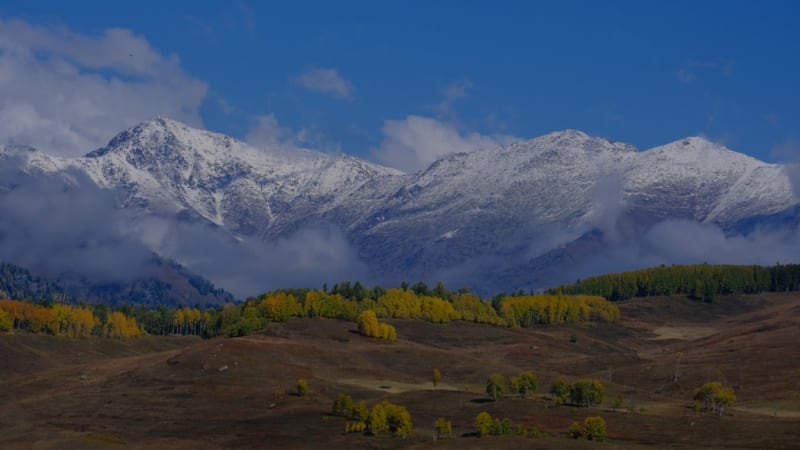 xinjiang
 Ili Valley
A lush Kazakh-flavored corridor running west toward the Kazakhstan border, famous for wild tulip fields, lavender farms, and a river valley so unexpectedly green it reads like a mistake in the desert.
Explore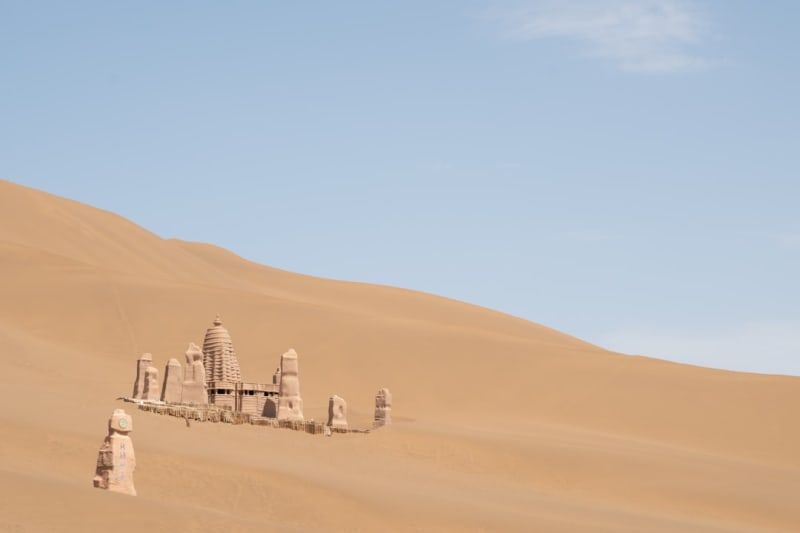 xinjiang
 Jiaohe Ruins
A 2,300-year-old mudbrick city carved into a river-cut plateau near Turpan, abandoned but still standing in the desert heat.
Explore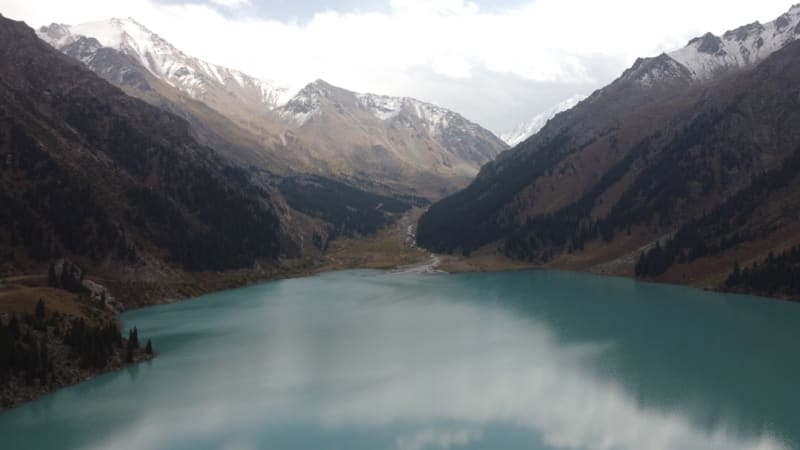 xinjiang
 Kanas Lake
A glacially deep alpine lake tucked into the Altai Mountains on China's far northwestern edge, where Tuvan nomads graze horses in forests that look borrowed from Siberia.
Explore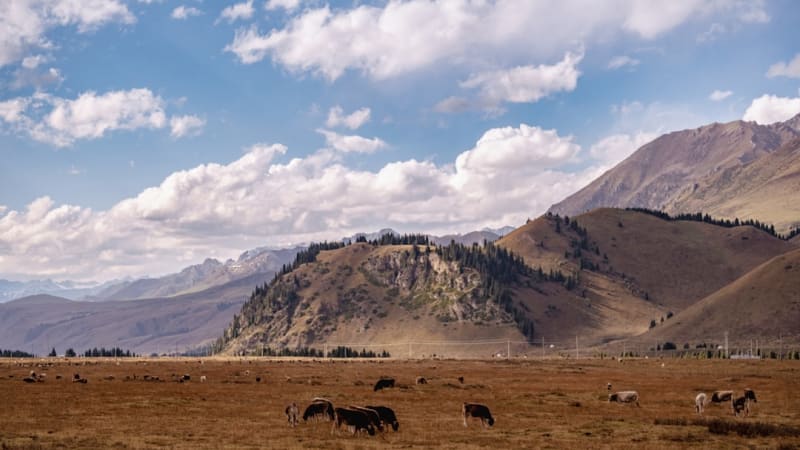 xinjiang
 Karakul Lake
A black mirror of a glacial lake at 3,600 meters on the Karakoram Highway, ringed by Kyrgyz yurts and the permanent ice of peaks that straddle China, Tajikistan, and Pakistan.
Explore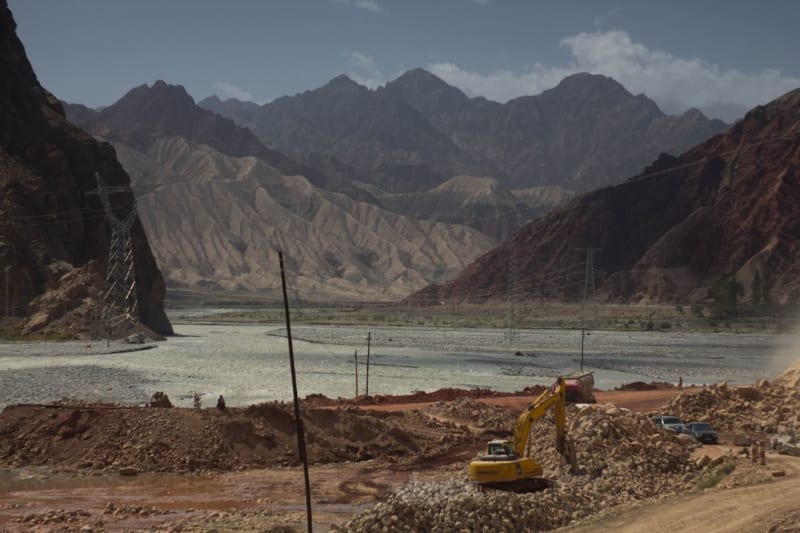 xinjiang
 Kashgar
Central Asia's last great bazaar city, where Sunday markets have thundered through the same alleyways for two thousand years and the smell of cumin smoke never quite leaves your coat.
Explore