Altay
"I woke up in a yurt at six thirty because a horse was chewing grass about four inches from my ear."
A remote northern range of birch forests and Kazakh yurt camps where the air smells like cold water and woodsmoke.

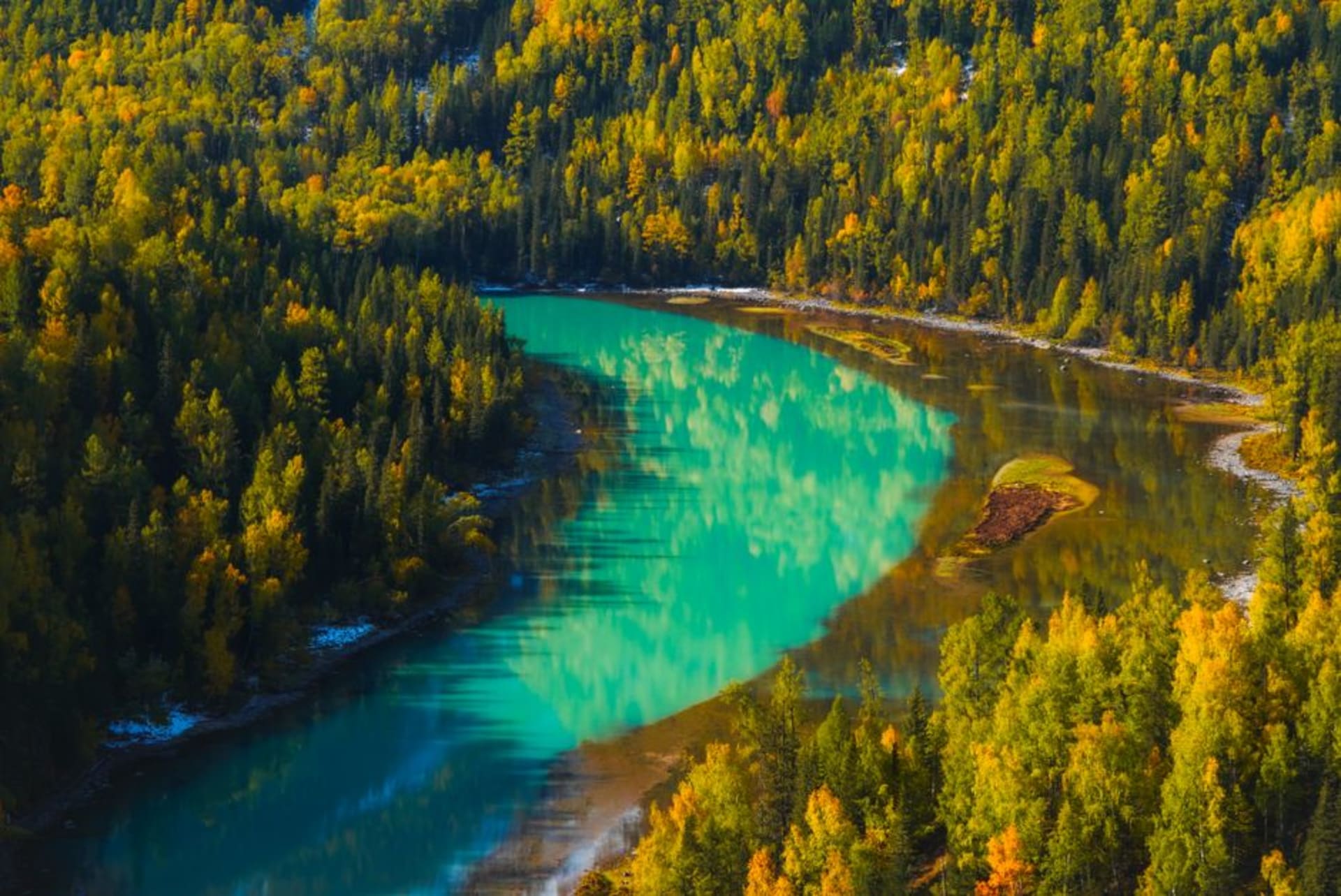
I’ll be honest, I almost skipped Altay. It’s a long haul from Urumqi — you either fly into a tiny regional airport or you commit to a full day on a bus watching the landscape slowly stop being desert and start being, improbably, Siberia. But Lia had seen photos of Kanas Lake and wouldn’t let it go, so we went, and it turned out to be one of those trips where the getting-there is annoying and the being-there rearranges something in you. Northern Xinjiang doesn’t look like the Xinjiang people picture. There’s no sand here. There are birch forests that turn the color of egg yolk in late September, glacial rivers running a blue-green I didn’t think was a real color until I saw it, and Kazakh herding families who move their yurts with the seasons the way their grandparents did.
We stayed two nights with a Kazakh family outside Hemu, in a yurt that smelled like felt and dried mutton and, faintly, of the wood stove that someone’s teenage son kept stoking before dawn. Nobody in the family spoke Mandarin much less English, so most of our communication happened through gestures, a shared thermos of milk tea, and a lot of laughing at how badly I rode a horse. Lia was better at it than me, which she has not let me forget since.

The birch forest around Kanas is where I actually understood why people fly across the country for this. We hiked up to one of the viewing platforms above the lake at maybe four in the afternoon, golden hour starting, and the whole hillside was lit up yellow and orange against the water. It’s touristy right at the platforms — buses, families, a woman selling grilled corn who I bought two ears of corn from purely out of guilt for how patiently she waited — but ten minutes off the main path and it goes quiet fast. We found a spot where you could see three shades of water meeting where a smaller stream fed into the lake, and just sat there not talking for a while, which for us is rare.

What stuck with me more than the scenery, honestly, was how different the rhythm of life felt out there. The family we stayed with moved their whole camp about ten days after we left, following the grass down toward lower pastures for the coming cold. It’s a way of living that’s disappearing even in Altay — a lot of families now have a fixed winter house and only go up to the summer pastures for a season — but for those few days it felt like we’d stepped sideways into something that predates every border on the map around it.
When to go: Come in mid-to-late September for the birch forests at peak color and cooler, mosquito-free air; by October the high passes can already see snow and some yurt camps pack up for the season.
Keep exploring
More from Xinjiang
 xinjiang
 Hami
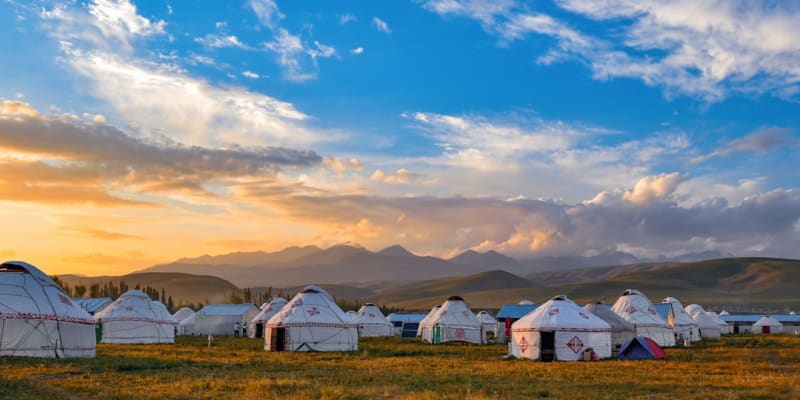
An eastern gateway oasis where the desert meets the first spurs of the Tianshan, famous for the melons that have been exported to Chinese emperors for centuries and for royal tombs that sit improbably in the middle of a modern city.
Explore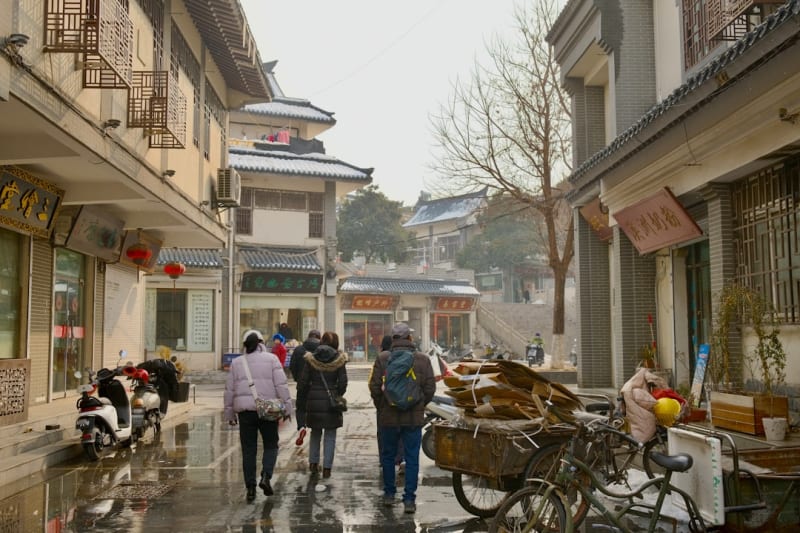 xinjiang
 Hotan
A southern Silk Road oasis at the edge of the Taklamakan where jade traders and carpet weavers still work the same trades their families have for generations.
Explore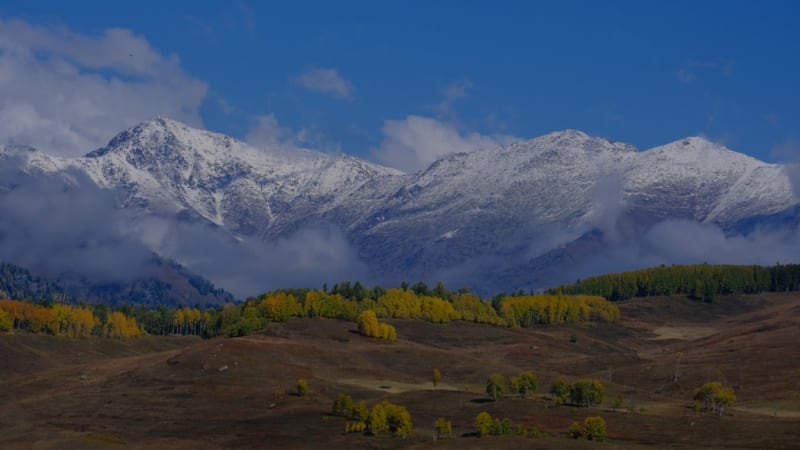 xinjiang
 Ili Valley
A lush Kazakh-flavored corridor running west toward the Kazakhstan border, famous for wild tulip fields, lavender farms, and a river valley so unexpectedly green it reads like a mistake in the desert.
Explore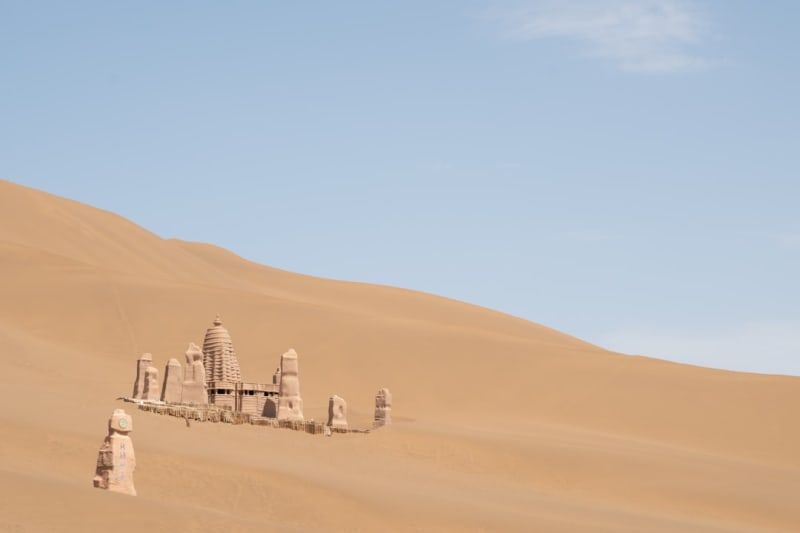 xinjiang
 Jiaohe Ruins
A 2,300-year-old mudbrick city carved into a river-cut plateau near Turpan, abandoned but still standing in the desert heat.
Explore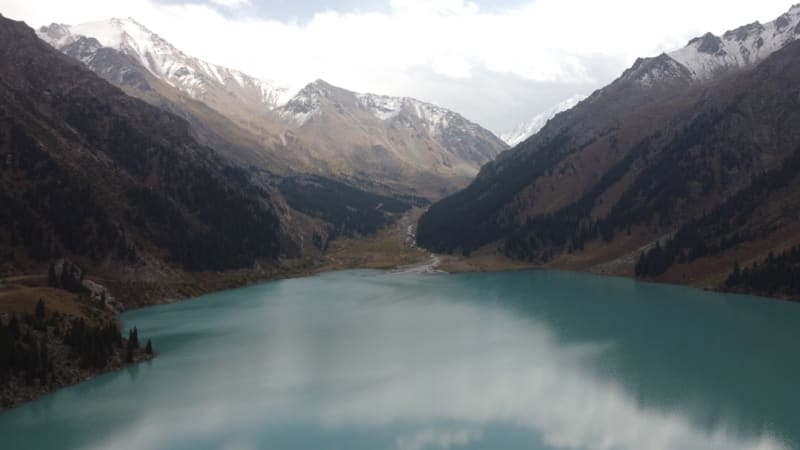 xinjiang
 Kanas Lake
A glacially deep alpine lake tucked into the Altai Mountains on China's far northwestern edge, where Tuvan nomads graze horses in forests that look borrowed from Siberia.
Explore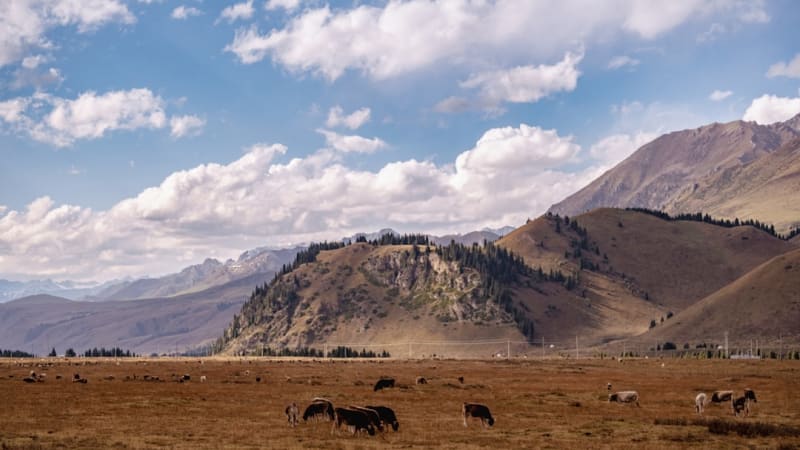 xinjiang
 Karakul Lake
A black mirror of a glacial lake at 3,600 meters on the Karakoram Highway, ringed by Kyrgyz yurts and the permanent ice of peaks that straddle China, Tajikistan, and Pakistan.
Explore