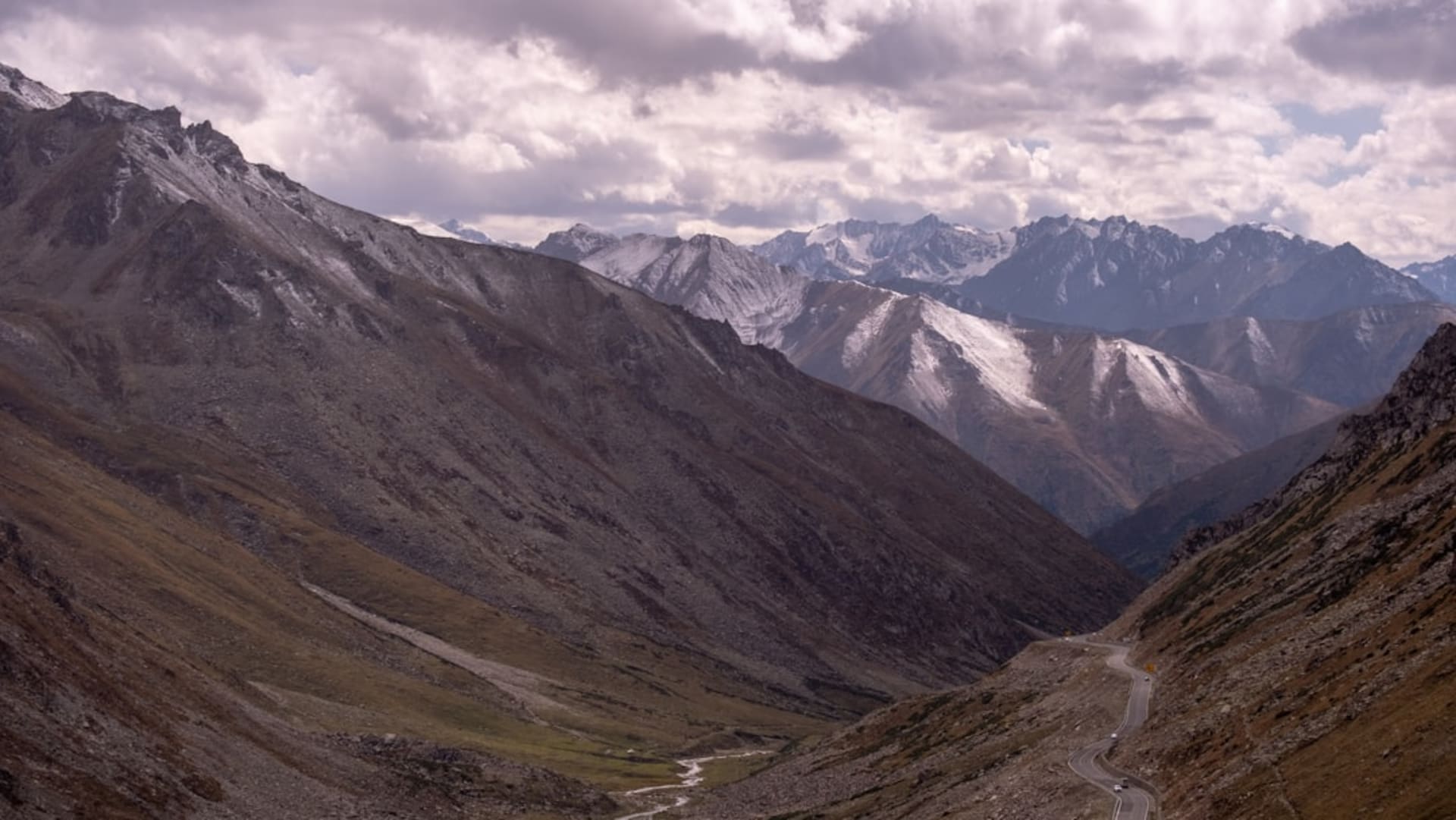
Kuqa
"It kept appearing on the Silk Road maps and I kept skipping it, until I finally went and understood what I'd been missing."
An ancient oasis town in the heart of the Tarim Basin that was once the Buddhist capital of Central Asia, surrounded by canyon landscapes and cave temples that most tourists to Xinjiang never reach.

The Overlooked Middle
Kuqa sits roughly halfway between Kashgar and Urumqi on the northern Tarim Basin route, and most travelers do exactly what I did the first time: pass through on an overnight train. The town announces itself modestly—a mid-sized Chinese city with a Uyghur old quarter and a cluster of ruins the guidebook mentions in a paragraph. What the guidebook undersells is the canyon landscape immediately north of town, the intact old bazaar that operates as a genuine market rather than a tourist attraction, and the Kizil Caves, which contain some of the oldest Buddhist frescoes outside of India.
I came back for three days on a second Xinjiang trip and spent them well. The adjustment from Kashgar—more Chinese in texture, more workaday, lacking the grand Silk Road romance of the western end—took about a day. By the second morning I’d found the right naan stall and the right tea house and the rhythm of the place made sense.
Kizil Caves
The Kizil Grottoes, forty-five kilometers west of Kuqa, were carved into river cliffs beginning in the third century CE and contain two hundred and thirty-six caves decorated with Buddhist frescoes. The scale of the enterprise—sustained over centuries, funded by oasis kingdoms that derived their wealth from Silk Road trade—is staggering once you stand in front of it. The paintings depict Jataka tales, bodhisattvas, celestial musicians, and donors in a visual style that blends Gandharan, Persian, and Central Asian influences into something that looks like nothing else.
The problem is that most of the best-preserved frescoes are in the Berlin Museum of Asian Art, removed by German expeditions in the early twentieth century. The caves at Kizil still have significant work—the ceiling of the Diamond Seat Cave being particularly remarkable—but large sections of walls show the ghost-marks where paintings were cut out and shipped west. This history sits with you as you walk through.
An excellent small museum at the site provides context and some plaster reproductions of removed works. I spent two hours there before the caves and was glad I did.
Kuqa Grand Canyon
The canyon north of Kuqa is formed by red sandstone eroded into slot canyons, narrow passages, and labyrinthine side valleys by seasonal flooding. The main tourist circuit runs about four kilometers through the canyon floor with a small stream that requires wading in places—knee-deep at most, sandals recommended. The rock walls close to within a meter or two overhead in the narrowest sections, and the color shifts from deep red at midday to orange-gold in late afternoon.
I went on a weekday and had the canyon nearly to myself for the first hour. A group of Uyghur school children came through behind me, moving much faster, and their noise echoed through the slot canyon in a way that was briefly wonderful—language amplified and reverberant, the words becoming percussion.
The Old Bazaar
The Kuqa bazaar operates on Fridays with a larger market day, but it functions throughout the week as a working market rather than a performance of one. The covered section deals in fabric, household goods, and agricultural supplies. The food section has a remarkable concentration of lamb preparations: soup, roasted, braised, dried. I ate samsa—baked lamb-and-onion pastries—from a woman who had a small clay oven set up on a cart and sold them as fast as she made them, for a price that felt like an oversight.
When to go: April through June and September through October are ideal—mild temperatures, functional roads, no holiday crowds. Summer works but is extremely hot (thirty-eight to forty-two degrees). The Kizil Caves are open year-round but have limited entry numbers per cave; arrive early or book ahead through the site’s official channel.
Keep exploring
More from Xinjiang
 xinjiang
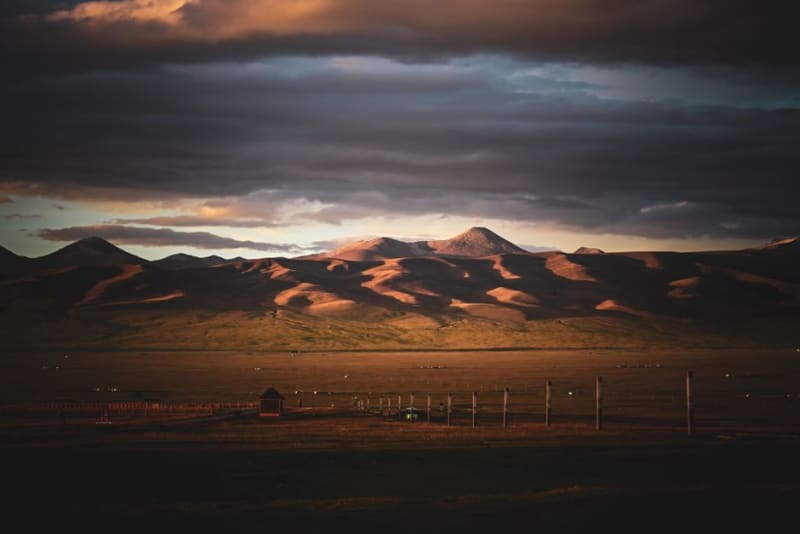
 Nalati Grassland
A sweeping alpine steppe in the Tianshan foothills where Kazakh herders still bring their flocks up for the summer grazing season.
Explore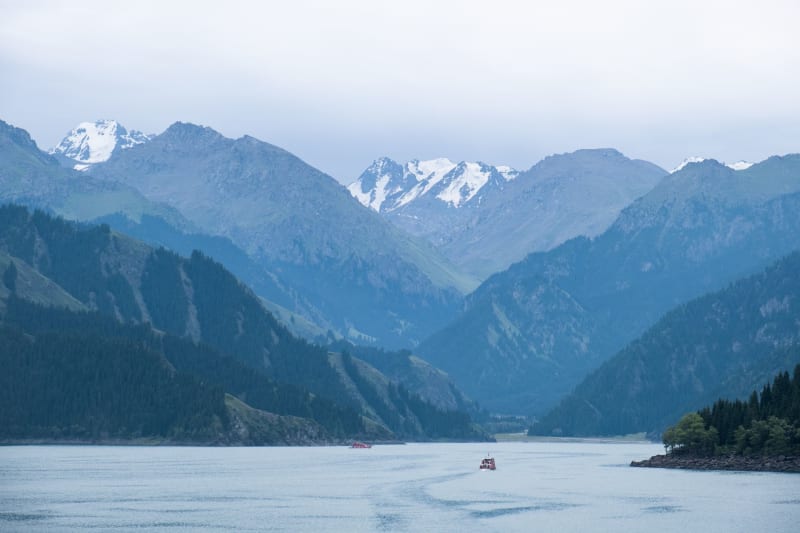 xinjiang
 Sayram Lake
The highest large alpine lake in Xinjiang, a cold cobalt bowl at 2,073 meters in the Tianshan that turns electric blue in summer and is ringed by the kinds of wildflower meadows that make you distrust your own memory afterward.
Explore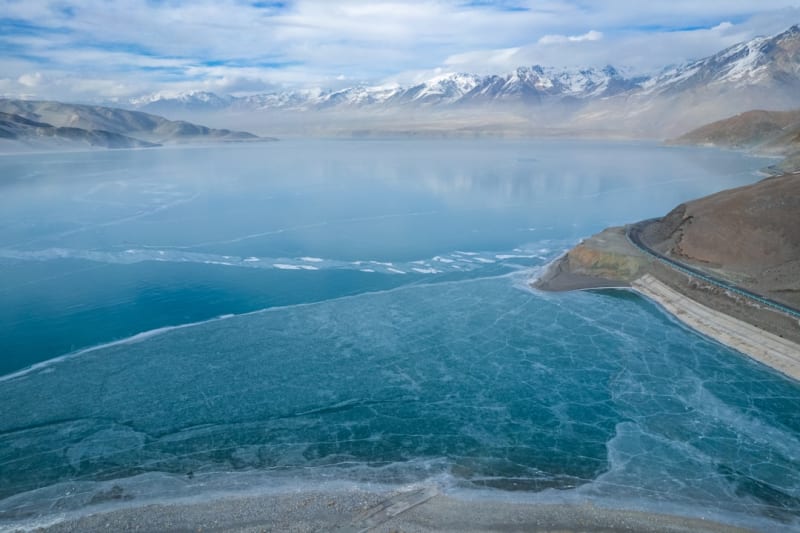 xinjiang
 Taklamakan Desert
The second-largest shifting sand desert on Earth, a sea of ochre dunes ringed by oasis cities where ancient Silk Road caravans once crossed and where the silence is so total it becomes a physical presence.
Explore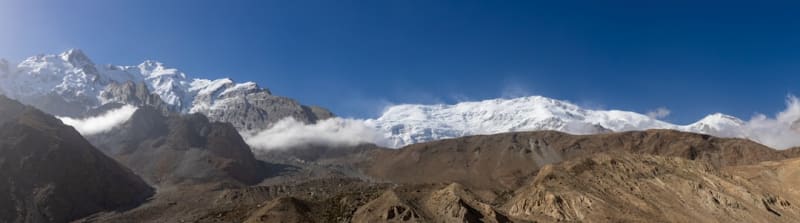 xinjiang
 Tashkurgan
A Tajik town on the Pamir Plateau at 3,100 meters, perched between a ruined Stone City and three of the world's highest mountain ranges, near the point where China, Pakistan, and Tajikistan nearly meet.
Explore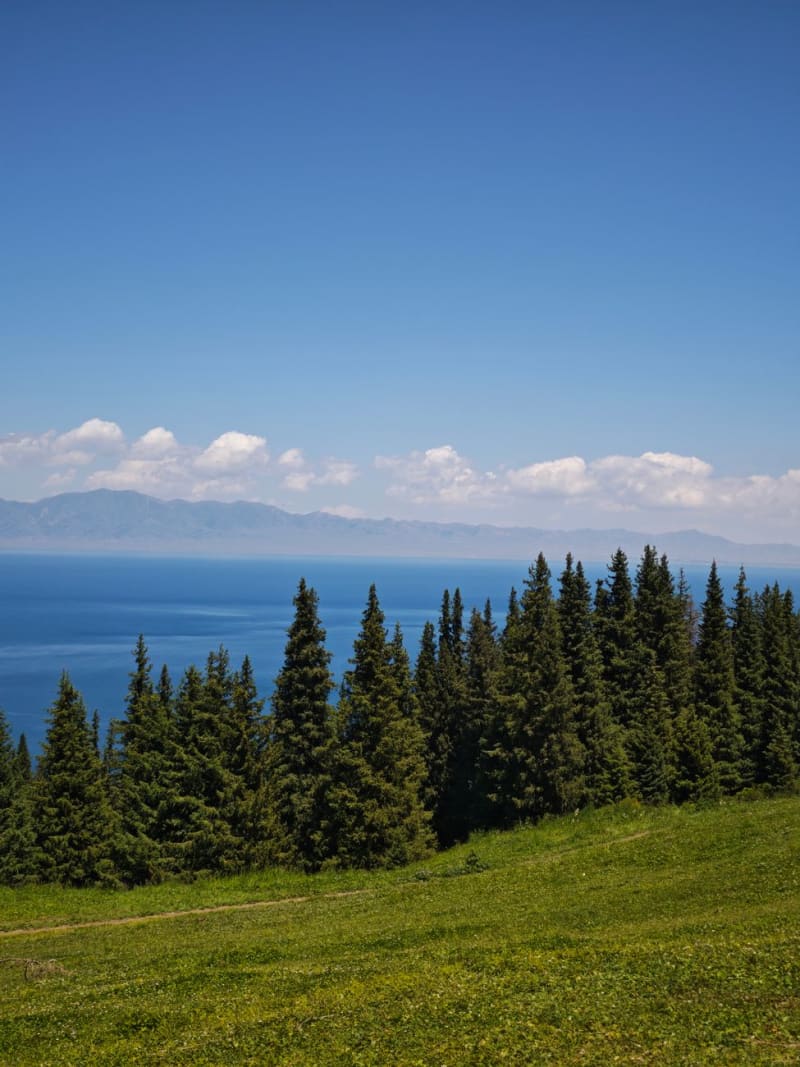 xinjiang
 Heavenly Lake of Tianshan
An alpine lake high in the Tianshan Mountains east of Urumqi, where snowmelt-blue water sits beneath glaciated peaks and the air smells of spruce and cold stone.
Explore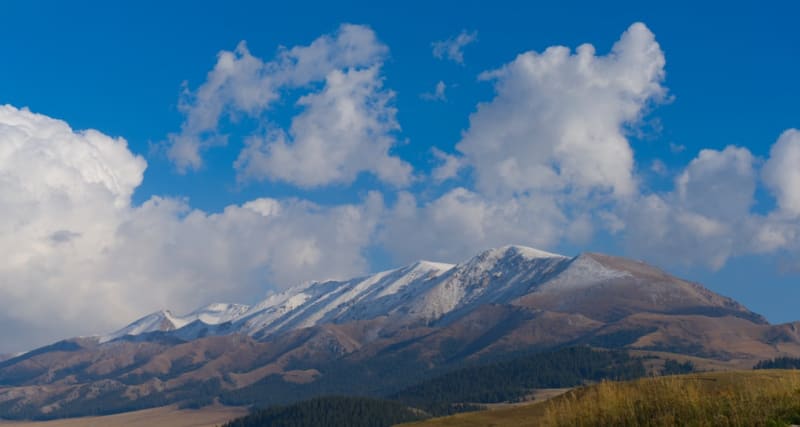 xinjiang
 Turpan
A sunken oasis city surrounded by the Flaming Mountains, where grape trellises cast the only shade and underground water channels have been running since before the Roman Empire.
Explore