Africa
Uganda
"Africa without the performance — just the forest, the mist, and things older than you."
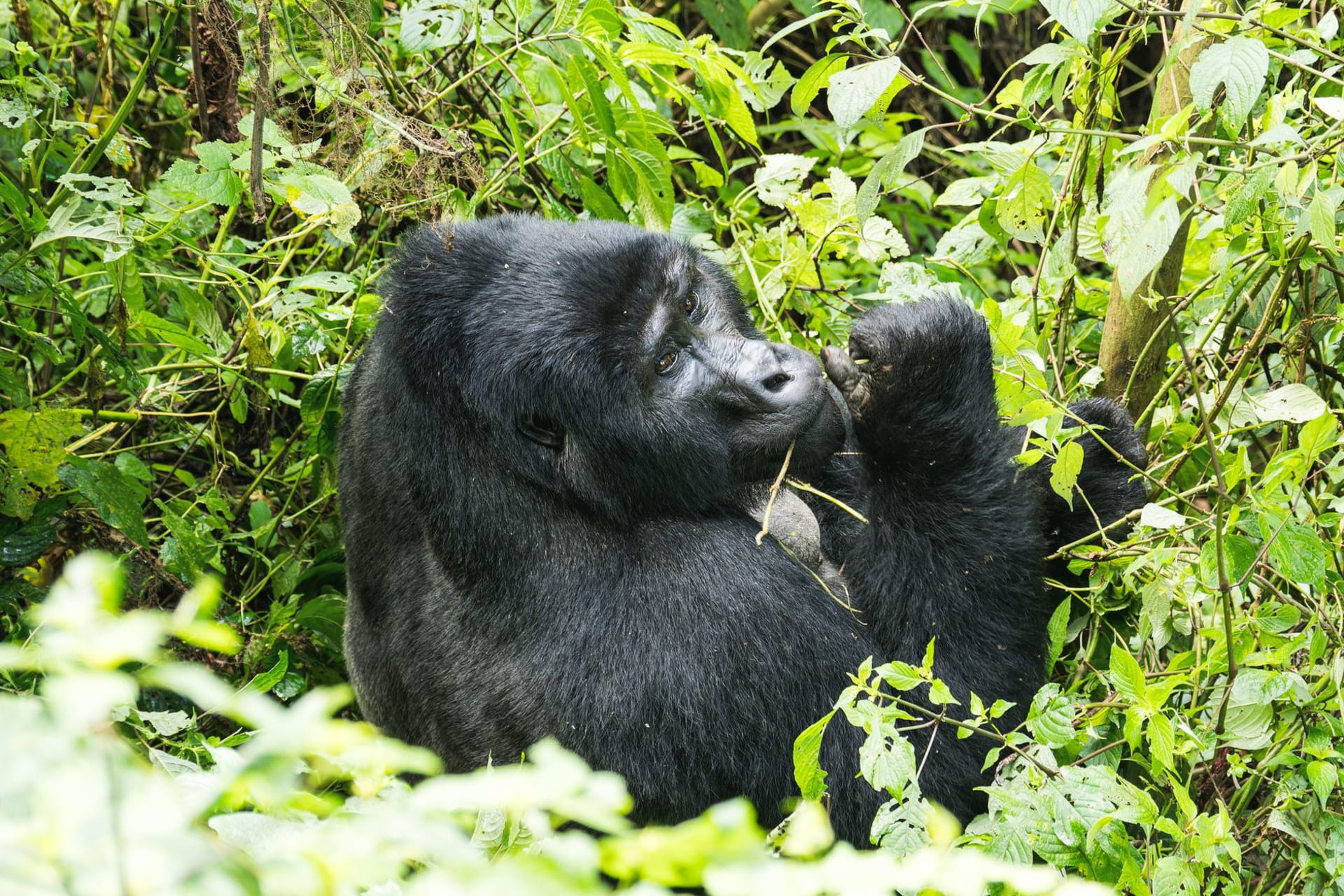
The only place on earth where you can kneel in volcanic mist a meter from a mountain gorilla and realize that nature has been here far longer, and far more seriously, than any of us.

I arrived in Entebbe at two in the morning, which is not when any country shows its best face. But Uganda surprised me even then — the air through the taxi window was heavy and warm and smelled of wet soil and something floral I couldn’t name, and when dawn broke over Lake Victoria it turned the water a shade of copper I’d only seen in paintings. The country starts working on you before you’re ready.
Bwindi Impenetrable Forest lives up to its name. The trekking permit costs a lot, guides will tell you it’s worth it, and they are right, which is annoying because I usually distrust things that are exactly as advertised. We pushed through undergrowth for three hours, soaked through by ten in the morning, elevation and humidity conspiring against whatever dignity I’d packed. Then the guide stopped, held up a hand, and there they were — a silverback and two females moving through the ferns maybe four meters ahead, unhurried, indifferent. No fence. No glass. No theatrical soundtrack. Just the sound of leaves and something breathing. I didn’t move for what felt like a very long time. Seventeen minutes, apparently. It felt like five and also like an hour.
What surprises most first-time visitors is how much Uganda offers beyond the gorillas. Murchison Falls thunders through a six-meter gap with a force that you feel in your chest from fifty meters away. The chimp tracking in Kibale Forest is chaotic and hilarious — chimps don’t share gorillas’ indifference to humans; they are curious, loud, and opinionated. The Rwenzori Mountains along the DRC border reward the serious hiker with glaciers that most people don’t know exist this close to the equator. And Kampala, underrated and underestimated, has a food scene built on rolex (eggs and vegetables rolled in a chapati, eaten on the street, perfect) and a nightlife energy that outlasts most European cities I’ve been to.
When to go: June to August and December to February are the driest months and the best for gorilla trekking — Bwindi’s trails are difficult enough in dry conditions, and treacherous when saturated. The long rains run March to May, short rains October to November. Permits sell out months in advance regardless of season; book early or you won’t go at all.
What most guides get wrong: They frame Uganda entirely as a gorilla destination with a before-and-after checklist. That framing does the country a disservice. The gorillas are extraordinary, but Uganda is also one of the best places in Africa for birds — over a thousand species, including the prehistoric-looking shoebill stork in the papyrus swamps outside Kampala. The country has a human density and a cultural complexity that gets ignored in favor of wildlife-only itineraries. Spend a day with no agenda in a market in Jinja or Fort Portal and you’ll understand that the animals, remarkable as they are, are not the whole story.
Explore
Places in Uganda
 uganda
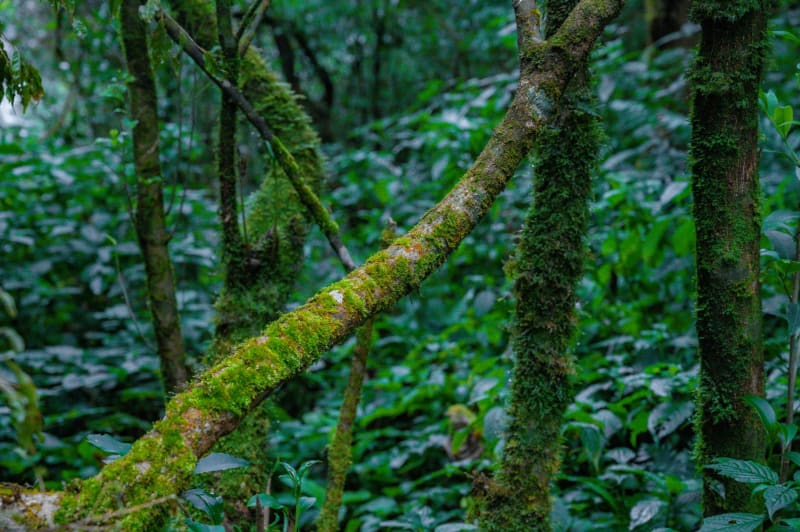
 Bwindi Impenetrable Forest
A mountain gorilla encounter in this ancient rainforest strips away every cliché you brought with you and replaces it with something harder to name.
Explore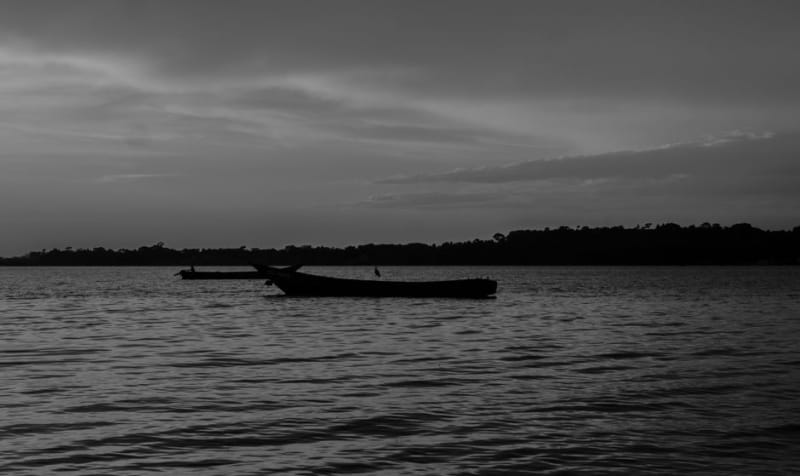 uganda
 Entebbe
A relaxed lakeside town on Lake Victoria's shore, home to Uganda's main airport, lush botanical gardens, and a slower pace than Kampala.
Explore uganda
 Fort Portal
A green, hilly town ringed by dozens of volcanic crater lakes at the foot of the Rwenzori's snow-capped ridgeline.
Explore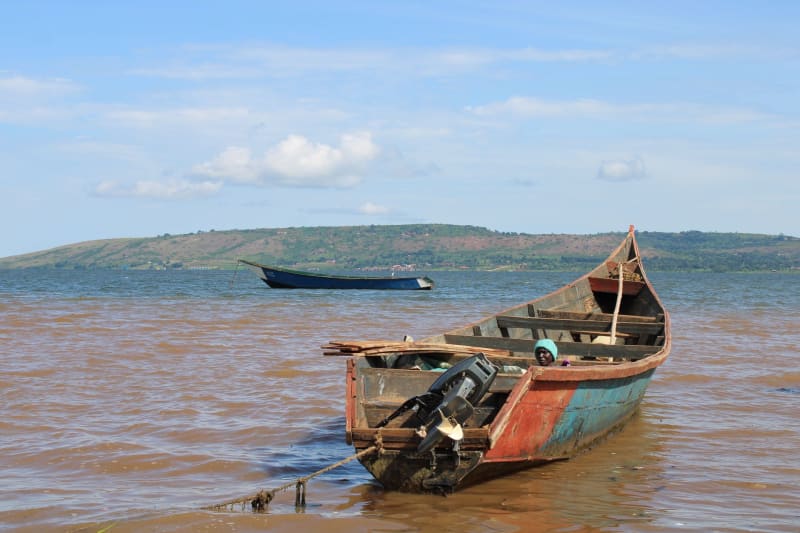 uganda
 Jinja
The town where the Nile officially begins draws everyone from rafters to pilgrims to people who just want to sit above the world's longest river and have a quiet beer.
Explore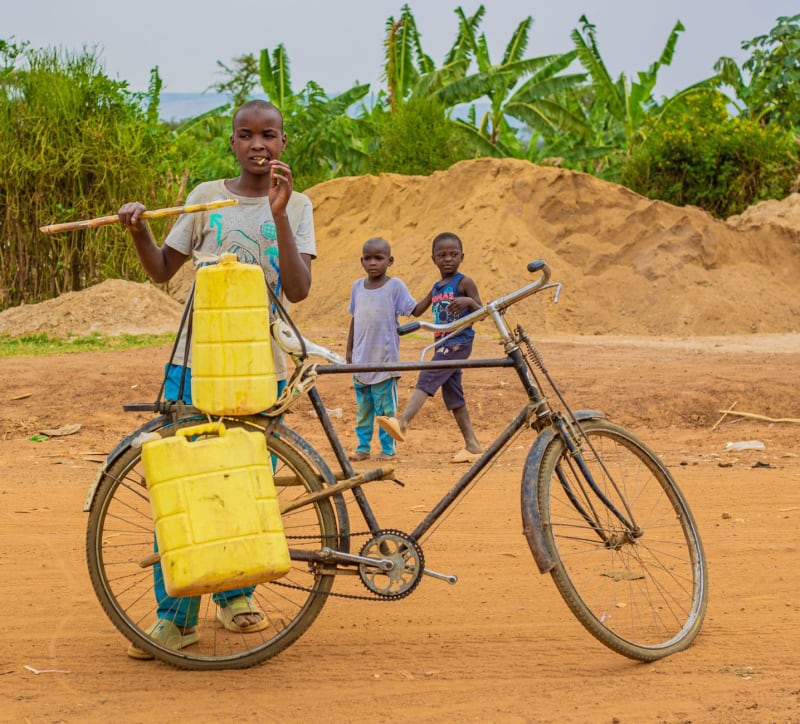 uganda
 Kampala
Spread across seven hills with a traffic problem that functions as the city's connective tissue, Uganda's capital rewards the visitor who stops waiting for it to make sense and just moves through it.
Explore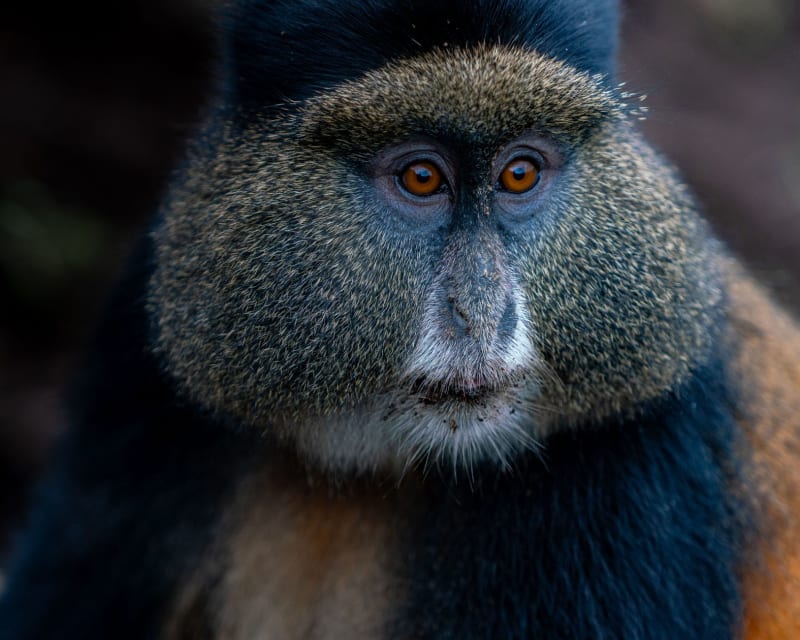 uganda
 Kibale Forest
The world's highest density of primates lives in this mid-western forest, and the chimpanzees move through it with a confidence that makes you feel like the visitor you are.
Explore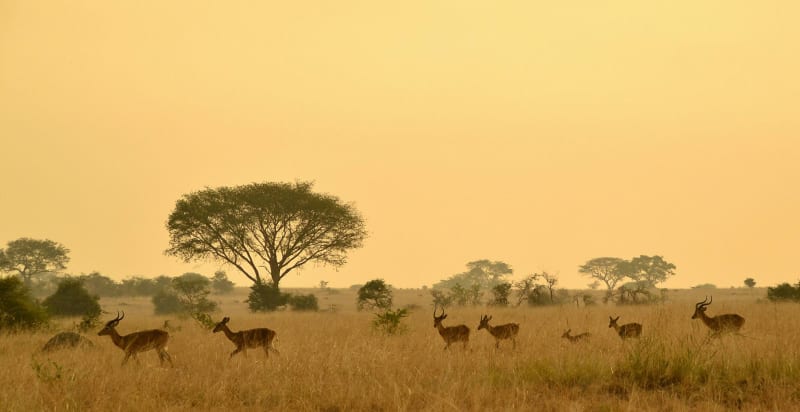 uganda
 Kidepo Valley
Africa's most remote national park sits in Uganda's northeastern corner, where the landscape turns semi-arid and the Karamojong still move cattle through country that feels genuinely untouched.
Explore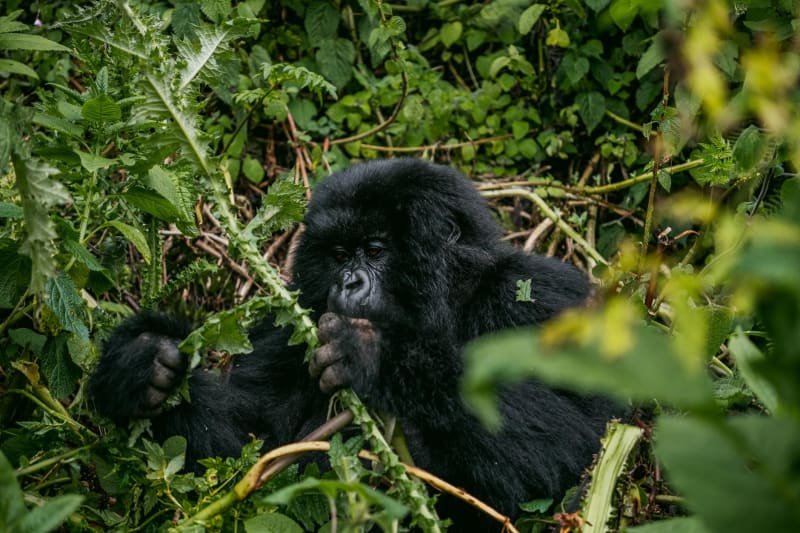 uganda
 Lake Bunyonyi
Uganda's deepest lake sits in a drowned valley between steep terraced hills and offers a kind of stillness that feels almost unfair after the intensity of gorilla country.
Explore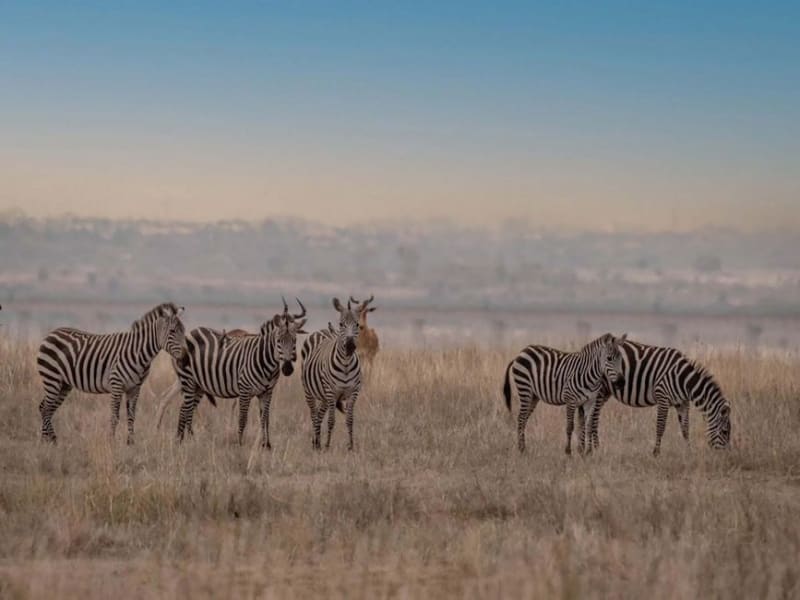 uganda
 Lake Mburo National Park
Uganda's smallest savannah park, where zebra graze beside the trail and you walk, ride, and drift by boat instead of just driving through.
Explore uganda
 Lake Victoria & Entebbe
Africa's largest lake meets Uganda at a peninsula that was the colonial capital, still has the botanical gardens to prove it, and now functions as the country's airport town and a surprisingly pleasant place to land.
Explore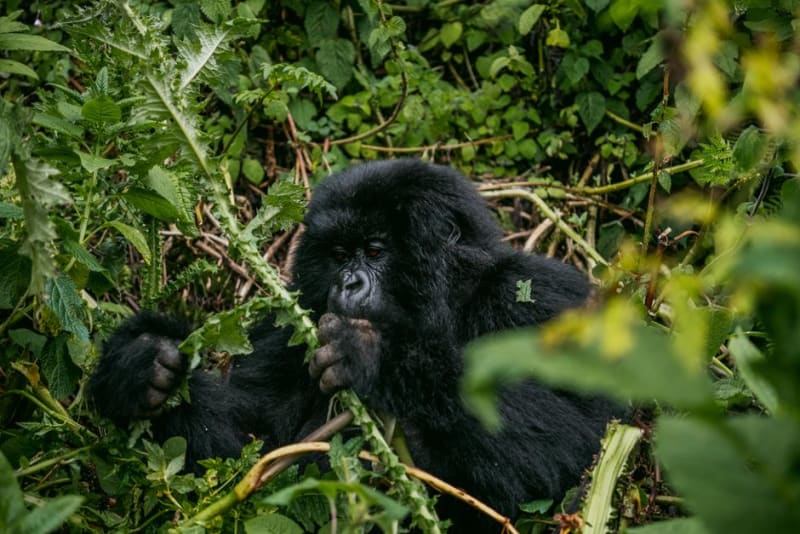 uganda
 Mgahinga
Uganda's smallest national park, a slice of volcanic highland where golden monkeys chatter in bamboo forest below three dormant peaks.
Explore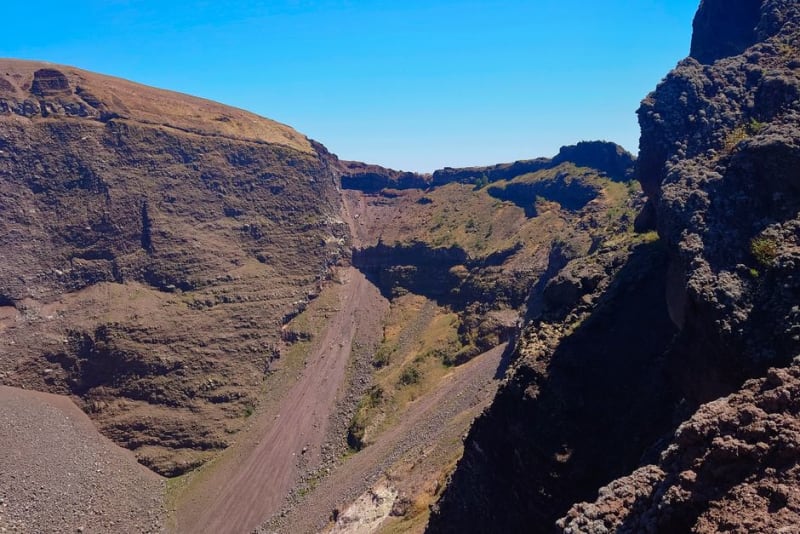 uganda
 Mount Elgon
An ancient extinct volcano straddling the Kenyan border, crowned by one of the largest calderas on earth and laced with waterfall-fed hiking trails.
Explore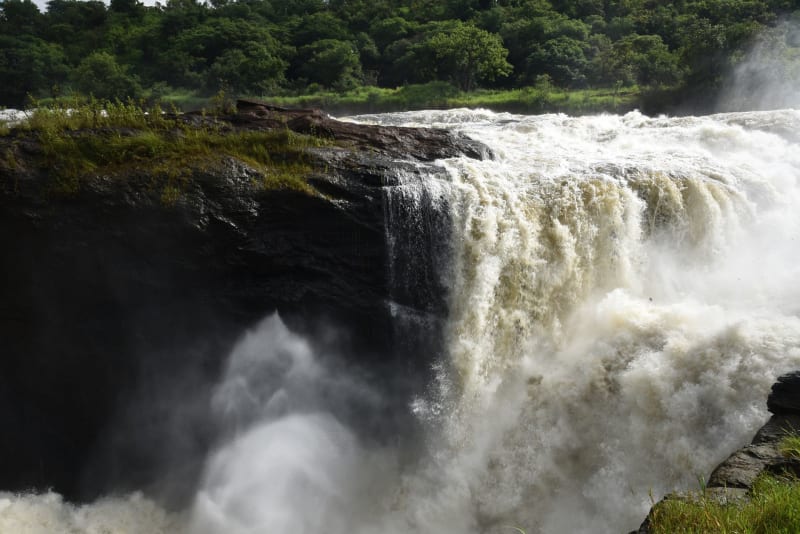 uganda
 Murchison Falls
The entire force of the Nile compresses through a seven-meter gap in the rock and the sound hits your chest before you even see it.
Explore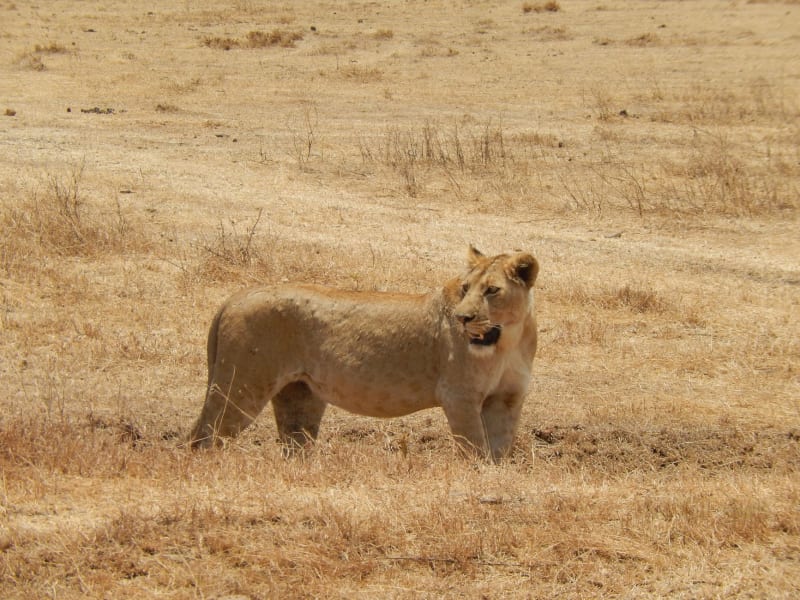 uganda
 Queen Elizabeth National Park
Famous for lions that have figured out trees, crater lakes that glow impossible shades of green, and a landscape where the equator and Africa's western rift happen to cross.
Explore uganda
 Rwenzori Mountains
Ptolemy called them the Mountains of the Moon, which turns out to be accurate: snow above the equator, giant heather forests, and vegetation that belongs to a different planet's idea of Africa.
Explore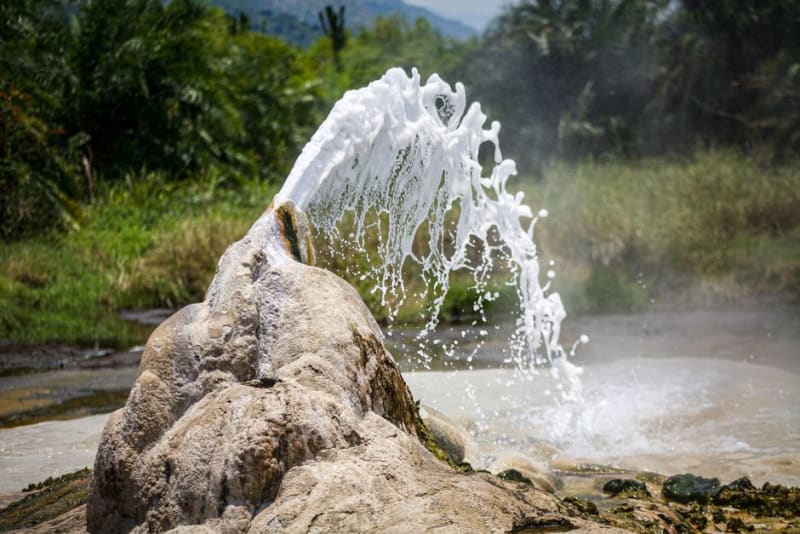 uganda
 Semuliki
A steamy lowland rainforest on the DR Congo border where boiling hot springs hiss out of the ground and rare Congo-basin birds call from the canopy.
Explore