Entebbe
"We landed in Entebbe expecting a layover town and stayed three days longer than planned."
A relaxed lakeside town on Lake Victoria's shore, home to Uganda's main airport, lush botanical gardens, and a slower pace than Kampala.

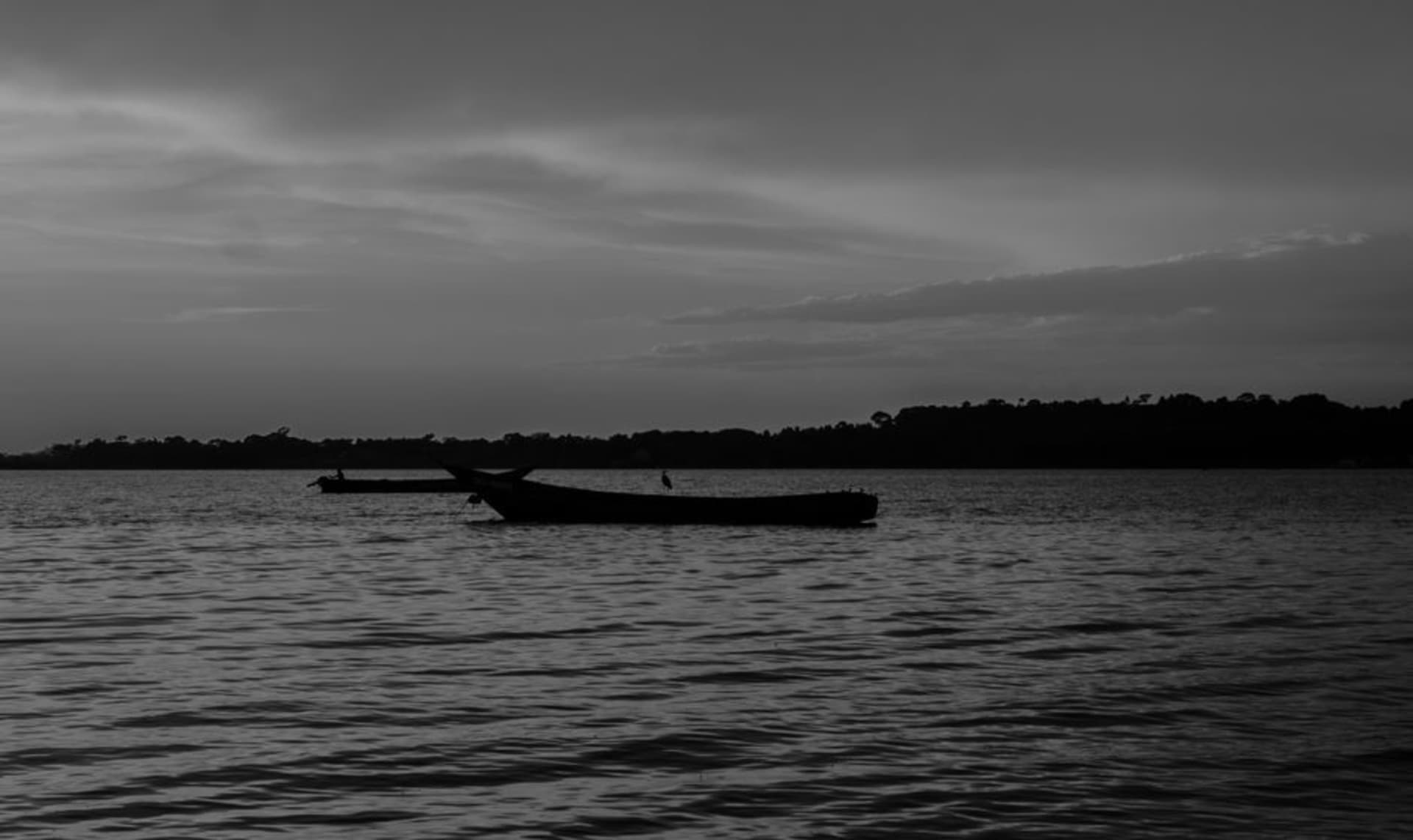
Almost everyone’s Uganda trip starts and ends in Entebbe, because that’s where the international airport is, and almost everyone treats it as a place to pass through rather than stay in. That was our plan too, honestly — one night to recover from the flight before heading to Kampala or off toward the parks. We ended up staying three nights instead, mostly because Entebbe turned out to be a genuinely pleasant, low-key town in its own right, and after the chaos of Kampala’s traffic a short drive away, the calm was welcome.
The botanical gardens are the obvious draw, and they earned their reputation for me. Established over a century ago right on the shore of Lake Victoria, they’re less a formal garden and more a semi-wild forest with labeled trees, where black-and-white colobus monkeys move through the canopy and vervet monkeys steal food with a confidence that borders on rude. Parts of the original Tarzan films were shot here, which the guides mention with a mix of pride and eye-rolling familiarity, having clearly repeated the fact a thousand times. We walked the shoreline paths for a couple of hours as fishermen worked the lake just offshore, and it was the first moment of the trip that actually felt unhurried.

Lake Victoria itself is worth sitting with for a while, and it’s easy to forget how genuinely massive it is — the second-largest freshwater lake in the world by surface area, bordering three countries. From Entebbe’s shore you can’t see across it; it just reads as an inland sea. We took a short boat trip out to one of the nearby fishing villages, watching wooden boats haul in tilapia and Nile perch as egrets picked around the shallows. It’s not a polished tourist excursion, more a glimpse into the everyday economy of the lake, and I appreciated that it wasn’t dressed up for visitors.

Entebbe also has a genuinely good wildlife education center — a former zoo reworked into a conservation and rescue facility — where we saw rescued chimps and shoebill storks up close, the latter being one of the strangest, most prehistoric-looking birds I’ve encountered anywhere. If you’re heading into the parks afterward you don’t strictly need it, but if your itinerary is tight and you want a guaranteed shoebill sighting without the swamp trek some parks require, it’s a solid substitute. We left Entebbe more reluctant to go than I expected from what was supposed to be a one-night layover stop.
When to go: Year-round works, though June to August and December to February bring drier, more comfortable days for the botanical gardens and lake excursions.
Keep exploring
More from Uganda
 uganda
 Fort Portal
A green, hilly town ringed by dozens of volcanic crater lakes at the foot of the Rwenzori's snow-capped ridgeline.
Explore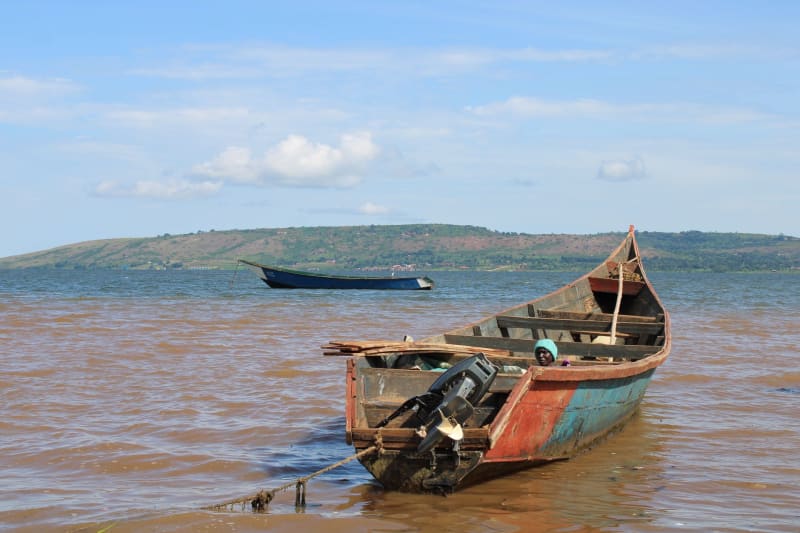 uganda
 Jinja
The town where the Nile officially begins draws everyone from rafters to pilgrims to people who just want to sit above the world's longest river and have a quiet beer.
Explore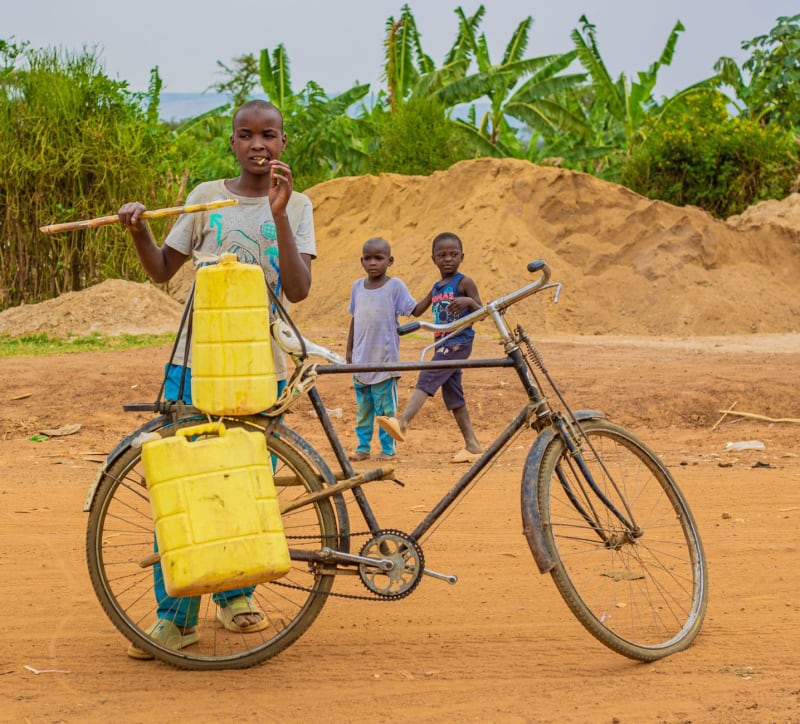 uganda
 Kampala
Spread across seven hills with a traffic problem that functions as the city's connective tissue, Uganda's capital rewards the visitor who stops waiting for it to make sense and just moves through it.
Explore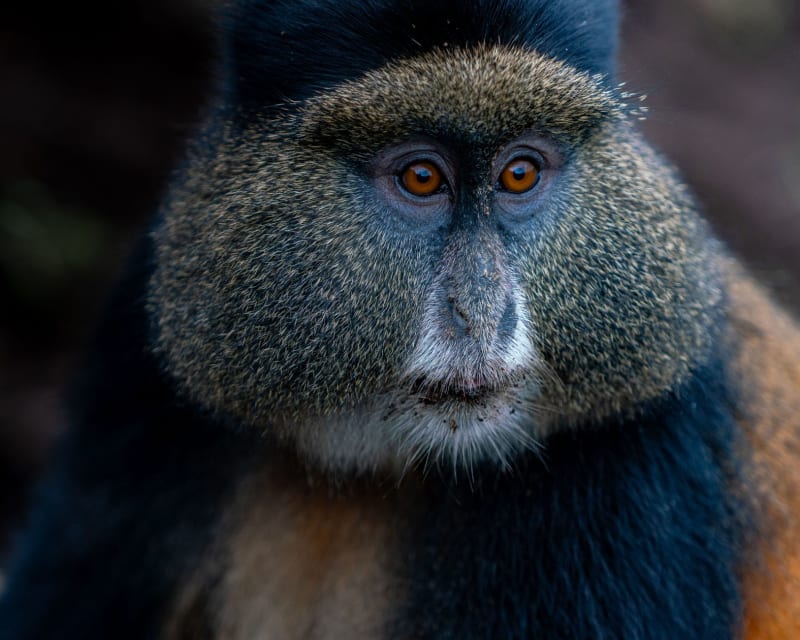 uganda
 Kibale Forest
The world's highest density of primates lives in this mid-western forest, and the chimpanzees move through it with a confidence that makes you feel like the visitor you are.
Explore uganda
 Kidepo Valley
Africa's most remote national park sits in Uganda's northeastern corner, where the landscape turns semi-arid and the Karamojong still move cattle through country that feels genuinely untouched.
Explore uganda
 Lake Bunyonyi
Uganda's deepest lake sits in a drowned valley between steep terraced hills and offers a kind of stillness that feels almost unfair after the intensity of gorilla country.
Explore