
Jinja
"The Nile looks exactly like you'd expect a river carrying everything from Lake Victoria to the Mediterranean to look — unhurried, confident, enormous."
The town where the Nile officially begins draws everyone from rafters to pilgrims to people who just want to sit above the world's longest river and have a quiet beer.

John Hanning Speke arrived here in 1862 and declared that he had found the source of the Nile, which was partly true and intensely complicated, and Victorians argued about it for decades. The actual “source” is marked by a modest stone monument on a small island in the lake, reachable by boat from Jinja’s waterfront. The Nile, having gathered itself from Lake Victoria, begins its 6,650-kilometer run to the Mediterranean with a seriousness that even the tourist infrastructure around it can’t fully undercut.
The River as Adventure Corridor
Jinja built its modern identity on white water. The Nile here drops through a series of class IV and V rapids, and for about twenty years it was considered one of the premier rafting destinations in the world. Then, in 2012, the Bujagali Dam went online upstream, which submerged several of the most legendary rapids and changed the character of the run. The remaining sections are still excellent — full day trips cover thirty kilometers and include drops that will rearrange your perspective on water — but people who did the Nile before the dam mention the old version with the specific nostalgia of watching a neighborhood change.
Kayaking, bungee jumping over the river, stand-up paddleboarding, and boat trips to the source monument round out the activity options. The town has organized itself efficiently around supplying these things, and the waterfront strip of hostels, cafes, and outfitter offices has the well-worn ease of a place that has been absorbing adventure travelers for thirty years.
The Town Itself
Old Jinja has a faded colonial-era fabric that rewards walking — Indian-built commercial buildings from the 1920s and 30s, some restored and repainted, others slowly going back to the earth in ways that are photogenic if you’re that kind of traveler. The main street has the textured commerce of a Ugandan market town: mobile money kiosks, fabric sellers, rolex vendors (the roadside snack of egg-and-vegetable rolled in chapati, not the watch), and a hardware shop that seems to sell everything.
The Indian community that built much of this commercial infrastructure was expelled by Idi Amin in 1972 and some returned after Amin’s fall, though the population is much smaller. The architecture they left behind is distinctive, and some of the families who came back run businesses from buildings their grandparents constructed.
Source of the Nile Gardens
A boat ride from the waterfront to the source point takes about twenty minutes. There’s a small restaurant island near the monument where you can sit at a plastic table and eat a plate of tilapia pulled from the lake while the river moves below. This is either profound or absurd depending on your mood, and possibly both. The tilapia is consistently good.
The Nile at this point is wide and brown-green and fast without being violent. Kingfishers work the shallows. The far bank is Uganda’s eastern shore and beyond it the Kenyan border is close enough to feel abstract. I sat there for longer than I planned.
Logistics from Kampala
Jinja is 80 kilometers from Kampala — less than two hours by road — and functions as an easy weekend escape for the capital’s residents. The highway connecting them is one of the better roads in Uganda and goes through the sugar cane country around Lugazi. Boda-bodas and taxis cover local movement. Most activity companies arrange pickup from accommodation.
When to go: Jinja works year-round. The white-water season is technically best during June to August and December to February when water levels are more consistent. The rainy months of March–May and October–November increase river volume but can also make access roads to certain put-in points difficult. The town itself never really closes down.
Keep exploring
More from Uganda
 uganda
 Kampala
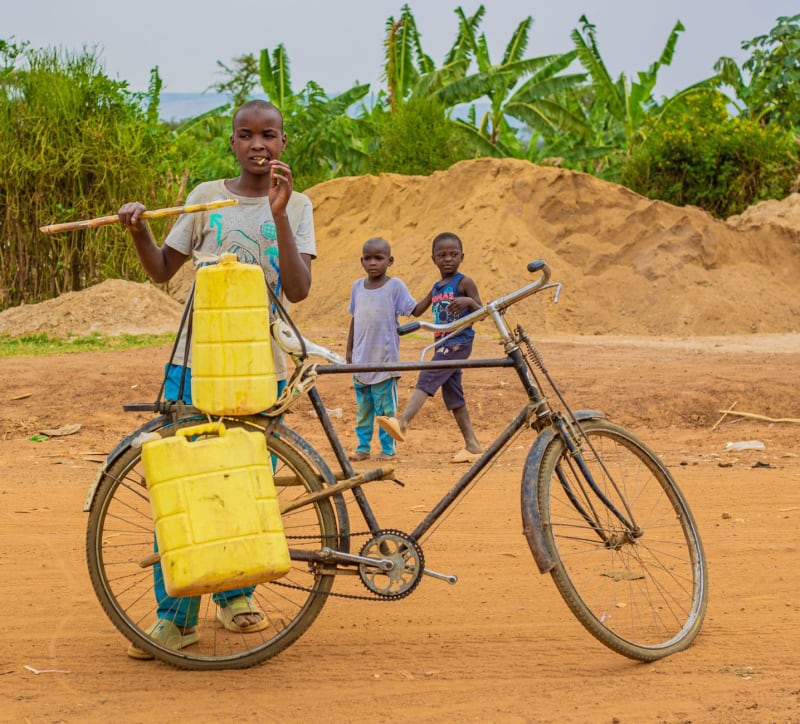
Spread across seven hills with a traffic problem that functions as the city's connective tissue, Uganda's capital rewards the visitor who stops waiting for it to make sense and just moves through it.
Explore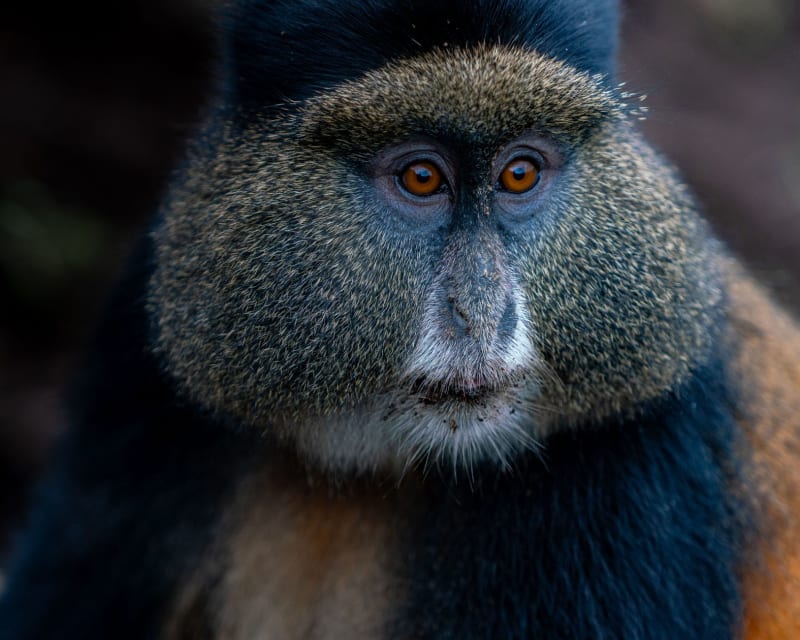 uganda
 Kibale Forest
The world's highest density of primates lives in this mid-western forest, and the chimpanzees move through it with a confidence that makes you feel like the visitor you are.
Explore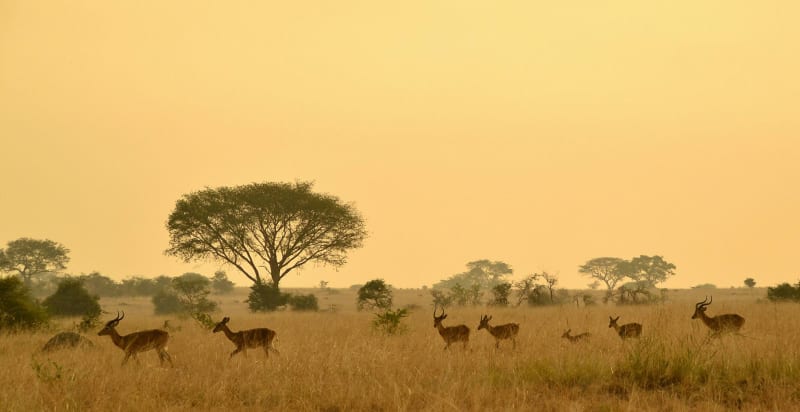 uganda
 Kidepo Valley
Africa's most remote national park sits in Uganda's northeastern corner, where the landscape turns semi-arid and the Karamojong still move cattle through country that feels genuinely untouched.
Explore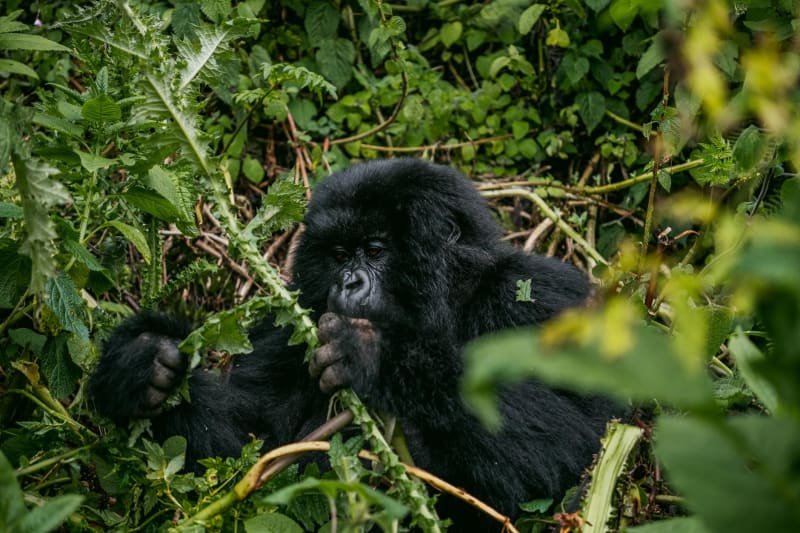 uganda
 Lake Bunyonyi
Uganda's deepest lake sits in a drowned valley between steep terraced hills and offers a kind of stillness that feels almost unfair after the intensity of gorilla country.
Explore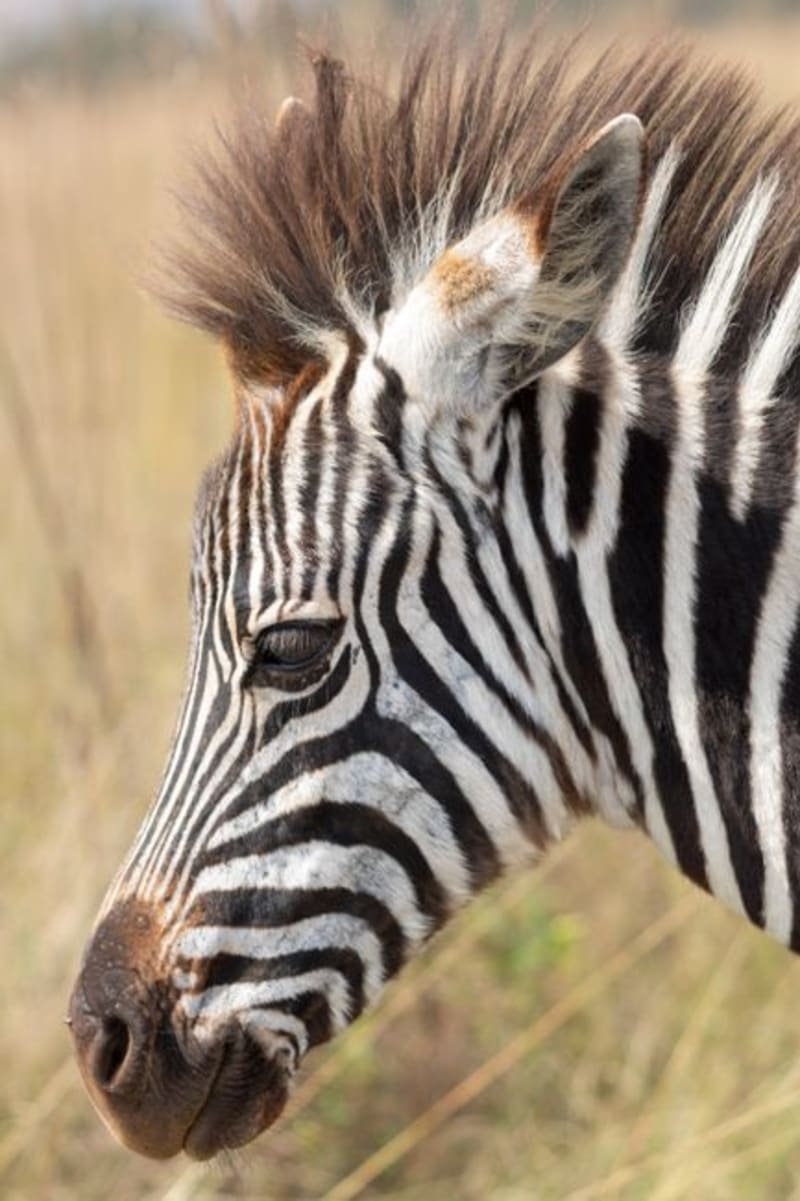 uganda
 Lake Mburo National Park
Uganda's smallest savannah park, where zebra graze beside the trail and you walk, ride, and drift by boat instead of just driving through.
Explore uganda
 Lake Victoria & Entebbe
Africa's largest lake meets Uganda at a peninsula that was the colonial capital, still has the botanical gardens to prove it, and now functions as the country's airport town and a surprisingly pleasant place to land.
Explore