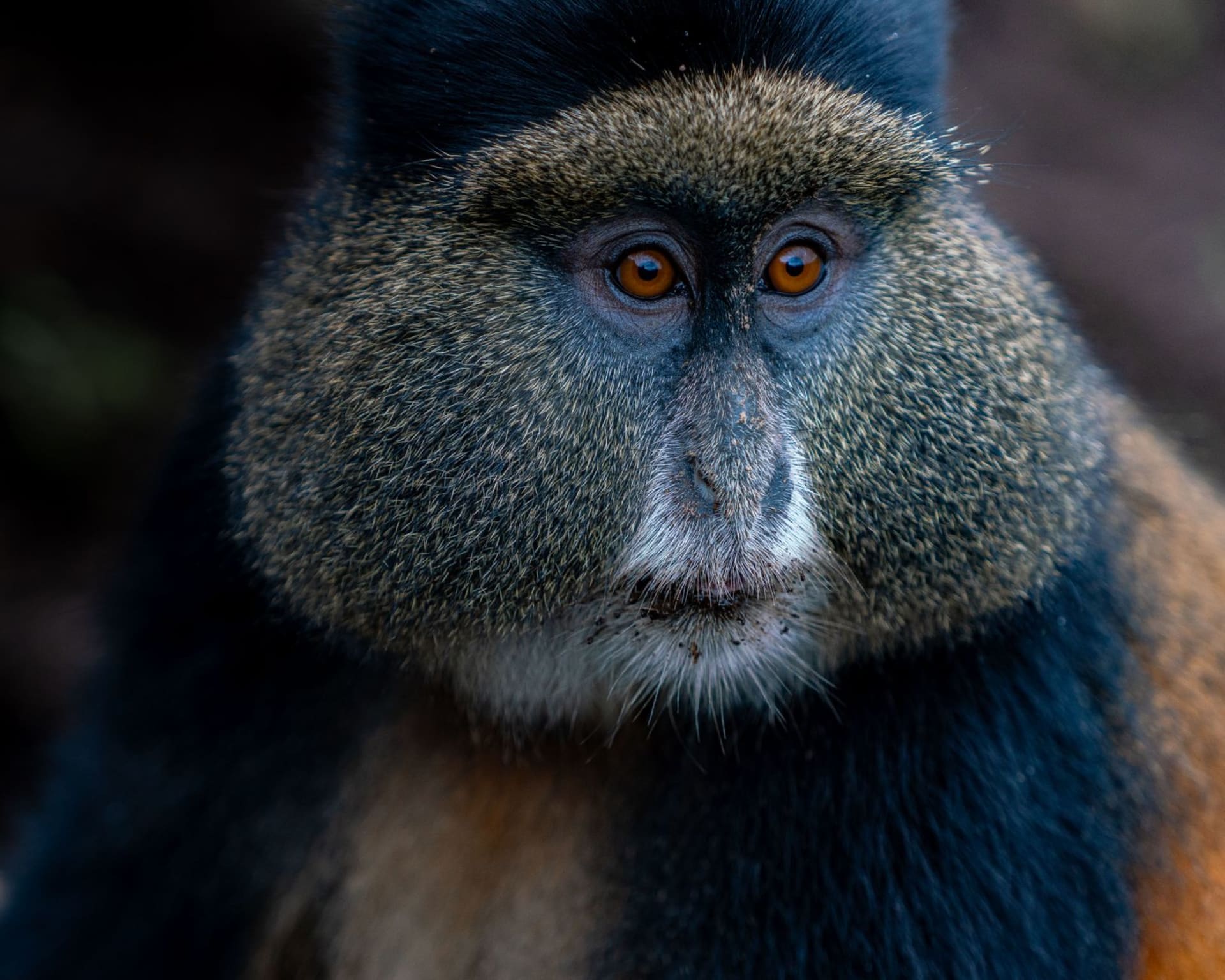
Kibale Forest
"They don't perform for you. They barely register you. That's exactly what makes it work."
The world's highest density of primates lives in this mid-western forest, and the chimpanzees move through it with a confidence that makes you feel like the visitor you are.

The briefing before a Kibale chimpanzee trek covers rules I already knew intellectually but needed to hear stated plainly: stay seven meters back, don’t eat near them, if a chimp charges stay still and don’t run. The ranger who delivered it had the manner of someone who had watched many humans fail the staying-still part. I made a private note.
The Forest
Kibale National Park covers 795 square kilometers of moist evergreen forest in western Uganda, between Fort Portal and the Queen Elizabeth wetlands to the south. The altitude sits between 1,100 and 1,600 meters, which means the air is cooler than you expect and the mornings have a particular quality of light — grey-green filtering through the canopy, everything damp in a way that smells like soil and bark and something sweet from the fig trees.
The park has 13 primate species. L’Hoest’s monkeys, red-tailed monkeys, grey-cheeked mangabeys, olive baboons — you see most of these incidentally, from the vehicles or on the walk in, without ceremony. The chimps are the main event and the habituated communities in the Kanyanchu area are tracked twice daily.
Tracking the Chimps
Our group found the Kanyanchu community within forty minutes — researchers had located them the previous afternoon and the tracker followed their sleeping tree from there. When we caught up to them, three individuals were feeding in a fig tree overhead, dropping debris that rained down like small brown hail. Two more were on the ground, grooming.
The pace of a chimp group is irregular and fast when it moves. They walk, then sprint, then stop completely. At one point the males in our group started calling — a long hooting that built to a pant-hoot screech that echoed off the trees and made my chest clench with a reflex I couldn’t locate. Then silence. Then they moved again.
What distinguishes chimps from gorillas, experientially, is a register closer to anxiety. Gorillas are massive and calm. Chimps are quick, expressive, occasionally violent, and radically intelligent in ways you can almost watch operating — they plan, they scheme, they manage social hierarchies with evident intent. An hour with them is not relaxing, but it is extraordinary.
Bigodi Wetland Sanctuary
Lia made a strong case for the Bigodi Wetland Sanctuary and was completely right. It’s a community-run conservation area on Kibale’s edge, a papyrus swamp and forest strip that has almost no marketing but harbors an absurd density of birds — over 200 species — and primates. We spent a morning with a local guide named Thomas who knew exactly where to stand and when to be quiet. He pointed out a double-toothed barbet in a bush three meters away and then waited while I found it, without saying anything or pointing again.
The wetland generates income for the surrounding community and has measurably reduced poaching in the buffer zone. The entrance fee is negligible and directly paid to the management board.
Fort Portal
The nearby town of Fort Portal functions as the area’s logistics hub — fuel, accommodation, banks, market. The Tuesday and Saturday markets in town are worth time: rooftop piles of avocados, stacks of dried fish, fabric sellers operating from small stalls. Fort Portal has a pleasantly functional feeling with a view of the Rwenzori foothills on clear days, which is not as often as you’d like.
When to go: Kibale can be trekked year-round, but the driest months — June through August and December through February — make the forest floor more navigable and reduce the chance of rain mid-trek. Chimp encounters are not seasonal; the communities are present in the park throughout the year. Go early in the morning regardless of season.
Keep exploring
More from Uganda
 uganda
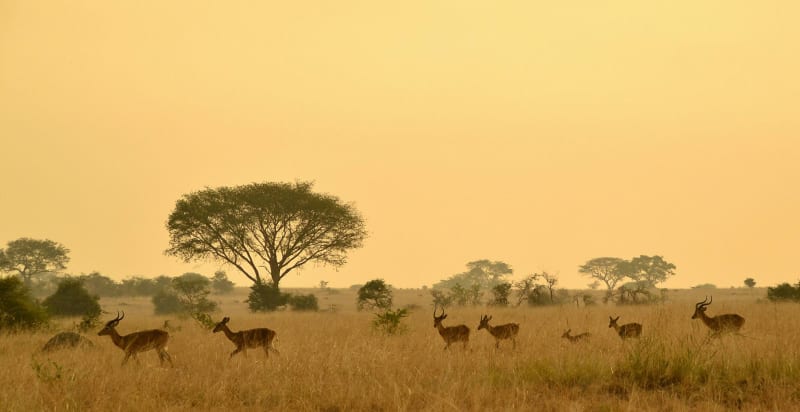
 Kidepo Valley
Africa's most remote national park sits in Uganda's northeastern corner, where the landscape turns semi-arid and the Karamojong still move cattle through country that feels genuinely untouched.
Explore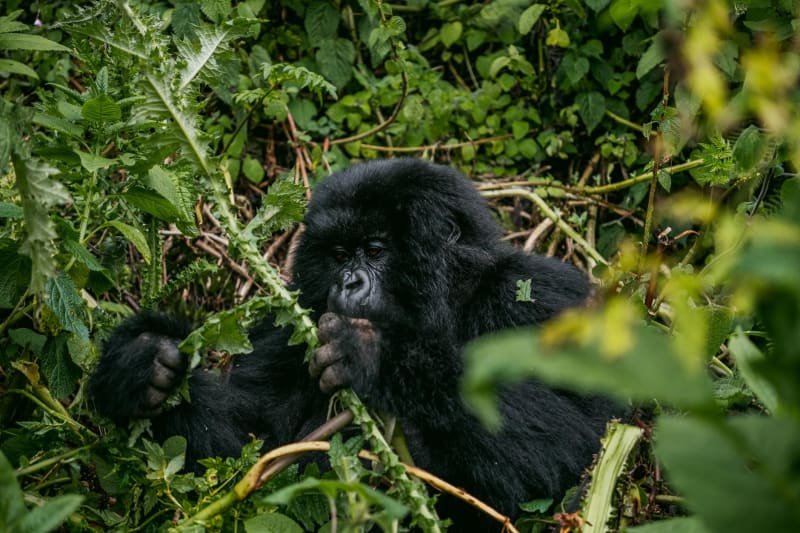 uganda
 Lake Bunyonyi
Uganda's deepest lake sits in a drowned valley between steep terraced hills and offers a kind of stillness that feels almost unfair after the intensity of gorilla country.
Explore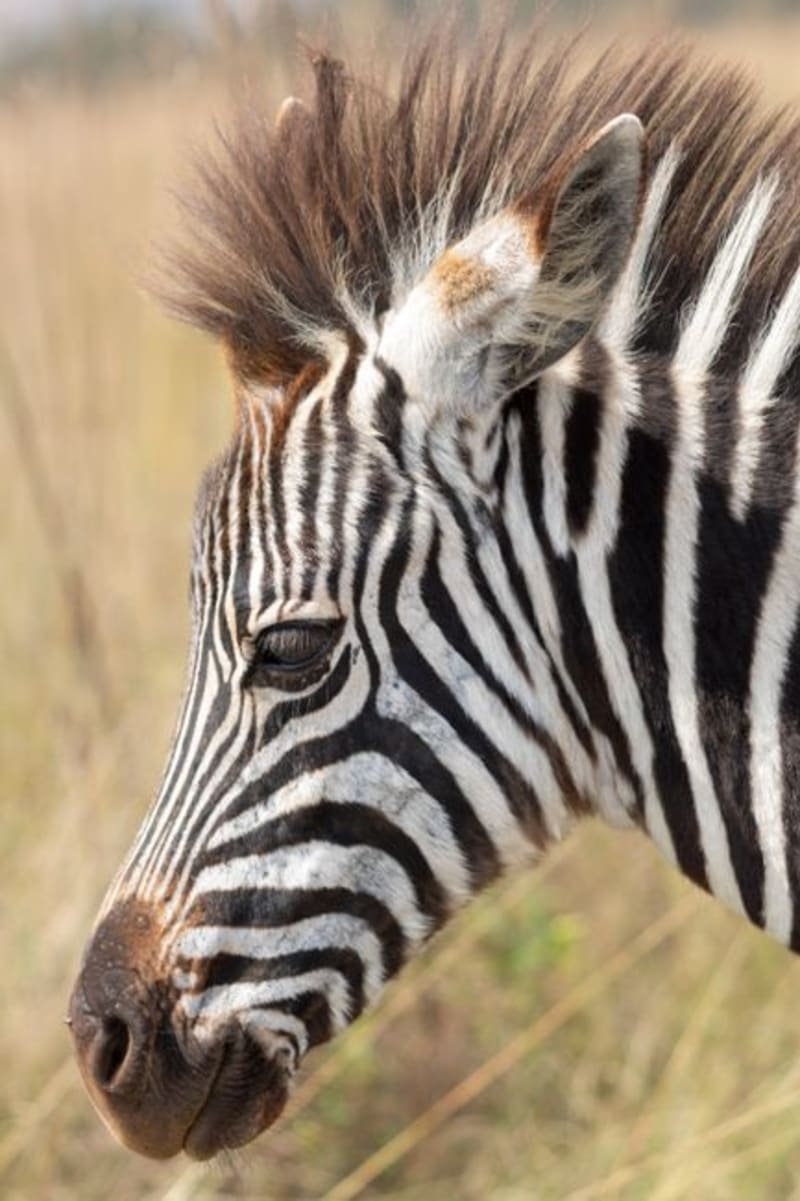 uganda
 Lake Mburo National Park
Uganda's smallest savannah park, where zebra graze beside the trail and you walk, ride, and drift by boat instead of just driving through.
Explore uganda
 Lake Victoria & Entebbe
Africa's largest lake meets Uganda at a peninsula that was the colonial capital, still has the botanical gardens to prove it, and now functions as the country's airport town and a surprisingly pleasant place to land.
Explore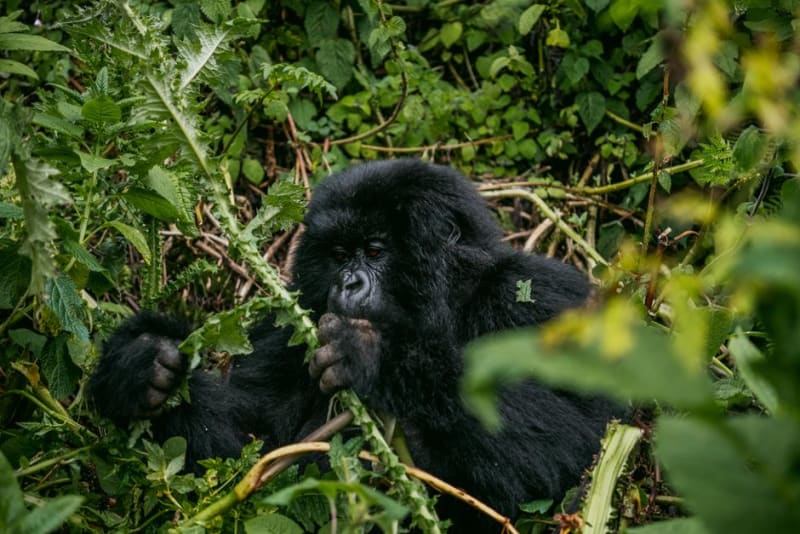 uganda
 Mgahinga
Uganda's smallest national park, a slice of volcanic highland where golden monkeys chatter in bamboo forest below three dormant peaks.
Explore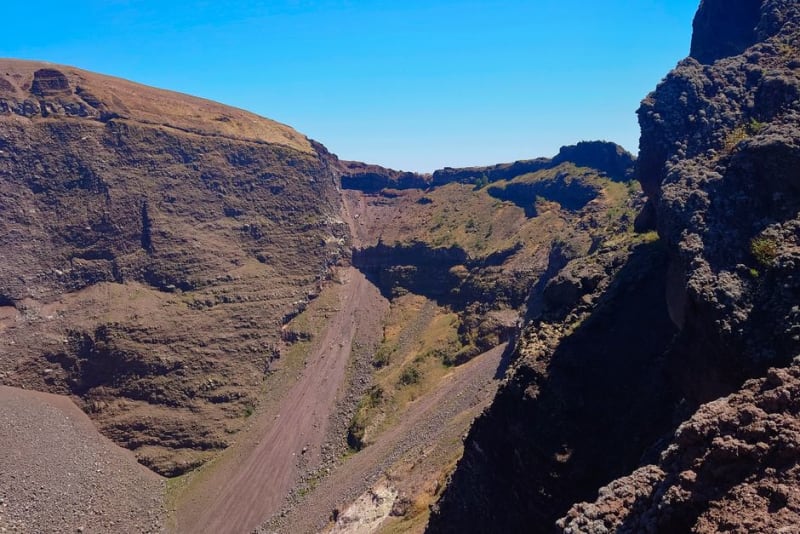 uganda
 Mount Elgon
An ancient extinct volcano straddling the Kenyan border, crowned by one of the largest calderas on earth and laced with waterfall-fed hiking trails.
Explore