
Fort Portal
"I counted eleven crater lakes on the map before I gave up and just started driving between them."
A green, hilly town ringed by dozens of volcanic crater lakes at the foot of the Rwenzori's snow-capped ridgeline.

I’ll be honest, I went to Fort Portal for the mountains and left thinking mostly about the lakes. The Rwenzoris sit there in the background, usually wrapped in cloud, and locals kept telling me the peaks only show themselves a few mornings a month. I never saw them uncovered. But the crater lakes — dozens of them, scattered across the hills south of town like someone spilled a tray of blue-green coins — kept me busy enough that I stopped checking the sky. Lia and I rented bikes for a day and just rode between them, stopping whenever one looked different from the last.
They’re not all the same color, which surprised me. Nyinambuga is this deep, almost navy blue, while a smaller one nearby (I lost track of the name) had a greenish tinge from algae. A guide at one of the lodges explained that the mineral content and depth vary lake to lake even though they’re all within a few kilometers of each other, all born from the same volcanic activity thousands of years ago. It’s the kind of geology fact that sounds dry until you’re standing on the crater rim looking down at two lakes of visibly different hues and it just clicks.
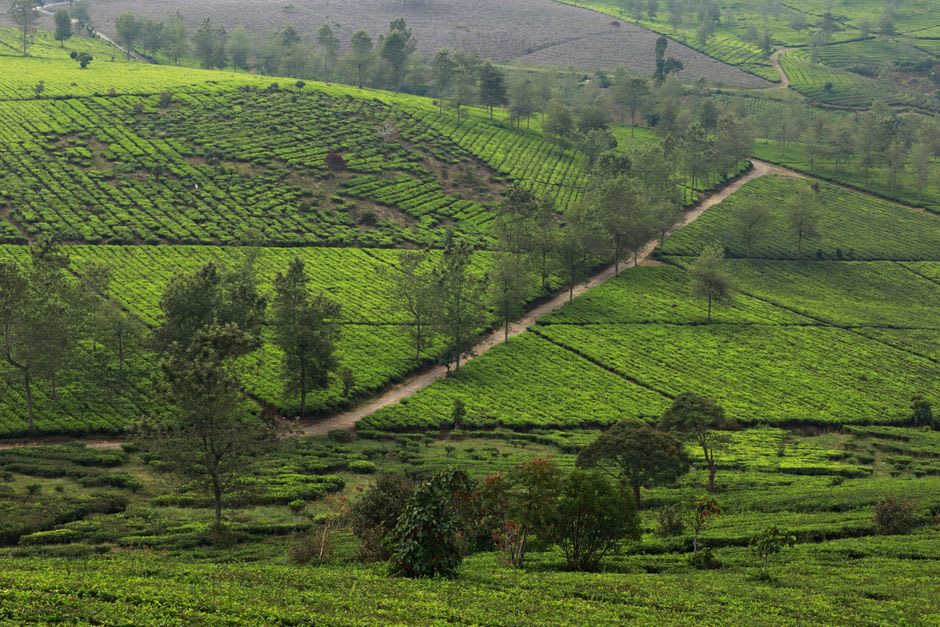
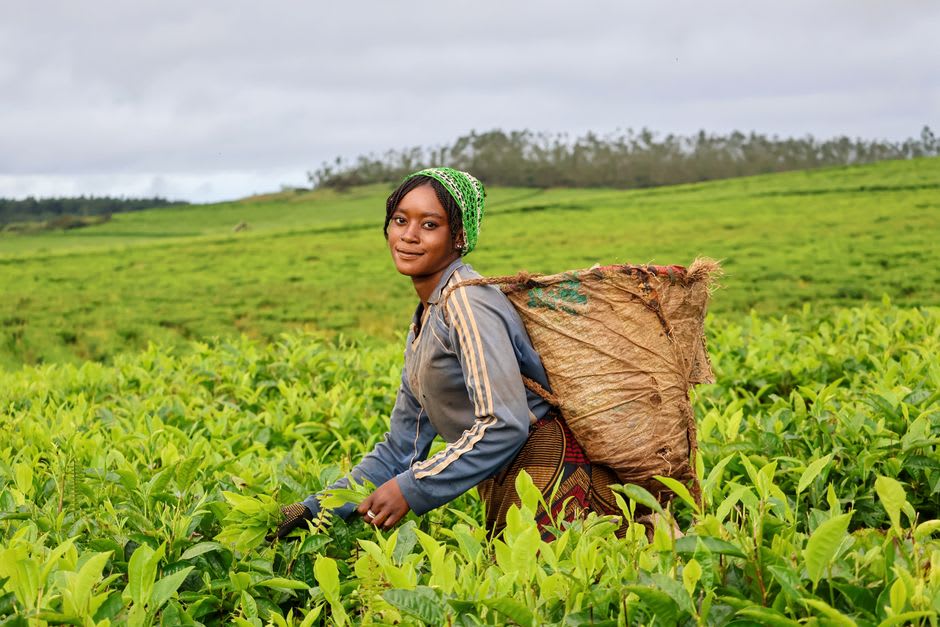
The tea estates are the other thing nobody mentioned to me before I went. Fort Portal sits in one of Uganda’s main tea-growing regions, and the roads out toward Kibale are lined with these impossibly tidy rows of dark green bushes, workers moving through them with baskets on their backs. We stopped at a small estate where a woman let us walk the rows and explained how they pick only the top two leaves and a bud — anything more and the quality drops. I bought a bag of loose leaf tea there that lasted me about three weeks back in Mexico, rationed carefully because I knew I wasn’t getting more anytime soon.
Fort Portal itself is a modest, workaday town — I wouldn’t call it a destination in its own right, more of a comfortable base. We stayed at a small guesthouse with a garden that attracted an absurd number of birds in the early morning, and the owner ran through species names faster than I could write them down. It’s also the jumping-off point for Kibale National Park and its chimpanzees, which most visitors combine with a Fort Portal stay, so the town has a decent set of decent restaurants and a couple of genuinely good coffee places, better than I expected for somewhere this size.
What stuck with me most, though, was a late afternoon at Lake Nkuruba, a smaller crater lake with a community campsite on its rim. We swam — cold, clean water, no crocodiles supposedly, though I’ll admit I swam a little faster near the edges — and then sat with beers watching black-and-white colobus monkeys crash through the forest canopy above us as the light went orange. Nobody else was there. It’s the kind of unbothered, unphotographed moment that made the whole detour worth it, mountains or no mountains.
When to go: June to August or December to February for drier trails and a better shot at clear Rwenzori views, though the crater lakes are worth visiting any time of year.
Keep exploring
More from Uganda
 uganda
Jinja
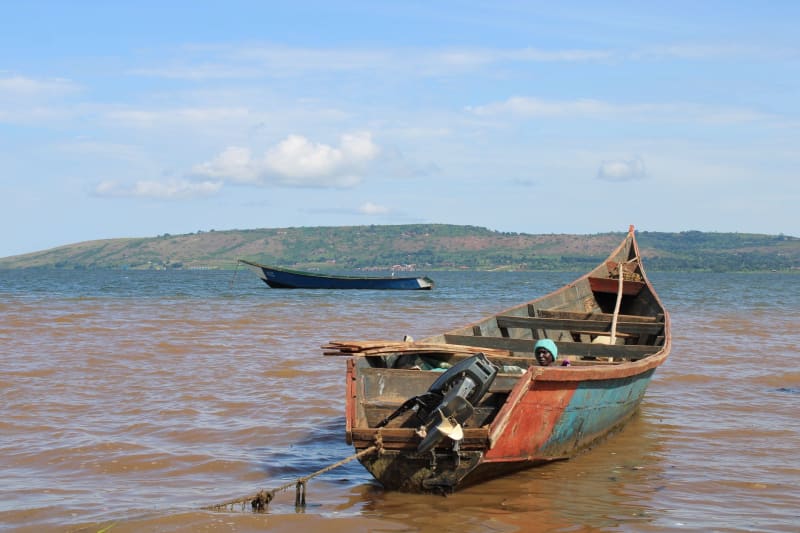
The town where the Nile officially begins draws everyone from rafters to pilgrims to people who just want to sit above the world's longest river and have a quiet beer.
Explore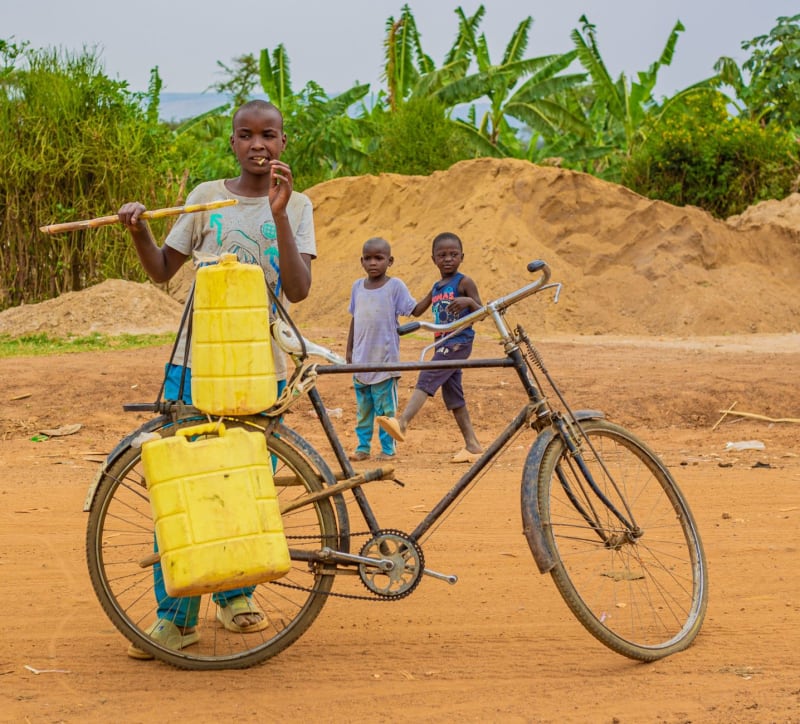 uganda
Kampala
Spread across seven hills with a traffic problem that functions as the city's connective tissue, Uganda's capital rewards the visitor who stops waiting for it to make sense and just moves through it.
Explore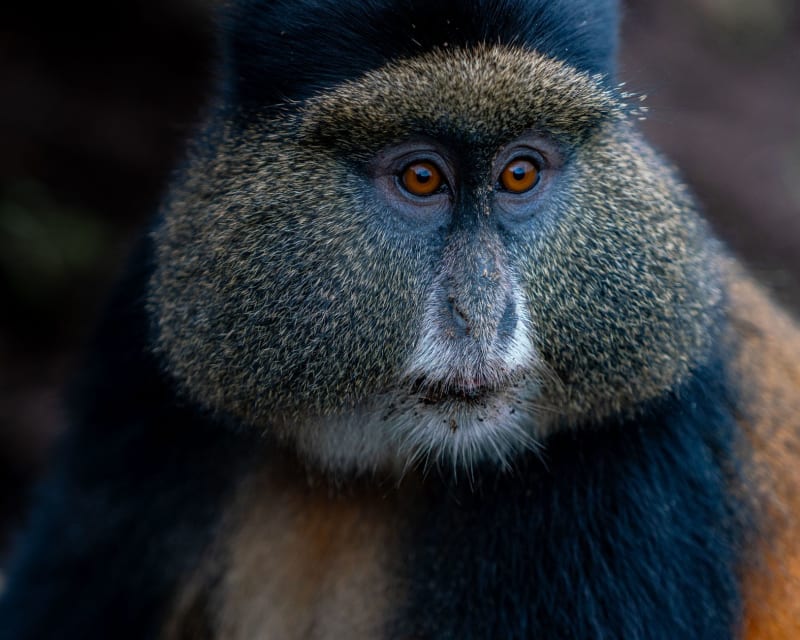 uganda
Kibale Forest
The world's highest density of primates lives in this mid-western forest, and the chimpanzees move through it with a confidence that makes you feel like the visitor you are.
Explore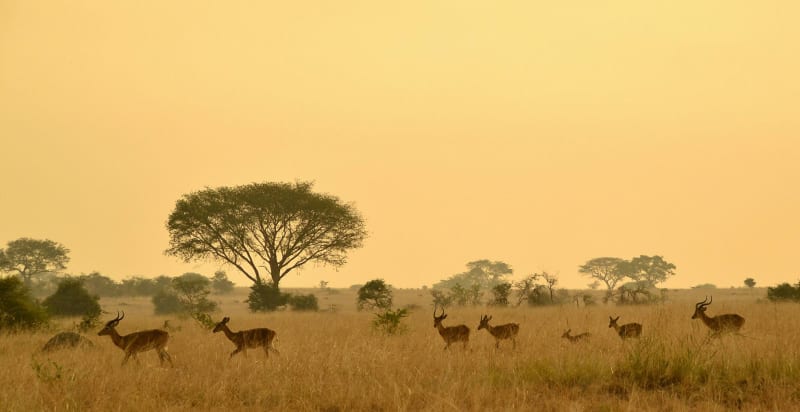 uganda
Kidepo Valley
Africa's most remote national park sits in Uganda's northeastern corner, where the landscape turns semi-arid and the Karamojong still move cattle through country that feels genuinely untouched.
Explore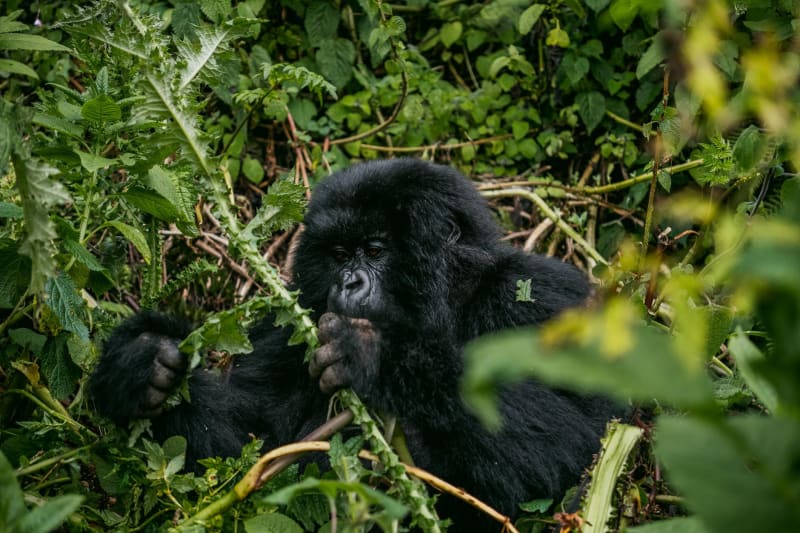 uganda
Lake Bunyonyi
Uganda's deepest lake sits in a drowned valley between steep terraced hills and offers a kind of stillness that feels almost unfair after the intensity of gorilla country.
Explore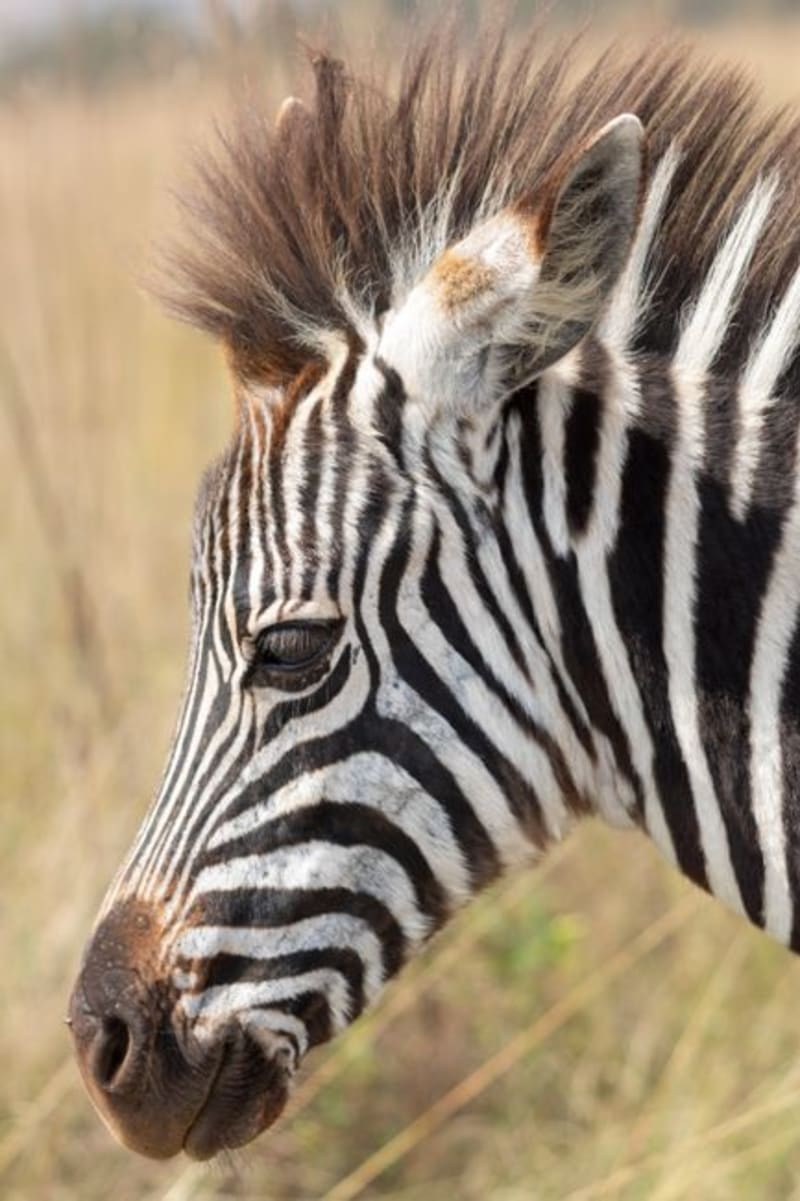 uganda
Lake Mburo National Park
Uganda's smallest savannah park, where zebra graze beside the trail and you walk, ride, and drift by boat instead of just driving through.
Explore